Surge Protection in Carbonton, NC
Your Electronics Are Under Attack Daily
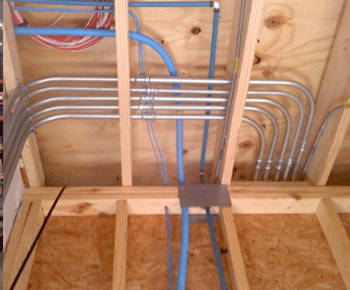
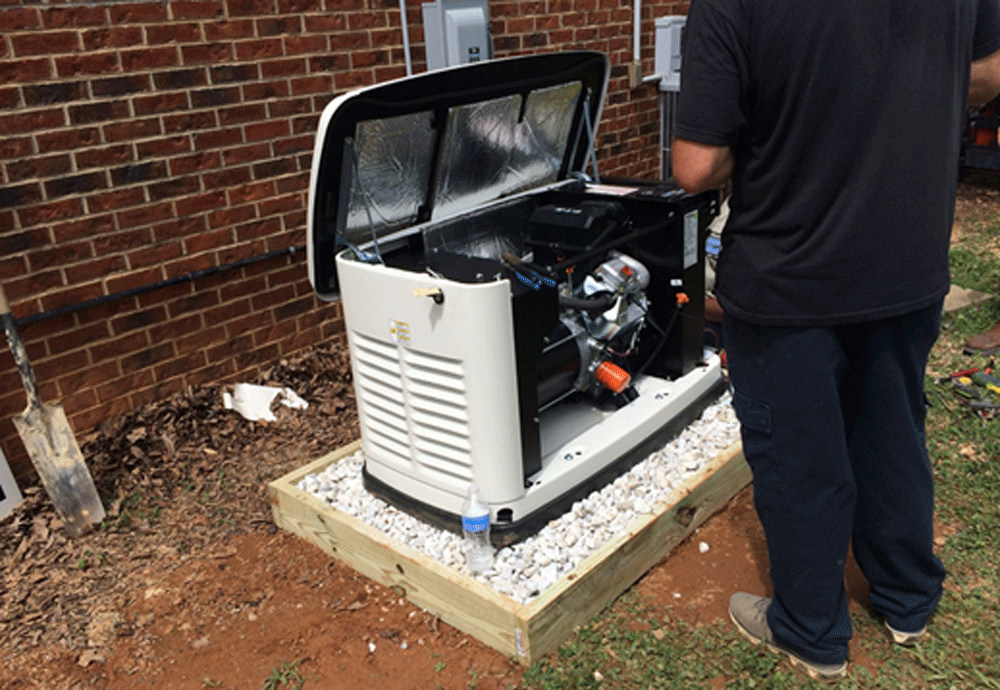
Whole Home Surge Protector Installation
Your refrigerator, HVAC system, computers, and smart devices face constant threats from power surges. Most happen silently, slowly wearing down your electronics until they fail unexpectedly. A whole house surge protector installed at your electrical panel stops these voltage spikes before they reach your outlets.
You’re not just protecting individual devices—you’re safeguarding your entire electrical system. When storms roll through Chatham County or your air conditioner kicks on, surges can travel through every wire in your home. Standard plug-in strips only protect what’s plugged into them, leaving expensive appliances vulnerable.
The 2020 National Electrical Code now requires surge protection for all new residential services. This isn’t just about compliance—it’s about preventing thousands of dollars in damage that your homeowner’s insurance likely won’t cover.
Carbonton Electrical Surge Protection Experts
We’ve been serving Carbonton and surrounding communities since 2002. Our master electrician Andy Helton brings 35+ years of experience to every surge protection installation.
We understand Carbonton’s unique electrical challenges. This area made history as home to the Sandhills region’s first power plant in the 1920s, and today’s homeowners still deal with power fluctuations from storms and grid issues. Our team knows how to properly protect homes in this region.
You’ll get flat-rate pricing before we start work, fully stocked service trucks, and technicians who clean up before they leave. We’re not the cheapest option—we’re the one that gets it right the first time.
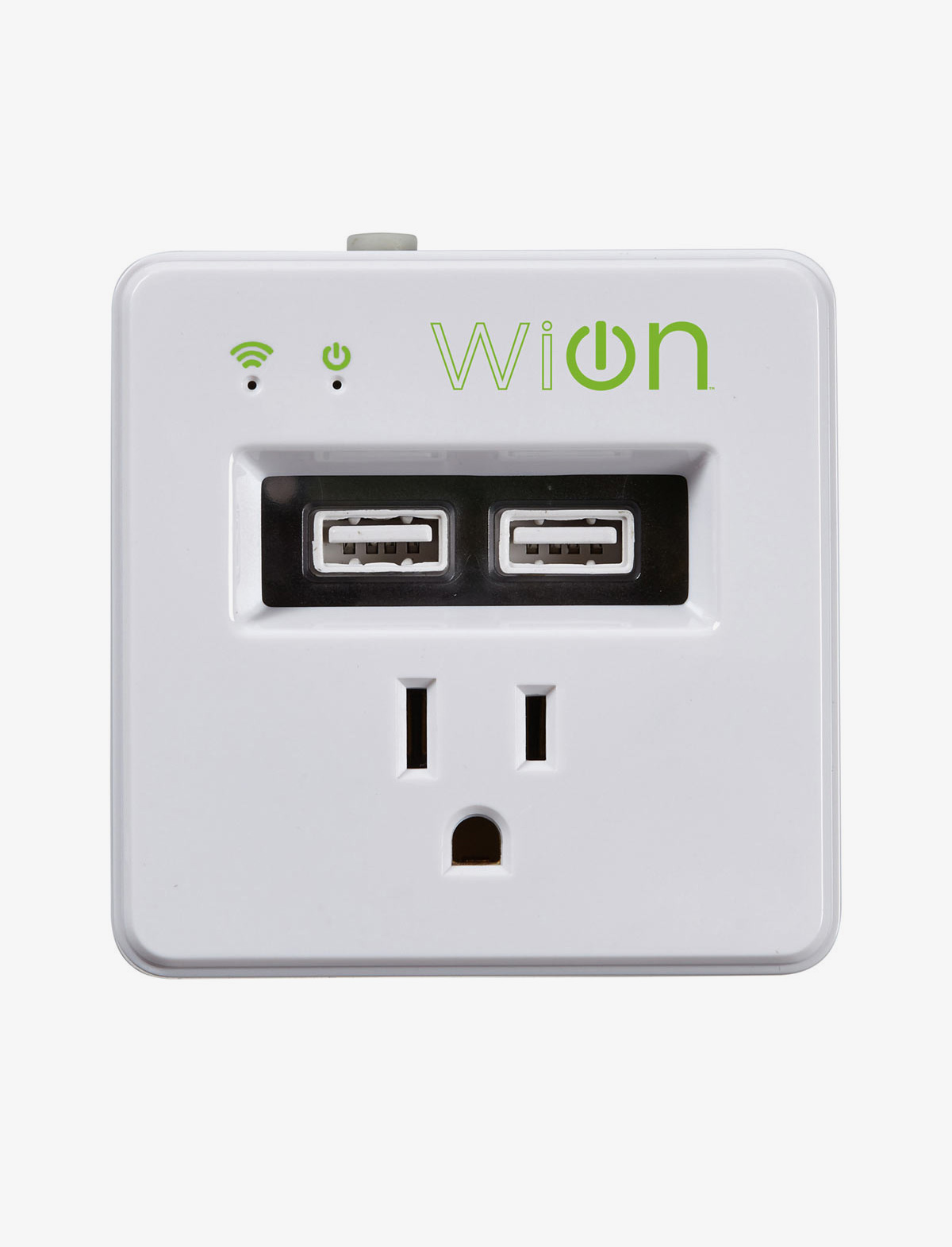
Surge Protector Installation Process Carbonton
First, we inspect your electrical panel to ensure it’s compatible with surge protection equipment. Some older panels need upgrades before we can install a whole house surge protector safely. We’ll let you know upfront if additional work is needed.
Next, we install the surge protective device directly into your main electrical panel. The unit connects to your home’s grounding system, creating a path for excess voltage to safely discharge into the ground instead of through your wiring.
We test the entire system to confirm proper operation and show you the indicator lights that let you know your surge protector is working. Most installations take about an hour, and you’ll have immediate protection for every outlet in your home. We’ll also explain how to monitor the device and when it might need replacement.
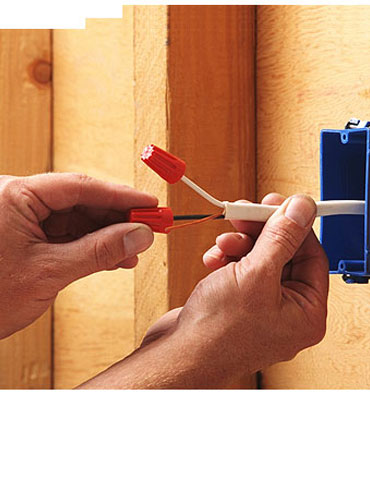
Residential Surge Protection Carbonton NC
Your whole house surge protector installation includes a Type 1 or Type 2 surge protective device that meets current NEC requirements. These units handle surge currents from 20kA to over 100kA, protecting against everything from minor appliance cycling to major lightning-induced surges.
In Carbonton’s location near the intersection of three counties, you’re dealing with power infrastructure that serves rural and suburban areas. This means more potential for voltage fluctuations from equipment failures, animal contact with power lines, and storm damage. Our surge protectors are rated for the specific conditions common in central North Carolina.
We only install equipment from trusted manufacturers like Square D, Siemens, and General Electric. Each device comes with manufacturer warranties, and many include connected equipment protection that covers repair costs if surge damage occurs despite proper installation. You’re not just buying equipment—you’re investing in long-term protection for appliances, electronics, and your home’s electrical system.
How much does whole house surge protector installation cost in Carbonton?
Most whole house surge protector installations in the Carbonton area cost between $300 and $700, depending on your electrical panel setup and the type of surge protective device you choose. The price includes the surge protector unit, professional installation, and system testing.
Higher-end units with better voltage protective ratings and maximum continuous operating voltage capabilities cost more but offer superior protection. If your electrical panel needs upgrades to accommodate surge protection, that adds to the total cost. We provide flat-rate pricing upfront so you know exactly what you’ll pay before we start work.
The investment pays for itself quickly when you consider replacement costs for damaged electronics. A single lightning strike or major surge can destroy thousands of dollars worth of appliances and devices that insurance typically won’t cover.
Do I really need surge protection if I use power strips?
Power strips with surge protection only protect devices plugged directly into them. They can’t protect your refrigerator, HVAC system, water heater, garage door opener, or any hardwired appliances and systems throughout your home.
Whole house surge protection works at your electrical panel, stopping surges before they enter your home’s wiring. This protects everything connected to your electrical system, including outlets where you might forget to use surge strips. Up to 80% of damaging surges actually originate inside your home from large appliances cycling on and off.
Think of plug-in surge protectors as your second line of defense for sensitive electronics like computers and entertainment systems. Whole house protection is your primary defense that covers everything else. The most effective approach uses both types of protection working together.
How long do whole house surge protectors last?
Most whole house surge protectors have a service life of 2 to 3 years under normal conditions. Every surge they absorb—including small ones you never notice—gradually wears down their internal components until they can no longer provide adequate protection.
Many modern surge protectors include indicator lights that show when the device is functioning properly or needs replacement. Some units have audible alarms or remote monitoring capabilities. We recommend having your surge protector inspected during routine electrical maintenance to ensure it’s still protecting your home effectively.
Major surge events like nearby lightning strikes can instantly damage or destroy a surge protector while saving your home’s electrical system. That’s actually the device doing its job, but it means you’ll need immediate replacement to restore protection. Keep the receipt and warranty information—some manufacturers cover connected equipment damage if their surge protector fails.
Will a whole house surge protector protect against lightning strikes?
Whole house surge protectors provide excellent protection against indirect lightning effects and most power surges, but they cannot protect against direct lightning strikes to your home. No residential surge protection device can handle the millions of volts from a direct strike.
However, most lightning damage comes from indirect strikes—lightning hitting power lines, transformers, or nearby structures that send surges through the electrical grid to your home. Whole house surge protectors effectively stop these types of surges, which are far more common than direct strikes.
For comprehensive lightning protection, you’d need a separate lightning rod system installed by specialists. But for the 99% of surge events that aren’t direct lightning strikes, whole house surge protection provides reliable defense for your electrical system and connected devices.
Can I install a whole house surge protector myself?
Whole house surge protector installation requires work inside your main electrical panel, which must be performed by a licensed electrician in North Carolina. This isn’t a DIY project—you’re dealing with high voltage electricity that can cause serious injury or death if handled improperly.
Professional installation also ensures the surge protector is properly connected to your home’s grounding system and meets current electrical code requirements. Improper installation can create safety hazards, void manufacturer warranties, and leave your home unprotected despite having surge protection equipment installed.
Licensed electricians carry insurance and provide warranties on their work. If something goes wrong with a professionally installed system, you have recourse. DIY electrical work often violates local codes, can void your homeowner’s insurance, and creates liability issues if problems occur later.
What's the difference between Type 1 and Type 2 surge protectors?
Type 1 surge protectors install on the line side of your main electrical panel, before the main circuit breaker. They provide the highest level of protection and are required in areas with overhead power lines or where lightning strikes are common. Type 1 devices handle the largest surge currents and offer the best defense against external surges.
Type 2 surge protectors install on the load side of the main breaker or on individual circuits. They’re more common in residential applications and primarily protect against internal surges from appliances and equipment within your home. Type 2 devices cost less than Type 1 but provide somewhat less protection against major external surges.
The 2020 NEC requires either Type 1 or Type 2 surge protection for all residential services. Your electrician can recommend which type works best for your specific situation based on your electrical panel configuration, local power infrastructure, and protection needs. Many installations benefit from using both types together for comprehensive coverage.
About Us

Electrical Service Providers (ESP) has been in business since 2002. ESP started out performing wiring services to new construction, remodeling projects and residential homes. Our company’s president identified a market for electrical services to be performed in homes and businesses independent of new construction. Read More about Electrical Service Providers>>
All Rights Reserved.Organic Marketing LLC
Business Listings


Product Brands Used
Allied, Broan, Cutler Hammer, General Electric, Ideal, Juno, Kohler, Leviton, Lutron, Siemens, Square D
Contact
- Office Address: 3254 S Anthony Ct.
Burlington, NC 27215 - Mailing Address: PO Box 25
Alamance, NC 27201 - Phone: 336-228-3300
- E-mail: [email protected], [email protected]
Service Areas
Chapel Hill, Burlington, Carrboro, Durham, Gibsonville, Hillsborough, Graham, Pittsboro, Morrisville, Cary
About Us
Electrical Service Providers (ESP) has been in business since 2002. ESP started out performing wiring services to new construction, remodeling projects and residential homes. Our company’s president identified a market for electrical services to be performed in homes and businesses independent of new construction. Read More about Electrical Service Providers>>
All Rights Reserved.Organic Marketing LLC