Surge Protection in Carrboro, NC
Stop Power Surges Before They Cost You Thousands
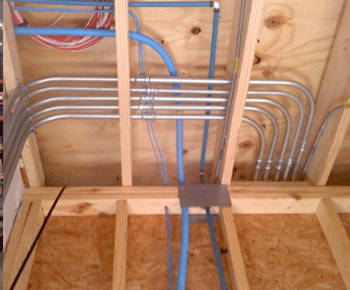
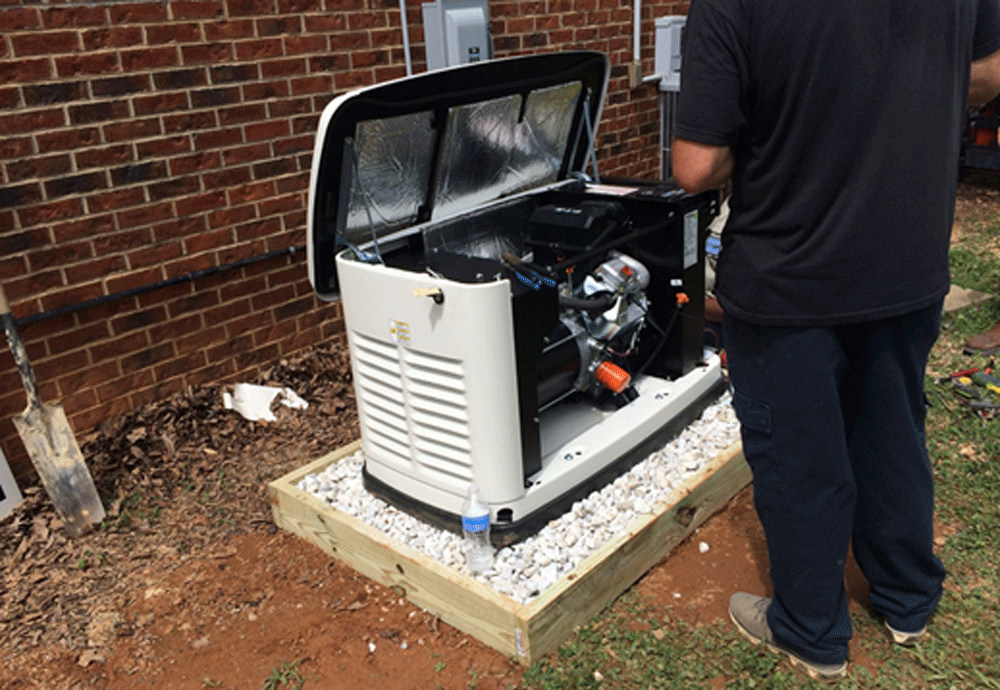
Whole Home Surge Protector Carrboro
Here’s what most people don’t realize: those power strips you’re using only protect what’s plugged into them. Your HVAC system, refrigerator, oven, water heater, and hardwired appliances? Completely exposed.
A whole home surge protector installs directly at your electrical panel and shields every single outlet in your house. That means when lightning strikes a power line three blocks away, or when Duke Energy switches grids, or when your AC unit cycles on and sends a voltage spike through your wiring, nothing gets fried.
You’re not just preventing the big, obvious disasters. You’re stopping the dozens of small surges that happen every week—the ones that slowly degrade your electronics until your TV stops turning on, your computer crashes, or your smart thermostat glitches out. Most homeowners don’t connect those failures to power surges. But that’s exactly what’s happening.
The difference is measurable. Appliances last longer. Electronics don’t fail unexpectedly. And you’re not stuck replacing a $6,000 HVAC control board because of a storm you didn’t even know happened.
Carrboro Surge Protection Installation Experts
We’ve been serving Carrboro and the surrounding Triangle area for over two decades. We started in new construction wiring, then shifted focus to what homeowners in Orange County actually needed—reliable electrical service when problems happen, not just when it’s convenient for the contractor.
Carrboro homes—especially the older bungalows near downtown and the mix of housing stock throughout the area—have different electrical demands than cookie-cutter subdivisions. Our electricians know the local codes, understand how North Carolina weather affects electrical systems, and have seen what happens when surge protection isn’t in place.
We use flat-rate pricing, so you know the cost before any work starts. Our trucks are fully stocked, our technicians show up in uniform, and we clean up when we’re done. You’re inviting us into your home. We take that seriously.
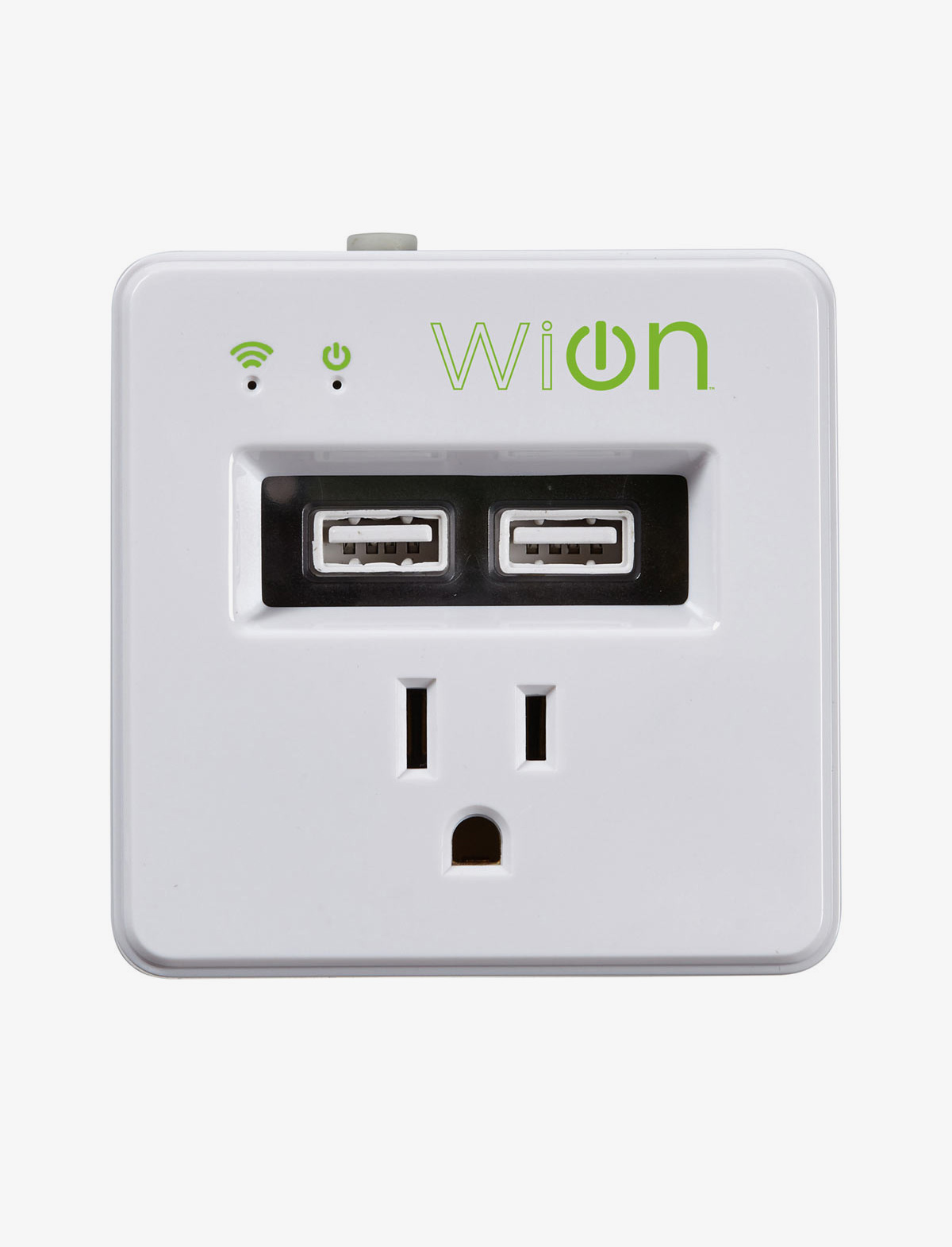
How Surge Protector Installation Works
First, one of our licensed electricians evaluates your electrical panel and grounding system. Whole home surge protection only works if your home’s grounding is solid—if it’s not, we’ll let you know what needs to happen before installation.
Next, we install the surge protection device directly at your main electrical panel. This is typically a Type 2 surge protector, which mounts inside or adjacent to your breaker box and protects all the circuits in your home. If your Carrboro home needs additional protection—say you’re in an area prone to direct lightning strikes—we might recommend a Type 1 device installed before the main breaker for an extra layer of defense.
The device itself works by detecting voltage spikes and diverting excess electricity into your home’s grounding wire before it reaches your outlets. It happens in milliseconds. You’ll never notice it working—you’ll just notice that your stuff keeps working.
Installation usually takes one to two hours, depending on your panel setup. Once it’s in, it’s protecting your home 24/7. We’ll test everything to make sure it’s functioning correctly, verify your system is up to code, and walk you through what we did.
Most whole home surge protectors last five to ten years, though they can wear out faster if they absorb frequent or large surges. We can check the status during routine electrical inspections.
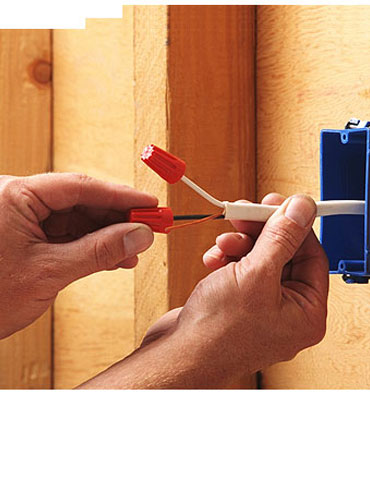
Residential Surge Protection Carrboro NC
When we install a whole house surge protector in Carrboro, you’re getting comprehensive protection for everything connected to your electrical system. That includes all your outlets, hardwired appliances, HVAC equipment, lighting systems, and any smart home devices wired into your panel.
Here’s what matters locally: Carrboro and the Triangle area get thunderstorms. Lightning doesn’t have to strike your house directly to send a massive surge through the power lines. It just has to hit somewhere on the grid. And when power gets restored after an outage—which happens more often than people think—that restoration process can create voltage spikes that fry unprotected electronics.
Internal surges are even more common. Every time your heat pump kicks on, your refrigerator compressor cycles, or you start up a power tool, there’s a brief spike in voltage. Over time, these small surges add up. Circuit boards degrade. Microprocessors fail. Your devices just stop working, and you assume they’re old. But really, they’ve been taking hits for years.
A residential surge protection device stops that. It’s installed once, works silently, and protects everything. The cost is typically a few hundred dollars for the unit and installation. Compare that to replacing a $4,000 HVAC system, a $2,500 refrigerator, a $1,200 TV, and a home office full of computers. The math isn’t complicated.
And here’s something most people don’t know: most homeowners insurance policies in North Carolina don’t cover power surge damage unless it’s caused by a direct lightning strike. Even then, coverage is limited. So if your surge comes from grid switching or an internal issue, you’re paying out of pocket.
How much does whole house surge protection cost in Carrboro?
For most homes in Carrboro, you’re looking at $200 to $800 total for the surge protection device and professional installation. The range depends on the type of protector you need and your electrical panel setup.
Type 2 surge protectors—the most common for residential use—typically cost $60 to $300 for the unit itself. Installation adds another $100 to $300 in labor, depending on how complex the job is. If your panel is older or your grounding system needs work, that can add to the cost.
Type 1 surge protectors, which install before your main breaker and offer the highest level of protection, run $100 to $500 for the unit, with installation bringing the total to $250 to $800. These are worth considering if you live in an area with frequent lightning strikes or if you have expensive equipment that absolutely cannot go down.
Here’s the thing: that one-time investment protects tens of thousands of dollars worth of appliances and electronics. A single lightning surge can cause $10,000+ in damage in a fraction of a second. We’ve seen it happen. The cost of protection is a fraction of the cost of replacement.
Do I really need a whole house surge protector if I use power strips?
Power strips only protect what’s plugged into them—and they don’t protect your most expensive equipment. Your HVAC system, refrigerator, oven, dishwasher, water heater, and anything else hardwired into your electrical system is completely exposed to power surges.
Those appliances often have sensitive electronic control boards that cost thousands to replace. A single voltage spike can fry them. And here’s what people don’t realize: even if you have power strips on your TV, computer, and other plug-in devices, a large enough surge can overwhelm a cheap power strip and destroy everything connected to it anyway.
Whole house surge protectors install at your main electrical panel and protect every circuit in your home. They stop surges before they reach your outlets. That means your HVAC is protected. Your smart refrigerator is protected. Your hardwired security system is protected. Everything.
And you still get the benefit of layered protection. A whole house device handles the big surges. Quality point-of-use surge protectors (not just cheap power strips) can handle any smaller surges that slip through, plus they protect against surges that originate inside your home from appliances cycling on and off.
If you’re only protecting a few devices with power strips, you’re leaving the most expensive parts of your home vulnerable.
What causes power surges in Carrboro homes?
Power surges in Carrboro come from both external and internal sources, and they happen more often than most homeowners realize. External surges are caused by lightning strikes, utility grid switching, downed power lines, or transformer malfunctions. You don’t need a direct lightning strike to your house—if lightning hits anywhere on the power grid, that surge can travel through the lines and into your home.
When Duke Energy or Piedmont Electric switches between power sources or restores power after an outage, that process can create voltage spikes. It’s not a flaw in the system—it’s just how electrical grids work. But those spikes can damage your electronics.
Internal surges are actually more common. They happen when high-powered appliances turn on and off. Your HVAC system, refrigerator, washing machine, dryer, and even power tools create brief voltage spikes when their motors or compressors kick in. These are usually small surges, but they happen dozens of times every day.
Over time, those small surges cause what electricians call “electronic rust”—gradual degradation of circuit boards and microprocessors. Your devices don’t fail all at once. They just slowly wear down until one day your TV won’t turn on, your computer crashes, or your HVAC control board stops working.
Faulty or outdated wiring can also cause surges. If your home has old wiring, loose connections, or inadequate grounding, you’re at higher risk. That’s why we check your electrical system before installing surge protection.
How long does a whole house surge protector last?
Most whole house surge protectors last five to ten years under normal conditions. But here’s the catch: they wear out faster if they absorb frequent or large surges. Every time the device stops a voltage spike, it’s doing its job—but it’s also using up some of its capacity.
Think of it like a sponge. Each surge the device absorbs takes up a little more space. Eventually, the sponge is full and can’t absorb anymore. At that point, the surge protector can’t protect against the next big surge.
Many modern surge protectors have indicator lights or alarms that signal when they need replacement. Some just stop working. That’s why it’s smart to have your surge protector checked during routine electrical inspections—especially after major storms or known power events.
If your area experiences a direct lightning strike or a significant power surge, it’s worth having an electrician check your surge protector even if the indicator light looks fine. A large surge can deplete the device’s capacity in one hit.
Replacement isn’t expensive compared to the protection you’re getting. And if your surge protector does its job and stops a major surge, you’ll be replacing a $300 device instead of $10,000 worth of appliances and electronics. That’s the whole point.
Can I install a whole house surge protector myself?
Technically, some homeowners with electrical experience attempt DIY installation of Type 2 surge protectors, which mount inside the main panel. But we don’t recommend it, and here’s why: working inside your electrical panel is dangerous, installation mistakes can create fire hazards or render the device useless, and most surge protector warranties only cover damage if a licensed electrician installs the device.
If the installation isn’t done correctly, your surge protector might not work when you need it. Worse, improper installation can create electrical hazards that put your home at risk. And if something does go wrong, your homeowners insurance might not cover it if the work wasn’t done by a licensed professional.
Type 1 surge protectors, which install before the main breaker, are even more complex and are illegal to install yourself in many areas. They require working with live electrical service lines, which is extremely dangerous without proper training and equipment.
Professional installation also ensures your home’s grounding system is adequate. Surge protectors divert excess voltage into the ground wire—if your grounding is faulty, the device won’t work properly. A licensed electrician will check that before installation and fix any issues.
Most installations take one to two hours and cost $100 to $300 in labor. That’s a small price for safety, code compliance, warranty protection, and peace of mind that the job was done right.
Does homeowners insurance cover power surge damage in North Carolina?
Most homeowners insurance policies in North Carolina provide limited coverage for power surge damage—and the coverage that exists usually only applies to direct lightning strikes. If a surge is caused by utility grid switching, internal appliance cycling, faulty wiring, or power restoration after an outage, you’re likely paying for replacements out of pocket.
Even when lightning damage is covered, there are often deductibles and coverage limits. Your policy might cover your electronics but not your HVAC system, or it might only cover a portion of the replacement cost. And many policies exclude damage to internal electronic components unless the surge was caused by a specific covered peril.
The bottom line: you can’t rely on insurance to protect you from surge damage. Prevention is far more cost-effective than filing a claim and paying a deductible—assuming your claim is even covered.
That’s why whole house surge protection makes financial sense. You’re spending a few hundred dollars once to protect tens of thousands of dollars worth of equipment. And you’re avoiding the hassle of filing claims, replacing multiple devices at once, and dealing with the disruption of having critical systems go down.
Some insurance companies even offer discounts on premiums if you have whole house surge protection installed. It’s worth asking your provider.
About Us

Electrical Service Providers (ESP) has been in business since 2002. ESP started out performing wiring services to new construction, remodeling projects and residential homes. Our company’s president identified a market for electrical services to be performed in homes and businesses independent of new construction. Read More about Electrical Service Providers>>
All Rights Reserved.Organic Marketing LLC
Business Listings


Product Brands Used
Allied, Broan, Cutler Hammer, General Electric, Ideal, Juno, Kohler, Leviton, Lutron, Siemens, Square D
Contact
- Office Address: 3254 S Anthony Ct.
Burlington, NC 27215 - Mailing Address: PO Box 25
Alamance, NC 27201 - Phone: 336-228-3300
- E-mail: [email protected], [email protected]
Service Areas
Chapel Hill, Burlington, Carrboro, Durham, Gibsonville, Hillsborough, Graham, Pittsboro, Morrisville, Cary
About Us
Electrical Service Providers (ESP) has been in business since 2002. ESP started out performing wiring services to new construction, remodeling projects and residential homes. Our company’s president identified a market for electrical services to be performed in homes and businesses independent of new construction. Read More about Electrical Service Providers>>
All Rights Reserved.Organic Marketing LLC