Surge Protection in Fearrington Village, NC
Your Electronics Aren't Covered—Until They Are
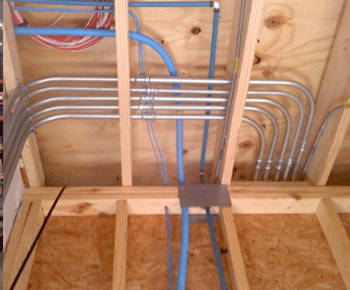
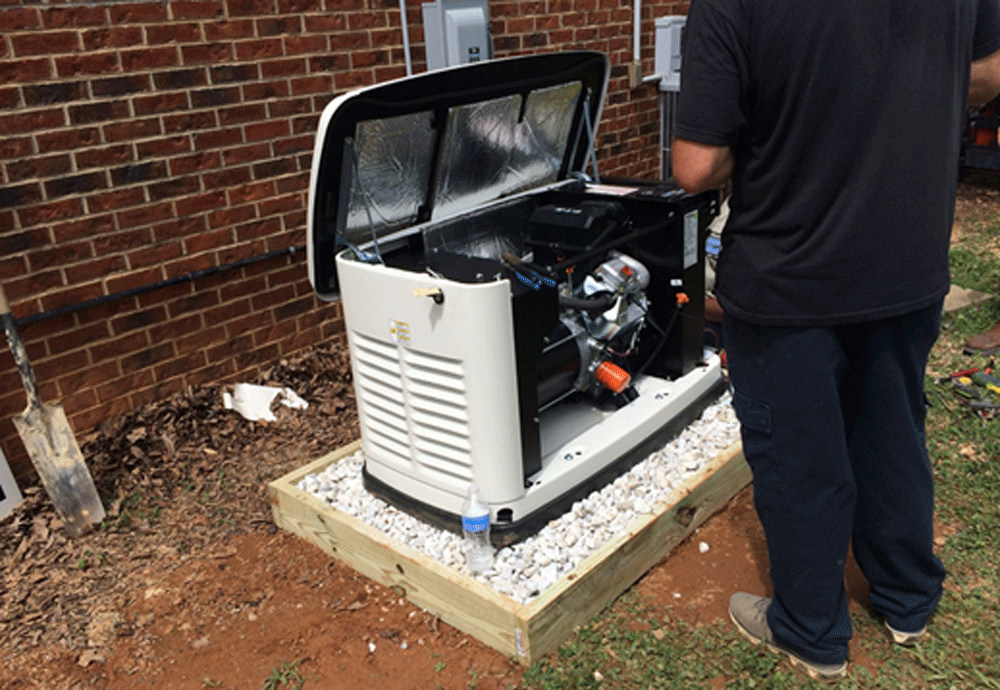
Whole Home Surge Protector Services
You’re not just protecting what’s plugged into a power strip. A whole home surge protector installed at your electrical panel shields your HVAC system, refrigerator, security system, hardwired appliances, and every outlet in your home from voltage spikes that can happen dozens of times a year.
Most people don’t realize how often surges occur. Eighty percent of them start inside your home—when your air conditioner kicks on, when the refrigerator compressor cycles, when the power flickers back on after an outage. These aren’t always dramatic events. They’re small, repeated hits that slowly degrade circuit boards and shorten the lifespan of everything electronic in your house.
The ones that do make themselves known—lightning strikes, transformer issues, utility work—can fry your system in a fraction of a second. And here’s the part that catches people off guard: most homeowners insurance won’t cover the damage. You’re looking at replacing a $6,000 HVAC unit, a $3,000 smart refrigerator, and potentially $8,000 in electrical wiring repairs, all out of pocket. A surge protector costs a few hundred dollars and handles all of it before it becomes your problem.
Surge Protection Installation Fearrington Village
We’ve been serving Fearrington Village and the surrounding North Chatham County area for over two decades. We started with new construction wiring and quickly recognized that homeowners needed reliable electrical service outside of building projects—service they could count on when something goes wrong or when they want to protect what they’ve built.
Fearrington Village isn’t your average neighborhood. The homes here represent significant investments, often filled with high-end appliances, smart home systems, and the kind of electronics that don’t come cheap. When you’re managing a household on a fixed income or you’ve put years into making your home exactly what you want it to be, the last thing you need is a preventable disaster wiping out thousands of dollars in equipment.
That’s why transparency matters. We use flat-rate pricing so you know what you’re paying before any work starts. Our technicians show up in uniform, in fully stocked trucks, and we clean up when we’re done. You’re inviting someone into your home—it should feel like the professional experience it is.
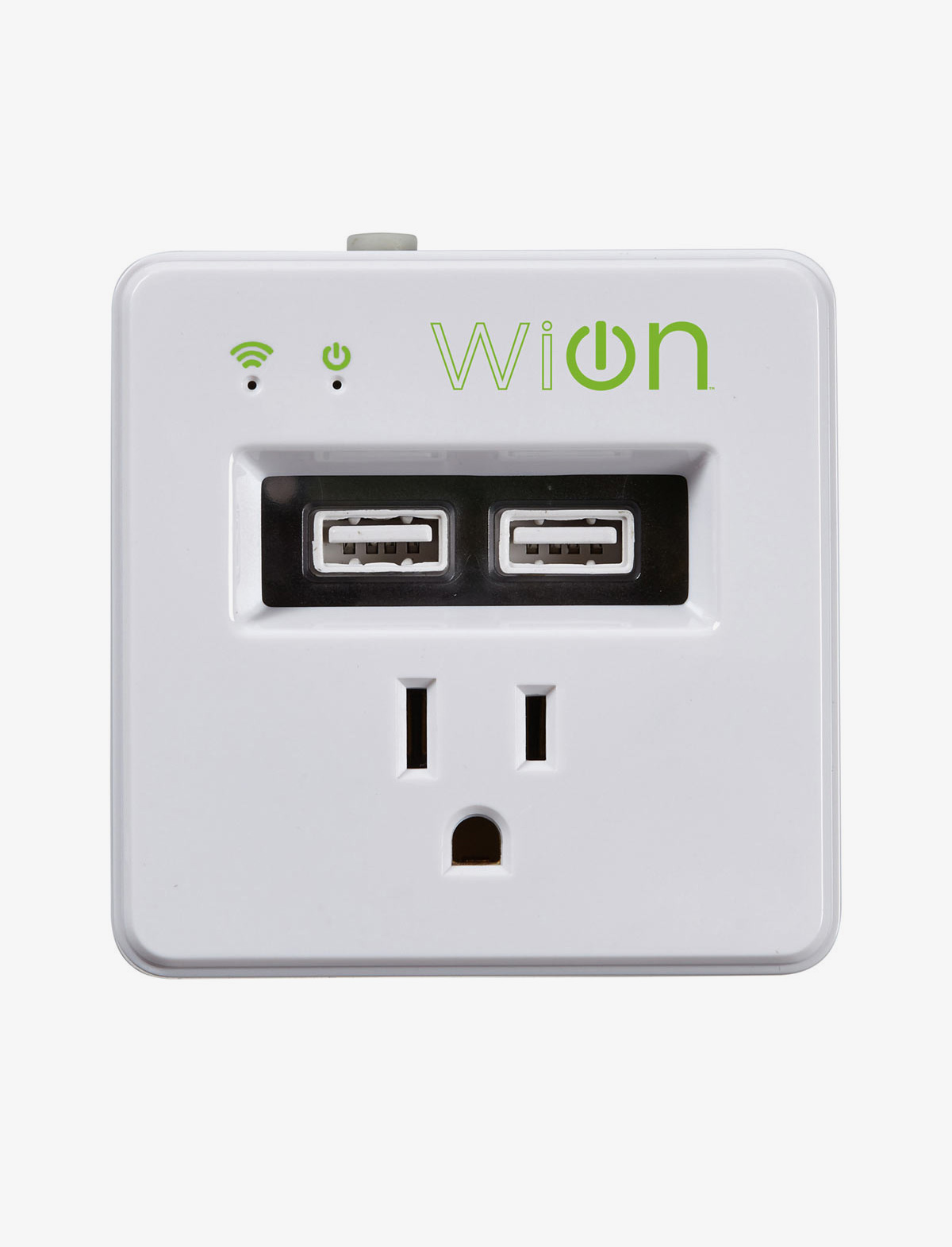
How Surge Protection Devices Work
A whole home surge protector gets installed directly at your main electrical panel. This is where all the power entering your home flows through, which makes it the ideal place to catch surges before they spread through your wiring. The device monitors voltage constantly, and when it detects a spike—whether from a lightning strike two miles away or your washing machine turning off—it diverts that excess electricity safely into the ground. Your appliances never see it.
The installation itself takes about one to two hours. A licensed electrician will assess your panel, confirm your home’s grounding system is up to code, and mount the surge protection device. Most residential systems use what’s called a Type 2 surge protector, which handles both external surges (like those from storms or utility grid switching) and internal surges from your own appliances. If your panel is older or you’re adding this as part of a broader electrical upgrade, that might add time, but the core installation is straightforward.
Once it’s in, the device works automatically. You don’t have to think about it. There’s no maintenance beyond occasional checks to make sure it’s still functioning, and most units last five to ten years depending on how many surges they absorb. Many come with indicator lights that let you know when they’re protecting your home and when it might be time for a replacement. And because a licensed electrician installed it, your warranty stays intact—which matters if you ever need to file a claim for connected equipment coverage.
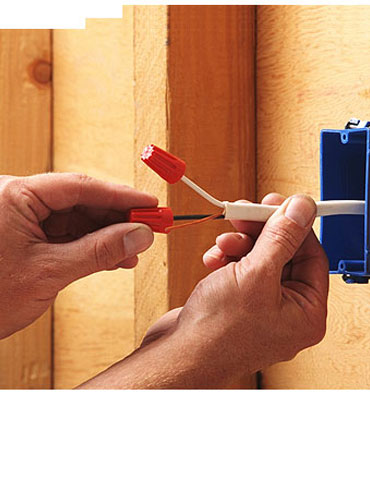
Residential Surge Protection Fearrington Village
When you have a whole home surge protector installed, you’re getting comprehensive coverage for everything connected to your electrical system. That includes your HVAC system, water heater, garage door opener, built-in appliances, lighting, ceiling fans, and every outlet in the house. Unlike point-of-use surge protectors that only cover what’s plugged directly into them, this protects the entire infrastructure.
For Fearrington Village homeowners, this matters more than it might elsewhere. The homes here tend to have higher-end systems—programmable thermostats, smart refrigerators, advanced security setups, medical equipment for aging in place. These aren’t items you can easily replace, and they’re exactly the kind of sensitive electronics that voltage spikes damage first. A surge protector acts as a filter, letting safe current through and blocking anything that exceeds normal operating voltage.
North Carolina’s weather plays a role too. Thunderstorms are common, especially in spring and summer, and even a nearby lightning strike can send voltage surging through power lines. But it’s not just storms. When Duke Energy does maintenance work or switches between power sources on the grid, that can create fluctuations. When your neighbor’s transformer blows, same thing. And every time your power goes out and comes back on—whether from a planned outage or a downed line—there’s a surge when electricity is restored. These events add up over the years, and without protection, your equipment takes the hit every single time.
The cost to install a whole home surge protector typically runs between $200 and $800 depending on the unit and your electrical setup. Compare that to replacing a damaged HVAC system ($5,000 to $15,000), a high-end refrigerator ($3,000+), or rewiring portions of your home after a major surge ($8,000+). It’s not just about avoiding one catastrophic event—it’s about preventing the slow, invisible damage that shortens the life of everything you own.
Do I really need a whole home surge protector if I already use power strips?
Power strips only protect what’s plugged into them, and most people don’t realize how much of their home isn’t covered. Your HVAC system, water heater, hardwired appliances, garage door opener, and everything built into your electrical system has no protection from a standard power strip. Those are often the most expensive items to replace.
Whole home surge protectors work at the electrical panel level, which means they stop surges before they ever reach your outlets. They handle both the big external surges—like lightning strikes or utility grid issues—and the internal surges caused by your own appliances cycling on and off. Power strips are a good second layer of defense for your most sensitive electronics, but they’re not a substitute for whole-home protection. Think of it as covering your bases: the whole-home unit handles the heavy lifting, and point-of-use protectors add extra insurance for computers, TVs, and other high-value devices.
If you’re in Fearrington Village, where homes tend to have significant investments in smart systems and high-end appliances, relying solely on power strips leaves too much exposed. One major surge can bypass those entirely and cost you thousands in equipment you thought was safe.
How often do power surges actually happen, and would I even know if one occurred?
Power surges happen far more often than most people realize—potentially dozens of times a year in a typical home. About 80% of them originate inside your house from everyday activities like your air conditioner turning on, your refrigerator compressor cycling, or your dryer starting up. These internal surges are usually small, and you won’t notice them happening. But over time, they cause what’s called “electronic rust”—gradual degradation of circuit boards and components that eventually leads to equipment failure.
The external surges are the ones that get attention. Lightning strikes, even from miles away, can send voltage spikes through power lines. Utility companies switching between power sources, transformer malfunctions, and power restoration after outages all create surges. You might see your lights flicker, notice your digital clocks blinking, or hear a brief hum from your outlets. Sometimes a circuit breaker trips. But often, the damage happens silently, and you don’t realize it until your microwave stops working six months later or your HVAC system fails prematurely.
That’s the insidious part—you can experience surge damage without ever knowing a surge occurred. Your TV might work fine for another year before the internal components finally give out. Your washing machine’s control board might degrade slowly until one day it just won’t turn on. A whole home surge protector prevents that wear and tear from happening in the first place, which is why it’s considered preventive maintenance rather than reactive repair.
What's the actual cost to install a whole home surge protector in Fearrington Village?
The total cost typically ranges from $200 to $800, which includes both the surge protection device and professional installation by a licensed electrician. The device itself usually costs between $50 and $250 for a Type 2 surge protector, which is the most common for residential applications. Installation labor generally runs $100 to $200 and takes about one to two hours.
Several factors can affect the final price. If your electrical panel is older or needs upgrading to support the surge protector, that adds cost—potentially $500 to $2,000 for a panel upgrade. If your home’s grounding system isn’t up to code, that needs to be addressed first. And if you opt for a higher-capacity unit with better surge ratings or extended warranty coverage, the device cost goes up accordingly.
Here’s the important part: that $200 to $800 investment protects against losses that can easily run $10,000 to $20,000 or more. A single lightning strike can destroy your HVAC system, fry your refrigerator, damage your home’s wiring, and take out multiple electronics in one event. Most homeowners insurance policies don’t cover surge damage unless it’s caused by a direct lightning strike to your home, and even then, coverage varies. You’re essentially paying a few hundred dollars now to avoid a potential five-figure bill later. For Fearrington Village homeowners with high-value properties and expensive systems, it’s one of the most cost-effective protective measures you can take.
Will a surge protector actually stop lightning from damaging my home?
A whole home surge protector significantly reduces the risk of damage from lightning, but it’s not a guarantee against every possible scenario. If lightning strikes your home directly, the voltage can be so extreme—potentially millions of volts—that even the best surge protector may not be able to handle it. That said, direct strikes to homes are rare. Most lightning-related surges come from strikes to nearby power lines, transformers, or the ground around your property, and those are well within the range that surge protectors are designed to manage.
What the surge protector does is detect the voltage spike and divert the excess electricity into your home’s grounding system before it can flow through your wiring and reach your appliances. It reacts in nanoseconds, which is fast enough to prevent damage in the vast majority of cases. For added protection, your home should have a proper grounding rod and grounding wire at the electrical panel—this is what allows the surge protector to safely discharge that excess voltage into the earth.
The reality is that while no surge protector is 100% foolproof against a direct lightning strike, they’re extremely effective at handling the types of surges homeowners actually face. That includes not just lightning, but also utility grid fluctuations, power restoration surges, and internal surges from appliances. In North Carolina, where thunderstorms are common, having that layer of protection makes a measurable difference in preventing costly damage. And if you live in Fearrington Village, where homes often contain tens of thousands of dollars in electronics and smart systems, it’s a risk mitigation strategy that pays for itself the first time it stops a surge from reaching your equipment.
How long does a whole home surge protector last, and how will I know when it needs to be replaced?
Most whole home surge protectors last between five and ten years, but that lifespan depends heavily on how many surges they absorb during that time. Every time the device diverts excess voltage, it uses up a bit of its capacity. If you live in an area with frequent lightning storms or unstable power, the unit will degrade faster than it would in a location with fewer surges. Eventually, the internal components—usually metal oxide varistors, or MOVs—wear out, and the device stops providing protection.
The good news is that most modern surge protectors come with indicator lights or diagnostic features that let you know when they’re still functioning. A green light typically means the unit is working properly. If that light turns red, goes out, or if the device emits an audible alarm, it’s time for a replacement. Some higher-end models even include real-time monitoring that alerts you when the surge protector has reached its capacity or when your electrical system is operating under risky conditions.
It’s worth having a licensed electrician inspect your surge protector periodically—ideally during routine electrical maintenance or when you’re having other work done. They can verify that it’s still operational and that your home’s grounding system is intact. Replacing a surge protector every five to ten years is a small, predictable cost compared to the alternative of leaving your home unprotected. And because installation is straightforward, swapping out an old unit for a new one doesn’t require major work or disruption. For Fearrington Village homeowners who’ve invested heavily in their properties, staying on top of this maintenance is just smart risk management.
Can I install a whole home surge protector myself, or do I need to hire an electrician?
You need a licensed electrician to install a whole home surge protector. This isn’t a DIY project, even if you’re comfortable with basic electrical work. The device gets hardwired directly into your main electrical panel, which means you’re working with high voltage and your home’s primary power source. One mistake can result in electrical shock, fire, damage to your electrical system, or injury. Beyond the safety risk, improper installation can void the manufacturer’s warranty, which often includes coverage for connected equipment—sometimes up to $100,000 if your electronics get damaged despite the surge protector being in place.
A licensed electrician knows how to assess your panel, confirm that your grounding system meets code requirements, and install the surge protector correctly so it actually functions as intended. They’ll also make sure the device is compatible with your home’s electrical setup and that it’s rated for the appropriate surge capacity. In some cases, older panels may need upgrades or your grounding system may need work before the surge protector can be installed safely. An electrician can identify and address those issues on the spot.
The installation typically takes one to two hours and costs between $100 and $200 in labor. That’s a small price to pay for the peace of mind that the job was done right, that your warranty is valid, and that your home is actually protected. For Fearrington Village residents, where homes are valuable and electrical systems often support high-end appliances and smart technology, cutting corners on installation isn’t worth the risk. Hire a professional, get it done correctly, and know that your investment is secure.
About Us

Electrical Service Providers (ESP) has been in business since 2002. ESP started out performing wiring services to new construction, remodeling projects and residential homes. Our company’s president identified a market for electrical services to be performed in homes and businesses independent of new construction. Read More about Electrical Service Providers>>
All Rights Reserved.Organic Marketing LLC
Business Listings


Product Brands Used
Allied, Broan, Cutler Hammer, General Electric, Ideal, Juno, Kohler, Leviton, Lutron, Siemens, Square D
Contact
- Office Address: 3254 S Anthony Ct.
Burlington, NC 27215 - Mailing Address: PO Box 25
Alamance, NC 27201 - Phone: 336-228-3300
- E-mail: [email protected], [email protected]
Service Areas
Chapel Hill, Burlington, Carrboro, Durham, Gibsonville, Hillsborough, Graham, Pittsboro, Morrisville, Cary
About Us
Electrical Service Providers (ESP) has been in business since 2002. ESP started out performing wiring services to new construction, remodeling projects and residential homes. Our company’s president identified a market for electrical services to be performed in homes and businesses independent of new construction. Read More about Electrical Service Providers>>
All Rights Reserved.Organic Marketing LLC