Surge Protection in Governors Club, NC
Your Electronics Are Under Attack Every Day
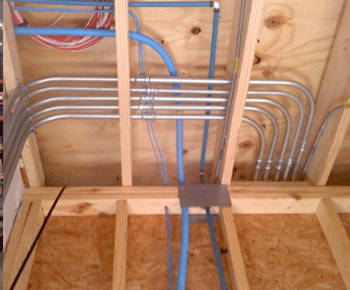
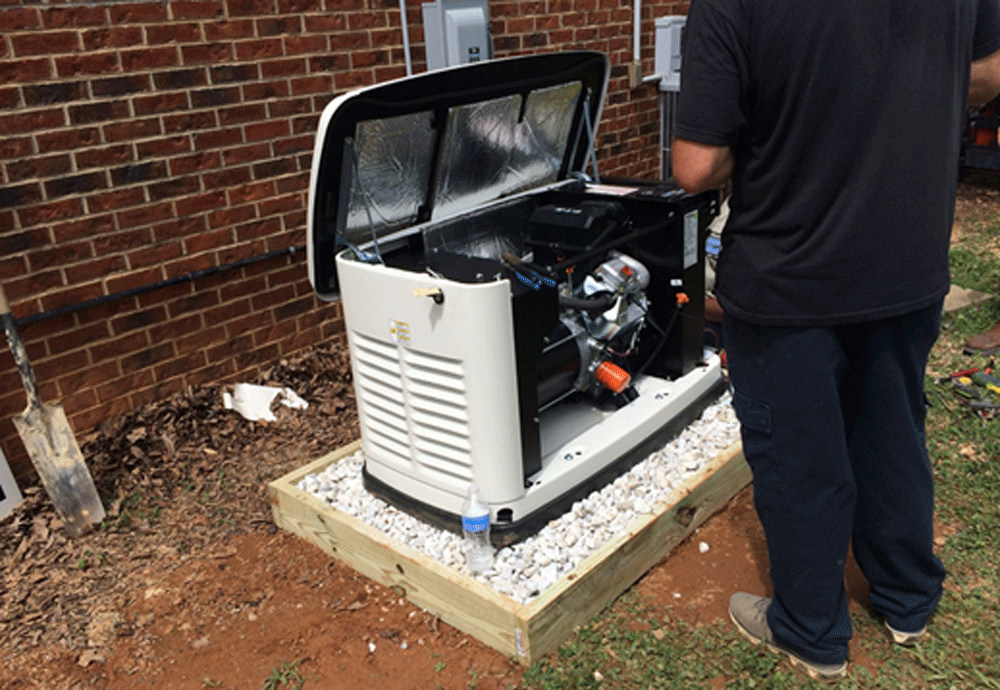
Whole Home Surge Protector Installation
You stop worrying every time the lights flicker. Your expensive electronics stay safe during storms, and those small daily surges that slowly kill appliances become a thing of the past.
Your refrigerator, HVAC system, computers, and smart home devices all keep running smoothly. No more replacing fried equipment or dealing with insurance claims that take weeks to process while you’re stuck without air conditioning.
The peace of mind alone is worth it. You’ll sleep better knowing that lightning strike won’t wipe out everything plugged into your walls.
Licensed Electricians Governors Club, NC
ESP Electrical Service Providers has served the Governors Club area and surrounding Triangle communities for over two decades. Our master electrician Andy Helton brings 35+ years of electrical experience to every job.
We understand the unique challenges North Carolina homeowners face. The frequent spring and summer storms, the power grid fluctuations, and the reality that most insurance policies won’t cover surge damage.
That’s why we use flat-rate pricing and arrive in fully stocked trucks. You know the cost upfront, and we don’t leave until the job is done right.
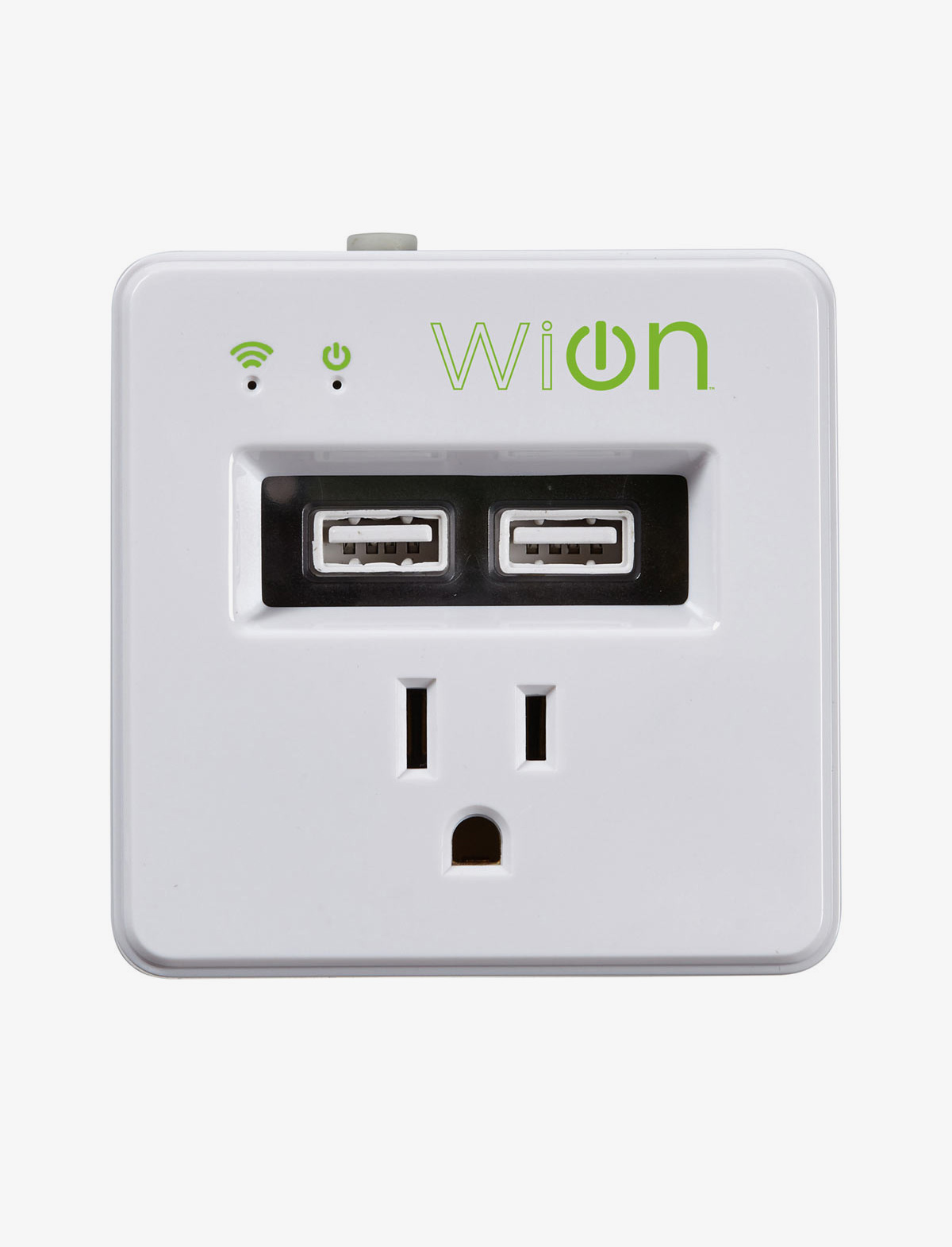
Surge Protection Device Installation Process
First, we inspect your electrical panel to determine the right surge protection device for your home’s specific needs. Not all surge protectors are created equal, and we match the protection level to your home’s electrical system.
Next, we install the whole house surge protector directly into your main electrical panel. This takes about an hour and requires turning off power briefly. The device connects between your electrical service and your home’s circuits.
Once installed, the surge protector monitors incoming electricity 24/7. When a surge occurs—whether from lightning, grid switching, or large appliances cycling—it instantly diverts the excess voltage safely to ground before it can reach your outlets and damage your equipment.
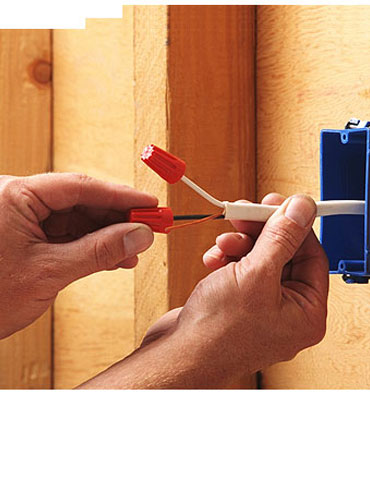
Residential Surge Protection Governors Club
Governors Club sits in North Carolina’s storm corridor, where lightning strikes are frequent during spring and summer months. The area’s newer construction means sensitive electronics in every room—smart thermostats, security systems, entertainment centers, and high-efficiency appliances.
These devices cost thousands to replace, and they’re getting more sensitive to power fluctuations every year. Even small surges from the electrical grid or internal sources slowly degrade circuit boards and microprocessors.
The 2020 National Electrical Code now requires surge protection in all new homes because the problem has become so widespread. Don’t wait for a surge to destroy your investment—60-80% of damaging surges actually come from inside your home when large appliances turn on and off.
How much does whole house surge protection cost in Governors Club?
Installation typically runs between $500-$700 per electrical panel, depending on your home’s setup and the surge protector we recommend. Most homes have one main panel, but some larger homes or those with additions may have subpanels that need protection too.
The cost includes the surge protection device itself, professional installation, and testing to ensure everything works properly. We use flat-rate pricing, so you’ll know the exact cost before we start any work.
This investment typically pays for itself the first time it prevents surge damage. Consider that replacing a high-end refrigerator, HVAC system, or entertainment center can easily cost more than surge protection for your entire home.
Will surge protection work during a direct lightning strike?
Whole house surge protectors protect against 99% of all surges, but a direct lightning strike to your home is the exception. Nothing man-made can fully protect against that level of electrical energy.
However, direct strikes to homes are extremely rare. Most lightning-related damage comes from strikes to nearby power lines or the electrical grid, which create surges that travel through the power lines to your home. This is exactly what whole house surge protection is designed to handle.
The surge protector also shields you from the much more common internal surges caused by large appliances, HVAC systems, and daily power grid fluctuations that slowly damage electronics over time.
How long do whole house surge protectors last?
Most quality surge protectors work effectively for 2-3 years under normal conditions. They gradually wear down from absorbing small daily surges that you don’t even notice—voltage spikes from appliances cycling, grid switching, and minor power fluctuations.
The surge protectors we install come with indicator lights that show when they’re working properly and when they need replacement. We also provide 10-year manufacturer warranties on the devices we use.
After a major surge event, like a nearby lightning strike, the protector may need immediate replacement even if it appears to be working. That’s actually a good thing—it means the device did its job and sacrificed itself to protect your expensive appliances and electronics.
Can I install a whole house surge protector myself?
No, whole house surge protectors must be installed by a licensed electrician. The installation requires working inside your main electrical panel with live wires and making connections that affect your entire home’s electrical system.
Improper installation can create fire hazards, electrical shock risks, or render the surge protection ineffective when you need it most. Many manufacturer warranties also require professional installation to remain valid.
The installation typically takes about an hour and involves temporarily shutting off power to your home. Our licensed electricians have the training and equipment to do this safely while ensuring the surge protector integrates properly with your electrical system.
Do I still need plug-in surge protectors after whole house installation?
Whole house surge protection handles the big surges that could destroy multiple appliances at once, but plug-in surge protectors can provide an additional layer of defense for your most sensitive electronics.
Think of it as a two-stage system. The whole house protector stops large surges at the electrical panel, while point-of-use protectors handle any smaller surges that might get through or originate from within your home’s wiring.
This layered approach gives maximum protection to expensive equipment like computers, gaming systems, and home theater components. However, the whole house system alone provides comprehensive protection for all your major appliances and built-in systems.
What causes power surges in North Carolina homes?
Lightning is the most obvious cause, especially during our frequent spring and summer storms, but it’s not the most common. About 60-80% of damaging surges actually come from inside your home when large appliances like air conditioners, heat pumps, or electric water heaters turn on and off.
External causes include utility grid switching, transformer problems, downed power lines, and power restoration after outages. Even construction work in your neighborhood can cause surges as crews work on electrical systems.
The power grid itself creates small surges throughout the day as demand fluctuates. These minor surges don’t cause immediate damage, but they gradually wear down the sensitive electronics in modern appliances, shortening their lifespan and leading to unexpected failures.
About Us

Electrical Service Providers (ESP) has been in business since 2002. ESP started out performing wiring services to new construction, remodeling projects and residential homes. Our company’s president identified a market for electrical services to be performed in homes and businesses independent of new construction. Read More about Electrical Service Providers>>
All Rights Reserved.Organic Marketing LLC
Business Listings


Product Brands Used
Allied, Broan, Cutler Hammer, General Electric, Ideal, Juno, Kohler, Leviton, Lutron, Siemens, Square D
Contact
- Office Address: 3254 S Anthony Ct.
Burlington, NC 27215 - Mailing Address: PO Box 25
Alamance, NC 27201 - Phone: 336-228-3300
- E-mail: [email protected], [email protected]
Service Areas
Chapel Hill, Burlington, Carrboro, Durham, Gibsonville, Hillsborough, Graham, Pittsboro, Morrisville, Cary
About Us
Electrical Service Providers (ESP) has been in business since 2002. ESP started out performing wiring services to new construction, remodeling projects and residential homes. Our company’s president identified a market for electrical services to be performed in homes and businesses independent of new construction. Read More about Electrical Service Providers>>
All Rights Reserved.Organic Marketing LLC