Surge Protection in Groometown, NC
Stop Replacing Electronics. Start Protecting Them.
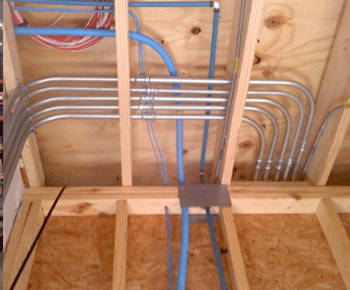
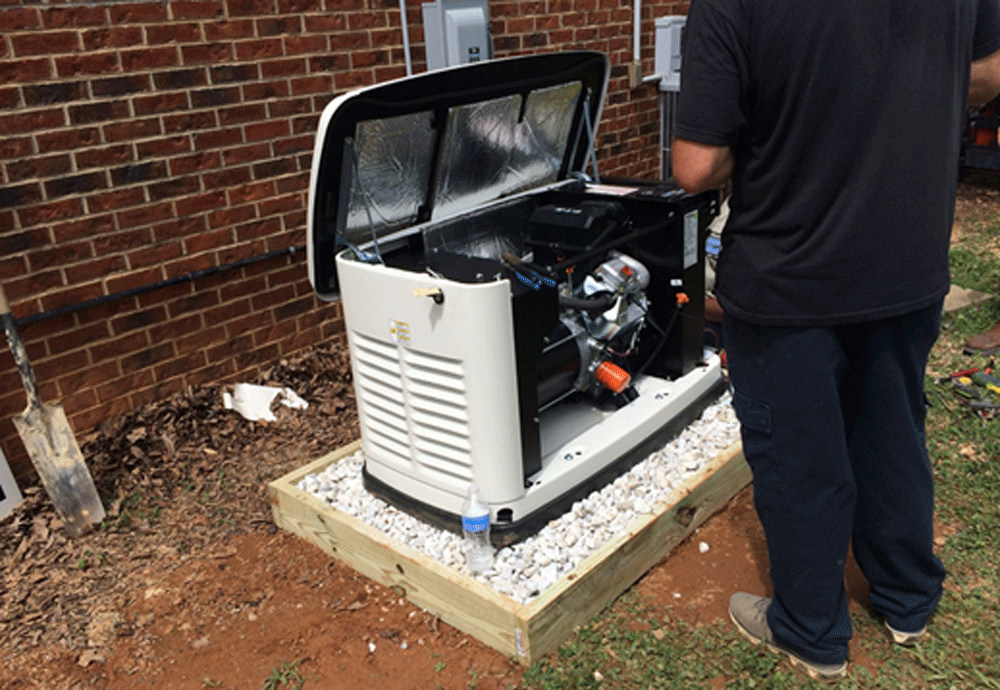
Whole Home Surge Protector Installation Groometown
You stop worrying every time a storm rolls through. Your appliances last longer because they’re not getting hit with dozens of small surges every month. And when lightning does strike nearby—or the power company switches loads—your electrical panel diverts that excess voltage to the ground before it ever reaches your refrigerator, TV, or HVAC system.
Here’s what most people don’t realize: your home experiences power surges constantly. Not just during thunderstorms. Every time your AC kicks on, your dryer cycles, or the grid fluctuates, you’re getting small voltage spikes. Over time, those add up and quietly destroy the electronics you depend on.
A whole home surge protector installed at your electrical panel stops that. It’s one device that protects everything—not just what’s plugged into a power strip, but the hard-wired stuff too. The things that cost thousands to replace.
Surge Protection Electrician Groometown NC
We’ve been serving Groometown and the surrounding North Carolina counties for over 20 years. We started in new construction, then shifted focus when we realized homeowners needed reliable electrical service without the runaround.
What that means for you: licensed electricians who show up on time, explain what we’re doing, and don’t leave until the job’s done right. Flat-rate pricing, so you know the cost before any work starts. And a lifetime warranty (up to 25 years) on labor, because we stand behind what we install.
Groometown’s storms aren’t getting any less frequent. Your home’s electronics aren’t getting any cheaper. We install surge protection devices from brands like Siemens, Square D, and General Electric—equipment built to handle North Carolina’s weather and your home’s electrical demands.
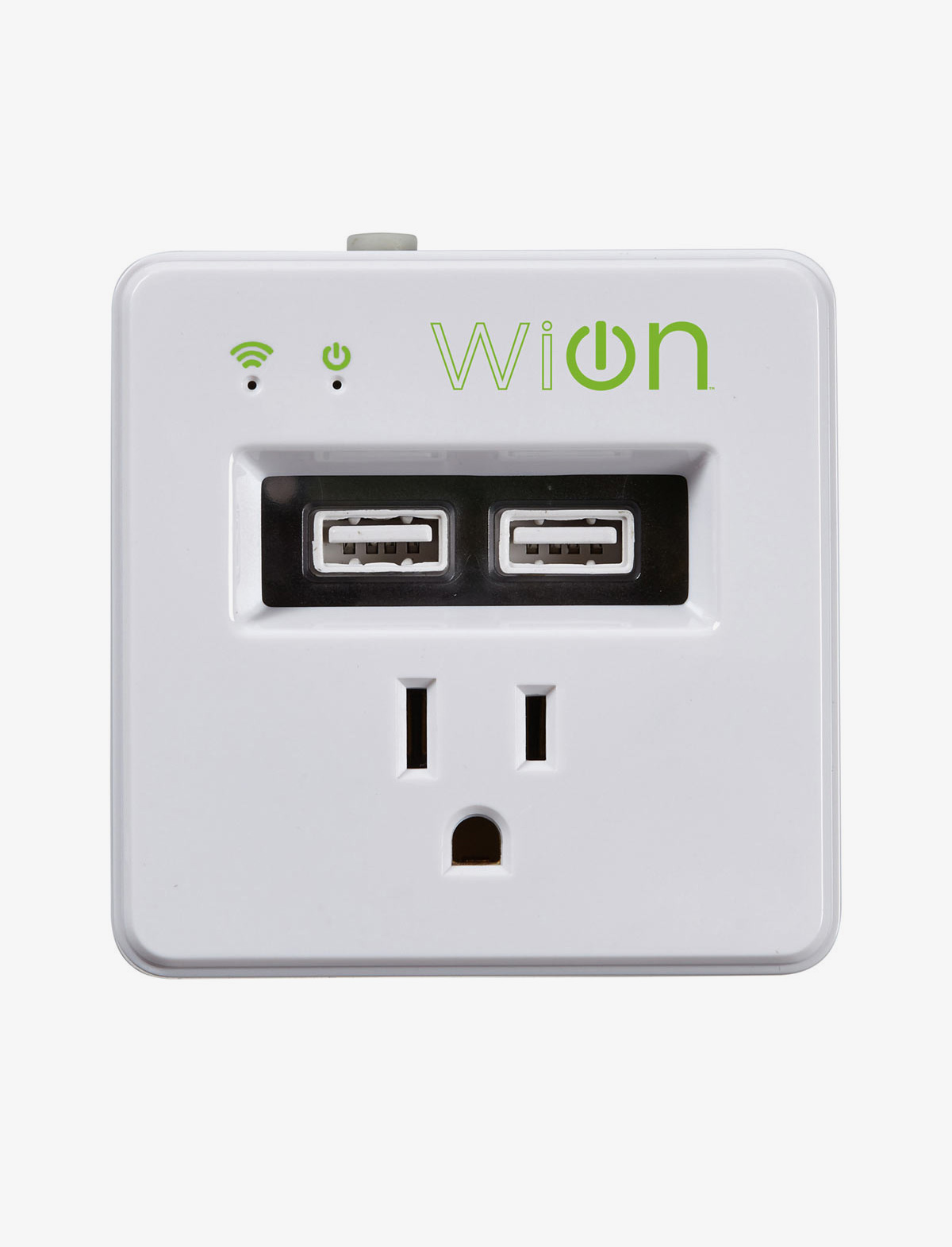
How Surge Protector Installation Works
First, a licensed electrician evaluates your electrical panel and grounding system. Proper grounding is critical—without it, a surge protector can’t do its job. If your panel or grounding needs work, you’ll know upfront.
Next, we install the surge protection device directly at your main electrical panel. This is a Type 2 surge protector, the most common for residential homes. It mounts inside or near the panel and connects to your home’s electrical system. The device monitors voltage constantly, and when it detects a spike, it redirects that excess electricity to the ground in less than a nanosecond.
Once installed, the surge protector works automatically. Most units have indicator lights so you can see at a glance that it’s functioning. We’ll explain what to watch for and when the device might need servicing or replacement (typically every 3-5 years, depending on how many surges it absorbs).
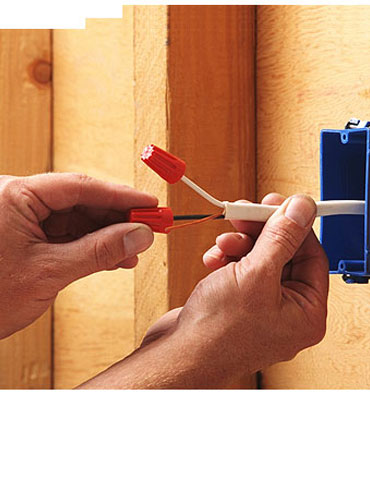
Residential Surge Protection Groometown NC
A whole home surge protector installed at your electrical panel protects every outlet, every appliance, and every piece of equipment connected to your home’s electrical system. That includes your HVAC, water heater, refrigerator, washer, dryer, and all the electronics you’ve plugged in throughout the house.
In Groometown and across North Carolina, homes face frequent thunderstorms—especially during spring and summer. Lightning is the obvious threat, but it’s not the only one. Power company switching, downed lines, and even your neighbor’s electrical issues can send surges into your home. Internal surges from your own appliances cycling on and off happen constantly, wearing down sensitive electronics over time.
The device itself is rated to handle surges up to 40,000 amps or more, which is higher than most lightning strikes. It clamps excess voltage and diverts it safely to ground, preventing it from entering your wiring. You’re not just protecting individual devices—you’re protecting the entire electrical infrastructure of your home, reducing the risk of fires, damaged wiring, and fried circuit boards.
Most homeowner insurance policies don’t cover surge damage unless it’s from a direct lightning strike, and even then, coverage is limited. Installing surge protection is a one-time investment that typically costs a few hundred dollars—far less than replacing a single major appliance or dealing with electrical system repairs.
Do I really need a whole home surge protector if I use power strips?
Power strips only protect what’s plugged into them. They do nothing for hard-wired appliances like your HVAC system, water heater, refrigerator, or anything else directly connected to your electrical panel. Those are often the most expensive items in your home to replace.
Even for the devices you do plug into power strips, most people don’t use high-quality surge protectors throughout their entire home. And those strips wear out over time without you knowing. A whole home surge protector installed at your electrical panel gives you a baseline level of protection for everything in your house, and it works 24/7 whether you’re home or not.
The best approach is layered protection: a whole home surge protector as your first line of defense, plus point-of-use surge protectors for sensitive electronics like computers and home theater equipment. That way, anything that gets past the whole-home device gets caught by the second layer.
How much does surge protection installation cost in Groometown?
For a professionally installed whole home surge protector, you’re typically looking at $200 to $800 total, depending on the device you choose and your home’s electrical setup. The surge protection device itself usually runs $100 to $400, and installation by a licensed electrician adds another $100 to $300.
That might sound like a lot until you consider what you’re protecting. A new HVAC system costs $5,000 to $10,000. A refrigerator runs $1,000 to $3,000. If a major surge takes out multiple appliances at once, you’re looking at tens of thousands in replacement costs—and most homeowner insurance won’t cover it unless it’s a direct lightning strike.
We use flat-rate pricing, so you’ll know the exact cost before any work starts. No surprises, no hidden fees. And the installation comes with a lifetime warranty on labor (up to 25 years), which tells you something about how confident we are in the work.
How long does a surge protector last?
Most whole home surge protectors last 3 to 5 years, but that depends on how many surges they absorb. Every time the device stops a power surge, it uses up some of its capacity. Think of it like a sponge—it can only absorb so much before it’s full.
Quality surge protectors have indicator lights that show when the device is working and when it’s reached the end of its useful life. Some units will automatically shut off when they can no longer provide protection, which prevents you from thinking you’re protected when you’re not.
If your area gets hit with a major lightning strike or you notice the indicator light has changed, it’s time to have an electrician check the device. Regular surges from everyday use also wear it down gradually. The good news is that replacing a surge protector is straightforward and far cheaper than dealing with surge damage to your home’s electrical system and appliances.
Will a whole home surge protector protect against lightning?
A whole home surge protector significantly reduces the risk of damage from lightning-induced power surges, but it’s not a guarantee against direct strikes. If lightning hits your home directly, no surge protector can fully stop that level of energy. However, direct strikes are rare.
What’s far more common—and what surge protectors are very effective against—are indirect lightning strikes. When lightning hits nearby power lines or the ground near your home, it sends a surge through the electrical grid into your house. A quality surge protector can handle these surges, which can still reach tens of thousands of volts.
The device is rated to divert surges up to 40,000 amps or more to ground, which is higher than most indirect lightning events. It also protects against the other causes of power surges: utility switching, downed power lines, and internal surges from your own appliances. For most homeowners in Groometown, that’s where the real value is—constant protection from the everyday surges that gradually destroy electronics.
Can I install a surge protector myself?
No. Whole home surge protectors must be installed by a licensed electrician. They connect directly to your main electrical panel, which means you’re working with live electrical current at high voltage. Doing it wrong can result in electrical shock, fire, or a surge protector that doesn’t work when you need it.
Beyond the safety risk, improper installation can void the manufacturer’s warranty and may violate local building codes. Many surge protector warranties require professional installation to remain valid. If something goes wrong and you didn’t have it installed correctly, you’re on your own for any damage.
A licensed electrician will also inspect your home’s grounding system before installation. If the grounding isn’t adequate, the surge protector can’t divert excess voltage properly, which means it won’t protect your home. An electrician can identify and fix grounding issues so the surge protector actually works as intended. That’s not something you can safely or effectively do yourself.
What causes power surges in Groometown homes?
Most people think of lightning, but that’s actually one of the less common causes. The majority of power surges—around 80%—come from inside your own home. Every time a large appliance like your air conditioner, refrigerator, or dryer turns on or off, it creates a small surge. Over time, these mini-surges wear down your electronics and shorten their lifespan.
External surges come from the power company switching loads on the grid, downed power lines, transformers failing, or nearby lightning strikes. North Carolina’s frequent thunderstorms during spring and summer increase the risk of lightning-related surges. Even if the lightning doesn’t hit your home directly, a strike anywhere on the grid can send a surge through the lines into your house.
Other causes include animals or tree branches contacting power lines, car accidents involving utility poles, and construction work that disrupts electrical service. You can’t control any of these factors, which is why whole home surge protection makes sense. It’s a passive system that works automatically every time a surge occurs, whether you’re home or not.
About Us

Electrical Service Providers (ESP) has been in business since 2002. ESP started out performing wiring services to new construction, remodeling projects and residential homes. Our company’s president identified a market for electrical services to be performed in homes and businesses independent of new construction. Read More about Electrical Service Providers>>
All Rights Reserved.Organic Marketing LLC
Business Listings


Product Brands Used
Allied, Broan, Cutler Hammer, General Electric, Ideal, Juno, Kohler, Leviton, Lutron, Siemens, Square D
Contact
- Office Address: 3254 S Anthony Ct.
Burlington, NC 27215 - Mailing Address: PO Box 25
Alamance, NC 27201 - Phone: 336-228-3300
- E-mail: [email protected], [email protected]
Service Areas
Chapel Hill, Burlington, Carrboro, Durham, Gibsonville, Hillsborough, Graham, Pittsboro, Morrisville, Cary
About Us
Electrical Service Providers (ESP) has been in business since 2002. ESP started out performing wiring services to new construction, remodeling projects and residential homes. Our company’s president identified a market for electrical services to be performed in homes and businesses independent of new construction. Read More about Electrical Service Providers>>
All Rights Reserved.Organic Marketing LLC