Surge Protection in Hopedale, NC
Your Electronics Are Under Attack Daily
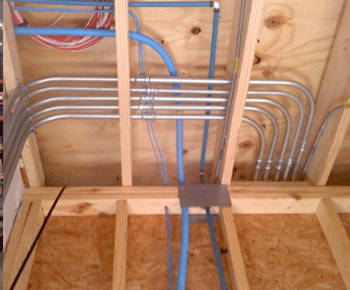
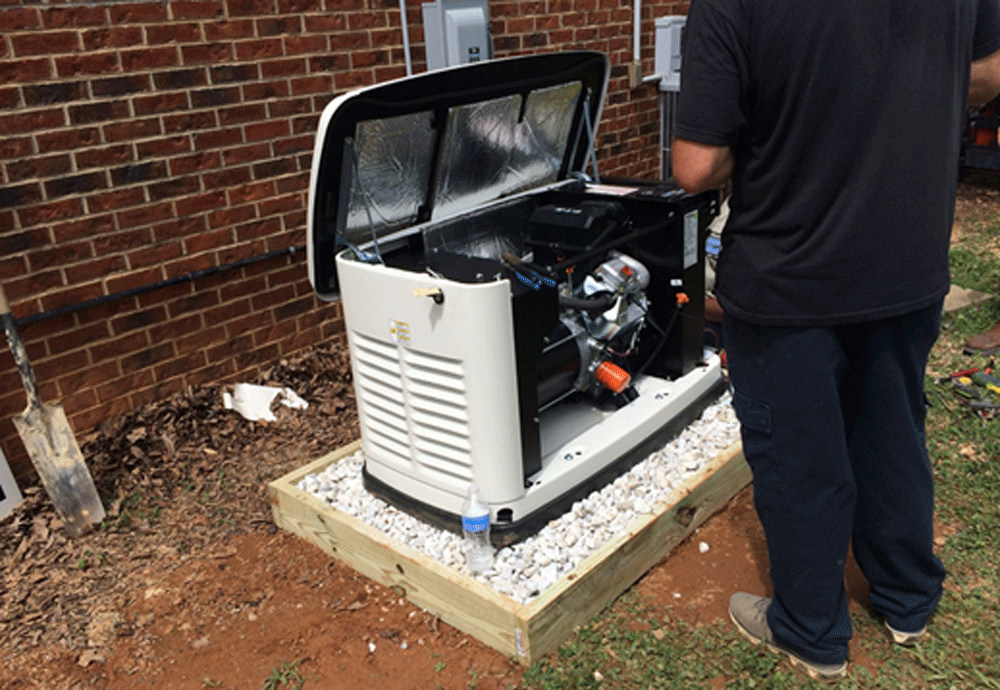
Whole Home Surge Protector Hopedale
Your two-year-old refrigerator dies without warning. Your HVAC system starts acting up. Your smart TV randomly glitches. Sound familiar? These aren’t coincidences—they’re the result of power surges slowly killing your electronics from the inside out.
Most homeowners think surge protection means plugging a power strip into the wall. That’s like using a band-aid to stop a broken pipe. Real protection happens at your electrical panel, where we can block surges before they reach anything in your home.
Here’s what changes when you get whole home surge protection: your appliances last their full expected lifespan instead of dying early, your insurance won’t leave you hanging when surges cause damage they don’t cover, and you’ll stop throwing money at repairs and replacements that could have been prevented.
Surge Protection Installation Hopedale NC
We’ve been installing surge protection systems in Hopedale and surrounding North Carolina communities since 2002. Andy Helton, our Master Electrician with over 35 years of experience, understands exactly what Hopedale homeowners face during storm season.
North Carolina ranks 5th nationwide for power outage frequency, and our area sees frequent lightning strikes during spring and summer storms. We’ve seen the damage these surges cause, and we’ve helped hundreds of families avoid thousands in repair costs.
We’re not the cheapest option in town—and that’s intentional. You’re investing in professional installation that meets all electrical codes, quality surge protectors with 10-year warranties, and the peace of mind that comes from working with licensed, insured professionals who’ve been serving this community for over two decades.
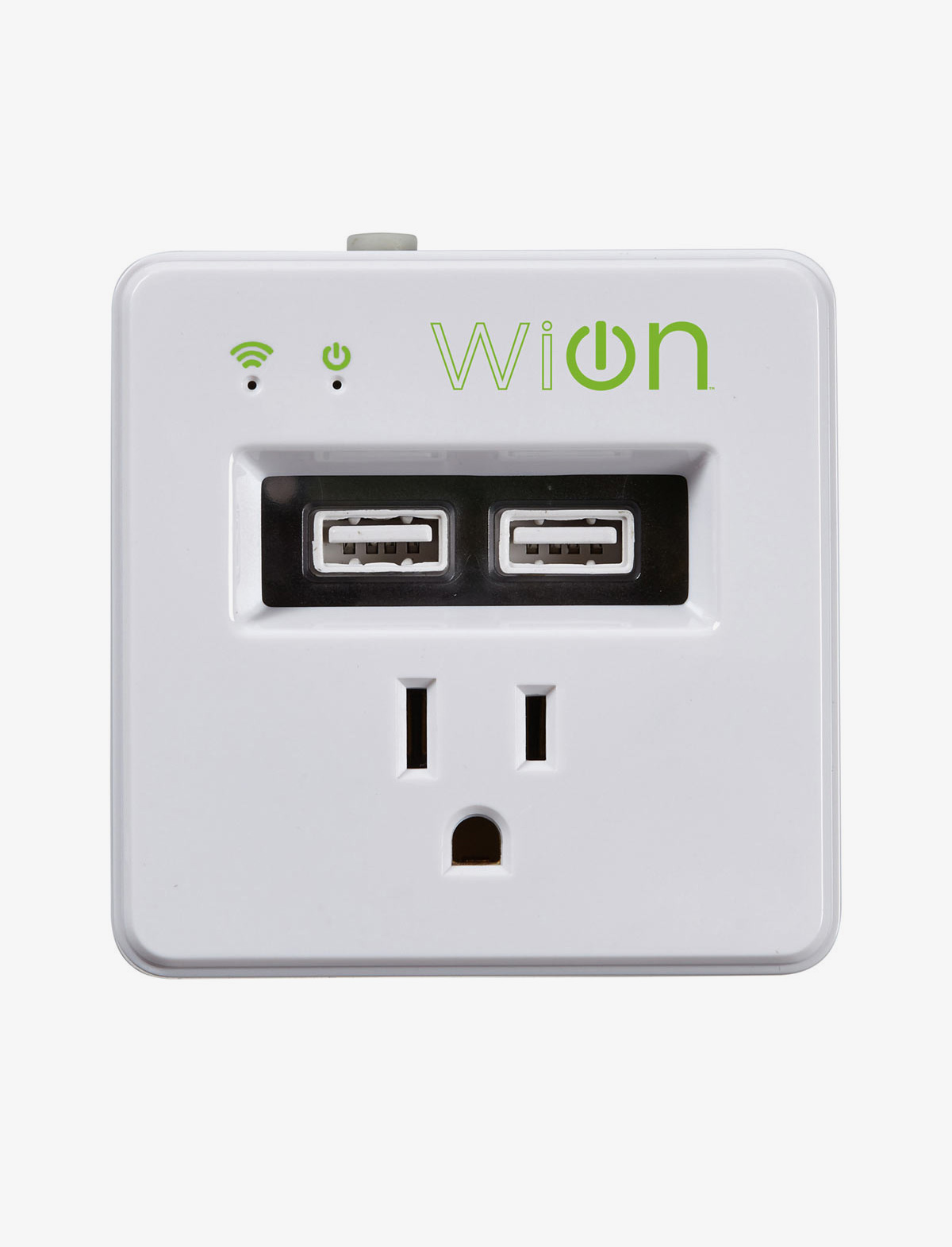
Residential Surge Protection Hopedale
First, we assess your electrical panel and current setup to determine the right surge protection system for your home. Not every surge protector works with every panel, and we make sure you get the right match.
Next, we install the whole home surge protector directly at your main electrical panel. This isn’t a plug-in device—it’s hardwired into your system to intercept surges before they can reach any outlet, appliance, or device in your home. The installation typically takes 2-4 hours depending on your panel configuration.
Finally, we test the system to ensure it’s working properly and show you the indicator lights that let you know your protection is active. We also explain what to watch for over the years and when you might need a replacement—most quality units last 3-5 years depending on how many surges they handle.
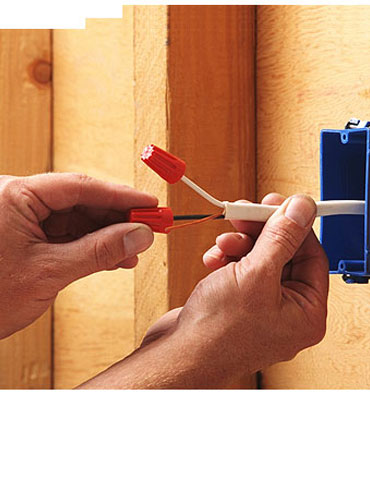
Power Surge Protection Hopedale NC
Every surge protection installation includes a professional-grade surge protector rated to handle the electrical demands of modern Hopedale homes. We use devices that can withstand surges up to 55,000 amps—far beyond what typical lightning strikes produce.
Your installation comes with flat-rate pricing so you know the exact cost before we start work. No surprises, no hidden fees, no time-and-materials billing that leaves you guessing. We arrive in uniformed trucks stocked with everything needed for your installation.
As of 2020, the National Electrical Code requires whole home surge protection in all new construction. That should tell you something about how essential this protection has become. Hopedale homeowners are dealing with more electronic devices than ever before, from smart thermostats and security systems to electric vehicle chargers and home automation. Every one of these investments deserves protection from the daily power fluctuations that slowly degrade electronics over time.
How much does whole home surge protection cost in Hopedale?
Professional whole home surge protector installation typically runs between $500-$700 per electrical panel in the Hopedale area. The exact cost depends on your panel type, the surge protector specifications, and any additional wiring needed.
This includes the surge protection device, professional installation by a licensed electrician, and testing to ensure everything works correctly. Some homes have multiple panels or subpanels that may need separate protection, which affects the total investment.
Compare that to the cost of replacing damaged appliances—a new refrigerator runs $1,500-$3,000, HVAC repairs can hit $2,000-$5,000, and rewiring damaged electrical systems can cost $8,000 or more. The surge protector pays for itself the first time it prevents major damage.
How long do whole home surge protectors last?
Most quality whole home surge protectors last 3-5 years, depending on how many surges they absorb and the severity of those surges. Units installed in areas with frequent lightning activity or unstable power grids may need replacement sooner.
Your surge protector will have indicator lights that show when it’s functioning properly. When these lights change or go out, it’s time for a replacement. Some units also have audible alarms to alert you when protection is compromised.
Regular electrical inspections can help monitor your surge protector’s condition. We recommend having your system checked annually, especially after severe storms that may have stressed the protection components.
Will my homeowner's insurance cover surge damage?
Most homeowner’s insurance policies don’t cover electronics damage from power surges, even when the surge comes from external sources like lightning or utility grid problems. This leaves you paying out-of-pocket for repairs and replacements.
Even when insurance does cover surge damage, the claims process can take weeks or months. We’ve had clients go without heat, air conditioning, or essential appliances while waiting for insurance companies to process claims and authorize replacements.
Surge protection is essentially self-insurance against power surge damage. Instead of hoping your insurance will cover damage after it happens, you prevent the damage from occurring in the first place. It’s proactive protection that keeps your family comfortable and your budget intact.
Can't I just use power strip surge protectors instead?
Power strip surge protectors only protect whatever’s plugged into them, and they offer limited protection against larger surges. Your refrigerator, HVAC system, hardwired appliances, and built-in electronics get zero protection from power strips.
Most power strips provide minimal surge protection—often just enough to handle small fluctuations, not the major surges that cause real damage. They also wear out quickly and many people don’t realize when their “surge protector” is no longer providing any protection.
Whole home surge protection works at your electrical panel to protect every outlet, every appliance, and every electronic device in your home. It’s comprehensive protection that doesn’t depend on remembering to plug things into specific outlets or replacing worn-out power strips.
What causes power surges in Hopedale homes?
About 80% of power surges actually come from inside your home when large appliances like air conditioners, refrigerators, or electric water heaters turn on and off. These internal surges happen dozens of times every day and slowly damage sensitive electronics over time.
External surges come from lightning strikes, utility grid switching, and power restoration after outages. North Carolina’s frequent thunderstorms make external surges a regular concern, especially during spring and summer months when severe weather is common.
Even small surges from neighboring homes and businesses can affect your electrical system. As the power grid gets more stressed with increased demand, these fluctuations become more frequent and can add up to significant damage over months and years.
Do I really need professional installation for surge protection?
Whole home surge protectors must be installed directly at your electrical panel, which requires working with high-voltage electricity and ensuring proper connections to your home’s grounding system. This isn’t a DIY project—it requires a licensed electrician for safety and code compliance.
Improper installation can actually create safety hazards or leave your home unprotected despite having a surge protector installed. Professional installation ensures the device is compatible with your specific panel, properly grounded, and meets all local electrical codes.
Licensed installation also protects any warranties on the surge protection device. Most manufacturers require professional installation by a qualified electrician to honor warranty coverage, so attempting DIY installation could void your protection if something goes wrong.
About Us

Electrical Service Providers (ESP) has been in business since 2002. ESP started out performing wiring services to new construction, remodeling projects and residential homes. Our company’s president identified a market for electrical services to be performed in homes and businesses independent of new construction. Read More about Electrical Service Providers>>
All Rights Reserved.Organic Marketing LLC
Business Listings


Product Brands Used
Allied, Broan, Cutler Hammer, General Electric, Ideal, Juno, Kohler, Leviton, Lutron, Siemens, Square D
Contact
- Office Address: 3254 S Anthony Ct.
Burlington, NC 27215 - Mailing Address: PO Box 25
Alamance, NC 27201 - Phone: 336-228-3300
- E-mail: [email protected], [email protected]
Service Areas
Chapel Hill, Burlington, Carrboro, Durham, Gibsonville, Hillsborough, Graham, Pittsboro, Morrisville, Cary
About Us
Electrical Service Providers (ESP) has been in business since 2002. ESP started out performing wiring services to new construction, remodeling projects and residential homes. Our company’s president identified a market for electrical services to be performed in homes and businesses independent of new construction. Read More about Electrical Service Providers>>
All Rights Reserved.Organic Marketing LLC