Surge Protection in Nelson, NC
Your Electronics Deserve Better Than Crossed Fingers
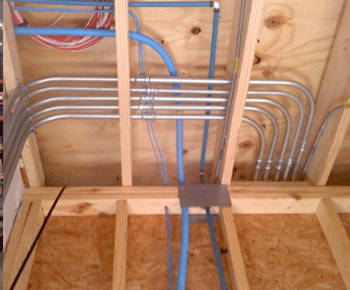
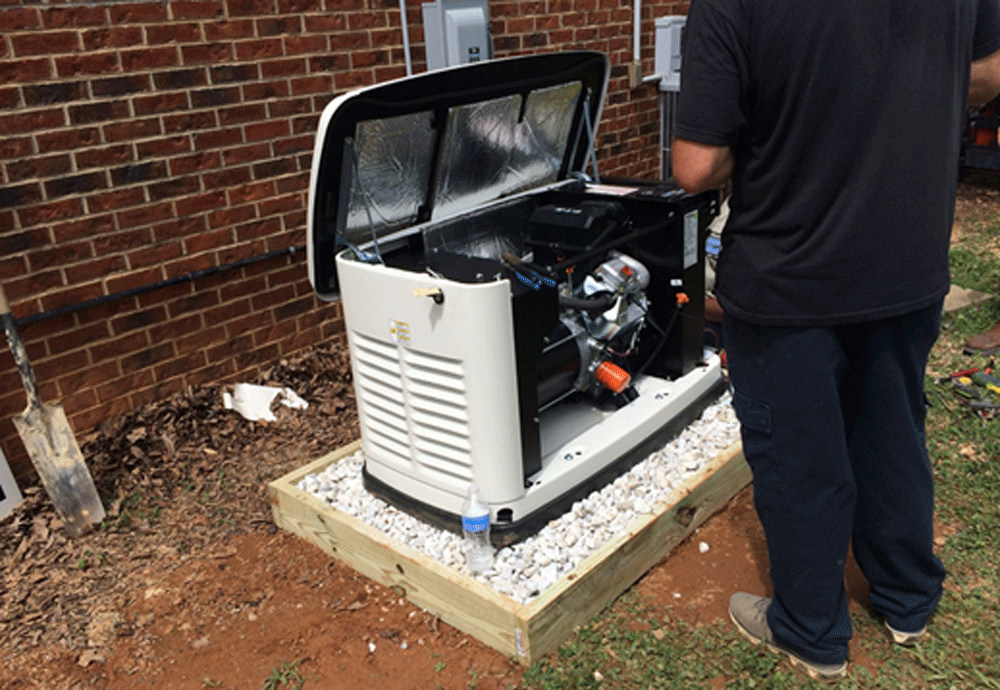
Whole Home Surge Protector Nelson
You’re not replacing your refrigerator because the power blinked during a storm. Your HVAC system isn’t cutting out early because of daily voltage fluctuations you didn’t even notice. The smart devices you spent good money on still work five years from now instead of failing randomly.
That’s what happens when a whole home surge protector is doing its job. It sits at your electrical panel and blocks excess voltage before it travels through your wiring. Every outlet gets protected. Every hardwired appliance stays safe. And you’re not dealing with the headache of filing insurance claims or hunting down repair techs after the next power outage.
North Carolina gets storms. Nelson sees its share of power grid issues. A surge protector doesn’t prevent those things, but it does prevent them from costing you a few thousand dollars in damaged equipment.
Surge Protection Installation Nelson NC
We’ve been handling electrical work across Nelson and the surrounding North Carolina communities for over two decades. Andy Helton, a Master Electrician with more than 35 years of experience, leads our team. That’s not a corporate call center—it’s someone who actually knows the work.
When you call, you talk to a person, not a recording. When our truck shows up, it’s stocked with what’s needed to finish the job. And when the work is done, there’s a lifetime warranty (up to 25 years) on the labor because we stand behind what we do.
Nelson homes deal with the same power issues as the rest of central North Carolina—storm activity, grid fluctuations, and the occasional voltage spike when power comes back on after an outage. We install surge protection that actually handles those situations instead of just checking a box.
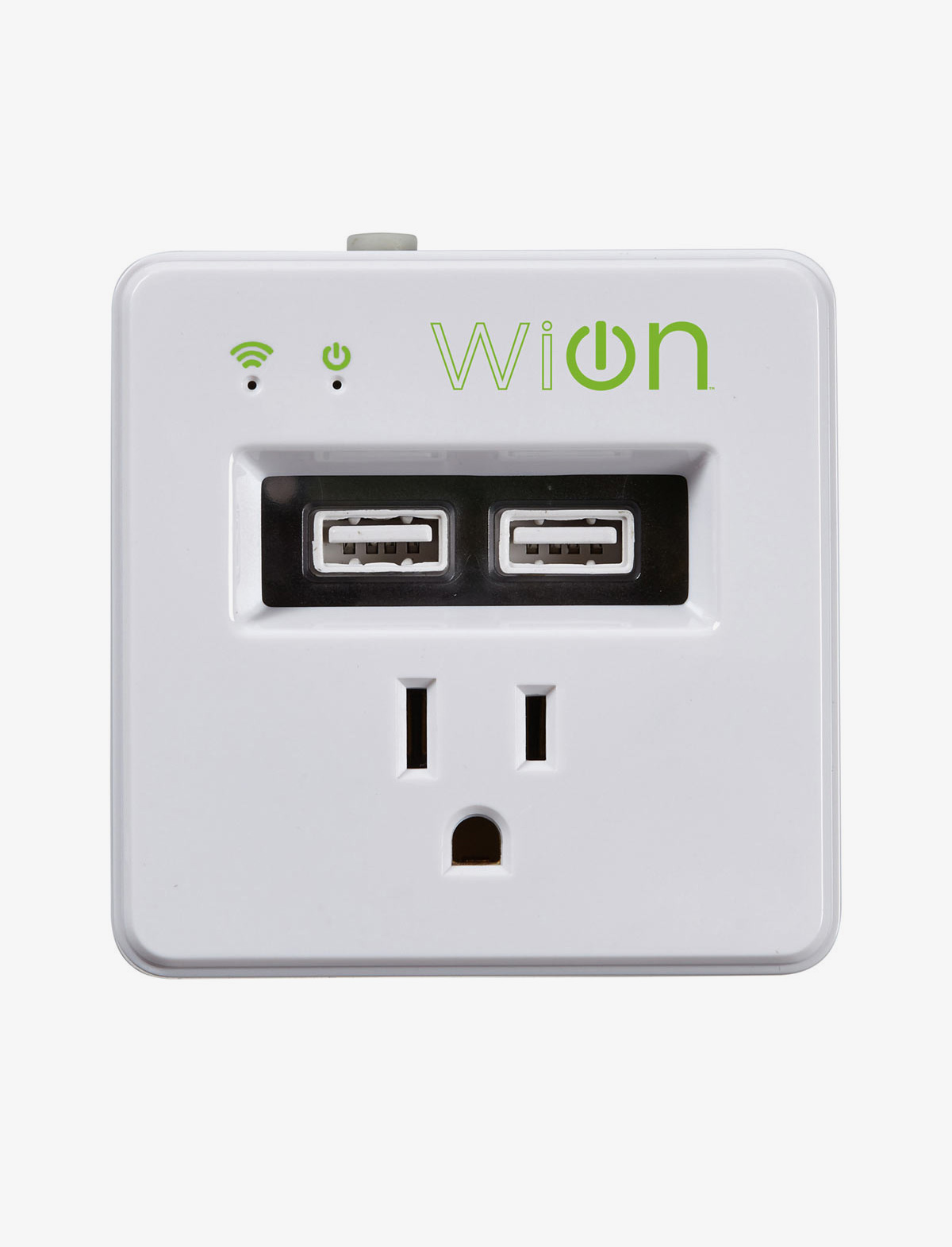
Residential Surge Protection Nelson
First, we evaluate your electrical panel and grounding system. Surge protection only works if your home’s grounding is adequate, so that gets checked before anything else. If there’s an issue, you’ll know upfront.
Next, we select the right type of surge protector based on your panel and what you’re protecting. Type 1 units handle high-energy external surges like lightning strikes. Type 2 units mount inside the panel and protect against internal surges from appliances cycling on and off. Most homes benefit from Type 2 protection, but if you’re in an area that sees frequent lightning activity, layering both types makes sense.
The surge protection device gets wired directly into your main electrical panel. The whole process usually takes one to two hours. Once it’s installed, it starts working immediately—monitoring voltage and diverting any spikes into the ground before they reach your devices.
After installation, we test the unit to confirm everything’s functioning correctly. You’ll also get guidance on what the indicator lights mean so you know when the protector is active and when it might need replacement down the road.
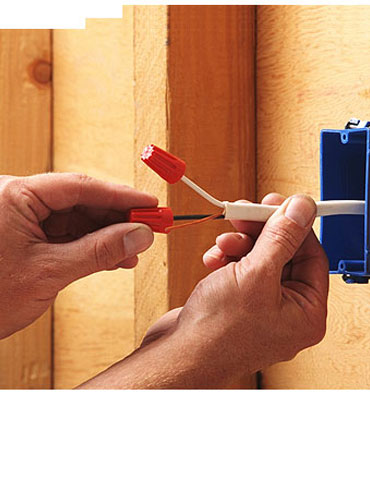
Power Surge Protection Nelson NC
A whole house surge protector isn’t just for the big, dramatic lightning strikes. It’s handling the small, daily voltage fluctuations that slowly wear down your electronics without you noticing. Up to 80 percent of power surges actually start inside your home—when your HVAC kicks on, when the fridge compressor cycles, when you run power tools. Those internal surges add up over time and shorten the lifespan of everything plugged in.
The protection covers everything connected to your electrical system. That includes hardwired appliances like your HVAC, water heater, and built-in kitchen equipment—items that can’t plug into a power strip and often cost the most to replace. It also protects every outlet in your home, which means your computers, TVs, and smart home devices are covered too.
In Nelson and across North Carolina, power outages are common enough that you’ve probably dealt with one recently. When power comes back on, there’s often a surge as electricity flows unevenly through the grid. That’s when unprotected homes see damage. A whole home surge protection system stops that spike at the panel before it reaches your equipment.
One thing to know: homeowners insurance usually doesn’t cover surge damage to electronics. Even if you can prove what caused it, replacement costs fall on you. A residential surge protector costs a few hundred dollars to install. Replacing a fried HVAC system, smart fridge, and home office setup costs thousands. The math isn’t complicated.
How long does a whole house surge protector last in Nelson, NC?
Most whole house surge protectors last between five and ten years, but that depends on how much surge activity they handle. Every time the unit diverts a voltage spike, it absorbs some of that energy. Small surges happen daily—when appliances cycle, when the grid fluctuates, when weather impacts power delivery. Over time, those add up and wear down the internal components.
Higher-quality units often include indicator lights that tell you when the protector is still active and when it’s reached the end of its useful life. If you experience a major surge event—like a nearby lightning strike—it’s worth having the unit inspected even if the lights still show it’s working. A single large surge can deplete a protector’s capacity faster than years of small ones.
Replacement isn’t complicated. We can swap out the old unit and install a new one in about the same time it took to install the original. It’s a straightforward process, and it’s a lot cheaper than dealing with damaged equipment because the protector wasn’t functioning anymore.
Will a surge protector prevent all damage from lightning strikes?
If lightning strikes your home directly, no surge protector can stop that level of energy. A direct strike delivers millions of volts, and no residential device is built to handle that. What a whole house surge protector does handle is the far more common scenario: lightning strikes nearby, and the surge travels through power lines into your home.
That’s where most lightning-related damage actually happens. A strike doesn’t have to hit your house to send a voltage spike through the electrical grid. It can hit a transformer down the street or a power line a mile away, and that surge still reaches your panel. A properly installed surge protector diverts that excess voltage into the ground before it damages your wiring, appliances, and electronics.
Type 1 surge protectors are specifically designed to handle these high-energy external surges. They’re installed at the service entrance before your main breaker and offer the highest level of protection available for residential systems. If you live in an area with frequent storm activity, a Type 1 unit is worth considering. It won’t stop a direct strike, but it will protect against the surges that are far more likely to happen.
Do I still need plug-in surge protectors if I have whole house protection?
Whole house surge protection handles the big surges that come from outside your home or from major appliances cycling on and off. It’s installed at your main panel and protects everything connected to your electrical system. That’s the primary layer of defense, and for most equipment, it’s enough.
That said, layering protection makes sense for particularly sensitive or expensive electronics. If you have a home office with high-end computers, a dedicated server, or expensive audio/video equipment, adding a plug-in surge protector at the point of use gives you an extra buffer. The whole house unit stops the large surges, and the plug-in unit handles any smaller fluctuations that make it through.
The key difference is that plug-in surge protectors only protect what’s plugged into them. They don’t help your HVAC system, your hardwired appliances, or the outlets in other rooms. Whole house protection covers everything, which is why it’s the foundation. Plug-in units are just supplemental protection for specific high-value items. You don’t need them everywhere, but they’re not a bad idea for equipment you really can’t afford to replace.
What causes power surges inside my home?
Most people think of lightning when they hear “power surge,” but the majority of surges actually start inside your home. Any time a large appliance with a motor turns on or off, it pulls or releases a burst of energy. That creates a brief spike in voltage that travels through your electrical system.
Your HVAC system is one of the biggest culprits. When the compressor kicks on, it draws a significant amount of power, and when it shuts off, that energy has to go somewhere. Refrigerators, washers, dryers, and even power tools do the same thing. These are small surges—usually not enough to fry something immediately—but they add up over time and slowly degrade the electronics in your devices.
Faulty wiring and poor grounding can also cause internal surges. If your home’s electrical system isn’t properly grounded, voltage has nowhere to go when a spike occurs, so it travels through your wiring and into your equipment. Older homes in Nelson and the surrounding North Carolina area are more prone to this, especially if the wiring hasn’t been updated in decades. A whole house surge protector helps, but if the underlying wiring is the problem, that needs to be addressed too.
How much does surge protector installation cost in Nelson, NC?
Professional installation of a whole house surge protector typically runs between $300 and $800, depending on the type of unit and the complexity of the installation. That includes both the surge protector itself and the labor to install it. Type 2 units, which are the most common for residential homes, tend to fall on the lower end of that range. Type 1 units, which offer higher protection against external surges like lightning, cost more but provide an extra layer of defense.
The installation process usually takes one to two hours. We’ll evaluate your panel, confirm your grounding system is adequate, wire the surge protector into place, and test everything to make sure it’s working correctly. If your panel needs any updates or if the grounding system requires work, that would add to the cost, but you’ll know that upfront before any work starts.
Compare that to the cost of replacing a damaged HVAC system, refrigerator, washer, dryer, and a few computers after a surge. You’re easily looking at several thousand dollars, and most homeowners insurance policies don’t cover surge damage to electronics. The protector pays for itself the first time it stops a major voltage spike from reaching your equipment.
Can I install a whole house surge protector myself?
No, and you shouldn’t try. Installing a whole house surge protector requires working inside your main electrical panel, which means dealing with live voltage that can cause serious injury or death if handled incorrectly. Even if you have some electrical experience, this isn’t a DIY project. One mistake can result in electrical shock, fire, or permanent damage to your home’s electrical system.
Beyond the safety risk, improper installation can void the warranty on the surge protector itself. Many manufacturers only honor their warranties if the unit is installed by a licensed electrician. If something goes wrong and the protector fails, you’re on your own for replacement costs if it wasn’t installed correctly.
A licensed electrician knows how to evaluate your panel, confirm your grounding system is adequate, and install the surge protector to code. We’ll also test the unit after installation to make sure it’s functioning properly. The whole process takes one to two hours, and you’re paying for the expertise to ensure it’s done safely and correctly. That’s not the kind of thing you want to gamble on to save a couple hundred dollars in labor.
Other Services we provide in Nelson
About Us

Electrical Service Providers (ESP) has been in business since 2002. ESP started out performing wiring services to new construction, remodeling projects and residential homes. Our company’s president identified a market for electrical services to be performed in homes and businesses independent of new construction. Read More about Electrical Service Providers>>
All Rights Reserved.Organic Marketing LLC
Business Listings


Product Brands Used
Allied, Broan, Cutler Hammer, General Electric, Ideal, Juno, Kohler, Leviton, Lutron, Siemens, Square D
Contact
- Office Address: 3254 S Anthony Ct.
Burlington, NC 27215 - Mailing Address: PO Box 25
Alamance, NC 27201 - Phone: 336-228-3300
- E-mail: [email protected], [email protected]
Service Areas
Chapel Hill, Burlington, Carrboro, Durham, Gibsonville, Hillsborough, Graham, Pittsboro, Morrisville, Cary
About Us
Electrical Service Providers (ESP) has been in business since 2002. ESP started out performing wiring services to new construction, remodeling projects and residential homes. Our company’s president identified a market for electrical services to be performed in homes and businesses independent of new construction. Read More about Electrical Service Providers>>
All Rights Reserved.Organic Marketing LLC