Generator Repair in Brickhaven, NC
Your Generator Works When You Need It
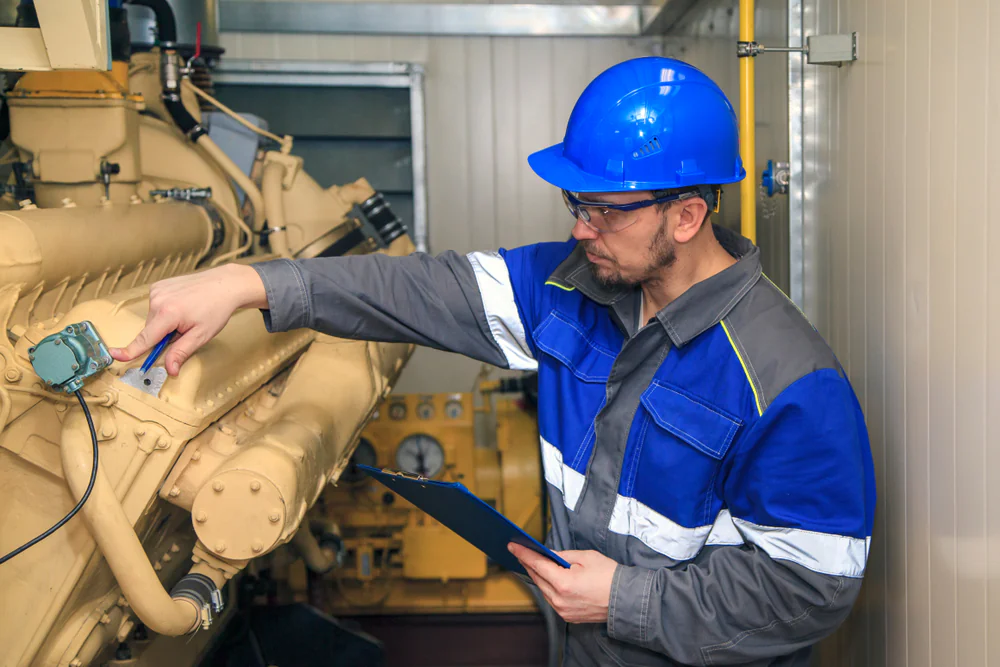
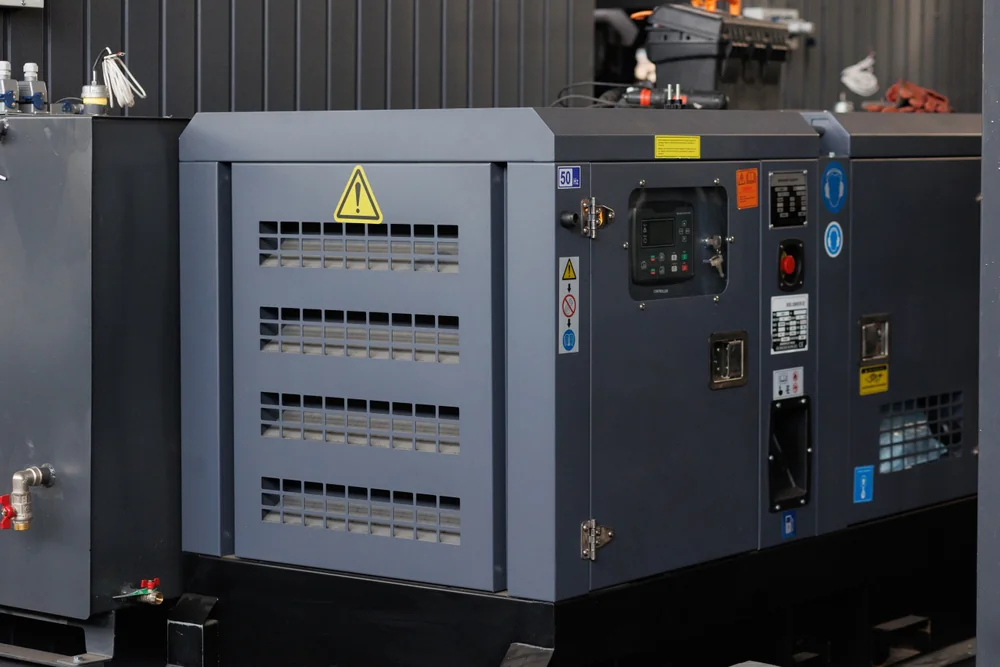
Backup Generator Repair Brickhaven
You bought a generator so your family would have power during outages. But when it fails to start, makes strange noises, or throws an error code you don’t understand, that investment feels wasted.
The good news is most generator problems are fixable—and often preventable. Battery failures, fuel line blockages, coolant leaks, transfer switch issues—these are problems we see and solve regularly. What matters is getting them diagnosed correctly and repaired right the first time.
When your generator works the way it should, you don’t lose food in the fridge. You don’t worry about frozen pipes in winter or losing AC during summer storms. Your medical equipment stays on. Your family stays comfortable and safe. That’s what reliable backup power actually means.
Generator Service Brickhaven NC
ESP Electrical Service Providers is a factory-authorized service dealer for Generac and Briggs & Stratton home generator systems serving Brickhaven and Chatham County. That means our technicians receive specialized training directly from the manufacturers and have access to the right parts, diagnostic tools, and technical support to fix your system properly.
Whether it’s a scheduled maintenance visit or an emergency repair, our focus is on getting your generator back online without dragging things out. Transparent pricing, clear communication, and showing up when we promise—that’s the baseline you should expect.
Brickhaven homeowners deal with the same weather patterns and power grid challenges as the rest of central North Carolina. Storms roll through. Trees come down. The power goes out. Having a generator that actually works when that happens isn’t a luxury—it’s the whole point of owning one.
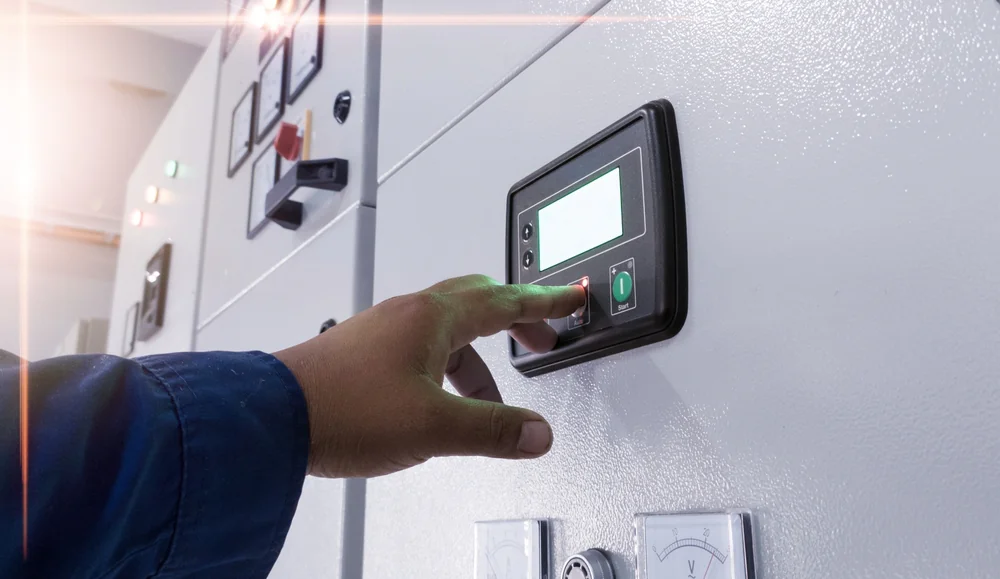
Home Generator Repair Process
The process starts with diagnosing what’s actually wrong. That might sound obvious, but a lot of generator problems have similar symptoms. A unit that won’t start could be dealing with a dead battery, a fuel supply issue, a faulty transfer switch, or a sensor malfunction. Guessing wastes your time and money.
A qualified technician will run diagnostics, check error codes if your system has them, inspect the battery and connections, test the fuel system, and examine the transfer switch. Once the root cause is identified, you’ll get an explanation of what needs to be fixed and what it’ll cost before any work begins.
Repairs might involve replacing a worn-out battery, cleaning clogged fuel lines, fixing coolant leaks, replacing faulty sensors, or addressing transfer switch failures. In some cases, it’s a simple fix. In others, it’s a part that’s reached the end of its lifespan and needs replacement. Either way, you’ll know what’s happening and why.
After the repair, the system gets tested to make sure it’s running correctly. That includes checking voltage output, ensuring the transfer switch engages properly, and confirming the generator can handle the load it’s supposed to carry. You shouldn’t have to wonder if the fix actually worked.
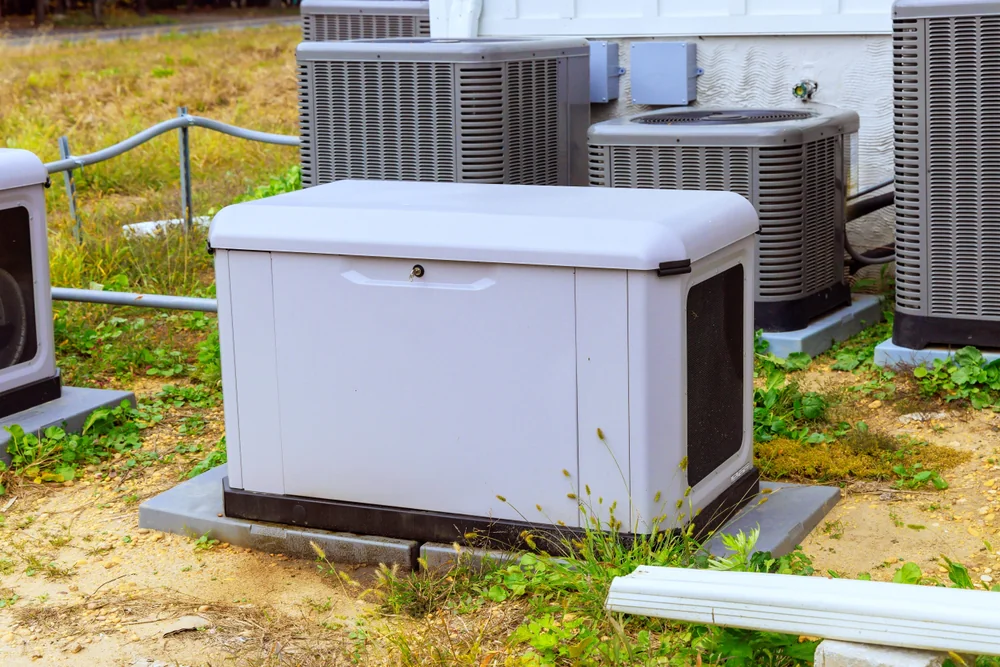
Generator Maintenance Brickhaven NC
Generator service covers both emergency repairs and preventive maintenance. Emergency repairs handle the problems that pop up when your generator fails during an outage or won’t start when you test it. Preventive maintenance is what keeps those emergencies from happening in the first place.
Annual maintenance typically includes oil and filter changes, battery inspection and testing, coolant level checks, fuel system inspection, air filter cleaning or replacement, and transfer switch testing. We’ll also run the generator under load to make sure it’s producing the right voltage and can handle your home’s power demands. Most manufacturers recommend this kind of service once a year, and skipping it can void your warranty.
For Brickhaven homeowners, keeping your generator maintained isn’t just about protecting the equipment. It’s about making sure the system works during the storms and outages that hit central North Carolina. Summer thunderstorms, winter ice storms, high winds—these aren’t hypothetical scenarios. They’re regular occurrences that test whether your backup power is actually reliable.
The cost of annual maintenance usually runs a few hundred dollars. The cost of a generator that fails during a multi-day outage—spoiled food, potential pipe damage, lost work time, family discomfort—adds up a lot faster. Preventive service is cheaper than emergency repairs, and it’s a whole lot less stressful than finding out your generator doesn’t work when you actually need it.

How often does a whole house generator need maintenance?
Most manufacturers recommend annual maintenance for whole house generators, though the exact schedule can depend on how often your generator runs and the specific model you have. Annual service typically includes oil and filter changes, battery testing, coolant checks, fuel system inspection, and transfer switch testing.
If your generator runs frequently—either due to regular power outages or because you exercise it often—you might need service more than once a year. Some homeowners opt for bi-annual maintenance to catch potential problems earlier. The key is following the manufacturer’s recommended schedule, because skipping maintenance can void your warranty and lead to failures when you actually need backup power.
Think of it like changing the oil in your car. You can skip it for a while and the car will still run, but eventually you’re going to cause damage that costs a lot more to fix than the maintenance would have cost. Generators work the same way—regular upkeep prevents expensive breakdowns.
What are the most common reasons a generator won't start?
Battery failure is the number one reason generators fail to start. Over time, batteries lose their charge or develop sulfate buildup that prevents them from delivering enough power to crank the engine. This is especially common if the generator hasn’t been exercised regularly or if the battery is several years old.
Other common causes include low fuel levels, clogged fuel lines, low coolant triggering a safety shutoff, faulty transfer switches that don’t signal the generator to start, and spark plug issues in gas-powered units. Sometimes it’s as simple as a tripped breaker or a sensor malfunction. The frustrating part is that many of these issues show similar symptoms—the generator just won’t start—which is why proper diagnosis matters.
Regular maintenance catches most of these problems before they become failures. We can spot a weak battery, clean fuel lines before they clog completely, top off coolant, and test the transfer switch to make sure it’s working correctly. Catching these issues during a scheduled service visit is a lot better than discovering them during a power outage.
How much does generator repair typically cost in Brickhaven?
Repair costs vary widely depending on what’s wrong with your generator. A simple fix like replacing a battery might run a few hundred dollars, while more complex repairs involving the transfer switch, fuel system, or internal engine components can cost significantly more. Annual maintenance typically runs $150 to $300 and is separate from repair costs.
The best way to avoid surprise costs is to work with a company that provides upfront pricing before starting the work. We diagnose the problem, explain what needs to be fixed, and give you a clear estimate. If the repair is going to be expensive, you’ll know that before any work begins, which lets you make an informed decision.
It’s also worth considering that preventive maintenance is almost always cheaper than emergency repairs. Spending a few hundred dollars a year on scheduled service can prevent breakdowns that cost thousands to fix. And if your generator fails during an outage, you’re also dealing with the cost of spoiled food, potential property damage, and the stress of being without power—all of which add up fast.
Can I repair my own generator or should I hire a professional?
Some basic generator maintenance—like checking oil levels, cleaning around the unit, and making sure vents are clear—can be done by homeowners. But most repairs should be handled by a qualified technician, especially if your generator is still under warranty. DIY repairs can void manufacturer warranties and, if done incorrectly, create safety hazards like carbon monoxide leaks or electrical problems.
Generators involve fuel systems, electrical components, and automated controls that require specialized knowledge to diagnose and repair correctly. What looks like a simple problem—like a generator that won’t start—could be caused by a dozen different issues, and guessing wrong can waste time and money. Professional technicians have the diagnostic tools, training, and access to genuine parts needed to fix problems correctly the first time.
There’s also the safety factor. Generators produce carbon monoxide, run on flammable fuel, and connect directly to your home’s electrical system. Mistakes during repairs can create serious risks for you and your family. Professional service isn’t just about fixing the generator—it’s about making sure the repair is done safely and correctly so the system works when you need it.
How long should a whole house generator last?
A well-maintained whole house generator typically lasts 10 to 30 years, depending on the brand, how often it runs, and how well it’s been cared for. Generac and Briggs & Stratton generators are built to last, but like any mechanical system, they need regular maintenance to reach their full lifespan.
Generators that run frequently—either due to regular power outages or because they’re exercised often—will accumulate more hours and may need parts replaced sooner. Generators that sit unused for long periods can develop problems too, like fuel system issues or battery failures. The sweet spot is regular exercise (running the generator for 15-30 minutes monthly) combined with annual professional maintenance.
Skipping maintenance is the fastest way to shorten your generator’s lifespan. Oil that doesn’t get changed breaks down and causes engine wear. Batteries that don’t get tested fail when you need them. Fuel systems that don’t get inspected develop clogs. Taking care of your generator isn’t just about preventing breakdowns—it’s about protecting the investment you made in backup power for your home.
What should I do if my generator is running but not powering my house?
If your generator is running but your house still doesn’t have power, the problem is almost always with the transfer switch. The transfer switch is what disconnects your home from the utility power and connects it to the generator. If the switch doesn’t engage properly, the generator will run but won’t send power to your home.
This can happen for several reasons. The transfer switch might not be receiving the signal to engage, which could be due to a faulty controller, damaged wiring, or a sensor issue. Sometimes a wire has come loose from the transfer coil. In other cases, the switch itself has failed mechanically. Some generators also have a built-in delay before transferring power to avoid false starts during brief outages.
While some transfer switches have a manual override that lets you flip them by hand, it’s usually best to call a professional before attempting this yourself. If you flip the switch incorrectly or at the wrong time, you could damage your generator or create a dangerous backfeed situation. We can diagnose why the automatic transfer isn’t working and fix the underlying problem so the system operates correctly during the next outage.
About Us

Electrical Service Providers (ESP) has been in business since 2002. ESP started out performing wiring services to new construction, remodeling projects and residential homes. Our company’s president identified a market for electrical services to be performed in homes and businesses independent of new construction. Read More about Electrical Service Providers>>
All Rights Reserved.Organic Marketing LLC
Business Listings


Product Brands Used
Allied, Broan, Cutler Hammer, General Electric, Ideal, Juno, Kohler, Leviton, Lutron, Siemens, Square D
Contact
- Office Address: 3254 S Anthony Ct.
Burlington, NC 27215 - Mailing Address: PO Box 25
Alamance, NC 27201 - Phone: 336-228-3300
- E-mail: [email protected], [email protected]
Service Areas
Chapel Hill, Burlington, Carrboro, Durham, Gibsonville, Hillsborough, Graham, Pittsboro, Morrisville, Cary
About Us
Electrical Service Providers (ESP) has been in business since 2002. ESP started out performing wiring services to new construction, remodeling projects and residential homes. Our company’s president identified a market for electrical services to be performed in homes and businesses independent of new construction. Read More about Electrical Service Providers>>
All Rights Reserved.Organic Marketing LLC