Electrician in Wilsonville, NC
Your Electrical Problem Gets Fixed Right


Licensed Electrical Contractor Wilsonville
Your lights work. Your outlets are safe. Your breakers stop tripping every time you run the microwave.
That’s what matters. Not a temporary patch job that fails in three months. Not a “we’ll get back to you” that never happens. You get a licensed electrical contractor who fixes the actual problem, explains what was wrong in plain language, and makes sure the work passes inspection.
Whether it’s an older home in Wilsonville that needs rewiring or a panel that can’t keep up with your family’s electrical demand, the job gets done right. You’re not left wondering if it’s safe or if it’ll hold up. It will.
Local Electrical Company Wilsonville NC
We’ve served North Carolina homeowners and businesses for over 20 years. We’re based in Burlington and work throughout the region, including Wilsonville and Caswell County.
Our Operations Manager has held a North Carolina electrical license since 1989. That’s more than three decades of hands-on experience with residential and commercial electrical systems. When you call, you talk to a real person—not an answering machine. When our technicians arrive, they show up in a fully stocked truck, in uniform, ready to work.
Wilsonville is a small town, and electrical issues here often involve older homes with outdated wiring or rural properties that need specialized work. We handle both, along with panel upgrades, generator installations, and code-compliant repairs that actually pass inspection.
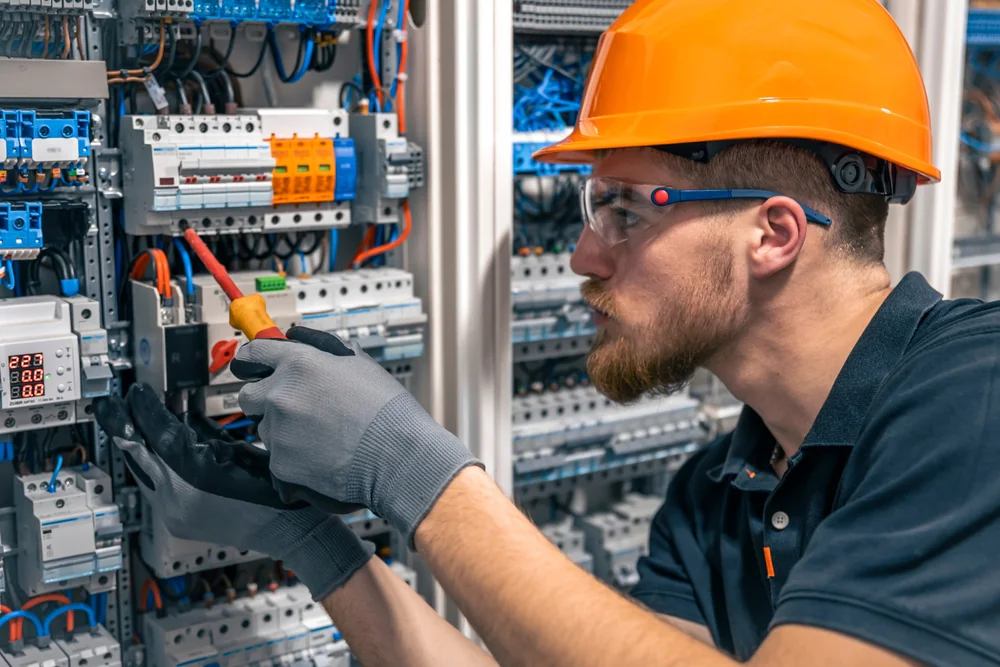
Residential Electrical Services Wilsonville
First, you talk to someone who listens. Not a recording. A person who understands electrical problems and can help you figure out if it’s an emergency or something that can wait.
If you need service, a licensed electrician is dispatched with a fully stocked truck. That means fewer delays waiting for parts. When they arrive, they assess the problem, explain what’s happening, and give you a flat-rate price before any work starts. No surprises. No “we’ll figure it out as we go” pricing.
The work gets done—whether it’s troubleshooting a circuit, replacing a faulty outlet, upgrading a panel, or installing a backup generator. The technician cleans up the work area before leaving. If permits are required, they’re pulled. If an inspection is needed, it gets scheduled. You’re not left to figure that out on your own.
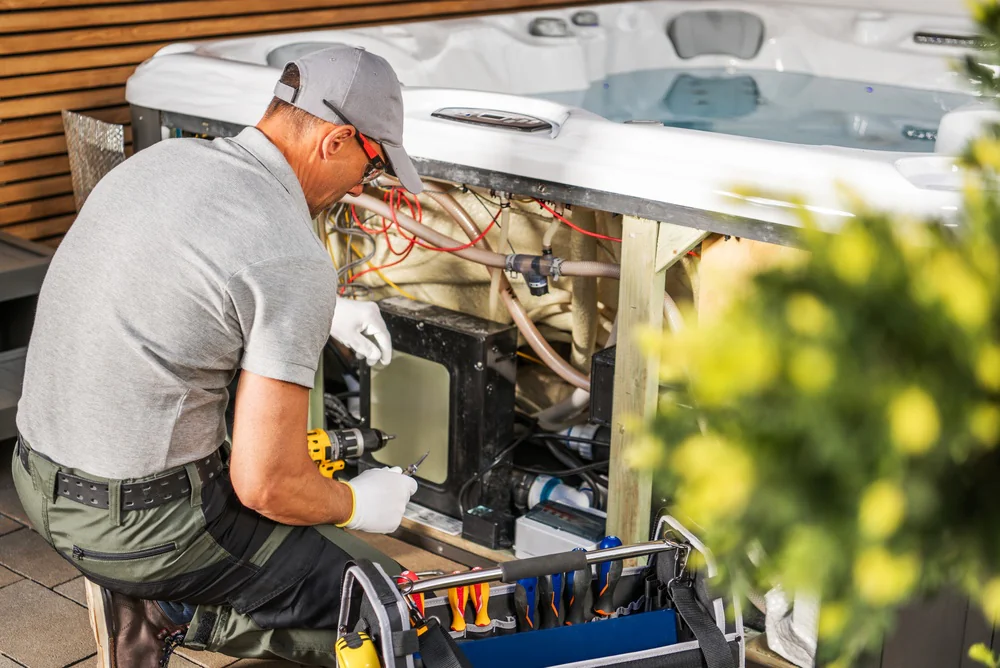
Electrical Repair Wilsonville NC
Wilsonville homes—especially older ones—often deal with electrical systems that weren’t built for today’s demand. Air conditioning, computers, kitchen appliances, EV chargers. The electrical panel that worked fine in 1980 can’t always handle what you’re plugging in now.
We handle panel upgrades to bring your system up to code and up to capacity. That includes replacing outdated breaker boxes, adding circuits, and making sure your home can safely power what you actually use. For homes in rural areas around Wilsonville, that might also mean wiring detached buildings, barns, or workshops.
Generator installation is another common need. Power outages happen, especially during storms. A backup generator keeps your home running when the grid doesn’t. We install Generac systems and handle the electrical work, permitting, and inspections.
Electrical repairs cover the full range: outlets that don’t work, switches that spark, lights that flicker, breakers that trip constantly. Troubleshooting finds the root cause instead of just resetting the breaker and hoping it holds. Smart home installations, lighting upgrades, and code compliance work are all part of what we handle.
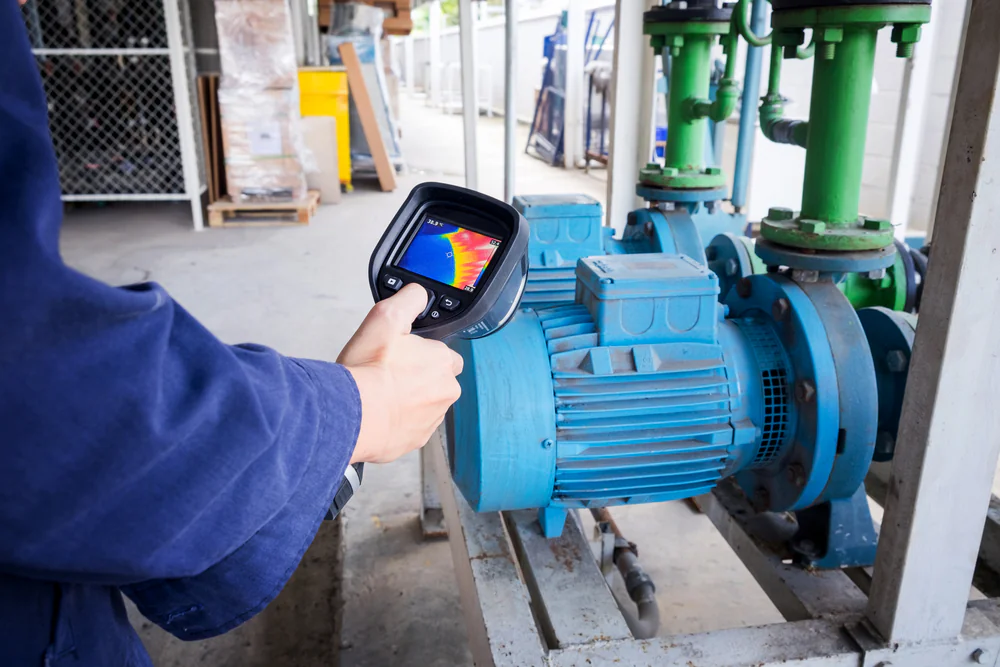
How do I know if my electrical panel needs to be upgraded?
If your breakers trip frequently, especially when you’re running normal household appliances, that’s a sign your panel might be overloaded. Older panels—anything over 25 or 30 years—often can’t handle modern electrical demand.
You might also notice lights dimming when the AC kicks on, or you might not have enough circuits to add new appliances or an EV charger. Homes built before the 1990s in Wilsonville often have 100-amp panels, but most homes today need at least 200 amps to run safely and efficiently.
Another red flag is if your panel has outdated components like fuses instead of breakers, or if it’s a brand known for safety issues (like Federal Pacific or Zinsco panels). A licensed electrician can inspect your panel, check the load, and tell you whether an upgrade is necessary or if you just need a few circuits added. Upgrading a panel isn’t cheap, but it’s a lot less expensive than dealing with an electrical fire or constantly resetting breakers.
What should I do if I smell burning near an outlet or switch?
Turn off the breaker for that outlet or switch immediately, and don’t use it until a licensed electrician inspects it. A burning smell means something is overheating—usually due to a loose connection, damaged wiring, or an overloaded circuit.
This isn’t something to ignore or try to fix yourself. Overheating wires can melt insulation, cause arcing, and start electrical fires. Even if the smell goes away, the problem is still there. Sometimes homeowners notice a “fishy” smell before it turns into an obvious burning odor. That’s often melting wire insulation.
Call an electrician as soon as possible. They’ll inspect the outlet, check the wiring behind the wall, and determine whether it’s a simple fix (like tightening a connection) or a bigger issue (like faulty wiring that needs to be replaced). In older Wilsonville homes, outdated wiring is a common culprit. Don’t wait on this one—electrical fires don’t give you a second chance.
Do I really need a licensed electrician, or can I just hire someone cheaper?
North Carolina requires electrical work to be done by a licensed contractor. It’s not just a recommendation—it’s the law. A licensed electrician has gone through the training, passed the exams, and knows the state and local electrical codes.
Hiring someone unlicensed might save you money upfront, but it almost always costs more in the long run. If the work isn’t done to code, you’ll fail inspection. If something goes wrong—like a fire or an injury—your homeowner’s insurance might not cover it because the work wasn’t done by a licensed professional. And if you ever sell your home, unpermitted or non-compliant electrical work can kill a sale or force you to pay for expensive repairs.
A licensed electrician also carries insurance, which protects you if something happens on the job. An unlicensed worker doesn’t have that coverage, so if they get hurt or damage your property, you’re on the hook. It’s not worth the risk. Pay for the license, the insurance, and the experience. You’re not just paying for labor—you’re paying for safety and peace of mind.
How long does it take to install a whole-house generator?
For most homes, a whole-house generator installation takes one to three days, depending on the size of the system and how much prep work is needed. The process includes installing the generator unit itself, running a gas line (if it’s a natural gas unit) or setting up propane, connecting it to your electrical panel, and installing a transfer switch.
The transfer switch is what allows the generator to take over when the power goes out. It has to be wired correctly and installed to code, which is why this isn’t a DIY project. After the physical installation, the system gets tested to make sure it kicks on automatically during an outage and powers the circuits you’ve designated.
Permitting and inspections add time to the process. In North Carolina, generator installations require permits, and the work has to pass inspection before it’s considered complete. A licensed electrician handles all of that—pulling permits, coordinating with inspectors, and making sure everything is up to code. Once it’s done, you’ll have a system that automatically starts within seconds of losing power and keeps your home running until the grid comes back online.
Why do my lights flicker when I turn on certain appliances?
Flickering lights usually mean one of two things: either the circuit is overloaded, or there’s a loose connection somewhere in the system. When a large appliance (like an AC unit, space heater, or refrigerator) kicks on, it draws a surge of power. If the circuit is already near capacity, that surge causes a voltage drop, which makes the lights dim or flicker.
This is especially common in older homes where circuits weren’t designed to handle modern appliances. You might have your lights and your AC on the same circuit, which means they’re competing for power. The solution is usually to add a dedicated circuit for the appliance so it’s not sharing power with your lights.
Loose connections are another cause. Over time, wiring connections can loosen due to heat, vibration, or just age. When that happens, electricity has to “jump” the gap, which causes flickering. Loose connections are a fire hazard, so if your lights flicker consistently—especially if it’s not tied to a specific appliance—call an electrician. They’ll check the wiring, tighten connections, and make sure your system is safe.
Can I add more outlets to a room without rewiring the whole house?
In most cases, yes. Adding outlets doesn’t usually require rewiring the entire house, but it does depend on the capacity of the existing circuit and how your home is wired. An electrician will check the circuit load to make sure it can handle additional outlets without overloading.
If the circuit has room, new outlets can be added by running wire from an existing outlet or junction box. The electrician will cut into the wall, run the wire, install the new outlet box, and patch everything up. It’s a straightforward process if the circuit can support it.
If the circuit is already maxed out, you might need a new circuit run from the panel. That’s more involved but still doesn’t require rewiring the whole house. In older Wilsonville homes with outdated wiring, sometimes it makes sense to upgrade the wiring in that room while you’re at it—especially if the existing wire is old, damaged, or not up to code. A licensed electrician can assess your specific situation and recommend the best approach.
About Us

Electrical Service Providers (ESP) has been in business since 2002. ESP started out performing wiring services to new construction, remodeling projects and residential homes. Our company’s president identified a market for electrical services to be performed in homes and businesses independent of new construction. Read More about Electrical Service Providers>>
All Rights Reserved.Organic Marketing LLC
Business Listings


Product Brands Used
Allied, Broan, Cutler Hammer, General Electric, Ideal, Juno, Kohler, Leviton, Lutron, Siemens, Square D
Contact
- Office Address: 3254 S Anthony Ct.
Burlington, NC 27215 - Mailing Address: PO Box 25
Alamance, NC 27201 - Phone: 336-228-3300
- E-mail: [email protected], [email protected]
Service Areas
Chapel Hill, Burlington, Carrboro, Durham, Gibsonville, Hillsborough, Graham, Pittsboro, Morrisville, Cary
About Us
Electrical Service Providers (ESP) has been in business since 2002. ESP started out performing wiring services to new construction, remodeling projects and residential homes. Our company’s president identified a market for electrical services to be performed in homes and businesses independent of new construction. Read More about Electrical Service Providers>>
All Rights Reserved.Organic Marketing LLC