Electrical Company in Browns Summit, NC
Electrical Work Done Right the First Time
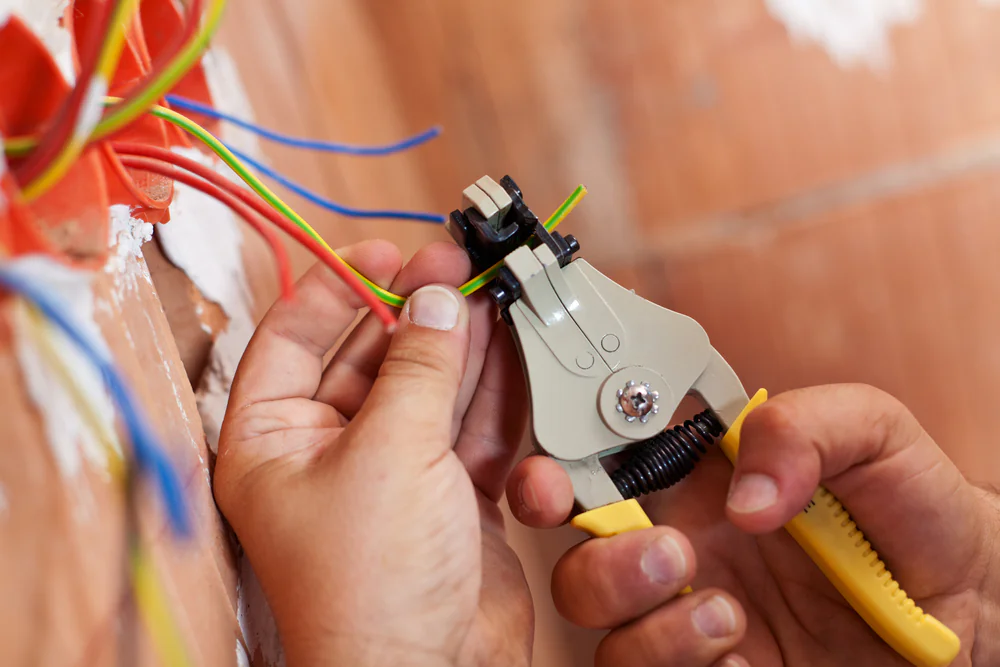

Licensed Electrical Contractor Browns Summit
When your electrical system works properly, you don’t think about it. Lights turn on. Outlets work. Your breaker isn’t tripping every time you run the microwave and coffee maker at the same time.
That’s what good electrical work looks like. No flickering lights when the AC kicks on. No warm outlet covers that make you nervous. No wondering if that burning smell is something serious or just dust on the baseboard heater.
You get a system that handles your actual power needs without drama. Whether that’s upgrading an outdated panel in an older Browns Summit home, adding circuits for a home office setup, or fixing whatever’s making that buzzing sound behind the wall—the work gets done to code, inspected properly, and backed by someone who’ll answer the phone if something goes wrong.
Most electrical problems don’t fix themselves. They get worse. You’re looking at this page because something needs attention, and you’d rather handle it now than at 9 PM on a Sunday when everything costs double.
Local Electrical Company Browns Summit
We work throughout Browns Summit and the surrounding Piedmont Triad area. We’re licensed through the North Carolina State Board of Examiners of Electrical Contractors, which means we can legally pull permits and our work gets inspected to state code.
That matters more than most people realize. A lot of electrical issues we fix are from previous work done by unlicensed contractors or ambitious DIYers who didn’t know what they didn’t know. We’ve seen some creative interpretations of electrical code in older homes around McLeansville and Gibsonville.
We handle residential and commercial electrical services. Panel upgrades, rewiring, new circuits, lighting installations, outlet additions, troubleshooting—the full range. If it involves electricity in your building, we’ve probably done it a few hundred times.

Electrician Services Process Browns Summit
You call or message us with what’s going on. We ask some questions to understand the scope—sometimes it’s obvious, sometimes we need to see it in person to give you an accurate answer.
We schedule a time that works for you. If it’s an emergency situation—no power, exposed wiring, electrical burning smell—we move faster. For planned work like panel upgrades or adding circuits, we coordinate around your schedule.
When we arrive, we assess the situation, explain what we found, and give you a clear estimate before starting work. No surprises. If we find additional issues while we’re in there, we tell you what they are and what they’ll cost to fix before doing anything extra.
The actual work depends on what you need done. Simple repairs might take an hour. Panel replacements take longer. We clean up after ourselves, test everything, and make sure you understand what we did and how to maintain it.
For work requiring permits, we handle that process and coordinate inspections. You don’t need to figure out county requirements or deal with inspector schedules—that’s our job.
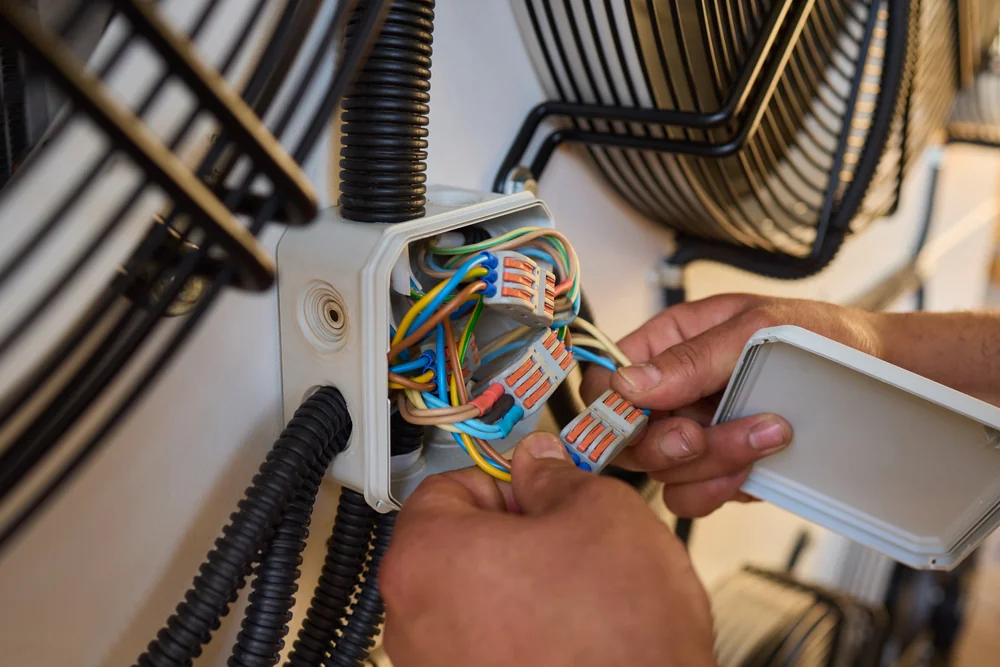
Residential and Commercial Electrical Services
Electrical work in Browns Summit covers a pretty wide range. Older homes in the area often need panel upgrades—many were built with 100-amp service that can’t handle modern electrical loads. You’re looking at $1,200 to $2,500 for most residential panel replacements, depending on amperage and how much updating the existing wiring needs.
Circuit additions run $300 to $800 per circuit, depending on distance from the panel and what’s involved in running the wire. If you’re finishing a basement, adding a workshop, or setting up a home office that needs dedicated circuits, that’s the ballpark.
Rewiring projects vary significantly based on home size and access. Knob-and-tube wiring replacement in older Browns Summit homes is common—that old wiring isn’t just outdated, it’s often a homeowner’s insurance issue. Full rewiring jobs typically run $4,000 to $12,000 for average-sized homes.
Commercial electrical services include lighting retrofits, machinery circuits, code compliance updates, and troubleshooting. Commercial rates are higher because the work often happens after hours and involves more complex systems.
Emergency electrical services cost more—usually $100 to $200 per hour versus $50 to $100 for scheduled work. But if you’ve got a genuine emergency, that’s what it costs to get someone there quickly who knows what they’re doing.
How do I know if my electrical panel needs to be replaced?
Your panel probably needs replacement if it’s over 25 years old, you’re tripping breakers regularly, you see rust or corrosion inside the panel, or you smell burning plastic near it. Those are the obvious signs.
Less obvious: if you can’t run multiple appliances at once without issues, your lights dim when the AC starts, or you’re relying on power strips and extension cords throughout the house because you don’t have enough outlets. That usually means your panel can’t handle your actual electrical load.
Federal Pacific and Zinsco panels should be replaced regardless of age—they’re known fire hazards. If you’ve got one of those, replacement isn’t optional. Many insurance companies won’t cover homes with those panels anymore.
Most homes built before 1990 in the Browns Summit area have 100-amp service. Modern homes typically need 200-amp service to handle HVAC systems, kitchen appliances, electronics, and everything else running simultaneously. If you’re planning any major renovations or additions, upgrading the panel first makes sense.
What's the difference between a licensed electrician and a handyman who does electrical work?
A licensed electrical contractor in North Carolina passed a state exam, carries proper insurance, and can legally pull electrical permits. That means their work gets inspected by county inspectors who verify it meets code.
A handyman doing electrical work can’t legally pull permits for anything beyond basic repairs. If they’re doing panel work, rewiring, or new circuits without permits, that’s a problem—for you. When you sell your home, unpermitted electrical work shows up in inspections and can kill deals or force you to pay for corrections.
Insurance is the other issue. If unlicensed electrical work causes a fire, your homeowner’s insurance can deny the claim. We’ve seen it happen. Someone saves $200 using their brother-in-law, then loses everything when faulty wiring starts a fire and insurance won’t pay because the work wasn’t done by a licensed contractor.
Licensed contractors also know current code requirements. Electrical code changes regularly, and what was acceptable ten years ago might not meet today’s standards. When we do work, it’s done to current code, inspected, and documented properly.
How much does it cost to add outlets or circuits in Browns Summit?
Adding a single outlet on an existing circuit typically costs $150 to $300, depending on how difficult it is to run the wire and whether you need drywall patching afterward. If the outlet location is on the other side of the house from the panel with no easy access, it costs more.
Adding a new dedicated circuit—which you’d need for things like window AC units, garage workshops, or kitchen appliances—runs $300 to $800 per circuit. That includes the breaker, wire, outlet or connection point, and labor. GFCI outlets for bathrooms and kitchens cost slightly more than standard outlets.
If you’re adding multiple outlets or circuits as part of a renovation, the per-unit cost usually drops because we’re already there with materials and tools. Doing five outlets at once is more cost-effective than doing them one at a time over five separate service calls.
The real cost driver is access. If we can run wire through an unfinished basement or accessible attic, it’s straightforward. If we’re fishing wire through finished walls with insulation and no crawl space access, that’s more labor-intensive and costs more accordingly.
Do I need permits for electrical work in Browns Summit?
Yes, for most electrical work beyond simple repairs. Panel replacements, new circuits, rewiring, and any work involving structural changes require permits through Guilford County. The permit costs $50 to $150 depending on project scope, and the work gets inspected before it’s approved.
Some homeowners try to skip permits to save money or time. That’s a mistake. Unpermitted work has to be disclosed when you sell your home. If you don’t disclose it and the buyer discovers it later, you can be sued. If you do disclose it, buyers either walk away or demand you bring everything up to code with proper permits before closing.
Permits also protect you. The inspection process catches mistakes before they become problems. Even experienced electricians occasionally miss something—that’s why inspections exist. When an inspector signs off on work, you’ve got documentation that it was done correctly.
We handle all permit applications and inspection scheduling. You don’t need to take time off work to meet inspectors or figure out county requirements. That’s included in our service. The permit becomes part of your home’s permanent record, which helps with resale value and insurance.
What should I do if I have an electrical emergency?
If you smell burning plastic, see sparks, or have exposed wiring, shut off power at the main breaker immediately. Don’t try to investigate or fix it yourself—electricity kills people every year who thought they could handle it.
For power outages, check if your neighbors have power first. If they do and you don’t, the problem is your system, not the utility. Check your main breaker and panel for tripped breakers. If you find one, try resetting it once. If it trips again immediately, don’t keep resetting it—that breaker is doing its job by preventing an overload or short circuit from causing a fire.
Call an emergency electrician for situations that pose immediate danger: burning smells, buzzing sounds from the panel, outlets or switches that are hot to touch, or any situation involving water and electricity. Those can’t wait until Monday morning.
For less urgent issues—a single outlet not working, a light fixture that went out, a GFCI that won’t reset—you can usually wait for regular business hours. Emergency service rates are significantly higher, so if it’s not actually dangerous, scheduling normal service saves money.
Keep your panel accessible and know where your main shutoff is located. In a genuine emergency, being able to kill power to your entire house quickly matters.
How long does electrical work typically take to complete?
Simple repairs and outlet additions usually take one to three hours. Replacing a light fixture, installing a ceiling fan, adding a single outlet, or troubleshooting a circuit problem are typically half-day jobs at most.
Panel replacements take four to eight hours depending on complexity. If we’re also updating the service entrance or dealing with old wiring that needs attention, add time. The actual panel swap isn’t complicated, but doing it safely and to code takes time.
Whole-house rewiring takes several days to a couple weeks, depending on home size and whether walls are open or finished. If you’re rewiring during a renovation with walls already open, it goes much faster than fishing wire through finished walls.
Commercial projects vary widely based on scope. A simple lighting retrofit might take a day. Installing electrical for new equipment or doing a full commercial build-out takes longer and usually happens outside business hours to avoid disrupting operations.
We give you realistic timeframes upfront. If something takes longer than expected because we found additional issues, we explain what we found and why it needs attention before proceeding. You’re not going to get surprised by a three-day project that we told you would take four hours.
About Us

Electrical Service Providers (ESP) has been in business since 2002. ESP started out performing wiring services to new construction, remodeling projects and residential homes. Our company’s president identified a market for electrical services to be performed in homes and businesses independent of new construction. Read More about Electrical Service Providers>>
All Rights Reserved.Organic Marketing LLC
Business Listings


Product Brands Used
Allied, Broan, Cutler Hammer, General Electric, Ideal, Juno, Kohler, Leviton, Lutron, Siemens, Square D
Contact
- Office Address: 3254 S Anthony Ct.
Burlington, NC 27215 - Mailing Address: PO Box 25
Alamance, NC 27201 - Phone: 336-228-3300
- E-mail: [email protected], [email protected]
Service Areas
Chapel Hill, Burlington, Carrboro, Durham, Gibsonville, Hillsborough, Graham, Pittsboro, Morrisville, Cary
About Us
Electrical Service Providers (ESP) has been in business since 2002. ESP started out performing wiring services to new construction, remodeling projects and residential homes. Our company’s president identified a market for electrical services to be performed in homes and businesses independent of new construction. Read More about Electrical Service Providers>>
All Rights Reserved.Organic Marketing LLC