Electrical Company in Crutchfield Crossroads, NC
Your Home's Electrical System Shouldn't Keep You Up at Night
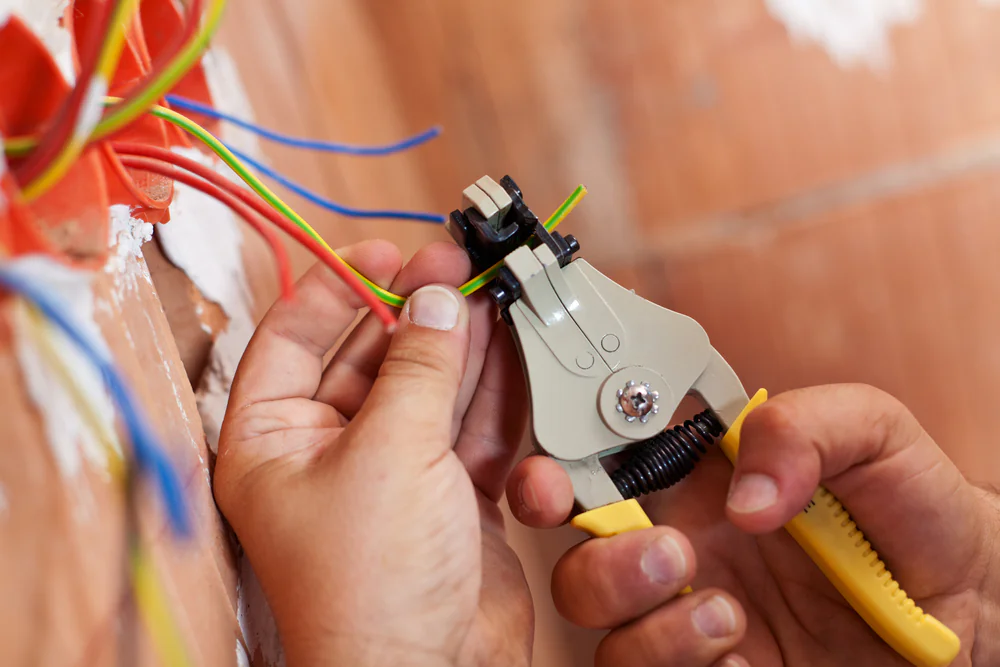

Local Electrical Company Serving Crutchfield Crossroads
You flip a breaker and it trips again ten minutes later. Or the lights flicker every time the AC kicks on. Or you’re running space heaters on extension cords because half your outlets don’t work anymore.
These aren’t just annoyances. They’re signs your electrical system can’t handle what you’re asking it to do. And in homes built between 1970 and 1999—which describes most of Crutchfield Crossroads—that’s more common than you’d think.
Modern homes need about 200 amps to run safely. Older homes were built for 60, maybe 100 if you’re lucky. Add in laptops, phone chargers, microwaves, washers, dryers, and HVAC systems, and you’re pushing a system that was never designed for this kind of load.
We handle residential electrical services and commercial electrical services across Crutchfield Crossroads and Chatham County. Panel upgrades, rewiring, generator installs, lighting, outlets, safety inspections—the work that keeps your home functional and your family safe. You’ll know the price before any work starts, and the job gets done without surprises or runarounds.
Licensed Electrical Contractor in Crutchfield Crossroads
We’ve been serving Crutchfield Crossroads since 2002. Started with new construction wiring, then expanded into residential and commercial electrical repair and upgrades. Andy Helton, the owner, is a Master Electrician with over 35 years in the trade.
You call, you talk to a person. Not a call center. Not a voicemail. Someone who knows the area, knows the common issues in homes around here, and can tell you what needs to happen next.
We’re licensed, insured, and bonded. State licenses in Electrical and Master Electrician, plus a Class B Contractor license. Work is guaranteed until you’re satisfied. Our trucks are fully stocked so most jobs get finished the same day without waiting on parts or making return trips.

Electrician Services in Crutchfield Crossroads, NC
You call or submit a request. Someone answers—usually the same day—and asks what’s going on. If it’s an emergency, a technician heads out right away. If it’s scheduled work, you pick a time that works for you.
The electrician shows up in a uniform, with a fully stocked truck. They assess the issue, explain what’s wrong in plain terms, and give you a flat-rate price before starting any work. No hourly guessing games. You know the cost upfront.
Once you approve, they get to work. Most electrical repairs and installations are completed the same visit. Panel upgrades or rewiring jobs might take a day or two depending on the scope. Either way, you’re kept in the loop.
After the work is done, the electrician walks you through what was fixed or installed, answers any questions, and cleans up. The job isn’t finished until you’re satisfied. If something doesn’t feel right, we make it right.
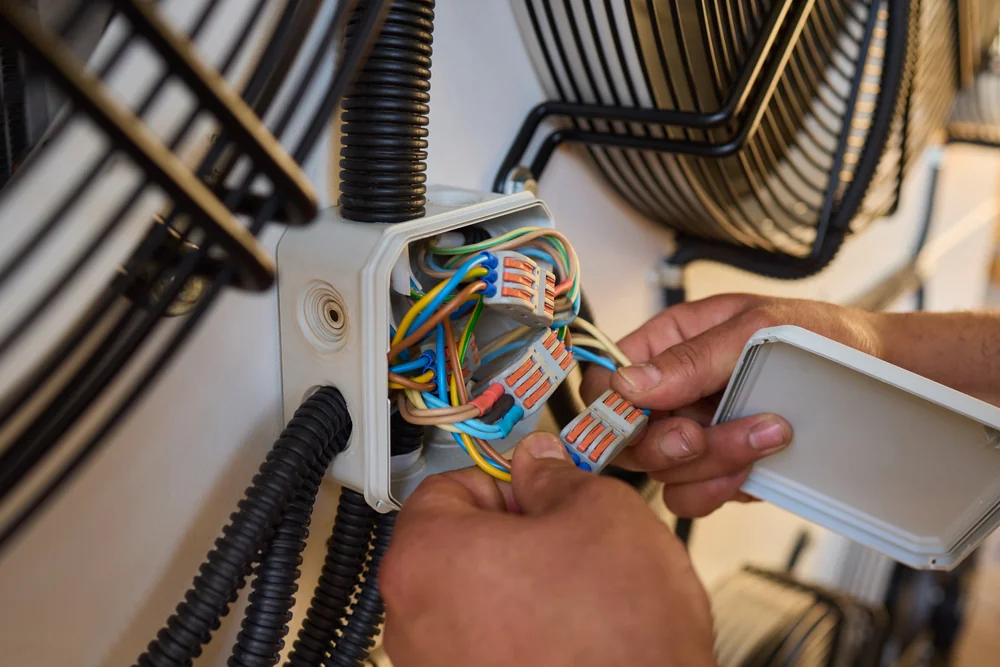
Residential Electrical Company in Crutchfield Crossroads
Crutchfield Crossroads sits in northwestern Chatham County, where most homes are owner-occupied single-family houses built decades ago. That means a lot of electrical systems that weren’t designed for how people live today.
We handle electrical panel upgrades for homes that trip breakers constantly or can’t support new appliances. Rewiring jobs for houses with outdated knob-and-tube or aluminum wiring that insurance companies won’t cover anymore. GFCI outlet installations in kitchens and bathrooms where code requires them. Whole-house generator installations for families tired of losing power every time a storm rolls through.
North Carolina gets hit with hurricanes, ice storms, and summer thunderstorms that knock out power for hours or days. Generator demand has tripled in the last few years, and for good reason. If you’ve got medical equipment, a home office, or just don’t want to throw out a fridge full of food every time the grid goes down, a generator makes sense.
We also handle commercial electrical work—office buildings, retail spaces, service facilities. Lighting upgrades, electrical troubleshooting, code compliance work, emergency repairs. Same approach: show up on time, explain what needs to happen, give you a price, and get it done right.
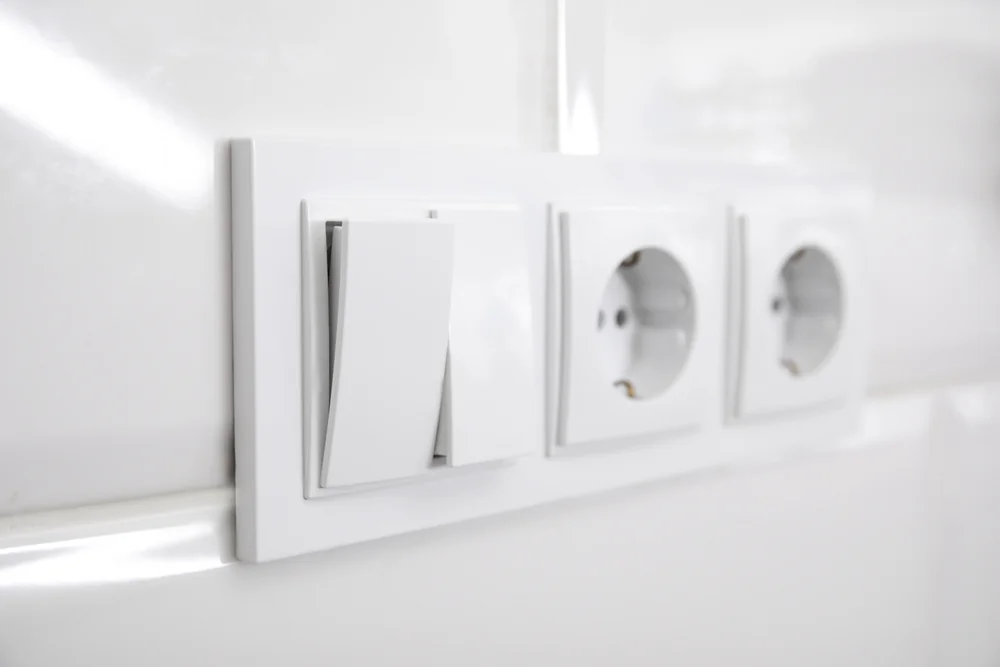
How do I know if my electrical panel needs to be upgraded?
If your breakers trip regularly, especially when you run multiple appliances at once, your panel is probably undersized for your current electrical load. Homes built before 1990 often have 60- or 100-amp panels, which can’t handle modern demand.
Other signs include flickering lights when the AC or heat kicks on, outlets that don’t work or feel warm to the touch, or a panel that’s warm or making buzzing sounds. If your home still has a fuse box instead of breakers, that’s another indicator it’s time to upgrade.
Insurance companies also care about this. Some won’t cover homes with outdated panels or old wiring like aluminum or knob-and-tube. If you’re buying, selling, or refinancing, an electrical inspection might flag your panel as a problem. Upgrading to a 200-amp panel solves the capacity issue and brings your home up to current code.
What's involved in replacing old wiring in my home?
Rewiring depends on the size of your home and how accessible the wiring is. In most cases, the electrician will run new wiring through your walls, attic, or crawl space to replace outdated or unsafe wiring like knob-and-tube or aluminum.
The process usually involves cutting small access holes in walls or ceilings to pull new wire, then patching and painting those areas afterward. If your home has an accessible attic or basement, the job is faster and less invasive. If not, it takes a bit more work to route everything properly.
A full rewire can take anywhere from a few days to a week depending on the home’s size and layout. You’ll likely need to be out of certain rooms while work is happening, but most families stay in the house during the project. The payoff is a safer system, better electrical capacity, and peace of mind that your wiring meets current safety standards.
How long does it take to install a whole-house generator?
Most whole-house generator installations take one to three days depending on the size of the generator, your home’s electrical setup, and whether you need a concrete pad or natural gas line run.
The electrician will install a transfer switch that connects your generator to your home’s electrical panel. When the power goes out, the generator kicks on automatically and the transfer switch routes power to your home. You pick which circuits get powered—usually essentials like HVAC, refrigerator, lights, and outlets.
If your home uses propane or natural gas, the generator ties into that fuel source. If not, you can use a propane tank. Either way, the generator is installed outside on a level surface, usually a concrete pad. Once it’s wired, fueled, and tested, it’s ready to go. We handle Generac installations and service, which are the most common systems in this area.
Do I really need GFCI outlets, or is that just a code thing?
GFCI outlets are required by code in areas where water and electricity might meet—kitchens, bathrooms, garages, basements, and outdoor outlets. But the reason they’re required is because they actually prevent electrocution.
A GFCI outlet detects when electrical current is leaking and shuts off power in a fraction of a second. If you drop a hair dryer in the sink or a power tool gets wet, the GFCI trips before anyone gets hurt. Standard outlets don’t do that.
If your home was built before the 1980s, you probably don’t have GFCI outlets in all the places code now requires them. Upgrading is inexpensive and fast—usually a same-day job. And if you’re selling your home, an inspection will likely flag missing GFCIs as an issue. Better to handle it now than during a sale when you’re under pressure.
What should I do if my power goes out but my neighbors still have electricity?
If your power is out but the rest of the street has power, the issue is with your home’s electrical system, not the grid. First, check your main breaker panel to see if the main breaker tripped. If it did, try resetting it. If it trips again immediately, don’t keep flipping it—that’s a sign of a bigger problem.
The issue could be a damaged service line between the utility pole and your house, a problem with your meter, or a fault inside your panel. Sometimes heavy storms or falling branches damage the service line, and sometimes it’s just age and wear.
Call an electrician, not the power company. If the problem is between the meter and your house, that’s your responsibility, not the utility’s. We offer 24/7 emergency service for situations like this. A technician can diagnose the issue, make temporary repairs if needed, and get your power back on safely.
How much does electrical work typically cost in Crutchfield Crossroads?
Pricing depends on the scope of work. A simple outlet or switch replacement might run a couple hundred dollars. A panel upgrade typically costs a few thousand depending on the amperage and how much work is involved. Whole-house rewiring can range from several thousand to over ten thousand depending on the home’s size and accessibility.
We use flat-rate pricing, which means you’ll know the cost before any work starts. No hourly rates, no surprise charges, no “we’ll see how long it takes” estimates. The electrician assesses the job, gives you a price, and sticks to it.
Most electrical work is an investment in safety and functionality, not just a repair. A panel upgrade prevents electrical fires. New wiring brings your home up to code and makes it insurable. A generator keeps your family comfortable and safe during outages. The cost makes sense when you consider what you’re actually getting.
About Us

Electrical Service Providers (ESP) has been in business since 2002. ESP started out performing wiring services to new construction, remodeling projects and residential homes. Our company’s president identified a market for electrical services to be performed in homes and businesses independent of new construction. Read More about Electrical Service Providers>>
All Rights Reserved.Organic Marketing LLC
Business Listings


Product Brands Used
Allied, Broan, Cutler Hammer, General Electric, Ideal, Juno, Kohler, Leviton, Lutron, Siemens, Square D
Contact
- Office Address: 3254 S Anthony Ct.
Burlington, NC 27215 - Mailing Address: PO Box 25
Alamance, NC 27201 - Phone: 336-228-3300
- E-mail: [email protected], [email protected]
Service Areas
Chapel Hill, Burlington, Carrboro, Durham, Gibsonville, Hillsborough, Graham, Pittsboro, Morrisville, Cary
About Us
Electrical Service Providers (ESP) has been in business since 2002. ESP started out performing wiring services to new construction, remodeling projects and residential homes. Our company’s president identified a market for electrical services to be performed in homes and businesses independent of new construction. Read More about Electrical Service Providers>>
All Rights Reserved.Organic Marketing LLC