Electrical Company in Graham, NC
Your Home's Electrical System Shouldn't Keep You Up at Night
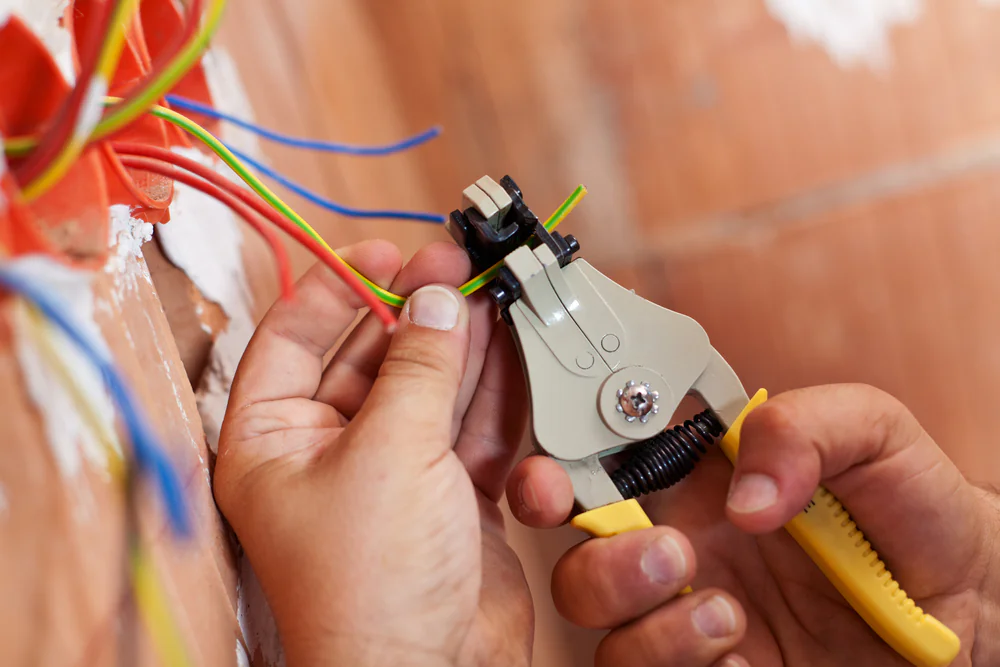

Licensed Electrical Contractor in Graham
You stop worrying about whether that flickering light is a fire hazard. Your breaker stops tripping every time you run the microwave and coffee maker at the same time. Your home can actually handle the way you live now—not how people lived in 1985.
Here’s what changes: you know the cost before any work starts, not after. You get a licensed electrician who shows up when they say they will, in a stocked truck, ready to finish the job that day. No waiting for parts. No callback appointments three weeks out.
Your electrical panel can handle your EV charger, your smart home devices, and everything else you’ve added to your life in the last decade. The outlets in your kitchen and bathrooms have the GFCI protection that actually prevents shock. And if something does go wrong at 9 PM on a Saturday, you have someone to call who’ll actually pick up.
Graham Electrician Services Since 2002
We started ESP Electrical Service Providers in 2002, doing electrical work for new construction and remodels across Alamance County. Over time, we realized homeowners and business owners in Graham needed something the market wasn’t giving them—electricians who actually respond when you call, who show up on time, and who don’t leave you hanging mid-project.
So that’s what we built. A local electrical company with over 40 years of combined experience, fully licensed and insured, serving residential and commercial customers throughout Graham, Burlington, and the surrounding area. We’re not the biggest operation in North Carolina, but we’re the ones who’ll answer the phone and give you a straight answer about what your electrical system actually needs.

Our Electrical Repair Process in Graham
You call or contact us with your electrical issue—whether it’s an emergency repair, a panel upgrade, or a full rewire. We ask the right questions to understand what’s happening and schedule a time that works for your schedule, not just ours.
Our electrician shows up in uniform, in a fully stocked service truck. Before any work begins, you get flat-rate pricing. You know exactly what it costs before we touch anything. No hourly rates that climb while you watch. No surprise charges when the job takes longer than expected.
We complete the work, test everything to make sure it’s functioning properly and up to code, and clean up before we leave. You get a lifetime warranty on labor for up to 25 years, and materials are covered by manufacturer warranties. If you have questions a week later or a year later, you can call the same number and talk to someone who knows your property.
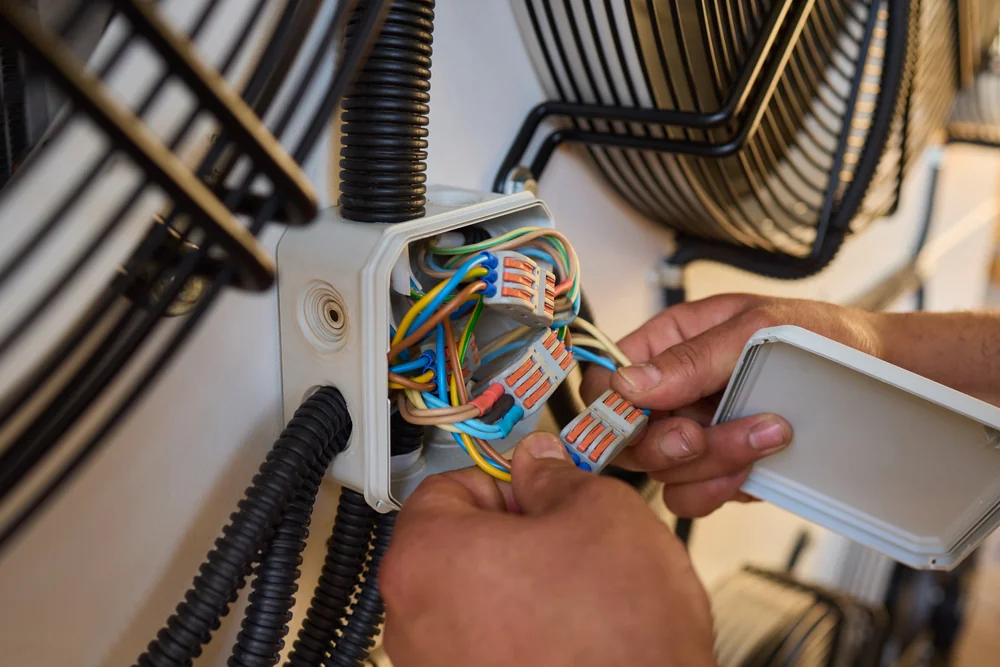
Residential Electrical Company in Graham, NC
You’re getting electrician services from someone who’s licensed, insured, and has been working in Graham and Alamance County for more than two decades. That means we know the common electrical issues in homes around here—older homes with outdated wiring that can’t handle modern electrical loads, panels that need upgrading to meet 2025 National Electrical Code requirements, and commercial properties that need reliable power for daily operations.
We handle residential electrical work like panel upgrades, whole-home rewiring, GFCI and AFCI installation, lighting upgrades, and smart home technology integration. For commercial clients, we provide everything from routine electrical repairs to complete system installations. We also install and service generators, which matters in North Carolina where storm season can knock out power for days.
Every service call includes an electrician who can actually diagnose the problem, not just guess. Our trucks carry the parts and materials to complete most jobs the same day. And because we use flat-rate pricing, you’re not paying more just because your electrical issue is complicated or time-consuming to fix properly.
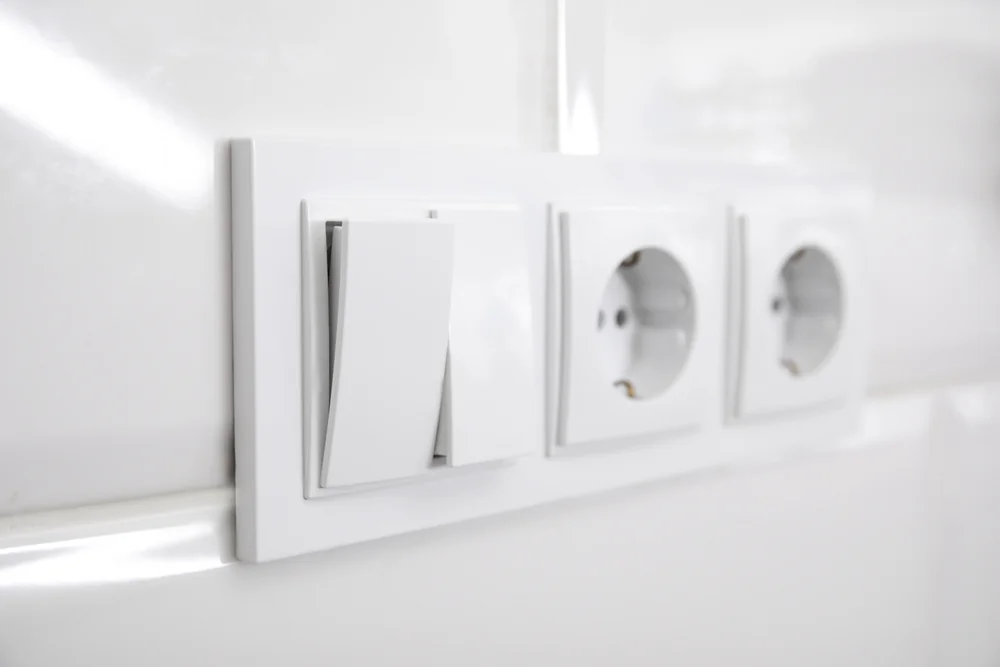
How do I know if my home's electrical wiring is outdated or dangerous?
If your home is more than 40 years old and hasn’t had an electrical update, there’s a good chance your wiring can’t safely handle how you use electricity today. The warning signs are usually pretty clear: breakers that trip frequently, lights that dim when you turn on an appliance, outlets that feel warm to the touch, or a burning smell near your electrical panel.
Homes built before the 1980s often have wiring that was designed for a fraction of the electrical load we use now. Back then, homes didn’t have central air conditioning, multiple computers, phone chargers in every room, and kitchen appliances running simultaneously. The wiring wasn’t built for it.
The actual danger comes from overloaded circuits creating heat, which can ignite surrounding materials. Electrical fires account for over 51,000 home fires every year in the U.S., causing nearly 500 deaths and over a billion dollars in property damage. Most of those fires start because of outdated or faulty wiring that homeowners didn’t know was a problem. If you’re seeing any of those warning signs, it’s worth having a licensed electrician evaluate your system before it becomes a bigger issue.
What's the difference between GFCI and AFCI outlets, and do I really need them?
GFCI outlets protect you from electrical shock, especially in areas where water and electricity can meet—kitchens, bathrooms, garages, and outdoor outlets. They detect when electrical current is going somewhere it shouldn’t (like through you) and shut off power in a fraction of a second. If you have outlets near sinks or outside your home that don’t have the test/reset buttons, they’re not GFCI protected, and they should be.
AFCI protection is different. It detects arc faults—basically, electrical sparks caused by damaged wiring, loose connections, or deteriorating insulation. Those arcs create heat, and that heat starts fires. Arc faults cause nearly 47,000 home fires annually, and most homeowners have no idea it’s happening until it’s too late. AFCI protection is now required by code in most living areas of your home.
The 2025 National Electrical Code has updated requirements for both, which means if you’re doing any electrical work or selling your home, you’ll likely need to upgrade. But even if you’re not required to, these devices exist because they save lives. The cost of installing them is minimal compared to what you’re protecting against.
How much does it cost to upgrade an electrical panel in Graham?
Panel upgrades typically range from a few thousand dollars to more, depending on the size of the upgrade, the condition of your existing system, and what needs to happen to bring everything up to current code. If you’re going from a 100-amp service to 200-amp service, that’s different than just replacing an outdated panel with a modern one at the same amperage.
The reason we use flat-rate pricing is so you know the exact cost before we start. We’ll evaluate your current panel, talk through what you’re trying to accomplish (maybe you’re adding an EV charger, or your breakers trip constantly, or you’re finishing a basement), and give you a price that doesn’t change halfway through the job.
What makes panel upgrades worth it: your home can handle your actual electrical needs, you’re up to code, your insurance company won’t flag your outdated panel, and you’ve eliminated a major fire risk. A lot of homes in Graham and Alamance County still have panels from the 70s and 80s that are overloaded and potentially dangerous. Upgrading isn’t just about convenience—it’s about safety and protecting your property value.
Do you offer emergency electrical services in Graham, or just scheduled appointments?
We handle both. If your power goes out, your panel starts smoking, or you have an electrical emergency that can’t wait until Monday morning, we respond immediately. Electrical emergencies are one of the main reasons we shifted from just doing new construction work to becoming a full-service electrical contractor—people needed someone who’d actually pick up the phone and show up.
Scheduled work is obviously easier to plan for, but we understand that electrical problems don’t care about your schedule. A breaker that fails at 8 PM on a Saturday can mean no heat, no refrigeration, and no way to keep your home running until someone fixes it. That’s not something you should have to wait three days for.
When you call, you talk to a person, not an answering machine. We’ll ask what’s happening, determine if it’s something that needs immediate attention, and get someone to your property as quickly as possible. Our trucks are stocked for most common repairs, so we’re not showing up just to diagnose the problem and then leave to get parts. We’re coming to fix it.
Can you install a whole-home generator, and is it worth it in this area?
Yes, we install, repair, and maintain generators throughout Graham and Alamance County. Whether it’s worth it depends on how much you rely on power and what happens when you lose it. If you work from home, have medical equipment that requires electricity, or just don’t want to deal with losing everything in your fridge and freezer every time a storm rolls through, a generator makes sense.
North Carolina gets hit with severe weather—hurricanes, ice storms, summer thunderstorms that knock out power for hours or days. If you’ve lived here long enough, you’ve dealt with it. A whole-home generator kicks on automatically when the power goes out, runs your essential systems (or your whole house, depending on the size), and shuts off when grid power comes back. You don’t have to do anything.
The cost varies based on the size of the generator and what you need it to power, but we’ll walk you through the options and give you flat-rate pricing before any installation begins. We also handle ongoing maintenance, because a generator that doesn’t work when you actually need it isn’t worth much. If you’re tired of losing power every time the weather gets bad, it’s worth a conversation.
What should I look for when hiring an electrician in Graham?
First, make sure they’re licensed and insured. North Carolina requires electrical contractors to be licensed for a reason—electrical work is dangerous if you don’t know what you’re doing, and it has to meet code or it puts your property and your family at risk. If someone can’t show you their license or proof of insurance, don’t hire them.
Second, ask about pricing before they start. Hourly rates can spiral out of control, especially if the job is more complicated than expected. Flat-rate pricing means you know the cost upfront, and it doesn’t change just because the work takes longer. You should never be surprised by the bill at the end.
Third, pay attention to how they communicate. Do they actually answer the phone, or are you leaving voicemails and waiting for callbacks? Do they show up when they say they will? Are they explaining what’s wrong and what needs to happen, or just telling you it’ll cost X amount and hoping you don’t ask questions? You’re trusting this person with your home’s electrical system. If they can’t be straightforward and reliable before you hire them, they won’t be after. We’ve been doing this in Graham since 2002 because we show up, we communicate clearly, and we do the work right the first time.
Other Services we provide in Graham
About Us

Electrical Service Providers (ESP) has been in business since 2002. ESP started out performing wiring services to new construction, remodeling projects and residential homes. Our company’s president identified a market for electrical services to be performed in homes and businesses independent of new construction. Read More about Electrical Service Providers>>
All Rights Reserved.Organic Marketing LLC
Business Listings


Product Brands Used
Allied, Broan, Cutler Hammer, General Electric, Ideal, Juno, Kohler, Leviton, Lutron, Siemens, Square D
Contact
- Office Address: 3254 S Anthony Ct.
Burlington, NC 27215 - Mailing Address: PO Box 25
Alamance, NC 27201 - Phone: 336-228-3300
- E-mail: [email protected], [email protected]
Service Areas
Chapel Hill, Burlington, Carrboro, Durham, Gibsonville, Hillsborough, Graham, Pittsboro, Morrisville, Cary
About Us
Electrical Service Providers (ESP) has been in business since 2002. ESP started out performing wiring services to new construction, remodeling projects and residential homes. Our company’s president identified a market for electrical services to be performed in homes and businesses independent of new construction. Read More about Electrical Service Providers>>
All Rights Reserved.Organic Marketing LLC