Electrical Company in Green Level, NC
Your Power Stays On When It Matters Most
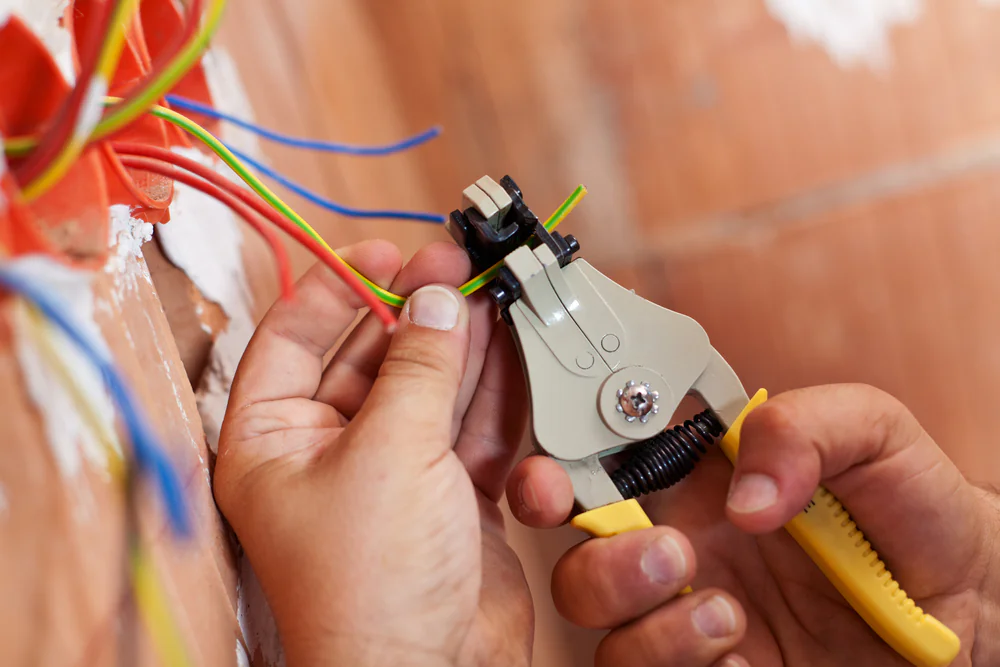

Licensed Electrical Contractor Green Level
You’re not waiting around guessing when someone will show up or what it’ll cost. You get a clear price upfront, a fully stocked truck that arrives on time, and a licensed electrician who’s been doing this for over three decades.
Your electrical system either works safely or it doesn’t. There’s no in-between. That’s why every job gets the same attention whether it’s replacing a breaker or installing a whole-home generator.
When the power goes out during a storm, you’re not scrambling. When your panel starts tripping breakers, you’re not wondering if it’s safe. You call once, get it handled right, and move on with your day. That’s what 22 years in business in this area gets you—electrician services that actually solve the problem the first time.
Local Electrical Company Green Level NC
ESP Electrical Service Providers started because there was a gap in Green Level and the surrounding Alamance County area. Too many electrical contractors focused only on new construction, leaving homeowners and businesses without reliable service when things went wrong.
Andy Helton, our master electrician with 35+ years of experience, built this company to fill that gap. We’re based in Burlington, fully licensed and insured, and we’ve spent over two decades serving the same neighborhoods you live in.
You’re not getting an answering machine when you call. You’re talking directly to someone who can actually help. That’s how a local electrical company should work.

Electrician Services Process Green Level
First, you reach a real person—not a voicemail. You explain what’s going on, and we schedule a time that works for you. If it’s an emergency, we dispatch immediately.
When our electrician arrives, the truck is already stocked with the parts most jobs require. No running to supply houses in the middle of your service call. We assess the issue, explain what needs to happen, and give you a flat-rate price before any work begins.
Once you approve, we get to work. The job gets done right the first time, the site gets cleaned up, and we don’t consider it complete until you’re satisfied. If you have questions a week later, you can call or text the owner directly. That’s the process—straightforward, professional, and focused on actually fixing your electrical problem.
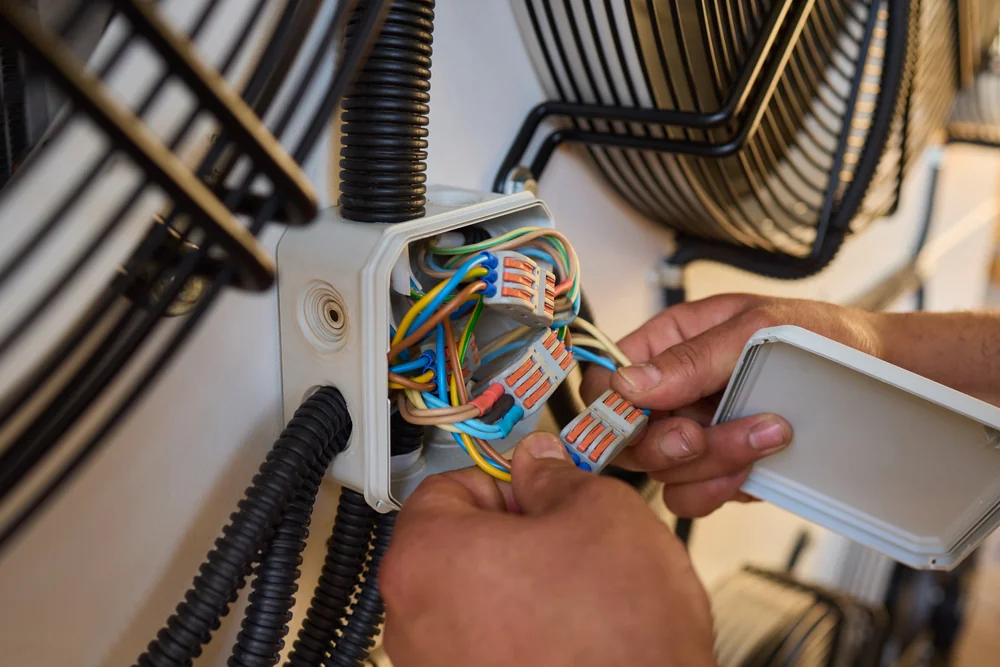
Residential Electrical Company Green Level NC
You’re covered for electrical repair, panel upgrades, generator installation, EV charger setup, and smart home wiring. If it involves your home’s electrical system, we handle it.
Green Level has seen significant growth, and many homes in the area were built before modern electrical demands existed. Your panel might’ve been fine in 1995, but it wasn’t designed for multiple smart devices, electric vehicle charging, and high-efficiency HVAC systems running simultaneously. We upgrade panels to handle your actual load—not just meet minimum code.
Generator installation has become essential here. After Hurricane Helene, demand surged because people realized backup power isn’t a luxury anymore—it’s necessary when outages last hours or days. We’re a Generac authorized dealer, and we handle the entire installation from permits to startup.
Our commercial electrical services cover office buildings, retail spaces, and industrial facilities across Alamance County. Same approach: clear pricing, licensed electricians, and work that passes inspection the first time.
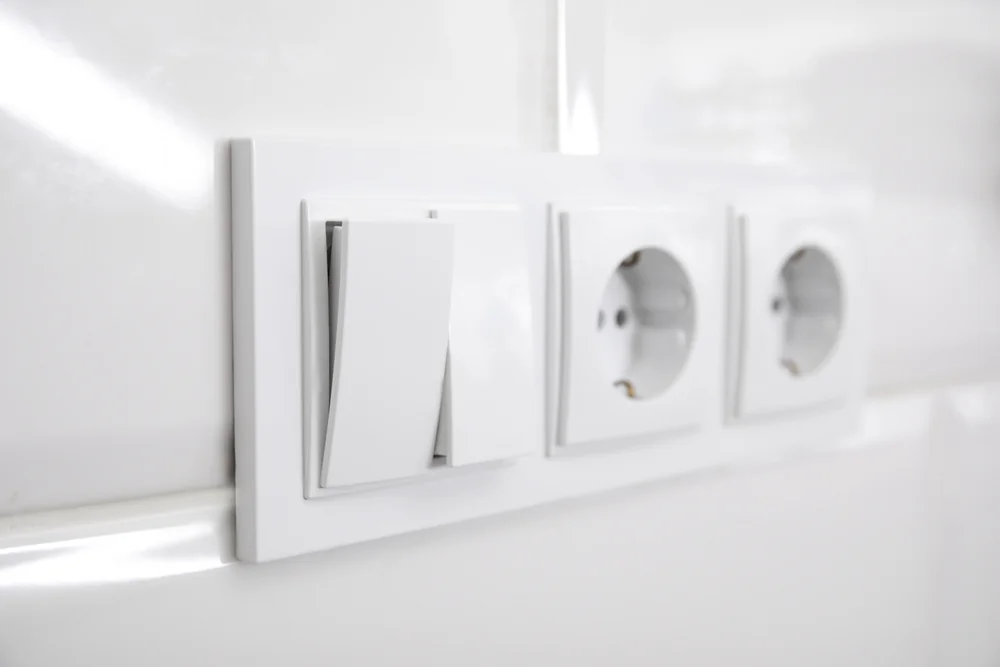
How much does it cost to upgrade an electrical panel in Green Level?
A complete electrical panel upgrade typically runs between $2,000 and $4,000 depending on the amperage you need and whether your service entrance requires updating. Most homes in Green Level built before 2000 have 100-amp or 150-amp panels, which aren’t enough if you’re adding an EV charger, a generator, or upgrading to a heat pump system.
We give you a flat-rate price after assessing your current setup and what you’re planning to add. That price includes the new panel, all necessary breakers, permits, and inspection fees. You’ll know the exact cost before we start.
Insurance companies in North Carolina often give 10-15% discounts on homeowner policies when you upgrade to a modern panel with arc-fault and ground-fault protection. That discount adds up over time and makes the upgrade pay for itself while eliminating fire risk from outdated equipment.
Do I really need a whole-home generator in Green Level, NC?
If losing power for 6-12 hours creates a real problem for your household, then yes. Green Level and the surrounding areas have experienced more frequent outages due to severe weather, and that trend isn’t reversing.
A whole-home generator automatically kicks on within seconds of losing grid power. Your HVAC keeps running, your refrigerator stays cold, your medical equipment stays powered, and you’re not sitting in the dark waiting for the utility company. It runs on natural gas or propane, so you’re not refilling anything or running extension cords.
Installation takes 1-2 days depending on your property setup. We handle the gas line connection, the transfer switch installation, and all electrical hookups. After Hurricane Helene, wait times stretched to 3 months because demand spiked. If you’re considering it, don’t wait until the next storm is forecasted—that’s when everyone else calls.
How do I know if my home's wiring is safe?
If your home was built before 1990, there’s a good chance some wiring needs attention. Warning signs include breakers that trip frequently, outlets that feel warm to the touch, flickering lights when you run appliances, or a burning smell near outlets or switches.
Aluminum wiring, common in homes built between 1965 and 1973, requires special attention because connections can loosen over time and create fire hazards. Knob-and-tube wiring, found in homes built before 1950, isn’t grounded and can’t safely handle modern electrical loads.
We perform electrical safety inspections that check your panel, test outlets for proper grounding, inspect visible wiring for damage, and measure voltage levels throughout your home. You get a written report explaining what’s safe, what needs immediate attention, and what you should plan to address in the next few years. Over 51,000 electrical fires happen annually in U.S. homes—most are preventable with proper maintenance and timely upgrades.
What's the difference between a service call and an emergency call?
A service call is scheduled during normal business hours for non-urgent issues—installing a ceiling fan, adding outlets, upgrading lighting, or troubleshooting a circuit that’s not working. You schedule a time that’s convenient, and we show up in that window.
An emergency call is for situations that pose immediate safety risks or leave you without essential power. Sparking outlets, burning smells, complete power loss, or exposed wiring all qualify. We dispatch immediately, including nights, weekends, and holidays.
Emergency calls have a higher dispatch fee because we’re interrupting other schedules and responding right away. But if your panel is smoking or you’ve lost power to your entire home in the middle of winter, waiting until Monday isn’t an option. We’re available 24/7 for true emergencies because electrical problems don’t wait for business hours.
Can you install an EV charger in my garage?
Yes, and it’s one of the most common requests we’re getting in Green Level as more residents switch to electric vehicles. A Level 2 EV charger requires a 240-volt circuit, similar to what your dryer uses, but with higher amperage—usually 40 or 50 amps.
First, we assess whether your current electrical panel has capacity for the additional load. If you’re already near your panel’s limit, we’ll need to upgrade it before installing the charger. Then we run the circuit from your panel to your garage, install the charging station, and make sure everything is properly grounded and code-compliant.
Charging times drop dramatically with a Level 2 charger compared to a standard outlet. You’re looking at 4-6 hours for a full charge instead of 24+ hours. Installation typically takes half a day, and you’ll be charging at home that evening. The investment pays off quickly compared to using public charging stations, and it adds value if you ever sell your home.
Why does my breaker keep tripping on the same circuit?
A breaker trips because it’s detecting a problem—either you’re overloading the circuit, there’s a short somewhere in the wiring, or the breaker itself has worn out. If it happens once, it’s doing its job. If it keeps happening, something needs to be fixed.
Overloading is the most common cause. You’re plugging too many high-draw appliances into outlets on the same circuit. Space heaters, window AC units, hair dryers, and microwaves all pull significant power. If two or more run simultaneously on a 15-amp circuit, the breaker trips to prevent the wire from overheating.
A short circuit or ground fault is more serious. This means damaged wiring is allowing electricity to flow where it shouldn’t, creating heat and fire risk. The breaker trips to stop it, but the underlying problem remains until the wiring is repaired. We trace the circuit, identify where the fault is occurring, and fix it properly. Ignoring a breaker that trips repeatedly isn’t just inconvenient—it’s a safety issue that needs professional attention.
Other Services we provide in Green Level
About Us

Electrical Service Providers (ESP) has been in business since 2002. ESP started out performing wiring services to new construction, remodeling projects and residential homes. Our company’s president identified a market for electrical services to be performed in homes and businesses independent of new construction. Read More about Electrical Service Providers>>
All Rights Reserved.Organic Marketing LLC
Business Listings


Product Brands Used
Allied, Broan, Cutler Hammer, General Electric, Ideal, Juno, Kohler, Leviton, Lutron, Siemens, Square D
Contact
- Office Address: 3254 S Anthony Ct.
Burlington, NC 27215 - Mailing Address: PO Box 25
Alamance, NC 27201 - Phone: 336-228-3300
- E-mail: [email protected], [email protected]
Service Areas
Chapel Hill, Burlington, Carrboro, Durham, Gibsonville, Hillsborough, Graham, Pittsboro, Morrisville, Cary
About Us
Electrical Service Providers (ESP) has been in business since 2002. ESP started out performing wiring services to new construction, remodeling projects and residential homes. Our company’s president identified a market for electrical services to be performed in homes and businesses independent of new construction. Read More about Electrical Service Providers>>
All Rights Reserved.Organic Marketing LLC