Electrical Company in Hopedale, NC
Electrical Work Done Right the First Time
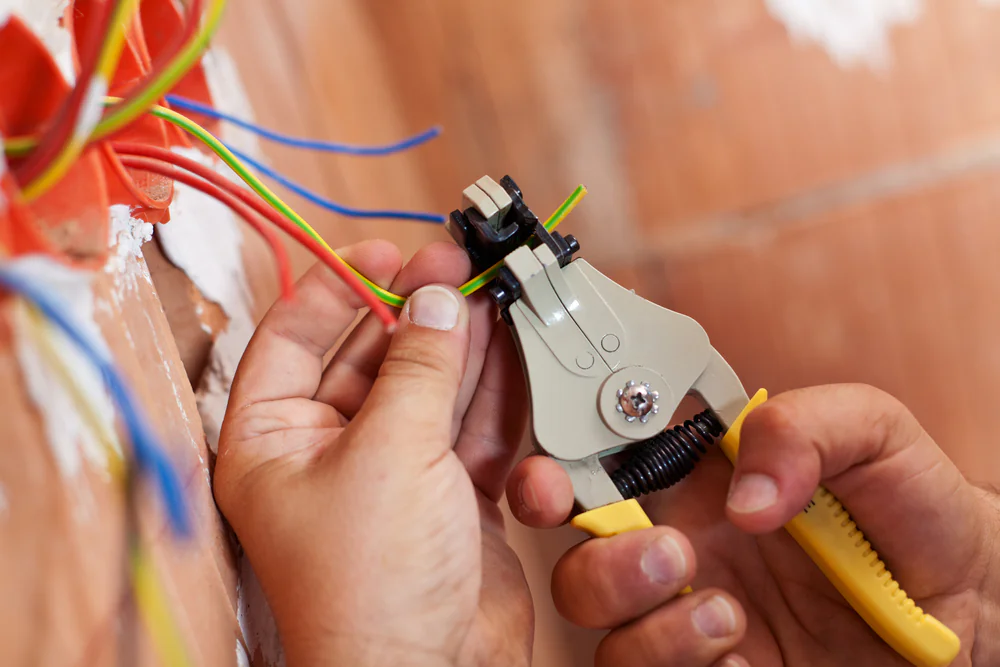

Licensed Electrician Services in Hopedale
You flip a switch and the lights come on. Your breaker stops tripping every time you run the microwave and coffee maker at the same time. Your outlets are grounded, your panel isn’t overheating, and you’re not wondering if that burning smell is something you should worry about.
That’s what proper electrical work gets you. Not just code compliance or a signed permit—actual peace of mind that your home or business is safe, functional, and ready for how you actually use it today.
We’ve been doing electrical work in Hopedale and the surrounding area since 2002. We know the older homes around here—the ones built in the 60s and 70s that weren’t wired for modern loads. We know what fails first, what’s worth upgrading, and what you can leave alone. And we’ll tell you the difference, because our job isn’t to sell you everything. It’s to fix what’s broken and upgrade what matters.
Local Electrical Company Serving Hopedale
ESP Electrical Service Providers has been serving Hopedale, NC and the surrounding counties since 2002. We’re locally owned and operated by Andy Helton, a master electrician with more than 35 years of hands-on electrical experience and training.
We started in new construction and remodeling, then expanded to serve existing homes and commercial facilities. That means we’ve seen it all—from knob-and-tube wiring in century homes to modern smart home installations. We’re fully licensed by the NC State Board of Examiners of Electrical Contractors and carry full insurance coverage.
You can reach Andy directly by call, text, or email. No phone trees, no runaround. Just straight answers and real communication about what your property needs.

How Our Electrician Services Work
First, you call or text and talk to a real person—often Andy himself. We’ll ask what’s going on, and if it’s an emergency, we can usually get to you within an hour. For scheduled work, we’ll set a time that works for you and actually show up when we say we will.
When we arrive, our technician comes in uniform, in a fully stocked truck. We assess the issue, explain what we found, and give you flat-rate pricing before we start any work. No surprises, no hourly padding. You know the cost upfront.
Then we do the work. We pull permits when required, follow code, and clean up before we leave. If it’s a bigger job—like a panel upgrade or rewiring—we’ll walk you through what’s happening at each stage so you’re never in the dark about your own electrical system.
The work isn’t done until you’re satisfied. That’s not a slogan—it’s how we operate. If something doesn’t look right or you have questions after we leave, you call us back. We guarantee our work, and we stand behind it.
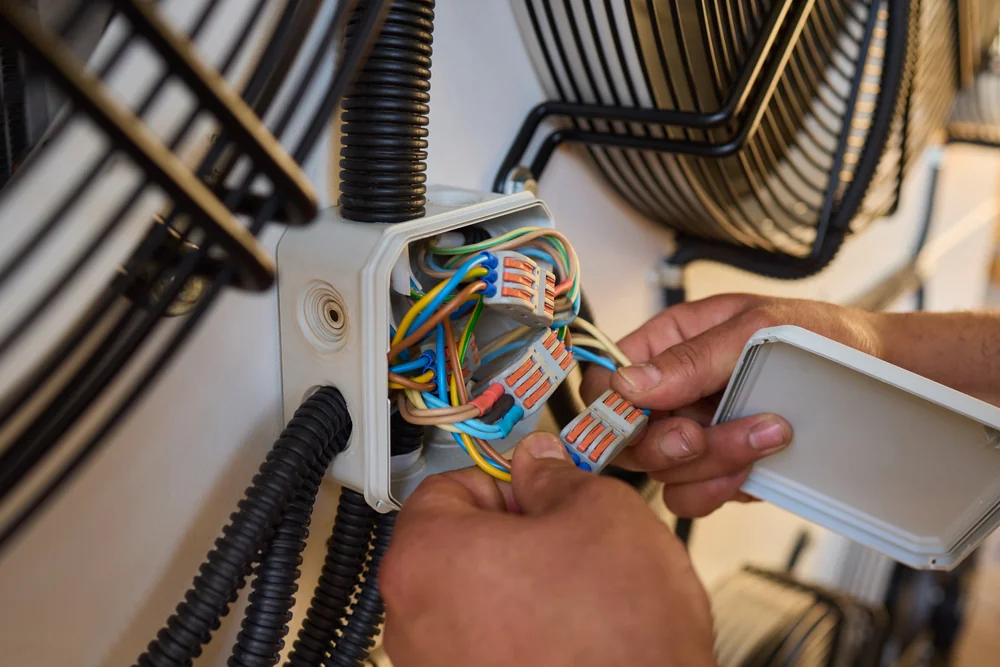
Residential and Commercial Electrical Services
We handle residential electrical services for homeowners—everything from troubleshooting a tripped breaker to whole-house rewiring. That includes panel upgrades, outlet and switch replacement, lighting installation, ceiling fan install, surge protection, and code compliance updates. If your home was built before 1980, there’s a good chance your electrical system wasn’t designed for the load you’re putting on it now. We’ll assess what you’ve got and recommend what actually needs attention.
For commercial properties, we provide electrical repair, maintenance, lighting retrofits, panel work, and emergency service. We’ve worked with property managers, business owners, and facility operators who need reliable electrical contractors they can call when something goes wrong—or before it does.
We also install EV chargers, backup generators, and smart home systems. North Carolina weather is unpredictable, and power outages are common. A whole-house generator isn’t just convenient—it keeps your sump pump running, your food cold, and your family comfortable when the grid goes down. We’ll size it correctly, install it to code, and make sure it actually works when you need it.
How do I know if my electrical panel needs to be upgraded?
If your breaker trips frequently, your panel feels warm to the touch, you see rust or corrosion inside the panel box, or you’re still using a fuse box, it’s time to upgrade. Most homes built before 1990 have 100-amp or 150-amp panels, which weren’t designed for modern electrical loads—especially if you’ve added central air, electric heat, a home office, or you’re planning to install an EV charger.
Another sign is if you’re running space heaters or window units because your HVAC can’t keep up. That’s often a capacity issue, not just an HVAC issue. Your panel is the heart of your electrical system, and if it’s undersized or outdated, everything downstream suffers.
We’ll inspect your current panel, check the load calculation, and tell you whether an upgrade makes sense. In most cases, upgrading to a 200-amp panel gives you the capacity you need and adds value to your home. It’s also required by code if you’re doing major renovations or adding large appliances.
What should I do if I smell burning near an outlet or switch?
Turn off the breaker to that circuit immediately and call an electrician. A burning smell means something is overheating—usually a loose connection, damaged wiring, or an overloaded circuit. It’s not something you wait on or try to fix yourself.
If you see smoke, scorch marks, or melted plastic around an outlet or switch, don’t use it. Don’t plug anything into it, and don’t flip it on and off to “test” it. You’re dealing with a fire hazard, and the longer it goes unaddressed, the worse it gets.
We respond to electrical emergencies fast—usually within an hour, even on weekends. We’ll identify the source of the problem, make it safe, and give you a clear explanation of what failed and why. Most of the time, it’s a relatively simple fix if you catch it early. If you ignore it, it becomes a much bigger problem.
Are you licensed and insured to work in Hopedale, NC?
Yes. We’re fully licensed by the North Carolina State Board of Examiners of Electrical Contractors, and we carry full liability and workers’ compensation insurance. That’s not optional in North Carolina—it’s the law. But plenty of unlicensed people still do electrical work, and homeowners don’t always know to ask.
Hiring an unlicensed electrician puts you at risk. If something goes wrong—a fire, an injury, a failed inspection—your homeowner’s insurance may not cover it. You’re also liable if an unlicensed worker gets hurt on your property.
We pull permits when required, and our work is inspected by the local authority. That protects you. It also means the work is done to code, which matters when you sell your home or file an insurance claim. You can verify our license through the state board website, and we’re happy to provide proof of insurance before we start any job.
How much does it cost to rewire an older home?
It depends on the size of the home, how accessible the wiring is, and how much of the system needs replacing. For a typical 1,500-square-foot home, you’re usually looking at somewhere between $8,000 and $15,000. Larger homes or homes with finished basements, multiple stories, or plaster walls will cost more because access is harder.
Rewiring isn’t always necessary. Sometimes you only need to replace certain circuits or upgrade the panel and service entrance. We’ll assess your current system and tell you what actually needs to be done. If your wiring is cloth-wrapped, aluminum, or knob-and-tube, replacement is usually the safest option.
The cost also depends on whether walls need to be opened. If you’re already renovating, it’s the perfect time to rewire because access is easy. If the walls are staying closed, we can often fish new wire through existing pathways, but it takes longer. We’ll give you flat-rate pricing before we start so you know exactly what you’re paying.
Do you offer emergency electrical services in Hopedale?
Yes. We respond to electrical emergencies throughout Hopedale and the surrounding area, usually within an hour. That includes nights, weekends, and holidays. If you’ve lost power, your panel is sparking, you smell burning, or you have exposed wiring, don’t wait—call us.
Emergency electrical work isn’t something you want to handle yourself, and it’s not something you want to put off until Monday morning. Electrical fires can start fast, and once they do, the damage is done. We’ve responded to calls on holiday weekends where a homeowner ignored warning signs for days, and by the time we got there, the damage was extensive.
We keep our trucks fully stocked so we can handle most emergency repairs on the spot. We’ll make the situation safe first, then explain what happened and what needs to be done to prevent it from happening again. Emergency calls do come with premium pricing, but we’ll tell you the cost upfront before we do the work.
Can I install an EV charger in my garage myself?
Technically, North Carolina allows homeowners to do their own electrical work. Realistically, installing an EV charger isn’t a DIY project unless you’re a licensed electrician. Most EV chargers require a dedicated 240-volt circuit with 40 to 60 amps of capacity. That means running new wire from your panel, installing a new breaker, mounting the charger, and ensuring everything is grounded and code-compliant.
If your panel doesn’t have the capacity, you’ll need to upgrade it first. If your service entrance is undersized, that needs upgrading too. And if you install it wrong—overload the circuit, use the wrong wire gauge, skip the GFCI protection—you’re looking at a fire hazard or a fried charger.
We install EV chargers regularly. We’ll assess your current electrical system, determine what’s needed, pull the permit, and install the charger to manufacturer specs and local code. Most installations take a few hours, and when we’re done, you’ll have a safe, reliable charging setup that works every time you plug in.
Other Services we provide in Hopedale
About Us

Electrical Service Providers (ESP) has been in business since 2002. ESP started out performing wiring services to new construction, remodeling projects and residential homes. Our company’s president identified a market for electrical services to be performed in homes and businesses independent of new construction. Read More about Electrical Service Providers>>
All Rights Reserved.Organic Marketing LLC
Business Listings


Product Brands Used
Allied, Broan, Cutler Hammer, General Electric, Ideal, Juno, Kohler, Leviton, Lutron, Siemens, Square D
Contact
- Office Address: 3254 S Anthony Ct.
Burlington, NC 27215 - Mailing Address: PO Box 25
Alamance, NC 27201 - Phone: 336-228-3300
- E-mail: [email protected], [email protected]
Service Areas
Chapel Hill, Burlington, Carrboro, Durham, Gibsonville, Hillsborough, Graham, Pittsboro, Morrisville, Cary
About Us
Electrical Service Providers (ESP) has been in business since 2002. ESP started out performing wiring services to new construction, remodeling projects and residential homes. Our company’s president identified a market for electrical services to be performed in homes and businesses independent of new construction. Read More about Electrical Service Providers>>
All Rights Reserved.Organic Marketing LLC