Electrical Contractor in Chapel Hill, NC
Know Your Cost Before Work Starts
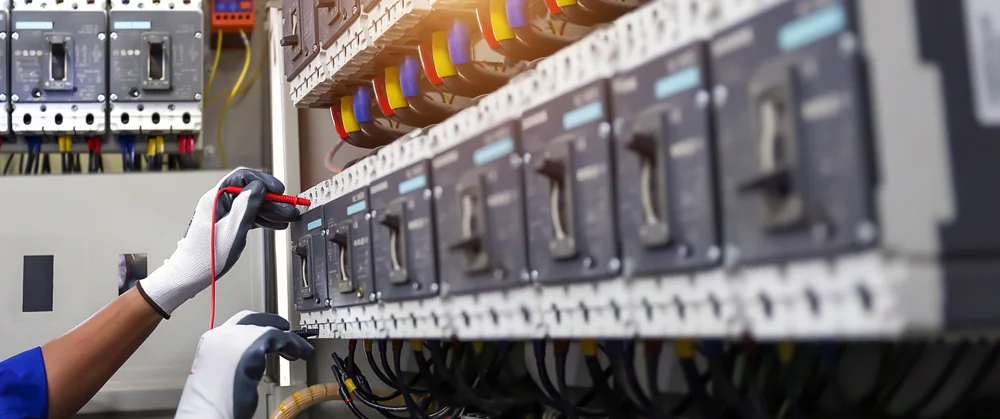
Licensed Electrical Contractor Near You
You flip a switch and the lights come on. Your breaker doesn’t trip when you run the microwave and the coffee maker at the same time. Your panel isn’t warm to the touch, and you’re not wondering if that burning smell is normal.
That’s what working electrical looks like. No guessing if your home is safe. No calling three different electricians to get someone out this week. No waiting around all day for a truck that may or may not show up.
When you call us, you talk to a person—not a recording. We tell you what the job costs before we start. Our trucks are stocked, so most repairs happen the same day. And if something goes wrong with our work, we fix it. That’s the warranty—up to 25 years on labor.
Local Electrical Company Since 2002
We’ve served Chapel Hill, Durham, Orange, and Alamance counties since 2002. Our Operations Manager has been licensed since 1989—back when most service calls still came through landlines.
We’re not the biggest electrical company in the Triangle. We’re the one that shows up when we say we will, charges what we quoted, and cleans up before we leave. You’ll see our trucks around UNC-Chapel Hill, in Carrboro, and throughout the older neighborhoods where homes still have outdated panels and knob-and-tube wiring.
If your home was built before 1990, there’s a good chance your electrical system wasn’t designed for how you live now. More devices, more demand, same old wiring. We handle those upgrades every week.
How Electrician Services Work Here
You call or submit a request online. You talk to our office manager—she’s been with us since day one and knows which technician to send based on what you’re dealing with.
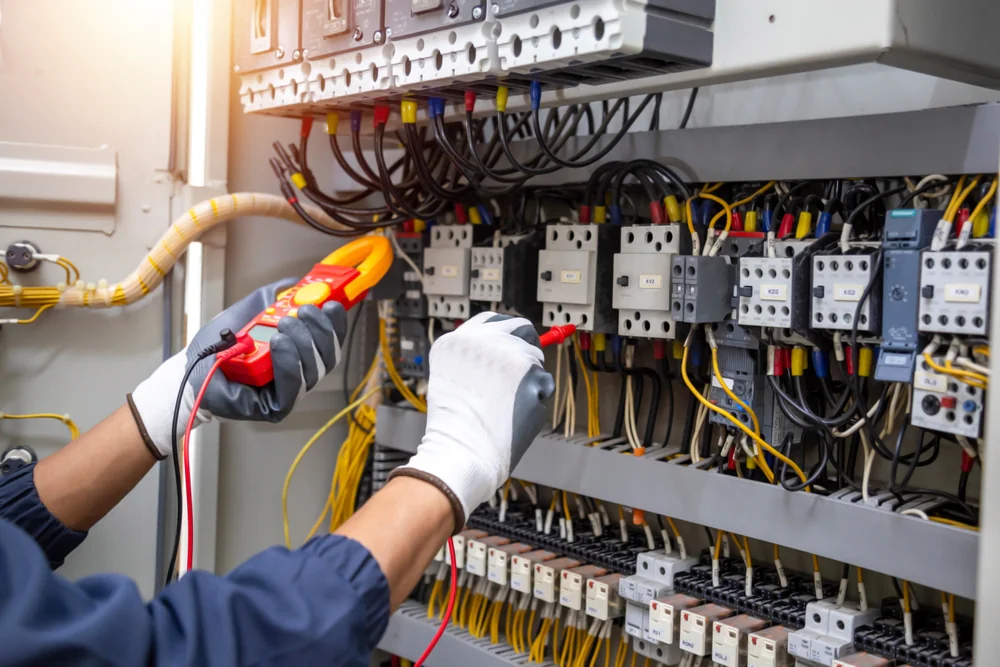
We schedule a time that works for you. Our electrician shows up in uniform, in a stocked truck. They assess the issue, explain what’s wrong in plain terms, and give you a flat-rate price. If you approve, they do the work. Most jobs get finished that same visit.
Before they leave, they test everything, clean up, and walk you through what was done. You get documentation of the work and the warranty information. If you have questions later, you call the same number and talk to the same people.
No runaround. No “we’ll get back to you.” Just clear communication and work that holds up.
Electrical Repair and Installation Services
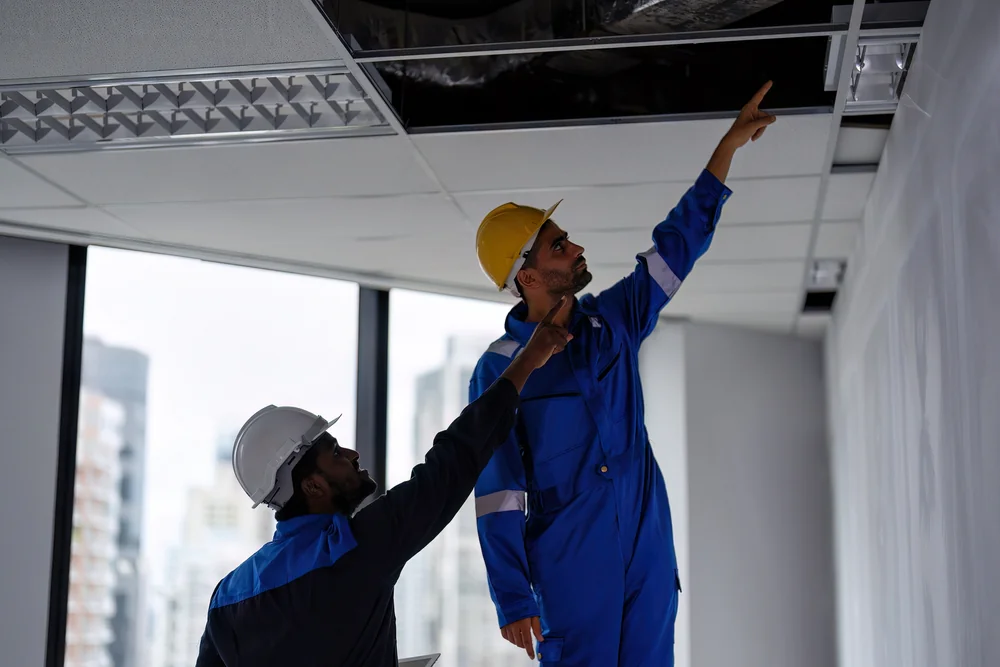
We do residential and commercial electrical work. That includes panel upgrades, outlet and switch installation, whole-house rewiring, generator installation, EV charger setup, lighting upgrades, electrical safety inspections, code compliance work, and emergency repairs.
Chapel Hill sees its share of summer storms and winter ice. When Duke Energy’s grid goes down—and it does—you need backup power. We install Kohler and Generac whole-house generators. You’ll stay online during outages, keep your sump pump running, and avoid losing everything in your fridge.
If you’re adding an electric vehicle, we install Level 2 chargers. Duke Energy offers rebates up to $1,117 for residential EV charging installations, and there’s a federal tax credit worth up to $1,000. We handle the permits and make sure your panel can support the load.
Older homes around Franklin Street and in Forest Hills often need panel upgrades to handle modern electrical demand. If your breaker trips regularly or your lights dim when the AC kicks on, your panel is undersized. We’ll assess your load, pull permits, and upgrade to a system that works.

How much does it cost to upgrade an electrical panel in Chapel Hill?
Panel upgrades in Chapel Hill typically run between $1,500 and $3,500, depending on the size of the new panel, whether your service line needs upgrading, and how much rewiring is involved. If you’re going from a 100-amp panel to 200-amp service, expect to be on the higher end.
Most homes built before 1980 have 100-amp or 150-amp panels. That was fine when you had a few outlets, a single AC unit, and no home office. Now you’re running multiple computers, a heat pump, an electric dryer, and maybe an EV charger. The panel can’t keep up.
We assess your current load, check your service line from Duke Energy, and determine what size panel you actually need. Then we give you a flat-rate price that includes permits, materials, labor, and inspection. The work usually takes a full day. You’ll have power back on the same day, and your home will be up to code.
Do I need a permit for electrical work in Chapel Hill?
Yes. Chapel Hill requires permits for most electrical work—panel upgrades, new circuits, generator installations, EV charger setups, and any work that involves opening walls or adding load to your system. Simple repairs like replacing an outlet or switch usually don’t need a permit, but anything that changes your system does.
The permit process exists to make sure the work is safe and meets the National Electrical Code. An inspector will come out after the work is done to verify everything is installed correctly. If you hire an unlicensed contractor or try to DIY major electrical work, you risk failing inspection, getting fined, or worse—creating a fire hazard.
We pull permits for every job that requires one. It’s included in our pricing. We schedule the inspection, meet the inspector on-site, and make sure everything passes. You don’t have to deal with Town Hall or worry about whether the work is legal.
How long does a whole-house generator installation take?
Most whole-house generator installations take two to three days from start to finish. Day one involves site prep, pouring the concrete pad, and running the gas line or propane connection. Day two is setting the generator, running the electrical connections to your panel, and installing the transfer switch. Day three is testing, final inspection, and walking you through operation.
Generators are in high demand in Chapel Hill and across North Carolina. Between hurricane season and ice storms, extended outages are common. A whole-house generator kicks on automatically within seconds of losing power. Your lights stay on, your heat or AC keeps running, and your sump pump doesn’t quit.
We install Kohler and Generac units. Both are reliable, but sizing matters. If your home is 2,500 square feet and you want to run everything during an outage, you’ll need at least a 20kW unit. We calculate your load, recommend the right size, handle permits, and coordinate the gas or propane connection. You’ll have backup power when the grid goes down.
Why does my circuit breaker keep tripping?
A breaker trips when the circuit is overloaded, there’s a short circuit, or the breaker itself is worn out. If it happens once in a while, you’re probably plugging too many things into the same circuit. If it happens constantly, something else is going on.
Overloading is the most common cause. You’re running a space heater, a vacuum, and a hair dryer on the same 15-amp circuit. That’s too much draw, so the breaker does its job and shuts off to prevent overheating. The fix is spreading your devices across different circuits or upgrading to a higher-amp circuit if your panel can handle it.
A short circuit happens when a hot wire touches a neutral wire or ground. That creates a surge, and the breaker trips immediately. This can be caused by damaged wiring, a faulty appliance, or a loose connection. If you reset the breaker and it trips again right away, don’t keep resetting it. Call us. There’s a wiring issue that needs to be found and fixed before it causes a fire.
How do I know if my home's wiring is outdated?
If your home was built before 1980, there’s a good chance your wiring needs attention. Look for these signs: outlets that don’t hold plugs tightly, flickering lights, a burning smell near outlets or switches, scorch marks on outlets, or breakers that trip frequently. Those are all red flags.
Older homes in Chapel Hill—especially around Cameron-McCauley, Pine Knolls, and parts of Carrboro—often have aluminum wiring or knob-and-tube systems. Aluminum wiring was used in the 1960s and 70s and is now considered a fire hazard because connections loosen over time and overheat. Knob-and-tube wiring is even older and wasn’t designed for modern electrical loads.
We do full electrical inspections. We’ll check your panel, test your outlets, look at your wiring, and tell you what needs upgrading. If your wiring is outdated, we’ll give you a clear plan and a flat-rate price for rewiring the areas that matter most. You don’t have to rewire the whole house at once—we can prioritize based on safety and budget.
What's the difference between a licensed and unlicensed electrician?
A licensed electrician has passed state exams, completed thousands of hours of training, and is legally authorized to pull permits and perform electrical work. An unlicensed electrician hasn’t done any of that. They might have some experience, but they’re not qualified to do work that meets code, and they can’t get permits.
Hiring an unlicensed electrician might save you money upfront, but it costs more in the long run. If the work isn’t up to code, you’ll fail inspection when you sell your home. Your homeowner’s insurance might not cover damage caused by unpermitted work. And if something goes wrong—a fire, an injury, property damage—you’re liable.
Our electricians are fully licensed and insured. We’ve been doing this since 2002, and our Operations Manager has been licensed since 1989. We pull permits, pass inspections, and back our work with a lifetime warranty on labor. You’re not just paying for the repair—you’re paying for work that’s safe, legal, and done right.
Other Services we provide in Chapel Hill
About Us

Electrical Service Providers (ESP) has been in business since 2002. ESP started out performing wiring services to new construction, remodeling projects and residential homes. Our company’s president identified a market for electrical services to be performed in homes and businesses independent of new construction. Read More about Electrical Service Providers>>
All Rights Reserved.Organic Marketing LLC
Business Listings


Product Brands Used
Allied, Broan, Cutler Hammer, General Electric, Ideal, Juno, Kohler, Leviton, Lutron, Siemens, Square D
Contact
- Office Address: 3254 S Anthony Ct.
Burlington, NC 27215 - Mailing Address: PO Box 25
Alamance, NC 27201 - Phone: 336-228-3300
- E-mail: [email protected], [email protected]
Service Areas
Chapel Hill, Burlington, Carrboro, Durham, Gibsonville, Hillsborough, Graham, Pittsboro, Morrisville, Cary
About Us
Electrical Service Providers (ESP) has been in business since 2002. ESP started out performing wiring services to new construction, remodeling projects and residential homes. Our company’s president identified a market for electrical services to be performed in homes and businesses independent of new construction. Read More about Electrical Service Providers>>
All Rights Reserved.Organic Marketing LLC