Electrical Contractor in High Point, NC
Your Electrical System Works—Or We Fix It Fast
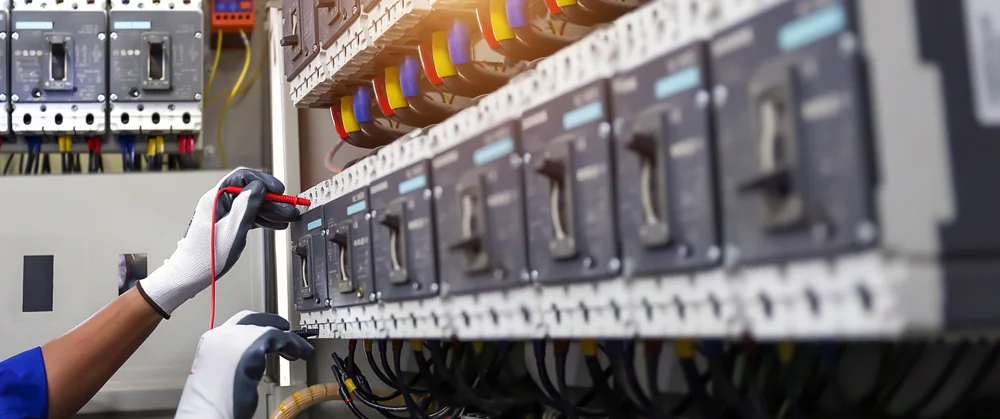
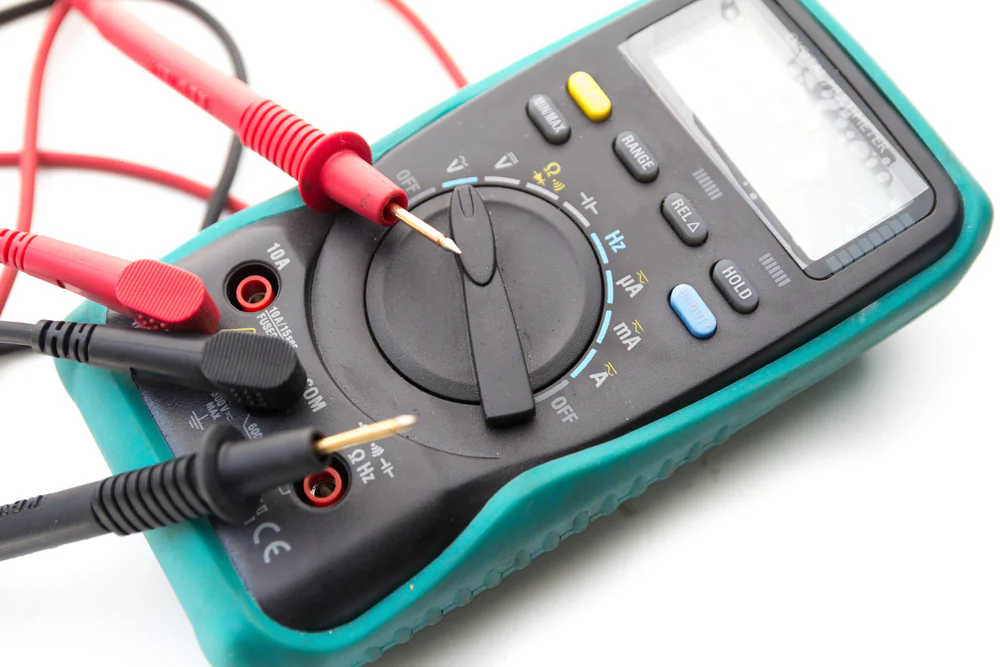
Licensed Electrical Contractor High Point
You know the exact price before any work begins. That’s how flat-rate pricing works—no hourly surprises, no watching the clock, no inflated bills because a job took longer than expected.
Most electrician services in High Point charge by the hour, which means you’re stuck guessing what the final number will be. We price the job, not the time. If it takes us three hours instead of two, that’s on us.
When you call, you talk to a real person who schedules your appointment right then. No voicemail loops. No waiting days for a callback. Our trucks are fully stocked, so most electrical repair jobs get finished the same day we show up. You’re not waiting on parts orders or second trips.
Your breakers stop tripping. Your outlets work. Your panel handles what you’re plugging into it. That’s what matters.
Local Electrical Company High Point NC
ESP Electrical Service Providers has handled electrical work in High Point, NC for over 22 years. We’re licensed by the NC State Board of Examiners of Electrical Contractors, fully insured, and locally owned by a Master Electrician with 35+ years of experience.
We built this company specifically to serve existing homes and businesses—not new construction. That means we deal with the real problems: outdated panels, aluminum wiring, overloaded circuits, and systems that weren’t designed for how you live now.
High Point has plenty of older homes, especially in neighborhoods like Emerywood where houses were built in the 60s and 70s. Those homes have electrical systems that can’t keep up with modern appliances, HVAC units, and the number of devices you’re running. We know those systems inside and out because we’ve been upgrading and repairing them for two decades.
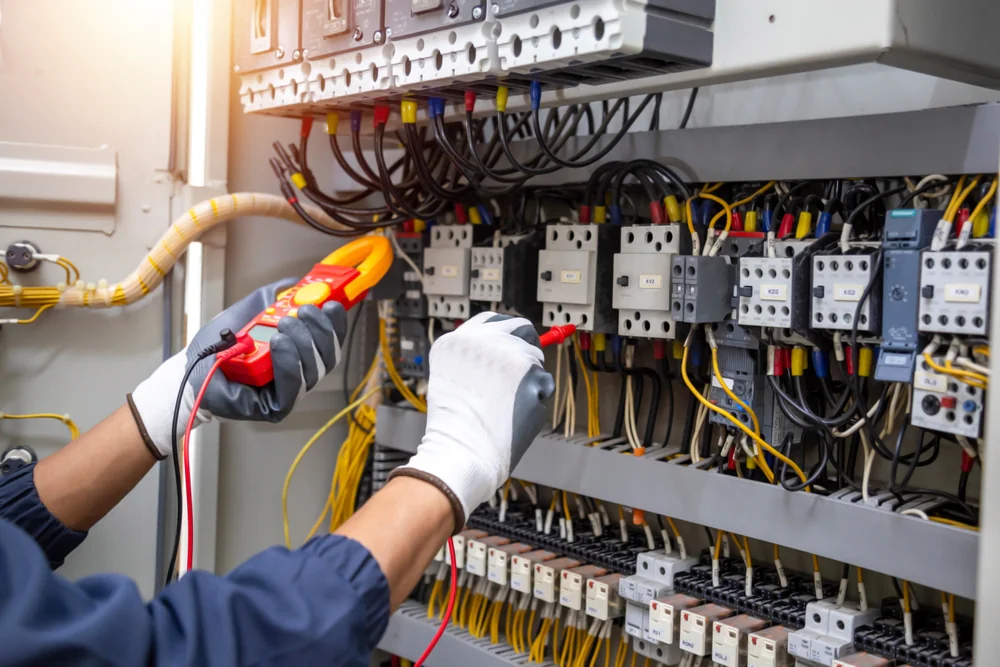
Electrician Services High Point Process
You call and talk to someone who can actually schedule your service. Not a recording. Not a call center three states away. A real person who knows our availability and gets you on the calendar.
We show up on time in a uniform, driving a truck that’s already stocked with the parts and materials most jobs require. Our technician walks through the problem with you, figures out what needs to happen, and gives you a flat-rate price before touching anything.
If you approve the price, we do the work. If the job takes longer than expected or we run into something unexpected, the price doesn’t change. That’s the point of flat-rate pricing—you’re protected from surprises.
Once the work’s done, we test everything to make sure it’s working correctly. We clean up. We walk you through what we did. Then we leave, and you’ve got electrical systems that actually function the way they’re supposed to.
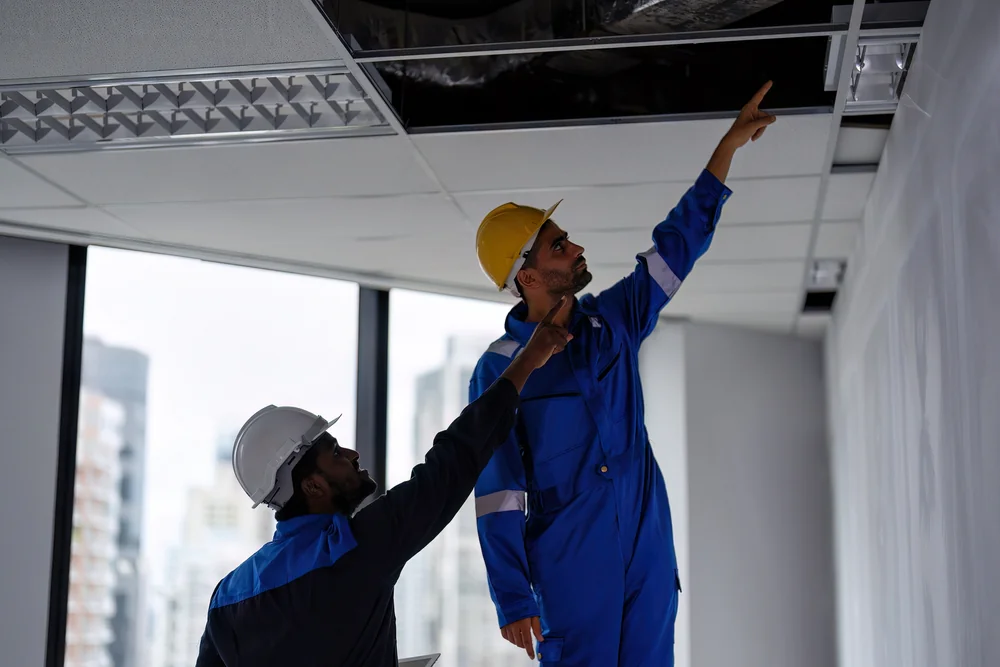
Commercial Electrical Services High Point
You’re getting a licensed electrical contractor who knows how to handle the specific problems High Point properties face. Homes built in the 60s and 70s with aluminum wiring that’s a fire risk. Panels from the 80s and 90s that can’t handle modern electrical loads. Wiring that was partially updated but left portions of outdated systems in place, causing compatibility issues at junction points.
Severe weather causes about 40% of power disruptions in this part of North Carolina. Thunderstorms and occasional hurricanes mean surge protection isn’t optional—it’s necessary if you want your electronics and appliances to survive the next storm. We install whole-home surge protection that actually works.
For commercial electrical services, we handle everything from panel upgrades to lighting retrofits to code compliance work. Businesses can’t afford downtime, so we work on your schedule and get the job done without dragging it out.
You’re also getting access to premium brands like Square D, Leviton, Lutron, Siemens, and Cutler Hammer. We don’t use cheap components that fail in two years. The materials we install are built to last because we don’t want to come back and redo work that should’ve been done right the first time.

How much does it cost to hire an electrical contractor in High Point?
Most electricians in High Point charge between $28 and $41 per hour, but hourly rates don’t tell you what you’ll actually pay. A job that takes three hours at $35/hour costs you $105, but if it takes five hours, you’re at $175. You won’t know until the work’s done.
We use flat-rate pricing, which means you know the exact cost before we start. If the job is a panel upgrade, outlet installation, or aluminum wiring replacement, we price the entire job upfront. No surprises. No watching the clock.
The cost depends on what needs to be done. A simple outlet repair costs less than a full panel upgrade. But you’ll know the number before we touch anything, and that number doesn’t change even if the job takes longer than expected.
Do I really need to replace aluminum wiring in my home?
If your home was built between the mid-1960s and mid-1970s, there’s a good chance it has aluminum wiring. About two million homes were wired with aluminum during that time because of a copper shortage. The problem is that aluminum expands when it heats up, which loosens connections over time and creates fire risks.
You’ll notice signs like outlets that feel warm, lights that flicker for no reason, or breakers that trip constantly. Those are warnings that connections are failing. Aluminum wiring isn’t automatically dangerous, but it requires specific handling and connections that many electricians aren’t trained to do correctly.
We specialize in aluminum wiring issues because so many homes in High Point—especially in neighborhoods like Emerywood—have this exact problem. Replacing it or making it safe involves either full rewiring or installing copper pigtails at every connection point. We’ll assess your specific situation and tell you what actually needs to happen, not just sell you the most expensive option.
How do I know if my electrical panel needs an upgrade?
Your panel needs an upgrade if breakers trip frequently, lights dim when you turn on appliances, or you’re using power strips in every room because you don’t have enough outlets. Those are signs your system can’t handle your electrical load.
Homes built in the 60s, 70s, and 80s typically have 100-amp or 150-amp panels. Modern homes need at least 200 amps to handle HVAC systems, kitchen appliances, computers, TVs, and everything else you’re running. If you’ve added central air, a hot tub, or an electric vehicle charger, your old panel definitely can’t keep up.
Another reason to upgrade is safety. Panels from certain manufacturers—like Federal Pacific or Zinsco—are known fire hazards. If you have one of those brands, replacing it isn’t optional. We’ll inspect your panel, tell you what you’re working with, and explain whether an upgrade is necessary or if your current system just needs repairs.
What's the difference between a licensed and unlicensed electrical contractor?
A licensed electrical contractor in North Carolina has passed the state board exam, carries proper insurance, and is legally allowed to pull permits for electrical work. An unlicensed contractor hasn’t done any of that, which means they’re not qualified to do the work and you have no protection if something goes wrong.
Licensed contractors are held to the National Electrical Code and NC state standards. We know how to install systems correctly, safely, and in a way that passes inspection. Unlicensed contractors might be cheaper upfront, but they often create problems that cost more to fix later—or worse, create safety hazards that put your property and family at risk.
If you ever sell your home, unpermitted electrical work done by an unlicensed contractor can kill the deal. Inspectors will flag it, and you’ll have to pay a licensed contractor to redo everything correctly. It’s not worth the risk. We’re licensed by the NC State Board of Examiners of Electrical Contractors, fully insured, and we pull permits for every job that requires one.
How long does electrical repair usually take in High Point?
It depends on what’s broken. A simple outlet repair or breaker replacement might take 30 minutes. A panel upgrade takes four to six hours. Rewiring a room or replacing aluminum wiring can take a full day or more.
Because our trucks are fully stocked with the parts and materials most jobs require, we finish most electrical repair work in one visit. You’re not waiting on us to order parts or come back another day. We show up, diagnose the problem, give you a flat-rate price, and complete the work if you approve it.
For bigger jobs like whole-home rewiring or commercial electrical services, we’ll give you a timeline upfront so you know what to expect. We don’t drag jobs out. We work efficiently, clean up when we’re done, and get your electrical systems back to working order as quickly as possible without cutting corners.
Why should I install surge protection in High Point?
Severe weather causes about 40% of power disruptions in this part of North Carolina. Thunderstorms roll through regularly, and hurricanes aren’t uncommon. Every time lightning strikes near a power line or a transformer blows, your home takes a surge.
Most people think surge protectors are just the power strips you plug your computer into. Those help, but they don’t protect your whole home. A whole-home surge protector installs at your electrical panel and stops surges before they reach any of your outlets, appliances, or electronics.
Without surge protection, one bad storm can fry your HVAC system, refrigerator, TV, computer, and anything else plugged in. Replacing all of that costs thousands of dollars. A whole-home surge protector costs a few hundred dollars to install and protects everything. It’s not optional if you want your electrical systems and appliances to survive the next storm that hits High Point.
Other Services we provide in High Point
About Us

Electrical Service Providers (ESP) has been in business since 2002. ESP started out performing wiring services to new construction, remodeling projects and residential homes. Our company’s president identified a market for electrical services to be performed in homes and businesses independent of new construction. Read More about Electrical Service Providers>>
All Rights Reserved.Organic Marketing LLC
Business Listings


Product Brands Used
Allied, Broan, Cutler Hammer, General Electric, Ideal, Juno, Kohler, Leviton, Lutron, Siemens, Square D
Contact
- Office Address: 3254 S Anthony Ct.
Burlington, NC 27215 - Mailing Address: PO Box 25
Alamance, NC 27201 - Phone: 336-228-3300
- E-mail: [email protected], [email protected]
Service Areas
Chapel Hill, Burlington, Carrboro, Durham, Gibsonville, Hillsborough, Graham, Pittsboro, Morrisville, Cary
About Us
Electrical Service Providers (ESP) has been in business since 2002. ESP started out performing wiring services to new construction, remodeling projects and residential homes. Our company’s president identified a market for electrical services to be performed in homes and businesses independent of new construction. Read More about Electrical Service Providers>>
All Rights Reserved.Organic Marketing LLC