Electrical Contractor in Ironwoods, NC
Licensed Electrical Work That Actually Gets Done Right
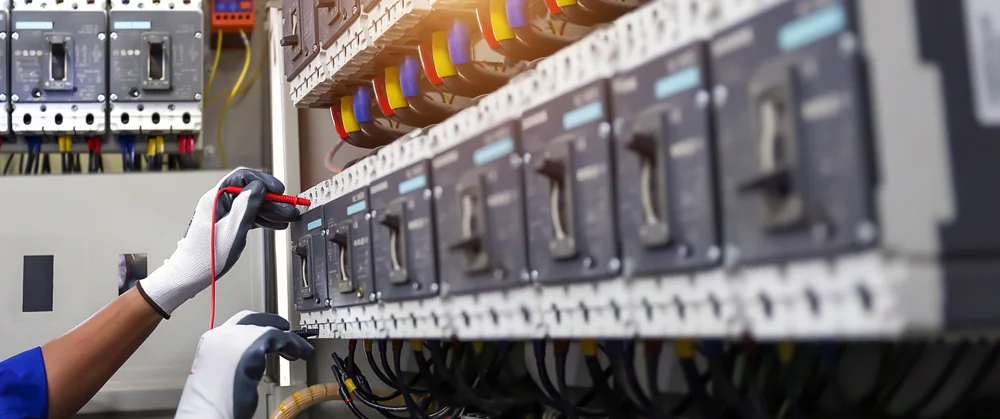
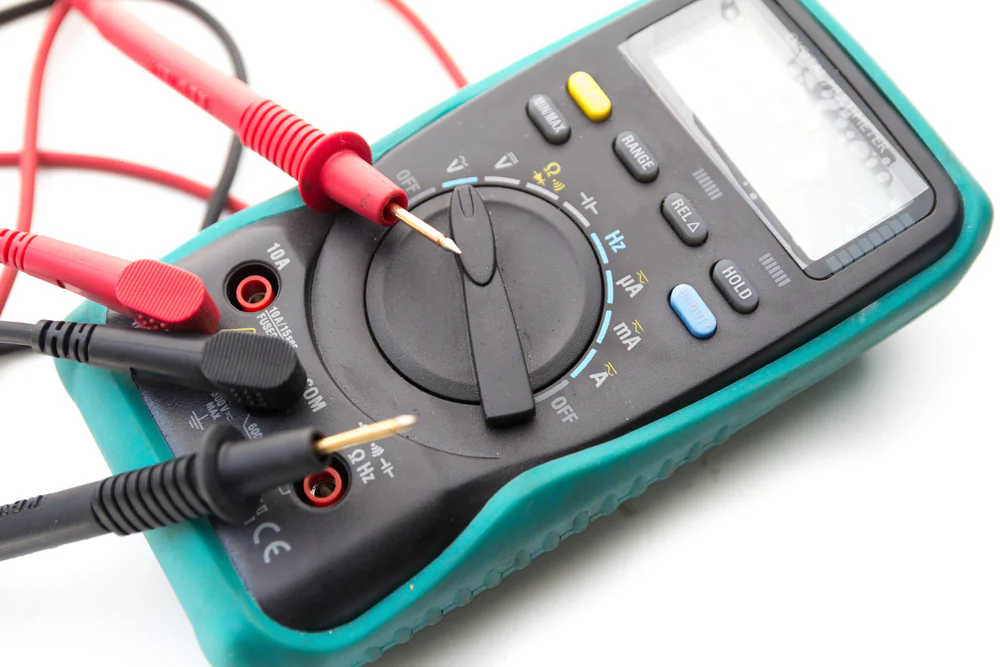
Licensed Electrical Contractor Near Ironwoods
You flip a switch and the lights come on. Your breaker doesn’t trip when you run the microwave and the coffee maker at the same time. Your outlets don’t feel warm to the touch, and you’re not wondering if that burning smell is something you should worry about.
That’s what properly done electrical work looks like. Not just code-compliant on paper, but actually safe and functional for how you live in your home today.
Most homes in Ironwoods were built in the late 80s and 90s. They weren’t wired for the electrical load we put on them now—multiple computers, smart home devices, EV chargers, high-efficiency HVAC systems. When you add demand without upgrading capacity, you get tripped breakers, flickering lights, and real safety risks.
We handle panel upgrades, circuit additions, whole-home rewiring, generator installations, and emergency repairs. The work gets permitted, inspected, and done right the first time. You know the cost upfront, and you’re not dealing with change orders or surprise fees after we’ve already started.
Local Electrical Company Serving Ironwoods
ESP Electrical Service Providers has been operating in the Chapel Hill area since 2002. Andy Helton, the owner and master electrician, has over 35 years of hands-on electrical experience. You call us, you talk to him directly—not a call center, not an answering service.
We started doing electrical work for new construction and remodeling projects, then shifted focus to service work for homeowners and businesses. That’s where the real need was. People needed a licensed electrical contractor who would show up, give them a straight answer, and do the work without the runaround.
North Carolina doesn’t require a license to perform electrical work—only to pull permits. That’s created a market full of unlicensed contractors doing substandard work that fails inspection and costs you more money to fix. We’re fully licensed, bonded, and insured. Our trucks are stocked so we can complete most jobs the same day. And we clean up before we leave, because that’s just basic respect for your home.
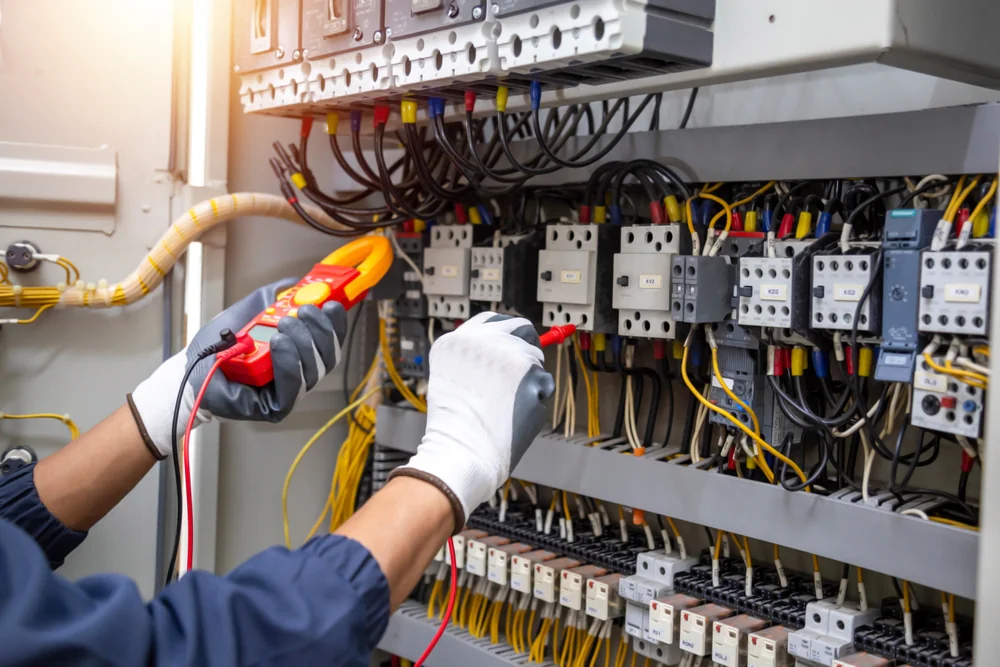
How Electrical Services Work in Ironwoods
You reach out—by phone or through the website—and talk directly to someone who can actually help you, not a scheduler reading from a script. We ask what’s going on, and if it’s an emergency, we move fast. For non-emergency work, we schedule a time that works for you.
We show up in a marked truck, in uniform, with the tools and materials to do the job. Before we start any work, we give you flat-rate pricing. You know what it costs before we touch anything. No hourly rates that stretch out. No “we’ll see what we find” pricing games.
Once you approve the price, we do the work. If it requires a permit, we pull it. If it needs an inspection, we schedule it and make sure it passes the first time. Most service calls get wrapped up the same day.
When the work’s done, we test everything, walk you through what we did, clean up, and make sure you’re satisfied before we leave. If something’s not right, we fix it. That’s the standard.
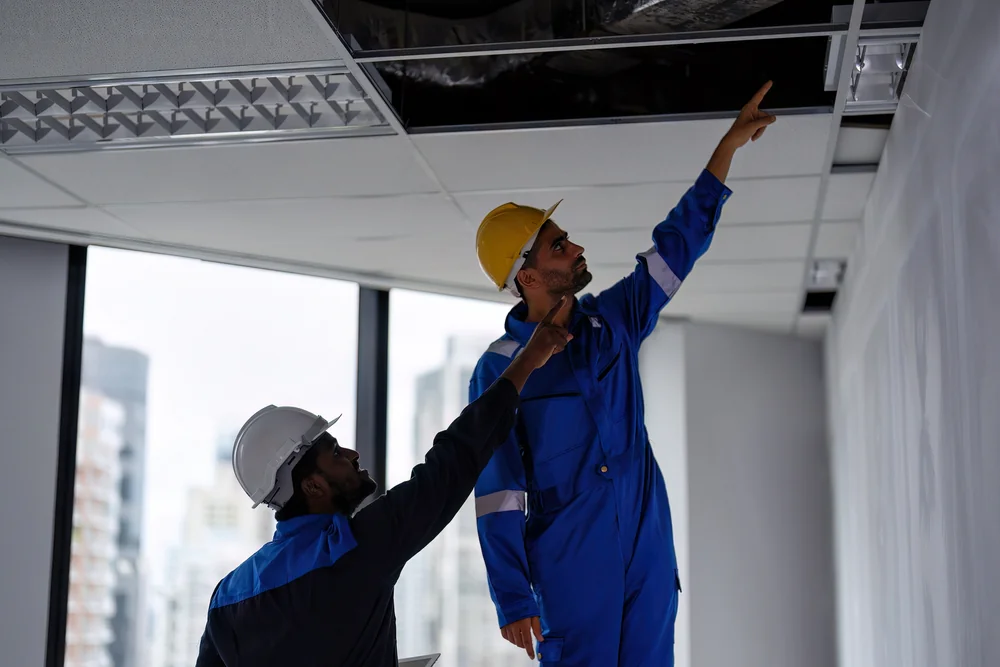
Electrician Services for Ironwoods Homes
Panel upgrades are one of the most common jobs we handle in Ironwoods. Homes built in the 80s and 90s typically have 100-amp or 150-amp panels. If you’re adding central air, a hot tub, an EV charger, or just running more devices than the house was designed for, you need more capacity. We upgrade to 200-amp service, add circuits where you need them, and make sure everything’s labeled and code-compliant.
Generator installation is another big one, especially after hurricane season reminds people what it’s like to lose power for days. We install Generac home standby systems that kick on automatically when the grid goes down. You don’t flip a switch or go outside in the rain—it just works.
We also handle electrical repairs: outlets that don’t work, breakers that keep tripping, lights that flicker, GFCI protection for older homes that don’t have it. A lot of this stuff seems minor until it’s not. A loose connection can start a fire. An overloaded circuit can damage your appliances.
For commercial clients, we do service calls, troubleshooting, lighting retrofits, and code compliance work. If you’re remodeling or adding space, we handle the electrical from rough-in to final inspection. Chapel Hill and the surrounding area have been growing fast—165,000 new residents moved to North Carolina last year alone. That means more demand on aging infrastructure and more homes that need electrical work to keep up.

Do I really need a licensed electrician, or can I just hire someone cheaper?
In North Carolina, you don’t need a license to do electrical work—you only need one to pull permits. That’s led to a lot of unlicensed people doing electrical jobs, and it’s a problem for homeowners.
Here’s what happens: they do the work, it looks fine, but it doesn’t meet code. When you go to sell your home or if you ever need an inspection, it fails. Now you’re paying someone else to rip it out and redo it correctly. You’ve paid twice for the same job, plus reinspection fees.
Worse, improper electrical work is a safety hazard. Loose connections cause fires. Overloaded circuits damage your equipment. Incorrect grounding can electrocute someone. A licensed electrical contractor knows the current National Electrical Code and all North Carolina amendments. We pull permits, schedule inspections, and make sure the work passes the first time. It costs a little more upfront, but it saves you money and risk in the long run.
How much does it cost to upgrade an electrical panel in Ironwoods?
Panel upgrades typically range from $2,000 to $4,500 depending on the scope of work. If you’re going from 100-amp to 200-amp service and the panel location stays the same, you’re on the lower end. If we need to relocate the panel, upgrade the service entrance, or add a subpanel, the price goes up.
We use flat-rate pricing, so you’ll know the exact cost before we start. No hourly guessing games. The price includes the panel, breakers, labor, permit, and inspection. If your home was built before 1990, there’s a good chance your panel is undersized for modern electrical loads—especially if you’ve added central air, a home office, or you’re planning to install an EV charger.
Most panel upgrades in the Ironwoods area take one day to complete. We schedule the inspection, and once it passes, you’re good to go. The investment pays off in safety, capacity, and home value. Homes with updated electrical systems sell faster and appraise higher than ones with outdated panels.
What should I do if my breaker keeps tripping?
A breaker that trips occasionally is doing its job—it’s protecting your home from an overload or a short circuit. A breaker that trips repeatedly is telling you there’s a problem that needs to be fixed.
First, figure out what’s on that circuit. If you’re running a space heater, a hair dryer, and a vacuum on the same circuit, you’re probably overloading it. The fix is to redistribute the load or add a dedicated circuit. If the breaker trips with nothing plugged in, or if it trips randomly, you’ve got a bigger issue—possibly a short in the wiring, a failing breaker, or a ground fault.
Don’t just replace the breaker with a higher-amp one. That’s dangerous. The breaker is sized to match the wire gauge. If you put a 30-amp breaker on 14-gauge wire rated for 15 amps, the wire overheats before the breaker trips, and that’s how electrical fires start. Call a licensed electrical contractor to diagnose it properly. We’ll test the circuit, find the fault, and fix it the right way.
How long does a whole-home generator installation take?
Most Generac home standby generator installations take two to three days from start to finish. Day one is site prep and setting the generator pad. Day two is running gas or propane lines, electrical connections, and installing the transfer switch. Day three is startup, testing, and final inspection.
The timeline can stretch if we’re waiting on permits, utility coordination, or if there’s concrete curing time for the pad. We handle all of that—you don’t have to chase down the gas company or the inspector.
A whole-home generator costs between $8,000 and $15,000 installed, depending on the size and fuel source. Natural gas is cheaper to run but requires a gas line. Propane works anywhere but you’ll need a tank. The generator monitors your home’s power 24/7 and kicks on automatically within seconds of an outage. You don’t do anything. It runs a self-test every week to make sure it’s ready when you need it. For families in Ironwoods and Chapel Hill, especially with the hurricane risk and aging grid infrastructure, it’s one of the best investments you can make for peace of mind.
Can you add more outlets to a room without rewiring the whole house?
Yes, in most cases. If the existing circuit has capacity and the wire gauge supports it, we can tap into an existing outlet and add new ones. We run the wire through the walls, cut in new boxes, install the outlets, and patch any drywall we had to open up.
The question is whether the circuit can handle the additional load. If you’re adding outlets to a kitchen or home office where you’ll be plugging in high-draw appliances or equipment, we might need to run a new dedicated circuit from the panel. That’s more involved but still doesn’t require rewiring the whole house.
Older homes in Ironwoods sometimes have outlets spaced too far apart or rooms with only one or two outlets total. That’s not up to current code, and it’s inconvenient. Adding outlets improves functionality and safety—you’re not daisy-chaining extension cords and power strips, which is a fire hazard. We’ll assess what you need, tell you the best way to do it, and give you a flat-rate price before we start. Most outlet additions are same-day jobs.
What's the difference between a service call and an emergency call?
A service call is scheduled electrical work—panel upgrades, adding circuits, installing outlets, generator maintenance, or troubleshooting a non-urgent issue. You call, we schedule a time that works for you, and we show up with a fully stocked truck ready to work.
An emergency call is when something’s actively wrong and potentially dangerous: no power to your whole house, a burning smell from an outlet, sparking wires, or a breaker that won’t reset and you don’t know why. We prioritize emergency calls and typically respond within an hour, even on weekends and holidays.
Emergency calls cost more because we’re dropping everything to get to you fast. But if your home’s electrical system is failing or creating a safety hazard, waiting until Monday isn’t an option. We’ve had customers call us on Thanksgiving weekend with total power loss, and we were there within the hour to get them back up and running. That’s the level of response you should expect from a local electrical company that actually cares about keeping your family safe.
Other Services we provide in Ironwoods
About Us

Electrical Service Providers (ESP) has been in business since 2002. ESP started out performing wiring services to new construction, remodeling projects and residential homes. Our company’s president identified a market for electrical services to be performed in homes and businesses independent of new construction. Read More about Electrical Service Providers>>
All Rights Reserved.Organic Marketing LLC
Business Listings


Product Brands Used
Allied, Broan, Cutler Hammer, General Electric, Ideal, Juno, Kohler, Leviton, Lutron, Siemens, Square D
Contact
- Office Address: 3254 S Anthony Ct.
Burlington, NC 27215 - Mailing Address: PO Box 25
Alamance, NC 27201 - Phone: 336-228-3300
- E-mail: [email protected], [email protected]
Service Areas
Chapel Hill, Burlington, Carrboro, Durham, Gibsonville, Hillsborough, Graham, Pittsboro, Morrisville, Cary
About Us
Electrical Service Providers (ESP) has been in business since 2002. ESP started out performing wiring services to new construction, remodeling projects and residential homes. Our company’s president identified a market for electrical services to be performed in homes and businesses independent of new construction. Read More about Electrical Service Providers>>
All Rights Reserved.Organic Marketing LLC