EV Charger Installation in Bethesda, NC
Charge at Home Without the Guesswork or Hassle
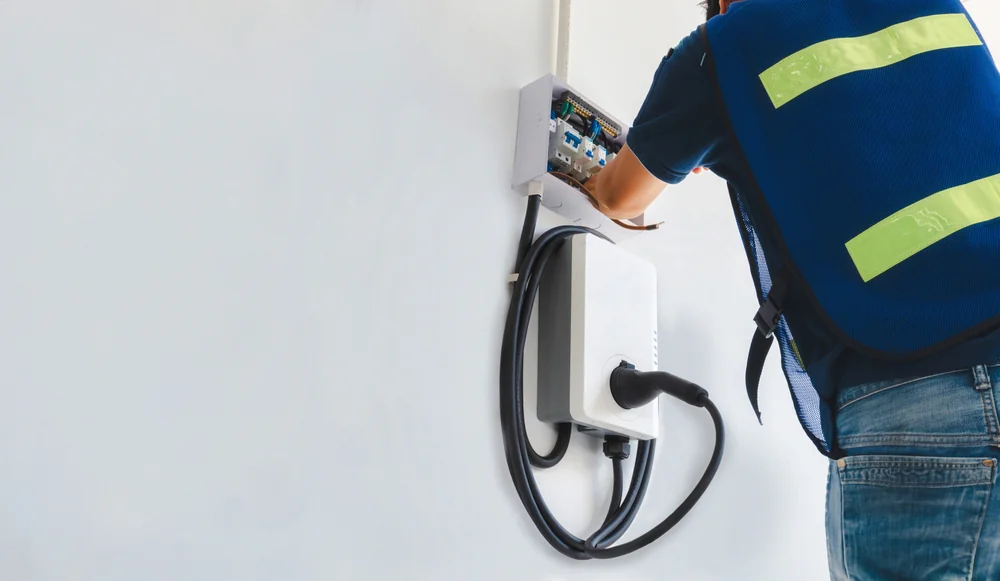
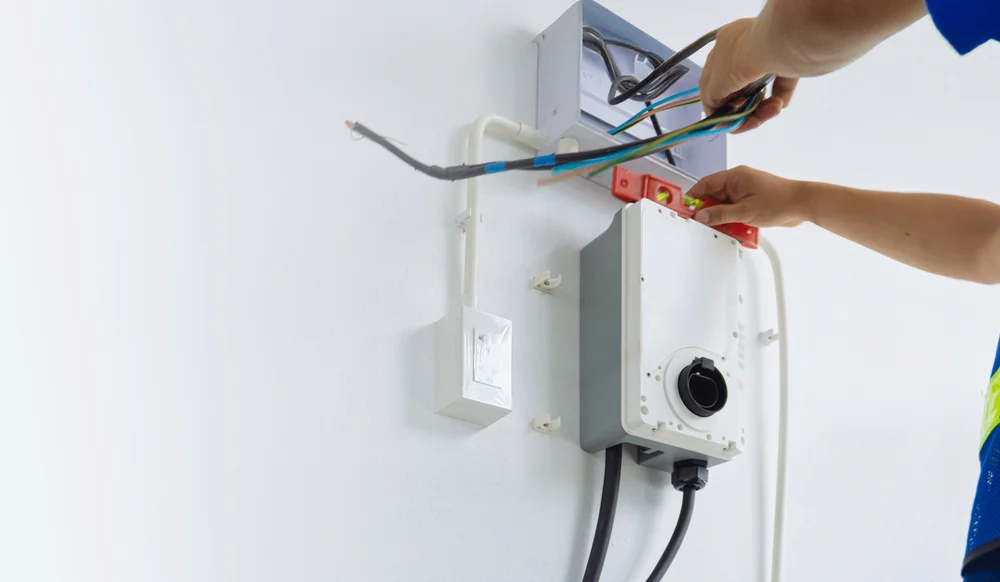
Home EV Charging Solutions Near Bethesda
You’re done circling parking lots looking for an open charging spot. No more waiting 45 minutes at a public station when you’ve got errands to run. With a Level 2 home charger, you plug in when you get home and wake up ready to drive.
Most Level 2 charging stations add 25 to 35 miles of range per hour. That means a full overnight charge for your daily commute, your weekend trips, and everything in between. You’re not adjusting your schedule around charging anymore.
And if you’re worried about your electrical panel handling the load, that’s exactly what we check first. Older homes in Bethesda often run on 100 or 150-amp panels, which may need an upgrade before your EV charger goes in. We assess your system, explain what’s needed, and handle the upgrade if required. You get a charging setup that works safely from day one, and your home’s electrical capacity is ready for whatever comes next.
Licensed Electricians Serving Bethesda, NC
We’ve been handling electrical work across Alamance County, Orange County, and the surrounding area for over two decades. Our team is led by a master electrician with 35+ years of experience, and our operations manager has been a licensed electrical contractor since 1989.
When you call, you talk to someone who knows the work, not a call center. You get straight answers about what your EV charger installation requires, what it costs, and how long it takes. Bethesda homeowners are seeing more EVs in driveways every year, and your electrical system needs to keep up. We make sure it does.
We show up in uniform, with fully stocked trucks, and we clean up before we leave. The job isn’t done until you’re satisfied with the work.
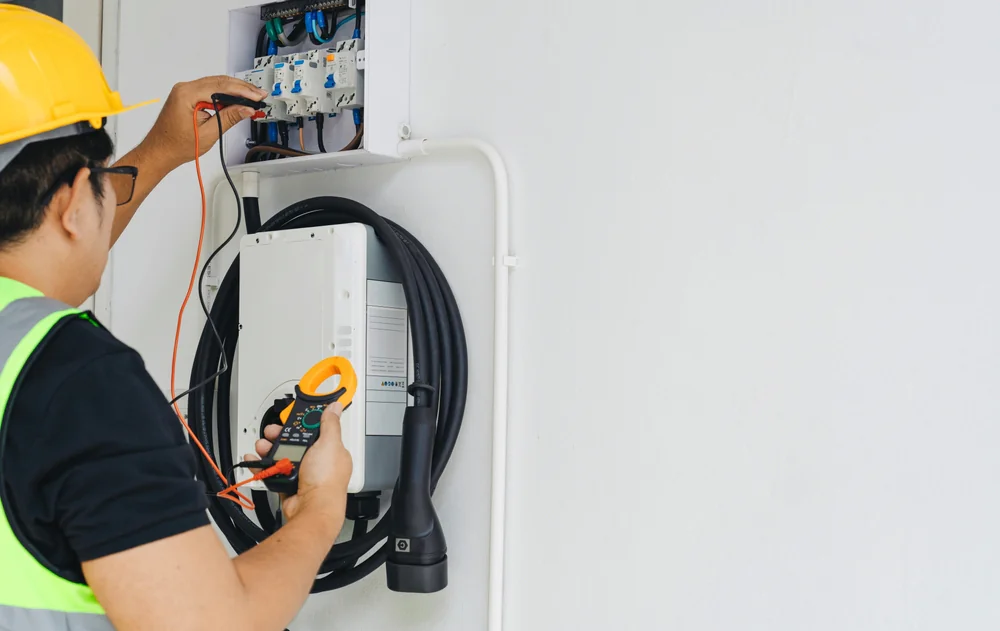
EV Charger Setup Process in Bethesda
First, we assess your electrical panel and your home’s current capacity. Many residential systems weren’t built to handle the 240-volt draw that EV charging stations require. If your panel needs an upgrade, we’ll tell you upfront what that involves and what it costs.
Once your electrical system is ready, we determine the best location for your charger. That’s usually your garage or an exterior wall near where you park. We install a dedicated circuit, mount the charging station, and make sure everything is wired to code.
After installation, we test the charger to confirm it’s delivering power correctly and safely. You’ll see how to operate it, and we’ll answer any questions about charging schedules or energy monitoring if your unit has those features. Then we pull permits, handle inspections if required, and make sure you’re set up to claim any available rebates. Duke Energy offers a one-time credit of up to $1,117 per household for EV charger installation costs, and we’ll help you navigate that process.
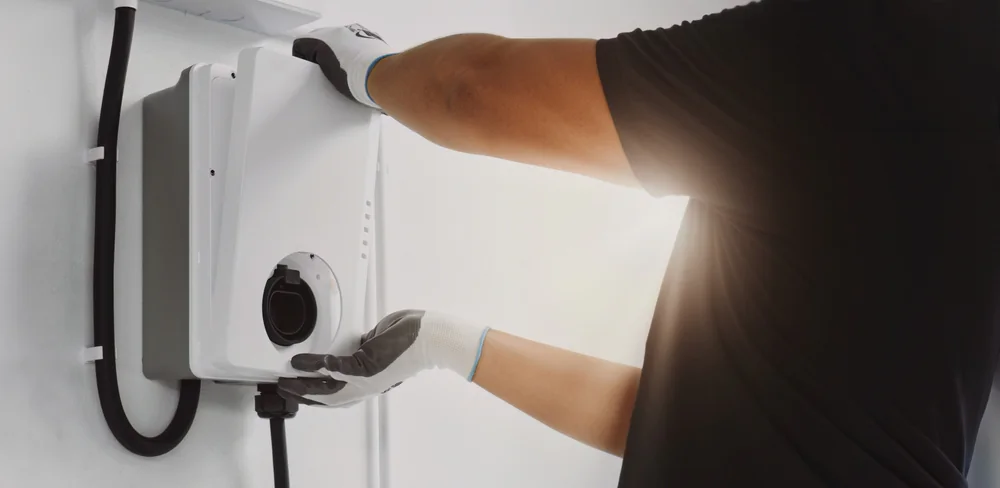
Residential EV Charger Installation Bethesda
Your installation starts with a complete electrical assessment. We check your panel’s capacity, evaluate your wiring, and determine whether upgrades are necessary before your electric vehicle charging station goes in. You’ll know exactly what your system needs before any work begins.
We handle the full installation, from running the dedicated 240-volt circuit to mounting your Level 2 charger and connecting it to your electrical panel. All work meets National Electrical Code requirements and local building standards. If permits are required in your area, we pull them and coordinate inspections.
North Carolina is pushing toward 1.25 million EVs on the road by 2030, and Bethesda is part of that shift. More homeowners are installing chargers now because it increases property value and makes daily life easier. You’re also eligible for Duke Energy’s installation rebate, which covers a significant portion of your upfront costs. We provide the documentation you need to claim that credit, and we’ll walk you through the process so nothing gets missed.
Do I need to upgrade my electrical panel before installing an EV charger?
It depends on your current panel’s capacity and what else is running on your system. Most EV chargers pull 240 volts and require a dedicated 40 or 50-amp circuit. If your home has a 100-amp or 150-amp panel and you’re already running central air, a water heater, and other major appliances, there may not be enough capacity left over.
We assess your panel during the initial visit and let you know whether an upgrade is necessary. If it is, we’ll explain what that involves and provide a flat-rate price before any work starts. Panel upgrades aren’t always required, but when they are, they’re worth doing. You’re not just adding capacity for your EV charger—you’re future-proofing your home’s electrical system for anything else you might add down the road.
Skipping the upgrade when it’s needed creates safety risks and can cause your breaker to trip repeatedly. We make sure your system can handle the load safely and reliably.
How long does it take to install a home EV charger?
Most installations take four to eight hours, depending on your electrical setup and where the charger is going. If your panel is in the garage and your charger is mounting nearby, the job moves faster. If we’re running a new circuit from a panel on the opposite side of the house, it takes longer.
Panel upgrades add time. If your system needs more capacity before the charger goes in, that work happens first and can add several hours to the project. We’ll give you a clear timeline during the assessment so you know what to expect.
Permit requirements can also affect the schedule. Some areas require inspections before the charger can be used, which means coordinating with local building departments. We handle that process, but it may add a day or two to the overall timeline. Once the inspection is complete and everything passes, you’re good to start charging.
Can I install an EV charger myself, or do I need a licensed electrician?
You need a licensed electrician. EV chargers require a dedicated 240-volt circuit, and installing one involves working inside your electrical panel, running new wiring, and ensuring everything meets code. If something is wired incorrectly, you risk electrical fires, damage to your vehicle’s charging system, or a failed inspection that costs more to fix than hiring a professional from the start.
North Carolina requires permits for this type of electrical work, and most jurisdictions won’t issue a permit unless a licensed contractor is doing the job. Even if you have electrical experience, your insurance may not cover damage or injuries resulting from unpermitted DIY work.
Beyond safety and code compliance, a professional installation protects your investment. If your charger stops working or causes problems down the line, and it wasn’t installed by a licensed electrician, the manufacturer’s warranty may not cover it. We install chargers correctly the first time, pull the necessary permits, and make sure your setup passes inspection.
What rebates or incentives are available for EV charger installation in North Carolina?
Duke Energy offers a one-time credit of up to $1,117 per household for residential EV charger installation costs. That rebate applies to the installation itself, not the charger hardware, and it’s available to Duke Energy customers in eligible service areas. We provide the documentation you need to apply for that credit.
The federal government also offered tax credits for clean vehicle purchases and charging equipment, but those programs have specific expiration dates and eligibility requirements. As of now, the federal clean vehicle tax credit is set to expire on September 30, 2025. If you’re planning to buy an EV and install a home charger, acting sooner rather than later ensures you don’t miss out on available incentives.
Some local utilities and municipalities offer additional rebates or incentive programs, but those vary by location. We stay updated on what’s available in the Bethesda area and can point you toward programs that apply to your situation. Rebates and credits can significantly reduce your upfront costs, and we make sure you have everything you need to claim them.
Will installing an EV charger increase my home's value?
Yes. Homebuyers are actively looking for properties with EV charging capability, especially as electric vehicle adoption increases across North Carolina. A professionally installed Level 2 charger signals that your home is ready for the future, and it removes a major setup hurdle for buyers who already own an EV or plan to buy one.
Real estate data shows that homes with EV chargers appeal to a growing segment of buyers who prioritize sustainability and convenience. You’re not just adding a charging station—you’re adding a feature that makes your property more competitive in the market.
Beyond resale value, a home charger saves you time and money while you’re living there. You’re not paying premium rates at public charging stations, and you’re not wasting time waiting for an open spot. The convenience alone makes the investment worthwhile, and the boost to your property’s marketability is a bonus when it’s time to sell.
What's the difference between Level 1 and Level 2 EV chargers?
Level 1 chargers plug into a standard 120-volt outlet and add about three to five miles of range per hour. That’s fine if you’re only driving short distances and can leave your car plugged in overnight, but it’s not practical for most people. If you drive 40 miles a day, you’re looking at 10 to 12 hours of charging time just to recover that range.
Level 2 chargers run on 240 volts and add 25 to 35 miles of range per hour. That means a full charge overnight for most vehicles, even if you’re starting from near empty. If you’re using your EV as a primary vehicle, Level 2 is the only setup that makes sense.
Level 2 chargers require professional installation because they need a dedicated circuit and a 240-volt connection. That’s the same type of power your dryer or electric range uses, and it’s not something you can just plug into a standard outlet. We install the circuit, mount the charger, and make sure everything is wired safely and correctly. Once it’s in, you’ll have fast, reliable charging every time you need it.
Other Services we provide in Bethesda
About Us

Electrical Service Providers (ESP) has been in business since 2002. ESP started out performing wiring services to new construction, remodeling projects and residential homes. Our company’s president identified a market for electrical services to be performed in homes and businesses independent of new construction. Read More about Electrical Service Providers>>
All Rights Reserved.Organic Marketing LLC
Business Listings


Product Brands Used
Allied, Broan, Cutler Hammer, General Electric, Ideal, Juno, Kohler, Leviton, Lutron, Siemens, Square D
Contact
- Office Address: 3254 S Anthony Ct.
Burlington, NC 27215 - Mailing Address: PO Box 25
Alamance, NC 27201 - Phone: 336-228-3300
- E-mail: [email protected], [email protected]
Service Areas
Chapel Hill, Burlington, Carrboro, Durham, Gibsonville, Hillsborough, Graham, Pittsboro, Morrisville, Cary
About Us
Electrical Service Providers (ESP) has been in business since 2002. ESP started out performing wiring services to new construction, remodeling projects and residential homes. Our company’s president identified a market for electrical services to be performed in homes and businesses independent of new construction. Read More about Electrical Service Providers>>
All Rights Reserved.Organic Marketing LLC