EV Charger Installation in Calvander, NC
Charge at Home Without the Guesswork or Hassle
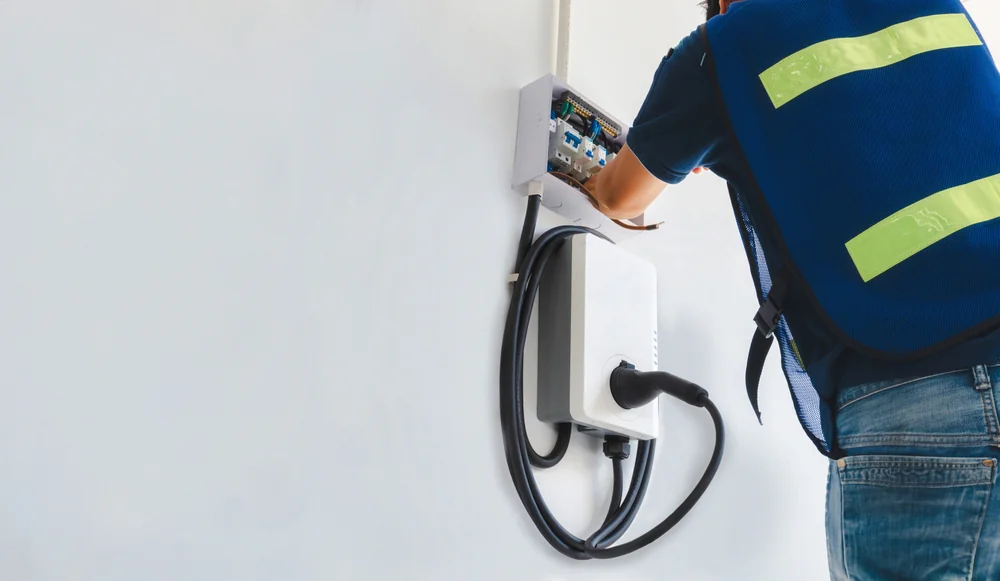
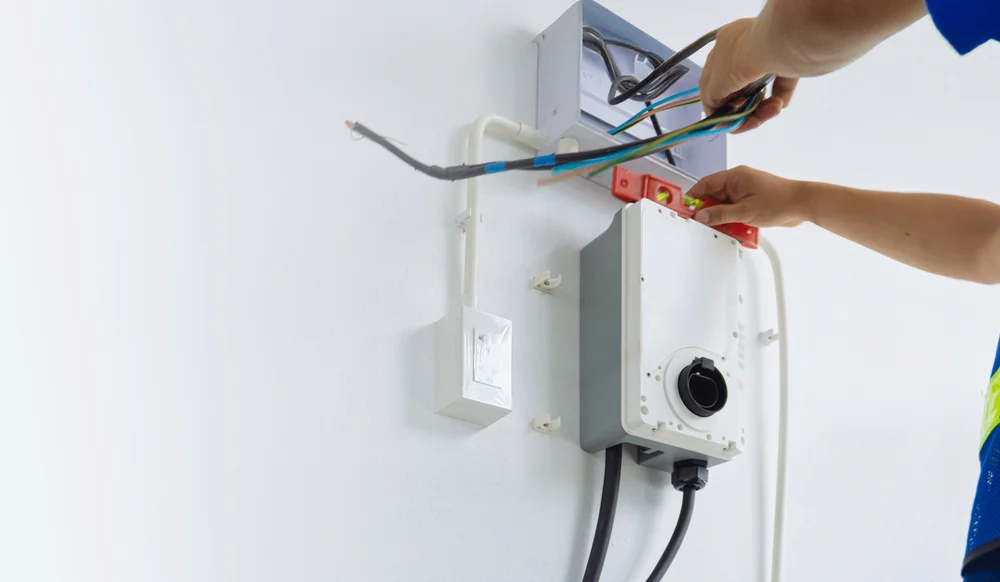
Electric Vehicle Charger Setup Near Calvander
You’re not circling parking lots looking for an open charging station anymore. You’re not paying premium rates at public chargers or sitting in your car for 45 minutes on a Tuesday afternoon.
You plug in when you get home. The charger does its thing overnight. You leave the next morning with a full battery and zero hassle.
That’s what a properly installed home EV charger gives you. No more range anxiety before road trips. No more detours to find a working station. Just reliable charging in your own driveway, on your schedule, at rates that are a fraction of what you’d pay elsewhere.
If you’re on a time-of-use plan with Duke Energy, you’re charging for as low as four cents per kilowatt-hour during off-peak hours. Compare that to public stations charging 30 to 50 cents per kWh, and the math makes itself.
Licensed Electricians Serving Calvander Homeowners
ESP Electrical Service Providers has been handling residential electrical work in Alamance County and surrounding areas for more than 20 years. Andy Helton, our Master Electrician and owner, has 35-plus years in the trade.
We’re not a franchise learning as we go. We’re a local crew that knows North Carolina electrical codes, Duke Energy rebate processes, and what it takes to install an EV charger without overloading your panel or cutting corners.
Calvander homeowners call us because we show up in uniform, we price the job flat before we start, and we don’t leave until the site is cleaner than we found it. You get straight answers, not runarounds. If your panel needs an upgrade to handle the load, we’ll tell you upfront—not halfway through the job.
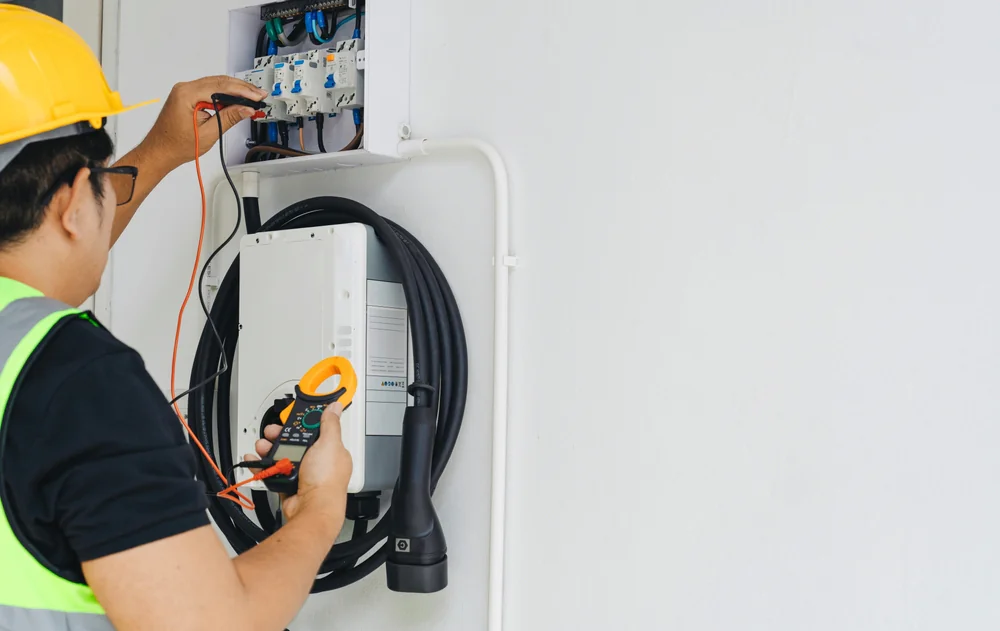
How EV Charger Installation Works in Calvander
First, we look at your electrical panel. Most EV chargers pull 30 to 50 amps, and if your panel’s already maxed out, we’ll need to upgrade it or add a load management device. We tell you what’s required before any work starts.
Next, we map the route from your panel to where the charger will mount—usually your garage or an exterior wall near your driveway. We pull the necessary permits and make sure the installation meets local code and manufacturer specs.
Then we install the charger, test the circuit, and walk you through how it works. If you’re eligible for Duke Energy’s rebate program, we provide the documentation you need to claim up to $1,117 back.
The whole process typically takes a few hours once we’re onsite, assuming no major panel work is needed. You’ll know the timeline and the cost before we touch a single wire.
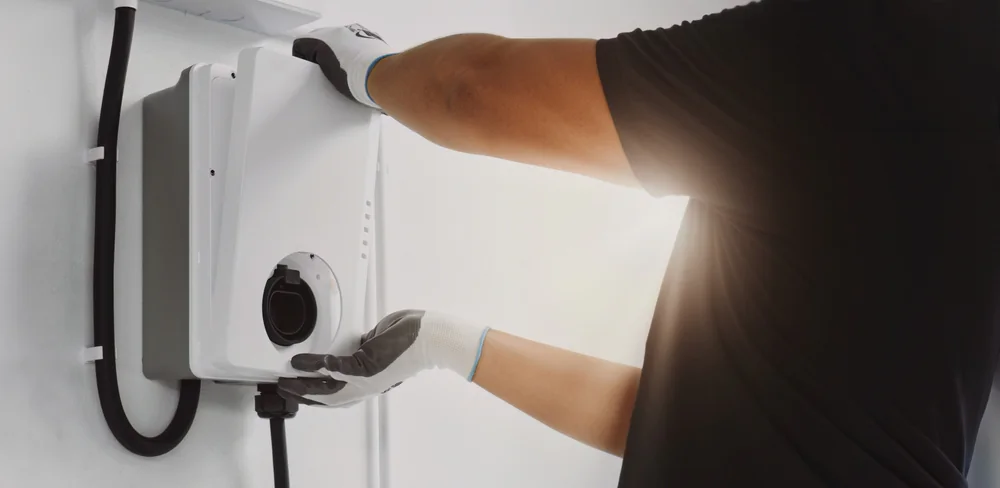
What's Included in Our EV Charger Service
Every EV charger installation starts with a load calculation. We check your existing electrical service to confirm it can handle the additional draw. If it can’t, we discuss your options—panel upgrade, subpanel addition, or a load-sharing device that manages power between your charger and other high-draw appliances.
We handle the permit process with Alamance County or your local jurisdiction. Inspections are scheduled and completed as required. You don’t chase down paperwork or wait on hold with the building department.
Once the electrical work is approved, we mount the charger, run the wiring, and connect everything to code. We test the system to make sure it’s charging at the correct rate and that your breaker panel isn’t showing any issues.
North Carolina’s EV adoption is climbing fast—over 100,000 registered EVs statewide as of 2024, with Alamance and Orange counties seeing steady growth. Homeowners around Calvander are adding chargers now because the infrastructure is still catching up. Public charging stations near Burlington and Graham are often crowded, especially during peak hours. Installing your own charger means you’re not competing for a spot or paying inflated per-kWh rates.
How much does it cost to install an EV charger in Calvander?
The cost depends on your electrical setup. If your panel has available capacity and the charger location is close to the panel, you’re looking at the lower end of the range. If we need to upgrade your panel, run a long conduit, or install a subpanel, the price goes up.
Most residential Level 2 EV charger installations in the Calvander area run between $800 and $2,500, not including the charger unit itself. That covers labor, materials, permits, and inspection fees.
Duke Energy offers rebates that can cover a significant portion of the install cost—up to $1,117 depending on your eligibility and the work required. We help you navigate that process so you’re not leaving money on the table. Before we start, you get a flat-rate price. No surprises, no hourly billing that spirals.
Do I need to upgrade my electrical panel to install an EV charger?
It depends on your current panel capacity and what else is running in your home. Most EV chargers need a dedicated 40- or 50-amp circuit. If your panel is already near its limit—common in older homes or homes with electric heat, pool equipment, or other high-draw appliances—you’ll likely need an upgrade.
We do a load calculation during the estimate to determine whether your existing service can handle the additional demand. If it can’t, we’ll recommend either a panel upgrade or a load management device that intelligently shares power between your charger and other equipment.
Some homeowners around Calvander are surprised to learn their 100-amp service won’t support an EV charger plus everything else they’re running. Upgrading to 200-amp service is common and often necessary. We walk you through the options and costs upfront so you can make an informed decision.
How long does EV charger installation take?
If your panel has capacity and the charger mounts close to it, installation usually takes three to five hours. That includes running the circuit, mounting the charger, connecting everything, and testing the system.
If a panel upgrade is required, add another day or two depending on scheduling and inspection availability. Permit approval times vary by jurisdiction, but we handle that process and keep you updated.
Most Calvander homeowners are up and charging within a week of their initial call, assuming no major electrical overhauls are needed. We schedule the work around your availability and don’t leave the job half-finished. When we’re done, your charger is live, tested, and ready to use.
Can I install an EV charger myself or use a handyman?
Legally, no. North Carolina requires a licensed electrician to install EV chargers because they involve high-voltage circuits and must meet specific code requirements. A handyman or DIY install won’t pass inspection, and your insurance might not cover damage if something goes wrong.
Beyond the legal side, EV chargers aren’t plug-and-play. They require proper wire sizing, breaker selection, grounding, and load calculations. If the installation isn’t done right, you risk tripping breakers, overheating wires, or damaging your vehicle’s charging system.
We’ve been called to fix botched installs where someone tried to save money upfront and ended up spending more to correct the problems. It’s not worth the risk. A licensed electrician ensures the job is done safely, correctly, and in a way that protects your home and your investment.
What EV charger brands do you recommend and install?
We install all major Level 2 EV charger brands, including ChargePoint, JuiceBox, Grizzl-E, Tesla Wall Connector, and others. The right charger for you depends on your vehicle, your charging speed preferences, and whether you want smart features like app control or scheduling.
Tesla owners often go with the Wall Connector for seamless integration, but other brands work just as well and sometimes offer better features or pricing. If you drive a non-Tesla EV, we’ll recommend a charger that matches your vehicle’s onboard charging capacity—no point paying for a 48-amp charger if your car maxes out at 32 amps.
We’re not tied to any specific brand, so our recommendation is based on what actually fits your situation. Some chargers are better for outdoor installs, others have better warranties, and some integrate with home energy management systems. We walk through the options during the estimate so you’re choosing based on facts, not marketing.
Will installing an EV charger increase my home's value?
Yes, especially as EV adoption grows in North Carolina. Homebuyers increasingly view an installed EV charger as a valuable feature, similar to updated electrical panels or energy-efficient HVAC systems. It signals that the home is ready for modern technology and reduces the hassle for the next owner.
In areas like Calvander, Burlington, and Graham, where EV registrations are climbing, having a charger already installed makes your home more attractive to a growing segment of buyers. It’s not just about the charger itself—it’s about showing that the electrical system can handle it, which matters to anyone concerned about future-proofing.
Real estate agents in the Triangle area are starting to list EV chargers as a selling point in listings. It’s a relatively small investment that differentiates your property and appeals to environmentally conscious buyers who are already driving electric or planning to make the switch soon.
Other Services we provide in Calvander
About Us

Electrical Service Providers (ESP) has been in business since 2002. ESP started out performing wiring services to new construction, remodeling projects and residential homes. Our company’s president identified a market for electrical services to be performed in homes and businesses independent of new construction. Read More about Electrical Service Providers>>
All Rights Reserved.Organic Marketing LLC
Business Listings


Product Brands Used
Allied, Broan, Cutler Hammer, General Electric, Ideal, Juno, Kohler, Leviton, Lutron, Siemens, Square D
Contact
- Office Address: 3254 S Anthony Ct.
Burlington, NC 27215 - Mailing Address: PO Box 25
Alamance, NC 27201 - Phone: 336-228-3300
- E-mail: [email protected], [email protected]
Service Areas
Chapel Hill, Burlington, Carrboro, Durham, Gibsonville, Hillsborough, Graham, Pittsboro, Morrisville, Cary
About Us
Electrical Service Providers (ESP) has been in business since 2002. ESP started out performing wiring services to new construction, remodeling projects and residential homes. Our company’s president identified a market for electrical services to be performed in homes and businesses independent of new construction. Read More about Electrical Service Providers>>
All Rights Reserved.Organic Marketing LLC