EV Charger Installation in Colfax, NC
Charge at Home Without the Fire Risk
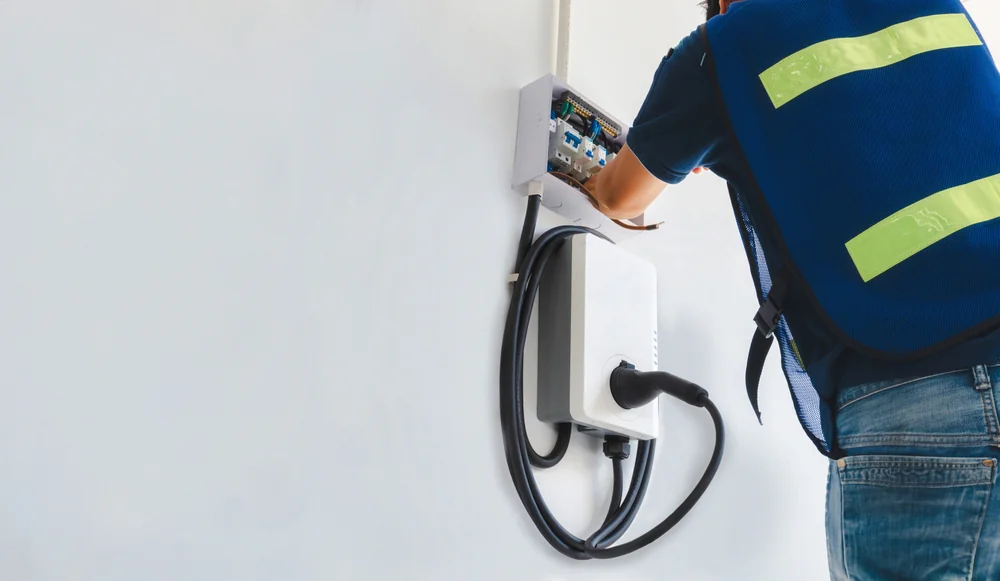
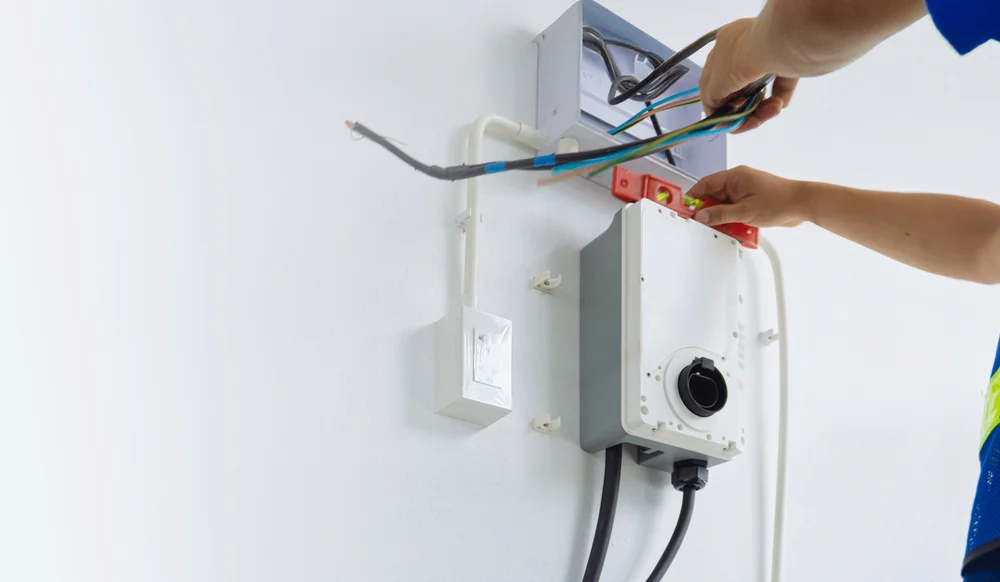
Electric Vehicle Charger Setup Colfax
You bought an EV to simplify your life, not to plan your day around public charging stations. But right now, that’s exactly what you’re doing—mapping routes based on charger availability, waiting in line at overcrowded stations, or hoping the one near your house actually works.
Home charging fixes that. You plug in when you get home, and you wake up ready to go. No apps. No waiting. No wondering if someone’s going to unplug you at the grocery store.
But only if your electrical system can handle it. Most homes in Colfax weren’t wired for the kind of load a Level 2 EV charger pulls. That’s 40 amps on a dedicated 240-volt circuit—the same demand as a central AC unit. If your panel’s already maxed out or your service is under 200 amps, you’ll need an upgrade before you can charge safely. We assess that upfront so there are no surprises halfway through the job.
Licensed Electricians Serving Colfax, NC
ESP Electrical Service Providers has been handling residential and commercial electrical work across Guilford County and surrounding areas for over two decades. We’re locally owned, and our operations manager, Andy Helton, is a Master Electrician with 35 years in the field.
We’re not a national franchise. We’re the team that shows up in a fully stocked truck, handles your permits, and makes sure your installation passes inspection the first time. We’ve worked with Duke Energy rebates, panel upgrades, and tricky older homes throughout Colfax and the surrounding towns.
You’ll work directly with our team from estimate to completion. No call centers. No subcontractors. Just licensed electricians who know North Carolina code and how to apply it to your specific setup.
How EV Charging Station Installation Works
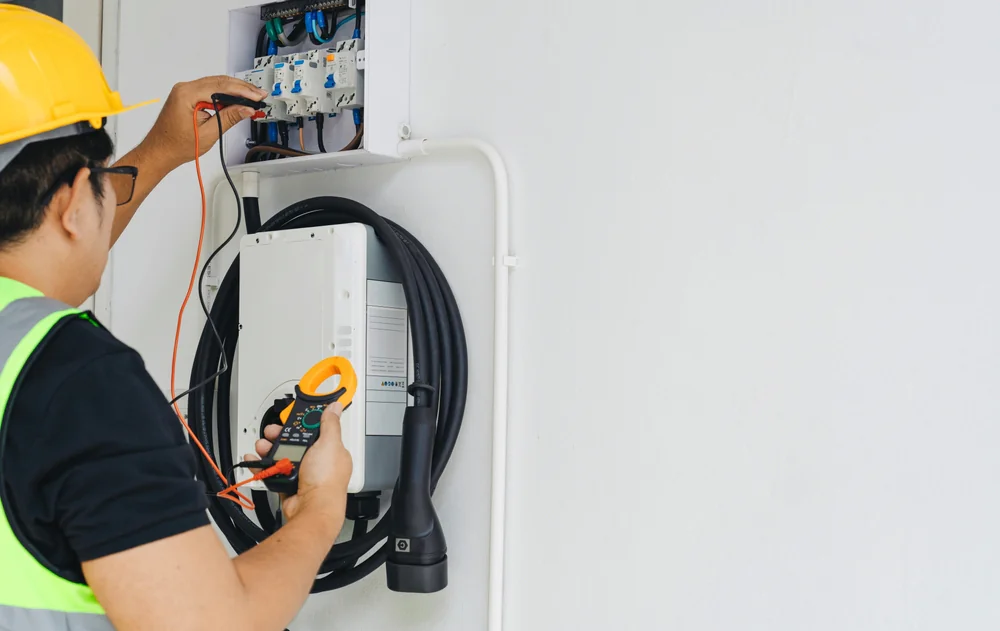
First, we come out and look at your electrical panel, your service capacity, and where you want the charger installed. Most garages or carports work fine, but distance from the panel matters—longer runs mean more cost. We’ll tell you if you need a panel upgrade, a service upgrade, or if your current setup can handle the load as-is.
Once we know what’s required, we give you a flat-rate price. No hourly guessing. You’ll know the full cost before we start, including any rebates you qualify for through Duke Energy’s EV Charger Prep Credit program—that’s up to $1,117 back on installation costs.
Then we pull the permits, schedule the work, and install your charger. We mount the unit, run the wiring, install the breaker, and make sure everything’s grounded and code-compliant. After that, the county inspector signs off, and you’re cleared to charge. The whole process usually takes one to two days depending on the scope, and we clean up completely when we’re done.
What's Included in EV Charger Installation
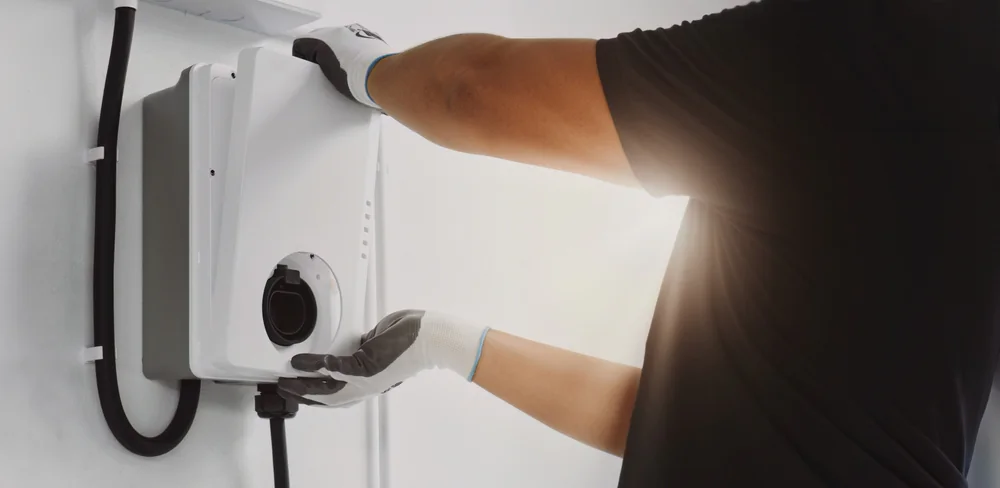
Every EV charger installation we do in Colfax includes a full electrical assessment, permit filing, installation of a dedicated 240-volt circuit, breaker installation, proper grounding, and final inspection coordination. If your panel needs an upgrade to support the new load, we handle that too—and it’s often covered partially or fully by Duke Energy’s rebate program.
North Carolina passed over 100,000 registered EVs in 2024, and Colfax is seeing that growth firsthand. More EVs mean more demand on home electrical systems that were never designed for this kind of daily draw. We’re seeing a lot of homes in the area that still have 100- or 150-amp service, which doesn’t leave room for a Level 2 charger without upgrades.
We also work with all the major charger brands—Tesla Wall Connectors, ChargePoint, JuiceBox, Grizzl-E, and others. If you’ve already bought a unit, we’ll install it. If you haven’t, we’ll help you pick one that fits your vehicle and budget. And if something goes wrong down the road, we handle EV charger repair and troubleshooting as well.
How much does it cost to install an EV charger in Colfax?
Installation typically runs between $800 and $3,000 depending on your home’s current electrical setup. If your panel has space and your service can handle the load, you’re on the lower end. If you need a panel upgrade or a service upgrade to 200 amps, costs go up.
Distance from the panel to the charger location also affects price. A 10-foot run is straightforward. A 60-foot run across your garage and through a wall adds material and labor. We give you a flat-rate quote after the assessment so you know exactly what you’re paying before we start.
Duke Energy offers a rebate of up to $1,117 for EV charger prep costs, which can cover a significant portion of the install. We’ll help you apply and make sure your installation qualifies.
Do I need to upgrade my electrical panel for an EV charger?
It depends on your current service capacity and how much load your panel is already handling. A Level 2 EV charger typically requires a 40- or 50-amp breaker on a dedicated 240-volt circuit. If your home has 200-amp service and available breaker slots, you’re usually fine.
But a lot of homes in Colfax—especially older ones—still run on 100- or 150-amp service. If that’s the case, adding an EV charger could overload your system, which creates a fire risk. We assess your panel during the estimate and let you know if an upgrade is necessary.
Panel upgrades aren’t just about the charger. They future-proof your home for other electrical demands and can increase resale value, especially as EVs become more common in the area.
Can I just plug my EV into a regular outlet?
You can, but it’s not a long-term solution. Standard 120-volt outlets—what’s called Level 1 charging—add about 3 to 5 miles of range per hour. That’s fine for a plug-in hybrid or if you barely drive, but for most EV owners, it’s not enough.
The bigger issue is safety. Regular outlets aren’t designed for continuous high-amp draws over several hours. That kind of sustained load can overheat the wiring, trip breakers, or in worst cases, start a fire. We’ve seen melted outlets and scorched wiring in homes where people tried to make it work.
A Level 2 charger on a dedicated circuit gives you 25 to 30 miles of range per hour and does it safely. It’s the difference between charging overnight versus charging over two or three nights—and doing it without putting your home at risk.
How long does EV charger installation take in Colfax?
If your electrical system is ready and no upgrades are needed, installation usually takes four to six hours. That includes mounting the charger, running the circuit, installing the breaker, and testing everything. We schedule the inspection after that, which typically happens within a few days depending on the county’s availability.
If you need a panel upgrade or service upgrade, add another day or two. Panel work requires its own permit and inspection, so the timeline extends a bit. We coordinate all of that and keep you updated throughout.
Most of our Colfax customers are up and charging within a week of the initial call, assuming no major electrical overhauls are needed. We keep trucks fully stocked so we’re not waiting on parts, and we handle permits directly so you’re not stuck dealing with the county.
Will installing an EV charger increase my electric bill?
Yes, but it’s still cheaper than gas—and a lot cheaper than public charging. Electricity costs in North Carolina average around 12 cents per kilowatt-hour. Charging a typical EV with a 60 kWh battery from empty to full costs about $7 to $9 at home.
Compare that to paying $0.30 to $0.50 per kWh at a public fast charger, and home charging saves you real money over time. If you charge during off-peak hours, some Duke Energy rate plans drop costs even further.
Your bill will go up based on how much you drive and how often you charge, but for most people, it’s an extra $30 to $60 a month. That’s a fraction of what you’d spend on gas or public charging, and you’re doing it on your schedule without leaving your house.
Do you handle the permits and inspections for EV charger installation?
Yes. We pull the permits, schedule the inspections, and make sure everything passes the first time. Electrical work in North Carolina requires permits and a licensed electrician—it’s not optional, and it’s not something you want to skip.
Unpermitted work can cause problems when you sell your home, and it voids most insurance policies if something goes wrong. Inspectors check for proper wire sizing, correct breaker ratings, grounding, and code compliance. We’ve been doing this since 2002, so we know exactly what Guilford County inspectors look for.
You don’t have to deal with any of it. We handle the paperwork, coordinate the inspection, and make sure your installation is fully legal and safe. That’s part of what you’re paying for—not just the install, but the peace of mind that it’s done right.
Other Services we provide in Colfax
About Us

Electrical Service Providers (ESP) has been in business since 2002. ESP started out performing wiring services to new construction, remodeling projects and residential homes. Our company’s president identified a market for electrical services to be performed in homes and businesses independent of new construction. Read More about Electrical Service Providers>>
All Rights Reserved.Organic Marketing LLC
Business Listings


Product Brands Used
Allied, Broan, Cutler Hammer, General Electric, Ideal, Juno, Kohler, Leviton, Lutron, Siemens, Square D
Contact
- Office Address: 3254 S Anthony Ct.
Burlington, NC 27215 - Mailing Address: PO Box 25
Alamance, NC 27201 - Phone: 336-228-3300
- E-mail: [email protected], [email protected]
Service Areas
Chapel Hill, Burlington, Carrboro, Durham, Gibsonville, Hillsborough, Graham, Pittsboro, Morrisville, Cary
About Us
Electrical Service Providers (ESP) has been in business since 2002. ESP started out performing wiring services to new construction, remodeling projects and residential homes. Our company’s president identified a market for electrical services to be performed in homes and businesses independent of new construction. Read More about Electrical Service Providers>>
All Rights Reserved.Organic Marketing LLC