EV Charger Installation in Eno, NC
Charge at Home Without Burning Your House Down
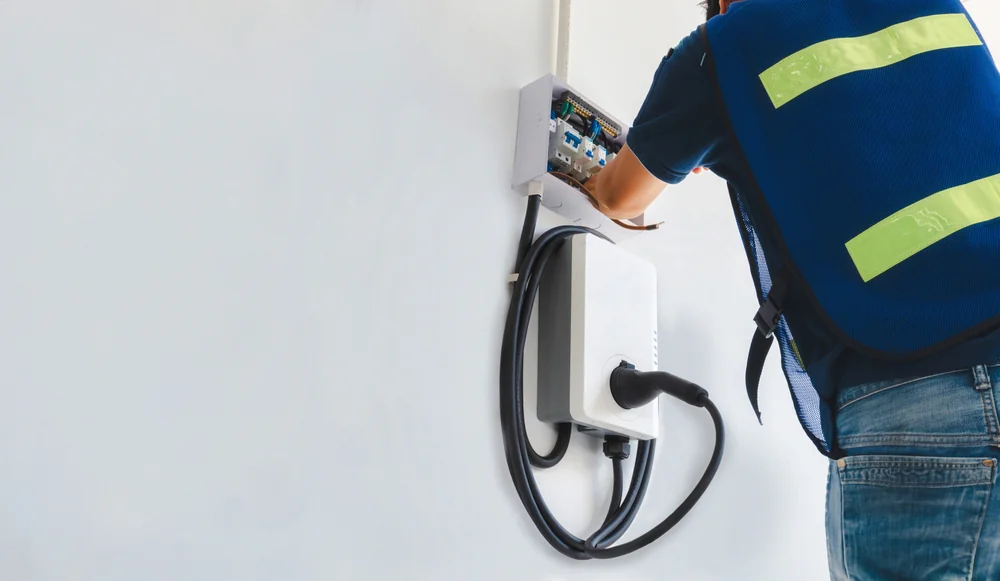
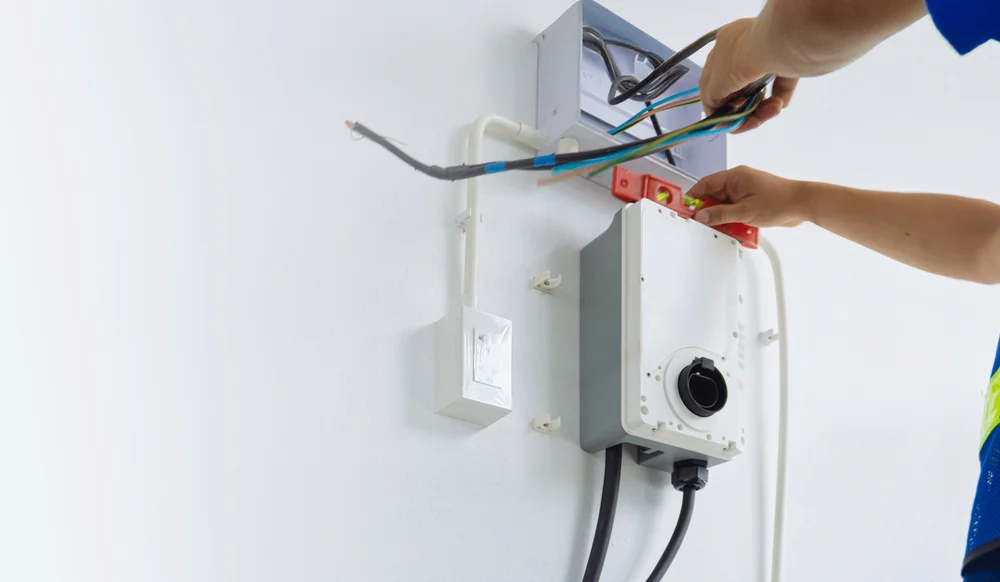
Electric Vehicle Charger Setup Eno
Your EV charges overnight, every night, without you thinking about it. No more planning trips around public charging stations or sitting in parking lots for an hour. No extension cords running across your garage or outlets that feel warm to the touch.
You’ll have a dedicated 240V circuit built to handle the load. Your electrical panel will support it without maxing out. And if your home needs an upgrade to 200-amp service, you’ll know before we start—not after something goes wrong.
The charger mounts where you need it. The wiring is clean and code-compliant. And when the inspector signs off, you’re done. You plug in when you get home, and your car is ready every morning.
Licensed Electricians Serving Eno, NC
We’re a local electrical contractor based in Burlington, serving Eno and the surrounding Orange County area for over 20 years. Andy Helton, our Master Electrician, has 35+ years of hands-on experience with residential and commercial electrical systems.
We’re not a franchise or a national chain. We know the homes in this area—many built before EVs existed—and we know what it takes to bring them up to speed. Older panels, undersized service, aluminum wiring. We’ve seen it all.
You’re not getting a salesperson or a subcontractor. You’re getting a licensed electrician who shows up in a fully stocked truck, does the work right, pulls the permit, and cleans up when it’s done.
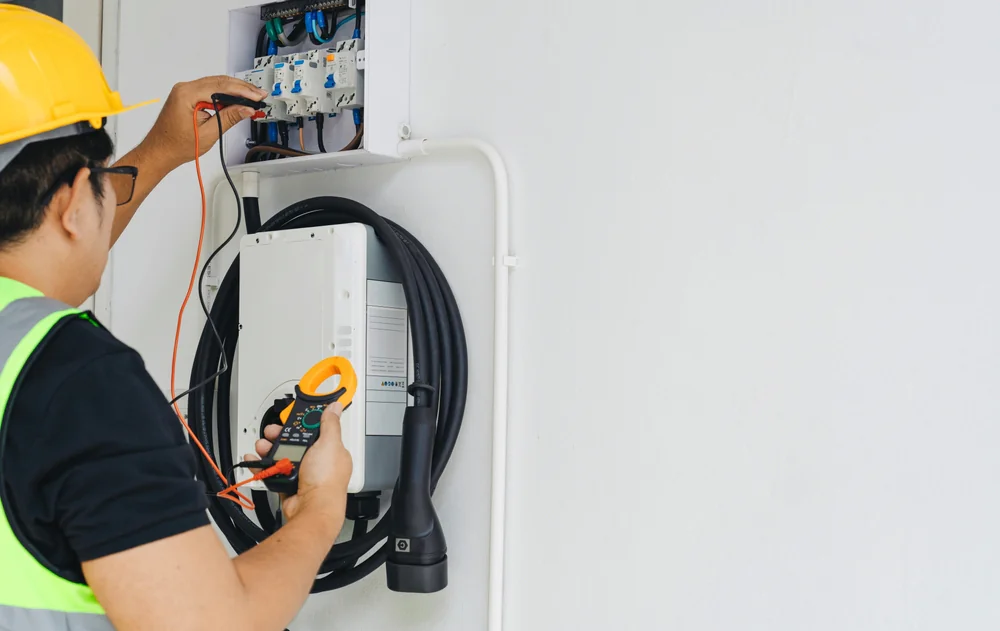
EV Charging Station Installation Process
First, we assess your electrical system. That means checking your panel, your available amperage, and the distance from the panel to where you want the charger. If your home has 100-amp service or less, you’ll likely need an upgrade to support a Level 2 charger without overloading your system.
Next, we walk you through your options. Hardwired vs plug-in. Indoor vs outdoor mounting. We’ll also help you apply for the Duke Energy rebate program, which covers up to $1,117 of the installation cost.
Then we pull the permit, schedule the work, and install everything to code. That includes running the dedicated circuit, mounting the charger, and making sure your breaker panel is labeled correctly. After installation, the city inspector comes out to sign off. Once that’s done, you’re good to go.
We don’t leave until the job is complete and you know how to use your new charger.
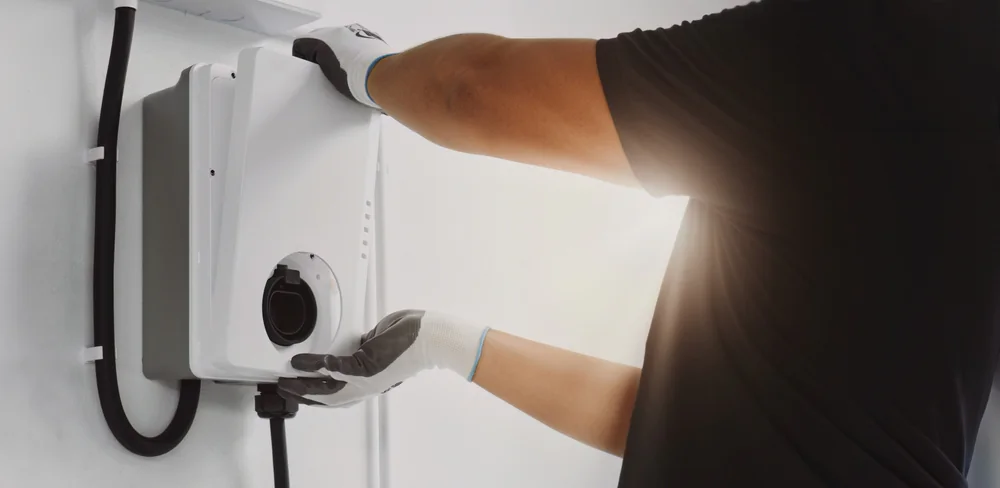
What's Included in EV Charger Installation
Every installation includes a full electrical assessment of your home’s current capacity. That’s not optional—it’s how we make sure your system can handle the load without creating a fire hazard or voiding your homeowner’s insurance.
If you need a panel upgrade, we handle that too. Most EV charger installations in Eno require 200-amp service, especially in older homes. We’ll upgrade your panel, install the dedicated 240V circuit, mount your charger, and coordinate the permit and inspection with Orange County.
We also help you navigate the Duke Energy rebate process. The program reimburses up to $1,117 for residential Level 2 charger installations, covering wiring improvements and outlet installation. We’ll make sure your setup qualifies and walk you through the paperwork.
You’ll get flat-rate pricing up front. No surprises. And because our trucks are fully stocked, we’re not making multiple trips or waiting on parts. One visit, done right.
How much does it cost to install an EV charger in Eno?
Most installations run between $1,000 and $2,500, depending on your home’s electrical setup and how far the charger is from your panel. If your home has 100-amp service or an older panel, you’ll need an upgrade to 200-amp service, which adds to the cost but is necessary for safety and performance.
The biggest cost factors are panel upgrades, distance from the electrical panel to the charger location, and whether your home needs any rewiring. A straightforward install on a newer home with available capacity costs less than retrofitting an older home with limited service.
The Duke Energy rebate program covers up to $1,117 of the installation cost for residential customers. We help you apply and make sure your installation qualifies. That rebate can offset a significant portion of the total cost, especially if you’re installing a Level 2 charger with a dedicated 240V circuit.
Do I need to upgrade my electrical panel for an EV charger?
If your home has 100-amp service or less, yes. Most Level 2 EV chargers pull 40 to 50 amps continuously, and your electrical system needs enough capacity to handle that load on top of everything else your home uses—HVAC, appliances, water heater, and more.
Homes built before the 1990s in the Eno area often have 100-amp or even 60-amp panels. That’s not enough for modern electrical demands, let alone an EV charger. Upgrading to 200-amp service gives you the capacity you need now and prepares your home for future electrical needs.
We assess your panel during the initial visit and let you know exactly what’s required. If you need an upgrade, we handle the entire process—new panel installation, permit coordination, and inspection. It’s not just about the charger. It’s about making sure your whole system is safe and up to code.
Can I just plug my EV into a regular outlet?
You can, but you shouldn’t rely on it. Standard 120V outlets charge extremely slowly—about 3 to 5 miles of range per hour—and they’re not designed for continuous heavy loads. Plugging your EV into a regular outlet night after night can overheat the wiring, trip breakers, and create a fire hazard.
Extension cords make it worse. They add resistance, generate heat, and increase the risk of electrical failure. Some homeowner’s insurance policies won’t cover damage caused by improper EV charging setups, which means you’re taking on significant risk to save a few hundred dollars on installation.
A Level 2 charger on a dedicated 240V circuit charges 5 to 7 times faster and does it safely. You’ll add 25 to 30 miles of range per hour, which means a full charge overnight instead of waiting days. It’s the difference between convenience and constantly worrying about whether your car will be ready when you need it.
How long does EV charger installation take in Eno?
Most installations take 4 to 8 hours, depending on the complexity of the job. If your electrical panel is in the garage and you’re mounting the charger nearby, it’s a straightforward process. If we’re running wiring across the house or upgrading your panel, it takes longer.
Panel upgrades add time but are often necessary for homes in the Eno area. Older homes weren’t built with EV charging in mind, so bringing your electrical system up to current standards is part of the process. We schedule the work to minimize disruption and make sure everything is done in one visit whenever possible.
Permit and inspection timelines depend on Orange County’s schedule, but we coordinate all of that for you. Once the inspection is complete and signed off, you’re ready to charge. We don’t leave until everything works and you’re comfortable using your new setup.
What's the difference between a hardwired and plug-in EV charger?
A hardwired charger connects directly to your electrical system without a plug. It’s permanently mounted and can’t be unplugged or moved. A plug-in charger uses a NEMA 14-50 outlet (the same type used for electric dryers) and can be unplugged if you need to take it with you or swap it out.
Hardwired chargers are slightly more efficient and often preferred for permanent installations. Plug-in chargers offer flexibility—if you move or upgrade your vehicle, you can take the charger with you. Both options require a dedicated 240V circuit and proper installation by a licensed electrician.
The choice depends on your situation. If you’re planning to stay in your home long-term and want a clean, permanent setup, hardwired makes sense. If you want flexibility or think you might relocate, plug-in is the better option. We’ll walk you through both during the consultation and help you decide what works best for your home and your vehicle.
Will installing an EV charger increase my home's value?
Yes. EV ownership is growing fast in North Carolina—registrations increased nearly 40% in the past year—and home buyers are actively looking for properties with charging infrastructure already in place. A professionally installed Level 2 charger is a selling point, especially in areas like Eno where commuters drive to Durham or the Research Triangle.
Homes with EV chargers appeal to a growing segment of buyers who don’t want to deal with the hassle and cost of installation after they move in. It’s similar to having a newer HVAC system or updated electrical panel—it signals that the home is move-in ready and equipped for modern needs.
The installation also demonstrates that your home’s electrical system can handle higher loads, which reassures buyers that the infrastructure is solid. That peace of mind adds value beyond just the charger itself. When it’s done right by a licensed electrician with permits and inspections, it’s an investment that pays off when you sell.
Other Services we provide in Eno
About Us

Electrical Service Providers (ESP) has been in business since 2002. ESP started out performing wiring services to new construction, remodeling projects and residential homes. Our company’s president identified a market for electrical services to be performed in homes and businesses independent of new construction. Read More about Electrical Service Providers>>
All Rights Reserved.Organic Marketing LLC
Business Listings


Product Brands Used
Allied, Broan, Cutler Hammer, General Electric, Ideal, Juno, Kohler, Leviton, Lutron, Siemens, Square D
Contact
- Office Address: 3254 S Anthony Ct.
Burlington, NC 27215 - Mailing Address: PO Box 25
Alamance, NC 27201 - Phone: 336-228-3300
- E-mail: [email protected], [email protected]
Service Areas
Chapel Hill, Burlington, Carrboro, Durham, Gibsonville, Hillsborough, Graham, Pittsboro, Morrisville, Cary
About Us
Electrical Service Providers (ESP) has been in business since 2002. ESP started out performing wiring services to new construction, remodeling projects and residential homes. Our company’s president identified a market for electrical services to be performed in homes and businesses independent of new construction. Read More about Electrical Service Providers>>
All Rights Reserved.Organic Marketing LLC