EV Charger Installation in Farrington, NC
Charge at Home Without the Public Station Hassle
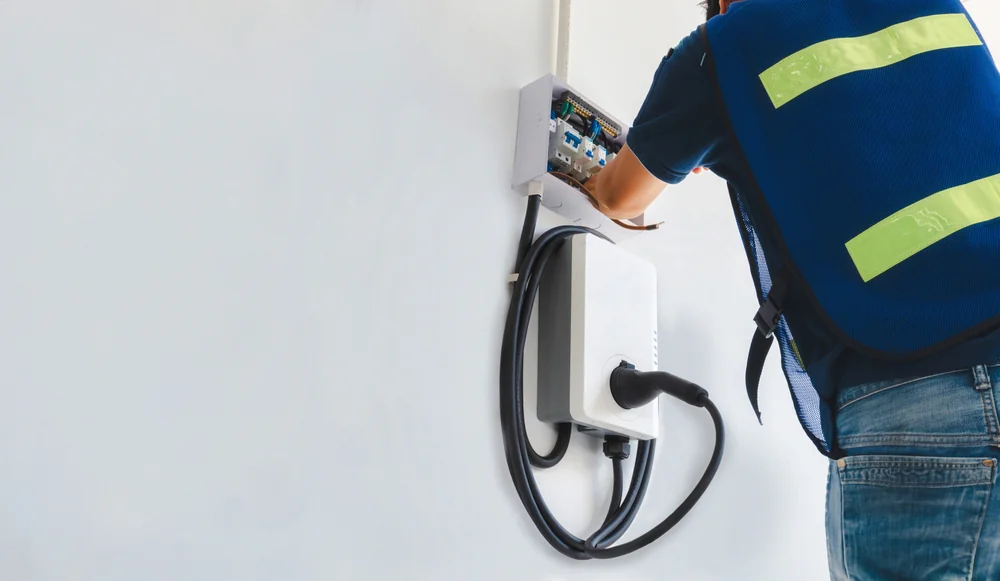
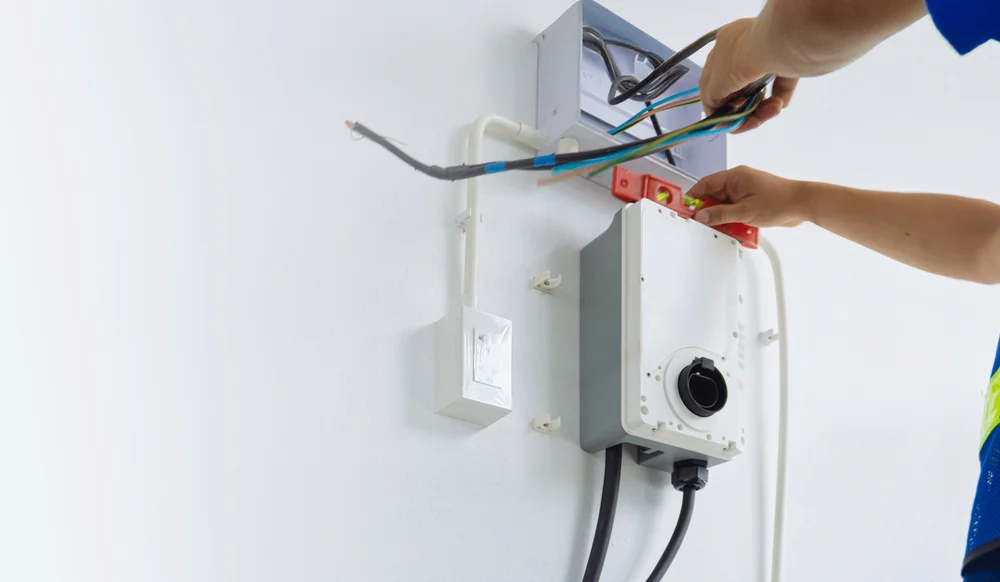
Electric Vehicle Charger Setup Near Farrington
You bought an electric vehicle to simplify your life, not complicate it. But relying on public charging stations means waiting in line, dealing with broken equipment, and wondering if you’ll find an open spot when you need one.
A home EV charging station changes that. You plug in when you get home, and your car charges overnight while you sleep. No apps to check. No detours to make. No uncertainty about whether you’ll have enough range for tomorrow’s drive.
The cost difference matters too. Charging at home runs you about $3 to $5 per 100 miles. Public DC fast chargers? Closer to $10 to $15 for the same distance. Over a year, that adds up to real money back in your pocket.
You also get faster charging than most people realize. A Level 2 home charger adds 20 to 35 miles of range per hour depending on your vehicle. For most daily driving, that’s more than enough to keep you topped off without thinking about it.
Licensed Electricians Serving Farrington Homeowners
We’ve been handling electrical work in Farrington and throughout Alamance County for over two decades. Andy Helton, our master electrician and owner, has been licensed since 1989 with more than 35 years of hands-on experience.
We’re not a franchise or a national chain. We’re local, and we’ve watched this area grow. We know the homes here, the electrical systems they’re built on, and what it takes to upgrade them safely for EV charging.
When you call, you talk to Andy directly. No call center. No runaround. Just straight answers about what your home needs, what it’ll cost, and how long it’ll take. We show up in uniform, with fully stocked trucks, and we clean up before we leave. The work isn’t done until you’re satisfied with it.
How Home EV Charger Installation Works
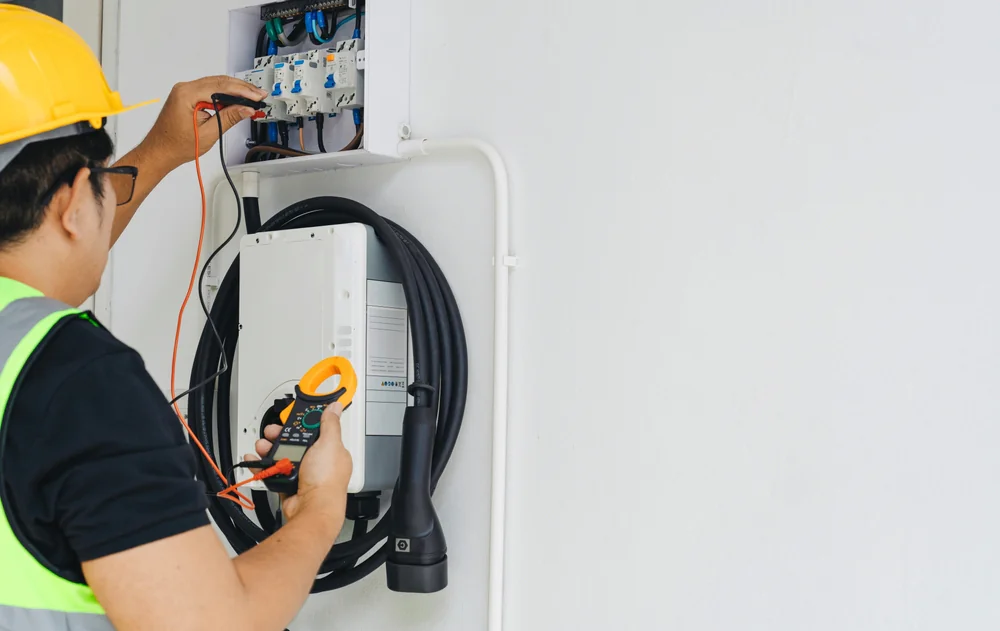
First, we assess your electrical system. Most Level 2 EV chargers need a 240-volt circuit with 40-amp service. If your panel can handle it, great. If not, we’ll tell you what upgrades are needed and give you a flat-rate price before any work starts.
Next, we handle the permit. North Carolina requires permits for EV charger installation, and we take care of the paperwork. You don’t have to deal with the county or chase down inspectors.
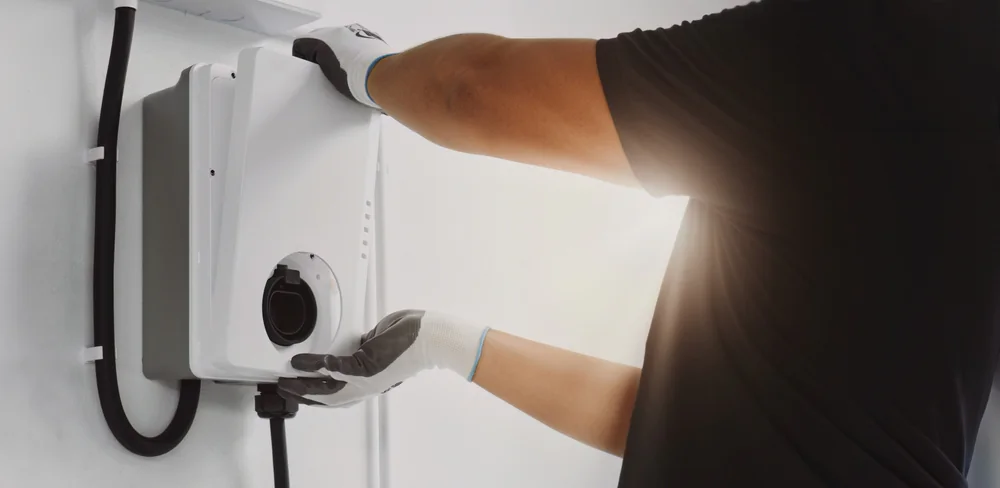
Then we install the charger. We run the wiring from your panel to wherever you park, mount the charging unit, and test everything to make sure it works correctly. If your electrical system needs upgrades—like a panel replacement or service increase—we do that first so everything’s up to code.
Finally, we walk you through how to use it. You’ll know how to plug in, monitor charging, and troubleshoot any issues. We don’t leave until you’re comfortable with the setup and everything’s working the way it should.
What's Included in EV Charging Station Installation
Every installation includes a full electrical assessment of your home. We check your panel capacity, existing circuits, and whether your service can support the additional load. If upgrades are needed, we’ll explain exactly what and why.
You also get help navigating rebates. Duke Energy offers up to $1,133 in credits for Level 2 EV charging station installation in North Carolina. The federal Alternative Fuel Vehicle Refueling Property Credit adds up to $1,000 more. We’ll point you toward what you qualify for so you’re not leaving money on the table.
The installation itself is code-compliant and built to last. We follow National Electrical Code standards and local requirements in Alamance County. That means proper wire sizing, correct breaker ratings, and safe placement of the charging unit.
Farrington homeowners are installing EV chargers faster than most people realize. North Carolina hit over 100,000 EV registrations in 2024, and nearly 20% of those were purchased last year alone. As more neighbors go electric, home charging infrastructure becomes less of a luxury and more of an expectation—especially for resale value down the road.
How much does it cost to install an EV charger at home?
Most installations in Farrington run between $1,000 and $2,500, depending on your home’s electrical setup. That range covers the charger itself, labor, permits, and any minor wiring adjustments.
If your electrical panel is older or doesn’t have enough capacity, you might need a panel upgrade or service increase. That adds to the cost, but it’s not always necessary. We assess your system first and give you a flat-rate price before starting any work, so there are no surprises.
Rebates can offset a good chunk of that upfront cost. Duke Energy’s program offers up to $1,133 for Level 2 charger installation, and the federal tax credit adds up to $1,000 more. Between those two, you could recover nearly half of what you spend, depending on your situation.
Do I need to upgrade my electrical panel for an EV charger?
It depends on your current setup. Most Level 2 EV chargers need a dedicated 240-volt circuit with 40 to 50 amps. If your panel has space and capacity for that, you’re good to go. If not, you’ll need an upgrade.
Older homes in Farrington—especially those built before the 1990s—often have 100-amp or 150-amp service. That’s usually enough for basic household needs, but adding an EV charger can push things over the limit. In those cases, upgrading to 200-amp service makes sense. It’s not just about the charger—it’s about making sure your whole system can handle the load safely.
We’ll inspect your panel during the initial assessment and let you know exactly what’s required. If an upgrade is necessary, we’ll explain what it involves, how long it takes, and what it costs. No guesswork, no upselling—just honest feedback based on what your home actually needs.
How long does EV charger installation take?
If your electrical system is ready and no upgrades are needed, most installations take four to six hours. That includes mounting the charger, running the wiring, connecting everything to your panel, and testing it to make sure it works.
If you need a panel upgrade or service increase, add another day or two. Panel work takes longer because it involves coordinating with the utility company and scheduling inspections. We handle all of that, but it does extend the timeline.
Permitting can also affect timing. North Carolina requires permits for EV charger installation, and approval usually takes a few days to a week depending on how busy the county is. We submit the paperwork and keep things moving, but it’s not always instant. Once the permit’s approved and the work is done, the final inspection typically happens within a few days, and then you’re all set.
Can I install a Tesla charger, or does it have to be universal?
You can install a Tesla Wall Connector if you drive a Tesla, but a universal Level 2 charger works just as well and gives you more flexibility. Tesla’s charger is designed specifically for their vehicles, so if you ever switch to a different EV brand, you’d need an adapter or a new charger.
Universal Level 2 chargers use a J1772 plug, which works with every electric vehicle sold in the U.S. except older Teslas—and even those can use a J1772 charger with a simple adapter that comes with the car. If you’re planning to keep your Tesla long-term and want the Tesla-branded unit, we can install that. If you want something that works with any EV, a universal charger makes more sense.
Both options charge at the same speed, assuming they’re rated for the same amperage. The real difference is compatibility and future-proofing. We’ll walk you through both and help you decide based on your situation, not ours.
What rebates or incentives are available for EV charger installation in North Carolina?
Duke Energy offers up to $1,133 in credits for residential Level 2 EV charger installation. That’s one of the bigger utility rebates in the state, and it applies to most homes in the Farrington area since Duke Energy serves Alamance County.
The federal government also offers the Alternative Fuel Vehicle Refueling Property Credit, which covers up to 30% of the installation cost, maxing out at $1,000 for residential properties. You claim that when you file your taxes, and it applies to both the equipment and the labor.
Between those two programs, you’re looking at over $2,000 in potential savings. The catch is that rebates and tax credits have specific requirements—like using a licensed electrician and meeting certain equipment standards. We make sure every installation qualifies, so you don’t run into issues when you apply. We’ll also point you toward the right forms and applications so you’re not digging through government websites trying to figure it out on your own.
Will installing an EV charger increase my home's value?
It can, especially as more buyers go electric. North Carolina’s EV market share jumped to nearly 8% in late 2024, and it’s still climbing. That means more people shopping for homes are looking for properties that already have charging infrastructure in place.
A home with a Level 2 charger installed is more attractive to EV owners because it eliminates a major hassle. They don’t have to deal with permits, electricians, or figuring out if their panel can handle it. It’s already done, and that’s worth something.
How much it adds to your home’s value depends on your market and buyer demand, but it’s similar to other electrical upgrades like adding a generator hookup or upgrading to a modern panel. It’s not a huge dollar amount, but it’s a selling point that sets your home apart from others on the block. And as EVs become more common in Farrington and across North Carolina, that advantage only grows.
Other Services we provide in Farrington
About Us

Electrical Service Providers (ESP) has been in business since 2002. ESP started out performing wiring services to new construction, remodeling projects and residential homes. Our company’s president identified a market for electrical services to be performed in homes and businesses independent of new construction. Read More about Electrical Service Providers>>
All Rights Reserved.Organic Marketing LLC
Business Listings


Product Brands Used
Allied, Broan, Cutler Hammer, General Electric, Ideal, Juno, Kohler, Leviton, Lutron, Siemens, Square D
Contact
- Office Address: 3254 S Anthony Ct.
Burlington, NC 27215 - Mailing Address: PO Box 25
Alamance, NC 27201 - Phone: 336-228-3300
- E-mail: [email protected], [email protected]
Service Areas
Chapel Hill, Burlington, Carrboro, Durham, Gibsonville, Hillsborough, Graham, Pittsboro, Morrisville, Cary
About Us
Electrical Service Providers (ESP) has been in business since 2002. ESP started out performing wiring services to new construction, remodeling projects and residential homes. Our company’s president identified a market for electrical services to be performed in homes and businesses independent of new construction. Read More about Electrical Service Providers>>
All Rights Reserved.Organic Marketing LLC