EV Charger Installation in Franklin Hills, NC
Charge at Home Without the Guesswork
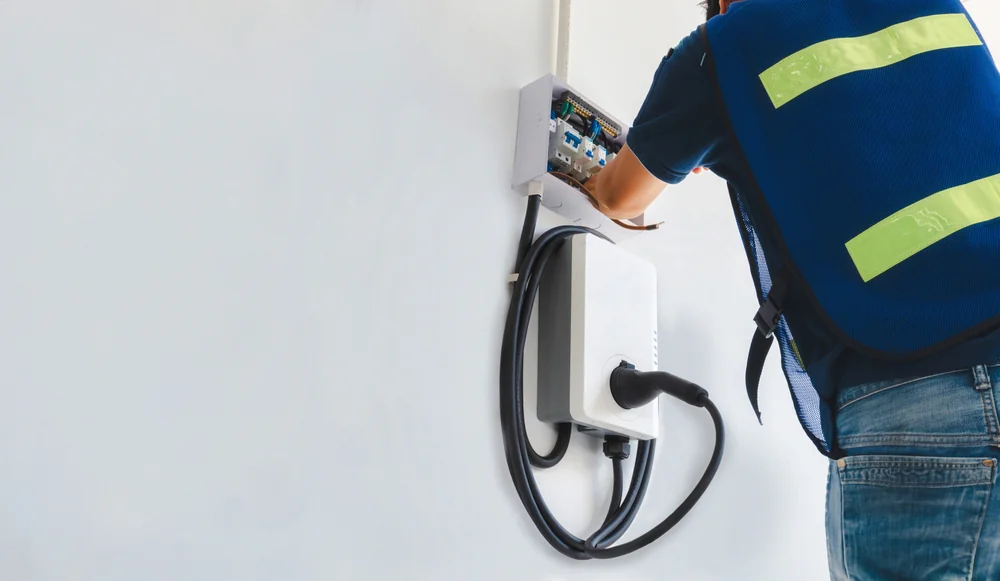
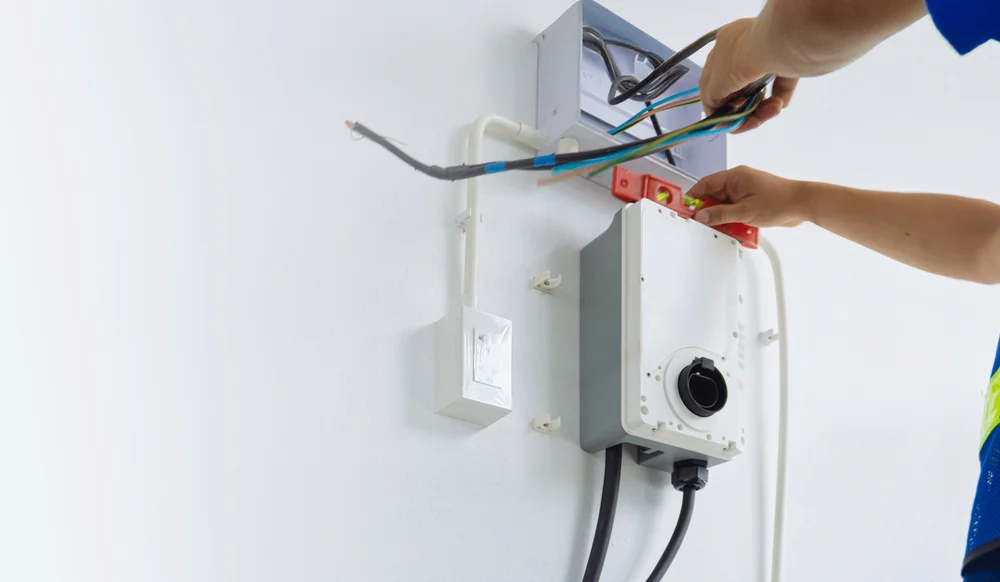
Electric Vehicle Charger Setup Franklin Hills
You bought an EV to simplify your life, not to plan your week around public charging stations. A Level 2 home charger adds about 70 miles of range for every hour it’s plugged in. That means you leave for work with a full battery, every single day, without thinking about it.
Public charging works when you’re on a road trip. At home, it’s a different story. You’re paying less per kilowatt-hour than those fast chargers at the grocery store, and you’re not sitting in your car waiting for a spot to open up. Duke Energy even offers up to $1,133 in rebates to cover the electrical upgrades most homes need.
The difference isn’t just convenience. It’s knowing your car is ready when you are, without apps, without delays, and without wondering if someone’s going to unplug you at the mall.
Licensed EV Charger Installers Franklin Hills
ESP Electrical Service Providers is locally owned and run by Andy Helton, a Master Electrician with over 35 years in the trade. We’ve been serving Alamance County and the surrounding areas for more than two decades, and we’ve seen how quickly things change when it comes to electrical demand.
Franklin Hills homeowners are installing electric vehicle chargers faster than most people realize. North Carolina hit 100,000 registered EVs in 2024, and the state’s aiming for 1.25 million by 2030. That’s not a trend—it’s a shift. And it means your home’s electrical system needs to keep up.
We use flat-rate pricing, show up in uniform, and drive fully stocked trucks. You’ll know what the job costs before we start, and we’ll handle the permit process so you don’t have to figure out what Alamance County requires.
How EV Charging Station Installation Works
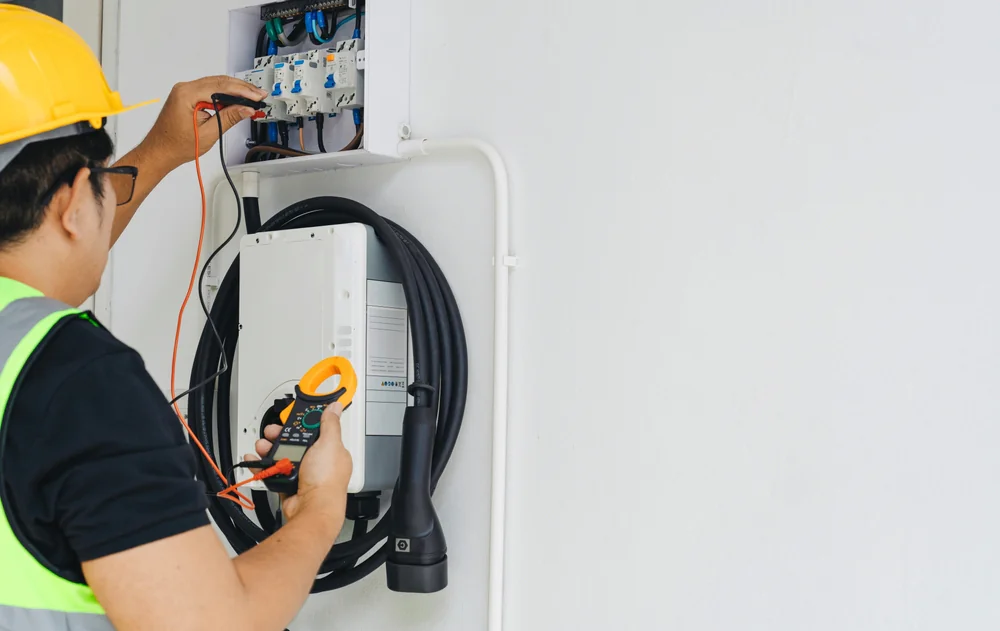
First, we come out and look at your electrical panel. Most homes in Franklin Hills weren’t built expecting a 240-volt Level 2 charger, so we check your panel’s capacity and see what’s needed to support the load. If you need an upgrade, we’ll tell you upfront—no surprises halfway through the job.
Next, we map out where the charger goes. Usually that’s in the garage or on an exterior wall near where you park. We’ll run the wiring, install the dedicated circuit, and mount the charging unit. If your setup requires conduit or a longer run, we handle that too.
Then we pull the permits and schedule the inspection. Alamance County requires it, and it protects you if you ever sell the house. Once it passes, we test the charger, walk you through how it works, and submit your Duke Energy rebate paperwork if you’re eligible. The whole process typically takes a day, depending on how much electrical work your home needs.
What's Included in EV Charger Installation
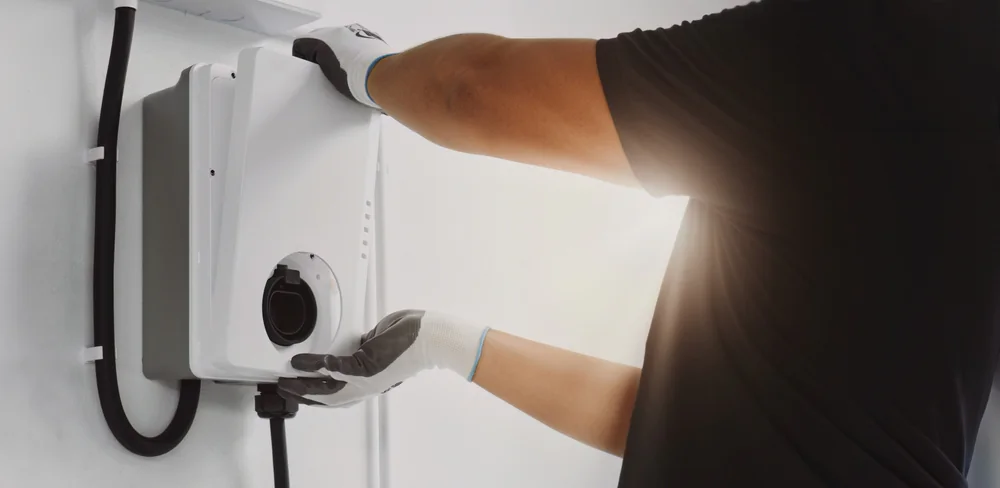
A real EV charger installation isn’t just mounting a box on the wall. It’s making sure your home can handle the load without tripping breakers or creating a fire hazard. We assess your existing electrical panel, install a dedicated 240-volt circuit, and upgrade your panel if needed. Most homes built before 2010 need at least some electrical work to safely support a Level 2 charger.
We also handle the permit process with Alamance County and coordinate the required inspection. That’s not optional—it’s code. And if you’re planning to sell your home down the road, that permit and inspection record matters. Homes with EV chargers are increasingly attractive to buyers, especially in areas like Franklin Hills where EV adoption is climbing fast.
If you qualify for Duke Energy’s rebate program, we’ll help you submit the paperwork. That rebate covers up to $1,133 in electrical upgrades, which often covers a significant portion of the panel work. We’ve worked with Duke Energy’s requirements before, so we know what they need to approve your credit.
How much does it cost to install an EV charger in Franklin Hills?
The cost depends on your home’s current electrical setup. If your panel has capacity and the charger location is close to the panel, you’re looking at the lower end. If you need a panel upgrade, a long wiring run, or significant electrical work, the cost goes up.
Most homes in Franklin Hills need at least some panel work. A standard 100-amp or 150-amp panel often doesn’t have room for the 40 to 50-amp circuit a Level 2 charger requires. We use flat-rate pricing, so you’ll know the total cost before we start any work.
Duke Energy’s rebate program covers up to $1,133 for electrical upgrades related to EV charging infrastructure. That rebate can offset a large portion of your installation cost, especially if you’re upgrading your panel. We’ll help you navigate that process and submit the required documentation.
Do I need a permit to install an electric vehicle charger?
Yes. Alamance County requires a permit for EV charger installations because you’re adding a high-voltage circuit to your home’s electrical system. The permit process ensures the work meets local building codes and safety standards.
We handle the permit application and coordinate the inspection. The inspector checks the panel work, the circuit installation, and the charger mounting to make sure everything’s up to code. Once it passes, you’re clear to use the charger.
Skipping the permit might seem easier, but it creates problems if you sell your home. Buyers and home inspectors look for permitted electrical work, especially for something as visible as an EV charger. Unpermitted work can delay closings or kill deals entirely. It’s not worth the risk.
How long does EV charger installation take?
Most installations take one day, assuming your electrical panel can handle the load and the charger location is straightforward. If you need a panel upgrade or extensive wiring work, it might take longer—usually a day and a half to two days depending on the scope.
The permit and inspection add time to the overall timeline, but not to the actual work. We submit the permit application before we start, and once the installation is complete, we schedule the county inspection. You can usually use the charger the same day we finish, and the inspection happens shortly after.
If you’re coordinating the Duke Energy rebate, that paperwork gets submitted after the inspection passes. The rebate approval process is separate from the installation timeline, but we handle the submission so you don’t have to track it down yourself.
Can my electrical panel handle a Level 2 EV charger?
Maybe. It depends on your panel’s total capacity and how much of that capacity you’re already using. A Level 2 charger typically needs a dedicated 40 to 50-amp circuit, which is a significant load.
Most homes in Franklin Hills have either a 100-amp or 150-amp main panel. If your home has electric heat, a well pump, or other high-draw appliances, you might already be close to your panel’s limit. We’ll do a load calculation during the site visit to see where you stand.
If your panel doesn’t have capacity, we’ll upgrade it. That’s not a problem—it’s just part of the job. A panel upgrade also gives you room for future electrical needs, and it’s often covered partially or fully by Duke Energy’s rebate program. We’ll walk you through what’s needed and what it costs before we touch anything.
What's the difference between a Level 1 and Level 2 charger?
A Level 1 charger plugs into a standard 120-volt outlet and adds about 3 to 5 miles of range per hour. That works if you drive less than 40 miles a day and can leave your car plugged in overnight. For most people, it’s too slow.
A Level 2 charger runs on a 240-volt circuit—the same voltage as your dryer or oven—and adds around 70 miles of range per hour. That means a full charge in a few hours instead of a full day. If you’re driving your EV as your primary vehicle, Level 2 is what you need.
Level 2 chargers require professional installation because you’re adding a dedicated high-voltage circuit. That’s where the permit, the panel assessment, and the electrical work come in. It’s not a plug-and-play situation, but once it’s installed, you’ll actually be able to use your EV without planning your life around charging times.
Will installing an EV charger increase my home's value?
Yes, especially in areas where EV adoption is growing. North Carolina passed 100,000 registered EVs in 2024, and the state’s targeting 1.25 million by 2030. That means more buyers are looking for homes with charging infrastructure already in place.
A properly installed Level 2 charger signals that your home’s electrical system can handle modern demands. It’s a selling point for buyers who already own an EV, and it’s a future-proofing feature for buyers who are considering one. Either way, it adds appeal.
The key is making sure the installation is permitted and up to code. Buyers and their inspectors will check for that. If the work was done correctly and documented properly, it’s an asset. If it wasn’t, it’s a liability. That’s why working with a licensed electrician matters—not just for safety, but for resale value down the road.
Other Services we provide in Franklin Hills
About Us

Electrical Service Providers (ESP) has been in business since 2002. ESP started out performing wiring services to new construction, remodeling projects and residential homes. Our company’s president identified a market for electrical services to be performed in homes and businesses independent of new construction. Read More about Electrical Service Providers>>
All Rights Reserved.Organic Marketing LLC
Business Listings


Product Brands Used
Allied, Broan, Cutler Hammer, General Electric, Ideal, Juno, Kohler, Leviton, Lutron, Siemens, Square D
Contact
- Office Address: 3254 S Anthony Ct.
Burlington, NC 27215 - Mailing Address: PO Box 25
Alamance, NC 27201 - Phone: 336-228-3300
- E-mail: [email protected], [email protected]
Service Areas
Chapel Hill, Burlington, Carrboro, Durham, Gibsonville, Hillsborough, Graham, Pittsboro, Morrisville, Cary
About Us
Electrical Service Providers (ESP) has been in business since 2002. ESP started out performing wiring services to new construction, remodeling projects and residential homes. Our company’s president identified a market for electrical services to be performed in homes and businesses independent of new construction. Read More about Electrical Service Providers>>
All Rights Reserved.Organic Marketing LLC