EV Charger Installation in Governors Club, NC
Charge at Home Without the Electrical Headaches
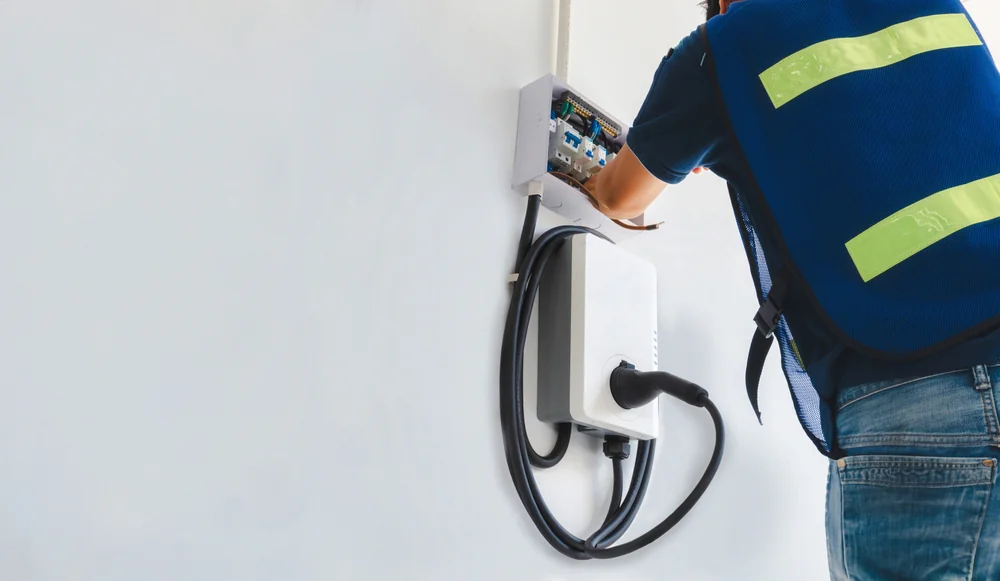
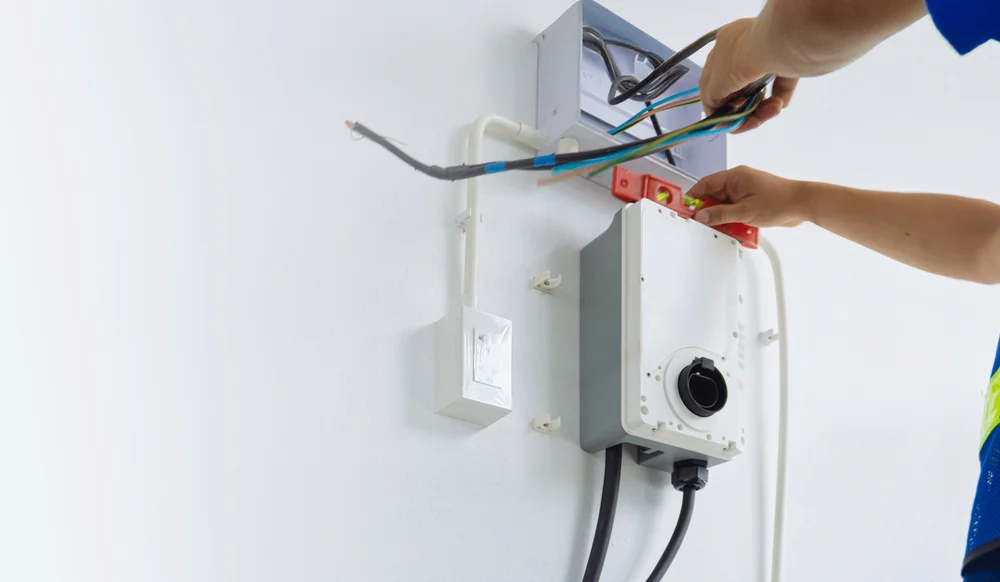
Electric Vehicle Charging Station Setup
You’re done waiting at public charging stations. No more planning your day around finding an available spot or dealing with broken equipment at inconvenient times.
Home charging means you plug in when you get home and wake up ready to go. Most EV owners charge overnight because it’s cheaper, more convenient, and eliminates the public charging frustrations you’ve probably already experienced.
The difference is real. You’ll pay less per kilowatt-hour using your home electricity, especially during off-peak hours. You control when and how your vehicle charges. And if you’re considering selling down the road, a properly installed charging station adds value that buyers in Governors Club actively look for.
But here’s what matters most right now: your electrical system needs to handle the load safely. A Level 2 charging station typically requires a dedicated 240-volt circuit with 40-amp service. If your panel can’t support that, or if the run from your panel to your garage is complex, you need someone who knows how to assess and upgrade your system correctly.
Licensed Electricians Serving Governors Club
ESP Electrical Service Providers is locally owned and operated by Andy Helton, a Master Electrician with over 35 years of electrical experience. We’ve served the Chapel Hill area and surrounding communities for more than two decades.
You’re not getting a national franchise or a call center. You’re working with licensed electricians who understand North Carolina electrical codes, permit requirements, and the specific challenges that come with EV charger installation in established neighborhoods like Governors Club.
Our service trucks are fully stocked, our pricing is flat-rate so you know costs upfront, and we clean up completely when we’re done. We’ve built our reputation on doing the work right the first time, and we’re not finished until you’re satisfied with the installation.
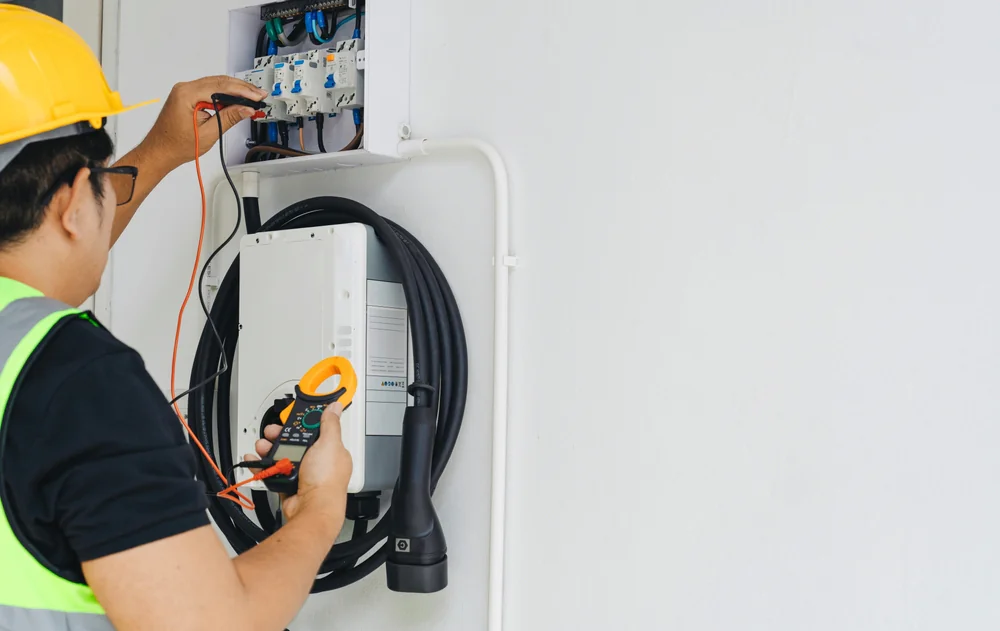
Our EV Charger Installation Process
First, we assess your current electrical system. We need to know if your panel has capacity for the additional load, what amperage your service supports, and what the route looks like from your panel to where you want the charger installed.
If your system needs upgrades—whether that’s a panel upgrade, new circuit installation, or service increase—we’ll tell you upfront what’s required and why. We handle the permit applications and inspections that North Carolina requires for this type of work.
Once your system is ready, we install the charging station according to manufacturer specifications and local code requirements. That includes mounting the unit, running the appropriate wiring, making all connections, and testing the system to ensure it’s functioning correctly.
The installation timeline depends on your specific situation. A straightforward install in a garage with adequate electrical capacity might take a few hours. If we’re upgrading your panel or running new service, that’s a longer process. We’ll give you a realistic timeline during the assessment so you know what to expect.
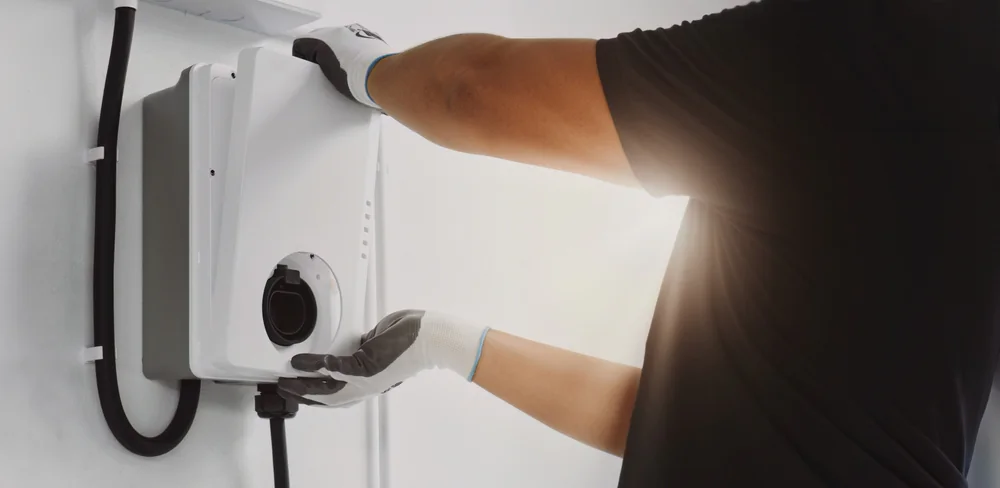
What's Included in EV Charger Setup
Your installation includes a complete electrical system evaluation to determine if upgrades are necessary. Many homes in Governors Club weren’t built anticipating the electrical demands of EV charging, so this assessment is critical for safety and performance.
We handle all permit applications and coordinate required inspections with local authorities. North Carolina requires permits for new 240-volt circuits and hardwired charging stations, and inspections ensure your installation meets safety standards.
If you qualify for Duke Energy’s rebate program—which offers up to $1,133 for electrical upgrades supporting Level 2 charging stations—we’ll provide the documentation you need for your application. These rebates can offset a significant portion of your installation costs.
The actual installation covers everything from breaker panel work to the final charger mounting and connection. We install the appropriate gauge wiring for your charger’s amperage requirements, ensure proper grounding, and test the complete system before we leave. You’ll get a charging station that works reliably and safely every time you plug in.
How much does it cost to install an EV charger at my home?
Installation costs vary significantly based on your home’s current electrical setup and where you want the charger located. If your electrical panel has available capacity and the charger location is close to the panel, you’re looking at a more straightforward installation.
The cost increases if you need a panel upgrade, service increase, or if we’re running wiring through finished walls or to a detached garage. Longer wire runs require more materials and labor. Complex routing through finished spaces adds time and complexity.
We provide flat-rate pricing after assessing your specific situation, so you’ll know the total cost before any work begins. That assessment includes checking your panel capacity, measuring the distance to your desired charger location, and identifying any obstacles or upgrades needed. Duke Energy’s rebate program can help offset costs if you’re installing a Level 2 charging station and meet their requirements.
Will my electrical panel need to be upgraded for an EV charger?
It depends on your current panel capacity and what else is already drawing power in your home. A Level 2 EV charger typically needs a dedicated 40-amp or 50-amp circuit, which is a substantial electrical load.
If your panel is already near capacity—common in older homes or homes that have added major appliances over the years—you’ll need an upgrade to safely support the additional load. We check your panel’s total capacity, what’s currently being used, and whether there’s physical space for the new breaker.
Some homes might need a complete service upgrade from 100-amp to 200-amp service, especially if you’re running multiple high-draw appliances. Others might just need a panel replacement or subpanel addition. We’ll assess your specific situation and explain exactly what’s required and why. The goal is ensuring your entire electrical system operates safely with the new charging station added to the load.
How long does EV charger installation take from start to finish?
A straightforward installation with adequate existing electrical capacity typically takes a few hours once we’re on site. That’s for homes where the panel has space, capacity, and the charger location is relatively close to the panel.
If you need electrical upgrades first—panel replacement, service increase, or significant wiring runs—the timeline extends. Panel upgrades might take a day or two depending on complexity. We also need to factor in permit approval times and inspection scheduling, which varies based on local jurisdiction workload.
The most accurate timeline comes after we assess your property. We’ll tell you exactly what needs to happen, in what order, and how long each phase typically takes. We schedule the work to minimize disruption and keep you informed throughout the process. Most residential installations, even with moderate upgrades, are completed within a week from start to finish once permits are approved.
Can I install any EV charger, or do certain models work better?
You can install most Level 2 charging stations, but some considerations affect which model makes the most sense for your situation. Hardwired chargers require permits and permanent installation, while plug-in models using NEMA 14-50 outlets offer more flexibility if you might move.
Amperage matters. Chargers come in different amperage ratings—typically 30, 40, or 48 amps. Higher amperage means faster charging, but also requires more robust electrical infrastructure. Your vehicle’s onboard charger also has maximum acceptance rates, so there’s no benefit to installing a 48-amp charger if your car maxes out at 32 amps.
Smart chargers with WiFi connectivity let you monitor energy usage, schedule charging during off-peak hours for lower rates, and control charging remotely through your phone. These features add cost but provide convenience and potential savings. We can discuss which features matter most for your situation and recommend chargers that match your vehicle, electrical capacity, and budget. The key is matching the charger specifications to both your vehicle’s requirements and your home’s electrical capabilities.
Do I really need a professional electrician, or can I install it myself?
North Carolina requires permits for new 240-volt circuits and hardwired EV chargers, and those installations must pass inspection. DIY installations often fail inspection because they don’t meet code requirements for wire gauge, breaker sizing, grounding, or installation methods.
Beyond code compliance, there are real safety risks. Incorrect wire sizing can cause overheating and fire hazards. Improper grounding creates shock risks. Overloading your panel without proper assessment can cause failures in your entire electrical system. Your homeowner’s insurance may not cover damage from unpermitted or improperly installed electrical work.
Most EV charger manufacturers require professional installation to maintain warranty coverage. If something goes wrong with a DIY installation, you’re likely voiding that warranty and assuming all liability for any damage. Professional installation ensures the work is done safely, passes inspection, maintains your warranty, and protects your home and family. The cost of proper installation is significantly less than the cost of fixing problems from incorrect installation—or dealing with the consequences of an electrical fire.
What rebates or incentives are available for EV charger installation in North Carolina?
Duke Energy offers rebates up to $1,133 for residential customers making electrical upgrades to support Level 2 EV charging stations. This rebate helps offset the cost of panel upgrades, service increases, or other electrical work needed to safely install your charger.
To qualify, you need to be a Duke Energy customer installing a qualifying Level 2 charging station. The rebate covers eligible electrical infrastructure upgrades, not the charger itself. You’ll need documentation of the work performed, which we provide as part of our installation service.
Federal tax credits for EV charger installation have varied over recent years and depend on current tax law. It’s worth checking with your tax advisor about any available federal incentives when you’re planning your installation. Some local municipalities occasionally offer additional incentives, though these change based on available funding. We stay current on available programs and can point you toward resources for applications, but you’ll want to verify current incentive availability and eligibility requirements when you’re ready to move forward with installation.
Other Services we provide in Governors Club
About Us

Electrical Service Providers (ESP) has been in business since 2002. ESP started out performing wiring services to new construction, remodeling projects and residential homes. Our company’s president identified a market for electrical services to be performed in homes and businesses independent of new construction. Read More about Electrical Service Providers>>
All Rights Reserved.Organic Marketing LLC
Business Listings


Product Brands Used
Allied, Broan, Cutler Hammer, General Electric, Ideal, Juno, Kohler, Leviton, Lutron, Siemens, Square D
Contact
- Office Address: 3254 S Anthony Ct.
Burlington, NC 27215 - Mailing Address: PO Box 25
Alamance, NC 27201 - Phone: 336-228-3300
- E-mail: [email protected], [email protected]
Service Areas
Chapel Hill, Burlington, Carrboro, Durham, Gibsonville, Hillsborough, Graham, Pittsboro, Morrisville, Cary
About Us
Electrical Service Providers (ESP) has been in business since 2002. ESP started out performing wiring services to new construction, remodeling projects and residential homes. Our company’s president identified a market for electrical services to be performed in homes and businesses independent of new construction. Read More about Electrical Service Providers>>
All Rights Reserved.Organic Marketing LLC