EV Charger Installation in Lowes Grove, NC
Charge at Home Without the Guesswork or Risk
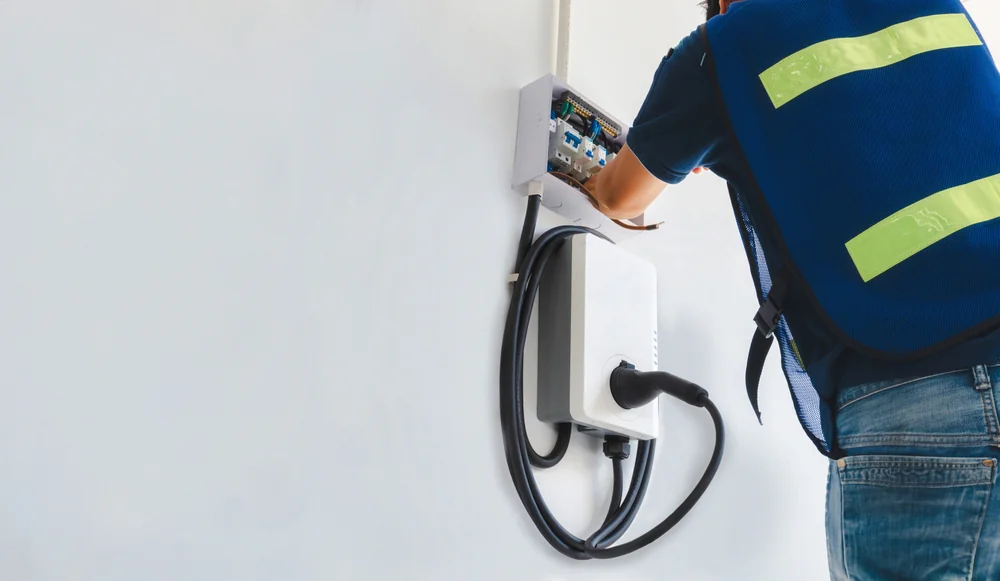
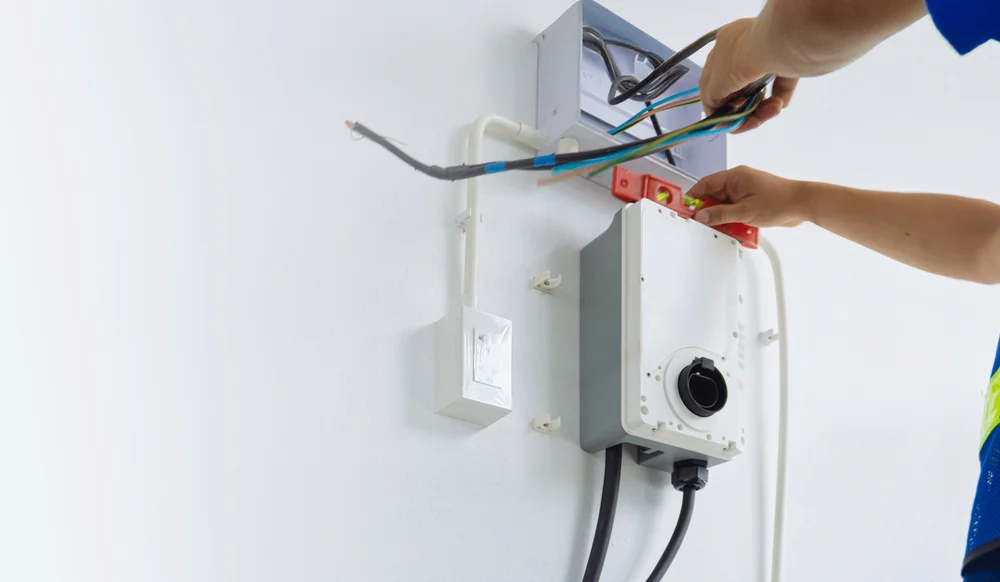
Electric Vehicle Charger Setup in Durham
You bought an EV to simplify your life. Now you need a charging setup that actually works with your home’s electrical system—not one that trips breakers, voids your insurance, or costs twice what you budgeted.
Here’s what changes when it’s done right. You pull into your garage, plug in, and forget about it. No more planning trips around charging stations or sitting in parking lots. Your car charges overnight on off-peak rates, and your electrical panel isn’t maxed out or throwing warning signs.
You also get access to Duke Energy’s rebate program—up to $1,133 back for residential Level 2 charger installations, plus another potential $1,117 through their EV Charger Installation Support Program. That’s real money back in your pocket, but only if the installation meets their requirements. Most DIY jobs don’t qualify, and some installers skip the steps that make you eligible.
Licensed EV Charger Installers Near You
ESP Electrical Service Providers is locally owned and operated by Andy Helton, a Master Electrician with over 35 years of hands-on experience. We’ve been serving Lowes Grove, Durham, and the surrounding Research Triangle Park area for more than two decades.
You’re not calling a call center or getting routed to a subcontractor. You’re working directly with licensed electricians who’ve done hundreds of residential electrical upgrades—and now, a growing number of EV charger installations as more families in the area make the switch to electric vehicles.
We know the local codes. We know Duke Energy’s rebate requirements. And we know what it takes to get your installation permitted, inspected, and done right the first time.
How EV Charging Station Installation Works
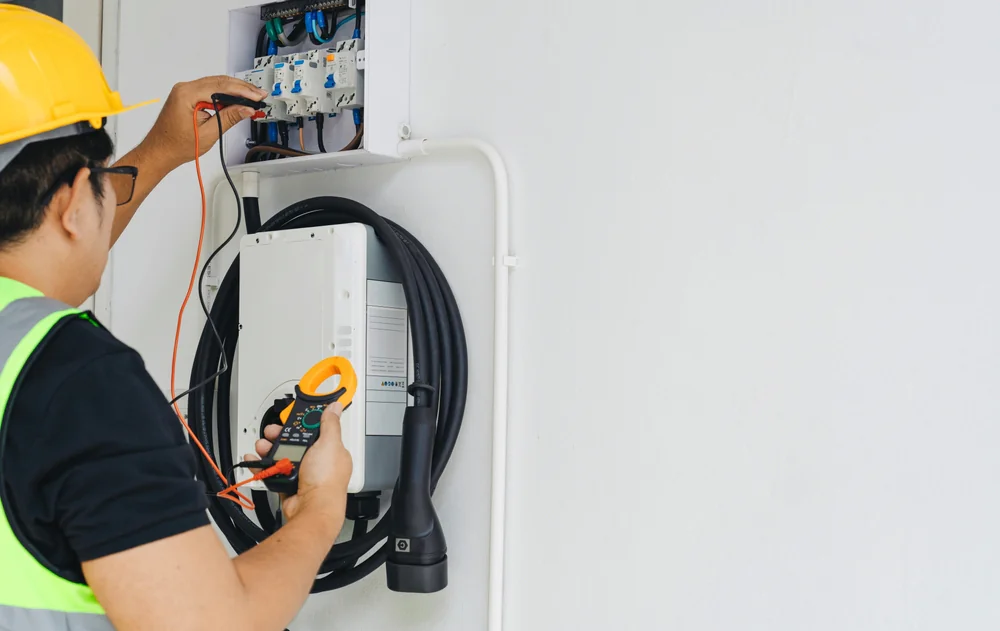
First, we come out and evaluate your electrical panel. Every home is different, and not every panel can handle the additional load of a Level 2 EV charger without upgrades. We run a full load analysis to see where you stand and what’s needed to support safe, reliable charging.
If your panel needs an upgrade or a dedicated circuit, we’ll walk you through exactly what that involves and give you flat-rate pricing before any work begins. No surprises, no upselling. Just a clear plan based on your home’s actual electrical capacity.
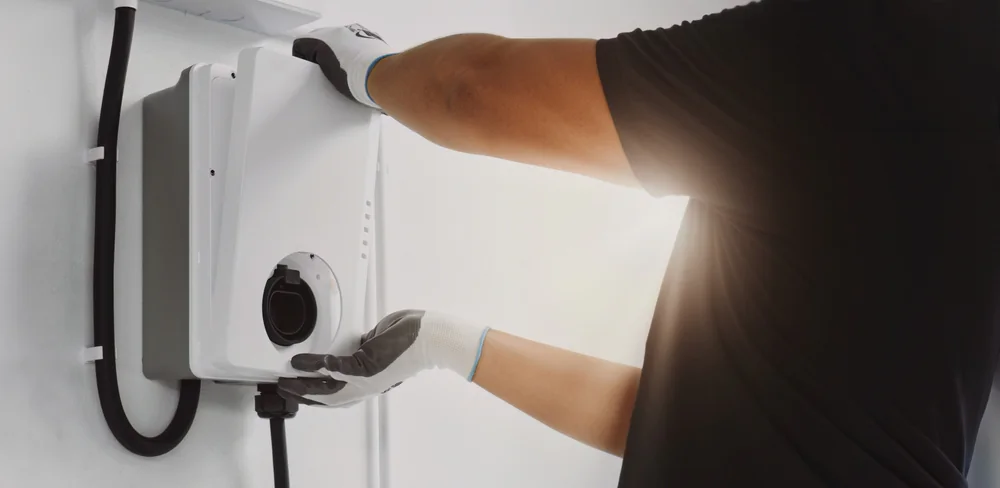
Once you approve the scope, we handle the permits, install the charger, run any necessary wiring, and schedule the inspection. Our trucks are fully stocked, so we’re not making multiple trips or waiting on parts. When we’re done, your system is code-compliant, rebate-eligible, and ready to use.
You’ll also get documentation for Duke Energy’s rebate programs. We make sure everything is filled out correctly so you can claim the full amount you’re entitled to.
What's Included in EV Charger Installation
Your installation includes a complete electrical load analysis, which tells us whether your current panel can support an EV charger or if you’ll need an upgrade. Most homes in the Lowes Grove and Durham area were built before EVs became common, so panel upgrades are more the rule than the exception.
We install both Level 1 and Level 2 chargers, depending on your vehicle and how fast you need to charge. Level 2 is what most people choose—it fully charges an EV overnight and qualifies for Duke Energy rebates. We’ll help you pick a charger that’s compatible with your vehicle and meets your household’s needs.
All permits and inspections are included. Durham County requires permits for EV charger installations, and skipping that step can create problems with your homeowner’s insurance or future home sales. We pull the permits, coordinate the inspections, and make sure everything passes the first time.
You also get a system that’s wired to current code, with proper circuit protection and grounding. That’s not just for safety—it’s what keeps your charger running reliably for years and protects your home’s electrical system from overload.
How much does it cost to install an EV charger in Lowes Grove?
Installation costs vary depending on your home’s electrical setup. If your panel has capacity and you already have a 240-volt circuit near your garage, you’re looking at a simpler install. If you need a panel upgrade, a new circuit, or significant wiring work, the cost goes up.
Most residential Level 2 EV charger installations in the Durham area range from $1,200 to $3,500, depending on complexity. That includes the charger unit, labor, permits, and inspection fees. Panel upgrades add to that cost but are often necessary for safe operation.
The good news is Duke Energy offers rebates that offset a big chunk of the expense—up to $1,133 for the charger installation and up to $1,117 for electrical upgrades. We provide flat-rate pricing after the initial evaluation, so you’ll know your total cost before we start any work.
Do I need to upgrade my electrical panel for an EV charger?
It depends on your current panel’s capacity and what else is running in your home. A Level 2 EV charger typically draws 30 to 50 amps, which is a significant load. If your panel is already near its limit—common in older homes or homes with electric heat, central air, and multiple appliances—you’ll likely need an upgrade.
We start every job with a load calculation. That tells us whether your panel can safely handle the additional demand or if you’re at risk of overloading circuits. Upgrading isn’t just about adding capacity—it’s about protecting your home from electrical fires and system failures.
Many homes in Lowes Grove and the surrounding Research Triangle area were built before EVs became mainstream, so panel upgrades are routine. The upside is that a panel upgrade also qualifies for Duke Energy rebates and increases your home’s overall electrical capacity for future needs.
How long does EV charger installation take?
If your electrical panel is ready and no upgrades are needed, most installations take four to six hours. That includes mounting the charger, running the wiring, connecting it to a dedicated circuit, and testing the system.
If you need a panel upgrade or extensive wiring work, the timeline extends. Panel upgrades typically add one to two days, depending on the scope. Permitting and inspection scheduling can also affect timing—Durham County requires permits for this type of work, and inspections need to be coordinated with the county’s availability.
We’ll give you a clear timeline during the initial evaluation. Our trucks are fully stocked, so we’re not waiting on parts or making multiple trips. Once we start, we work efficiently and clean up completely before we leave.
Can I install an EV charger myself?
Technically, yes—but it’s not recommended, and in most cases, it’s not legal. Durham County requires permits for EV charger installations, and permits require a licensed electrician to pull them. If you install it yourself without a permit, you risk voiding your homeowner’s insurance, failing a future home inspection, and creating serious safety hazards.
EV chargers operate at 240 volts and draw significant amperage. Incorrect wiring can cause electrical fires, damage your vehicle’s charging system, or create shock hazards. Even if you’re comfortable with basic electrical work, this isn’t a DIY-friendly project.
You also won’t qualify for Duke Energy’s rebates without proper documentation and a licensed installation. Those rebates can cover a large portion of your costs, but only if the work is done to code by a qualified electrician. The risk and lost savings aren’t worth it.
What rebates are available for EV charger installation in North Carolina?
Duke Energy offers two rebate programs for residential customers in North Carolina. The first is a rebate of up to $1,133 for Level 2 EV charger installations. The second is the EV Charger Installation Support Program, which provides up to $1,117 for electrical upgrades needed to support the charger.
To qualify, your installation must meet Duke Energy’s requirements—proper permitting, code compliance, and documentation. Most DIY installations don’t qualify, and some installers skip the steps needed to make you eligible. We handle all the paperwork and make sure your installation checks every box.
These rebates significantly reduce your out-of-pocket costs. Combined, they can cover more than half of a typical installation. We’ll walk you through the application process and provide all the documentation Duke Energy requires to process your rebate quickly.
Will an EV charger increase my electric bill?
Yes, but probably less than you think—and definitely less than paying for gas. Charging an EV at home typically costs between $30 and $60 per month, depending on your vehicle’s battery size, how much you drive, and your electricity rates.
Duke Energy offers time-of-use rates that let you charge overnight when electricity is cheaper. Most EV owners set their vehicles to charge during off-peak hours, which keeps costs low. Even with the added usage, you’re still spending a fraction of what you’d pay at the pump.
Your exact cost depends on your driving habits and your vehicle’s efficiency. A Tesla Model 3, for example, costs about $10 to fully charge at North Carolina’s average electricity rates. If you’re driving 1,000 miles a month, that’s roughly $40 in electricity versus $150+ in gas for a comparable vehicle.
Other Services we provide in Lowes Grove
About Us

Electrical Service Providers (ESP) has been in business since 2002. ESP started out performing wiring services to new construction, remodeling projects and residential homes. Our company’s president identified a market for electrical services to be performed in homes and businesses independent of new construction. Read More about Electrical Service Providers>>
All Rights Reserved.Organic Marketing LLC
Business Listings


Product Brands Used
Allied, Broan, Cutler Hammer, General Electric, Ideal, Juno, Kohler, Leviton, Lutron, Siemens, Square D
Contact
- Office Address: 3254 S Anthony Ct.
Burlington, NC 27215 - Mailing Address: PO Box 25
Alamance, NC 27201 - Phone: 336-228-3300
- E-mail: [email protected], [email protected]
Service Areas
Chapel Hill, Burlington, Carrboro, Durham, Gibsonville, Hillsborough, Graham, Pittsboro, Morrisville, Cary
About Us
Electrical Service Providers (ESP) has been in business since 2002. ESP started out performing wiring services to new construction, remodeling projects and residential homes. Our company’s president identified a market for electrical services to be performed in homes and businesses independent of new construction. Read More about Electrical Service Providers>>
All Rights Reserved.Organic Marketing LLC