EV Charger Installation in Nelson, NC
Charge at Home Without the Guesswork
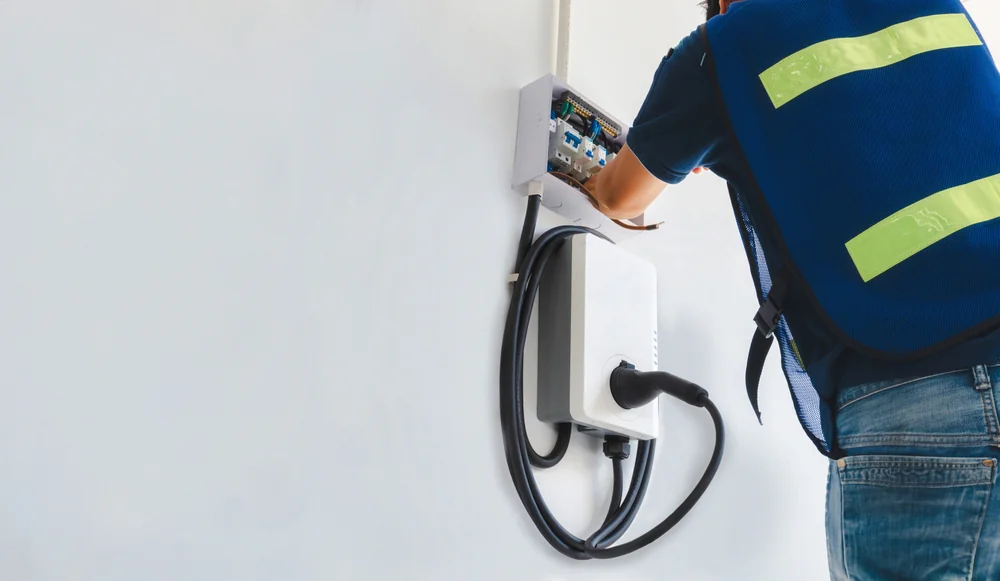
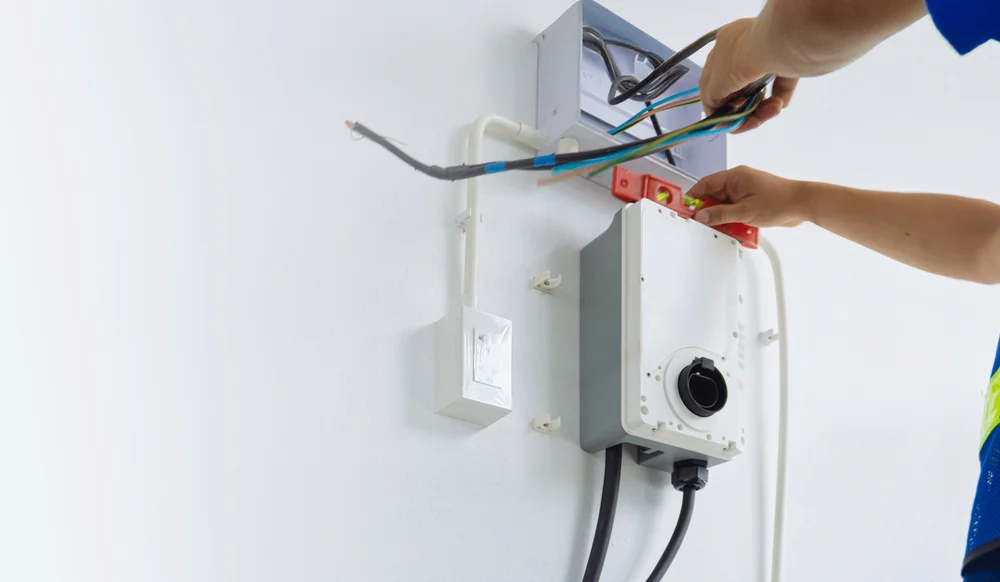
Electric Vehicle Charging Solutions Nelson
You bought an EV to make life simpler. But if you’re still driving around looking for available charging stations or waiting 12 hours on a Level 1 outlet, you’re not getting the convenience you paid for.
A professionally installed Level 2 charger changes that. You pull into your driveway, plug in, and by morning your battery’s ready. No apps to check. No lines to wait in. No wondering if the station down the street is broken again.
Most Level 2 chargers add 12 to 60 miles of range per hour depending on your vehicle and setup. That means a full charge overnight for daily driving, and you’re spending less per kilowatt-hour than you would at any public station. Your home becomes your refueling station, and you stop thinking about charging at all.
It’s the difference between owning an electric vehicle and actually enjoying one.
Licensed EV Charger Electrician Nelson
We’ve been serving Nelson and the surrounding Alamance County area for over two decades. Andy Helton, our Master Electrician and owner, built this company on the idea that electrical work should be done right the first time—no shortcuts, no surprises.
North Carolina just passed 100,000 registered EVs, and nearly half of those were added in the last two years. That means a lot of homes in Nelson are dealing with the same question: how do I charge this thing safely and efficiently? We’ve been installing electric vehicle charging stations for homeowners who want it done by someone licensed, local, and actually available when they call.
You’ll talk to a real person when you reach out. Our trucks are stocked. Our pricing is upfront. And we don’t leave until the job’s finished and you’re clear on how everything works.
EV Charging Station Setup Process
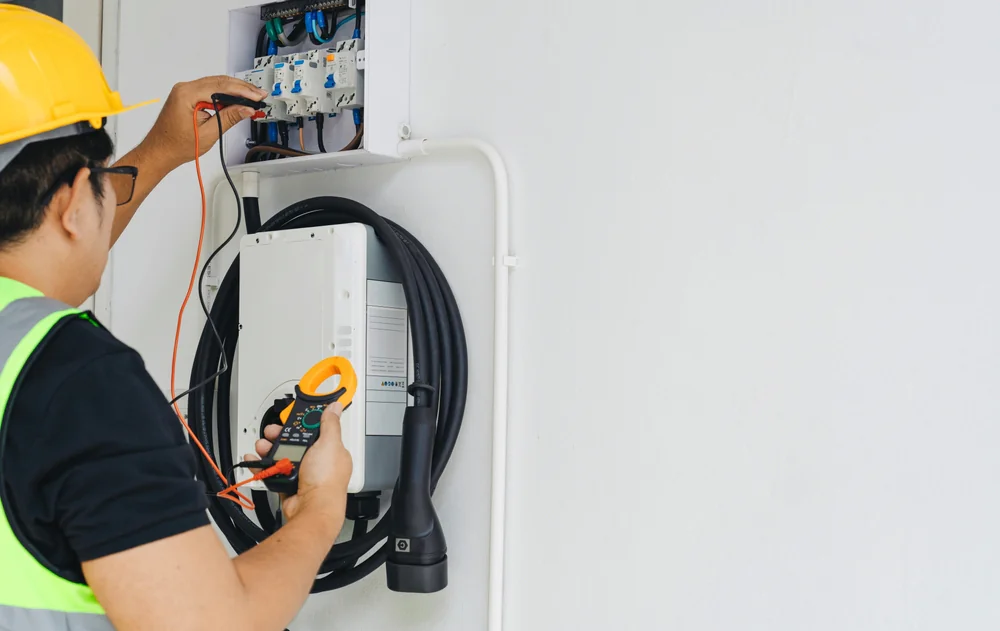
First, we’ll talk through what you’re driving and where you want the charger installed. Most people want it in the garage near where they park, but we’ll confirm your electrical panel can handle the load. If you’ve got a newer home with 200-amp service, you’re usually good to go. Older homes with 100-amp panels might need an upgrade or subpanel, and we’ll tell you that upfront.
Once we know what’s needed, we’ll give you flat-rate pricing before we start. No hourly guessing games. A Level 2 charger needs a dedicated 40 to 60-amp circuit, and we’ll run that from your panel to the charging location. We pull permits when required, install the charger according to code, and test everything to make sure it’s working safely.
After install, we’ll walk you through how to use it. Most chargers are simple: plug in your car, and it starts charging. Some have app controls or scheduling features, and we’ll show you how those work if yours does.
The whole process usually takes a few hours depending on the distance from your panel and whether any upgrades are needed. You’ll know the timeline before we begin.

Home EV Charger Installation Nelson NC
Every EV charger installation we do in Nelson includes a full electrical assessment of your current panel and wiring. We’re checking capacity, breaker availability, and whether your setup can support the amperage your charger needs. If it can’t, we’ll explain what needs to happen and give you options.
We install the dedicated circuit, mount the charging station where you want it (as long as it’s safe and code-compliant), and connect everything properly. If your charger is hardwired, we handle that. If it’s plug-in, we install the appropriate outlet. We also coordinate any permits required by local code, because an unpermitted install can cause problems down the road if you sell your home.
North Carolina offers Duke Energy’s Charger Prep Credit, which provides up to $1,133 per household for installing Level 2 or higher-powered chargers. We can walk you through how that works and what documentation you’ll need. It won’t cover the full cost, but it helps.
One thing we won’t do: sell you a charger that’s overkill for your car. If your EV maxes out at 7.2 kW, there’s no point installing a 19.2 kW unit. We’ll match the charger to your vehicle and any future EV you’re likely to buy, so you’re not overpaying now or under-equipped later.
How long does it take to install an EV charger at my home?
Most installations take between three and six hours depending on how far your electrical panel is from where you’re mounting the charger and whether your panel has available capacity. If we’re running a new circuit 20 feet through an unfinished garage, that’s straightforward. If we’re going 60 feet through finished walls or need to install a subpanel, it takes longer.
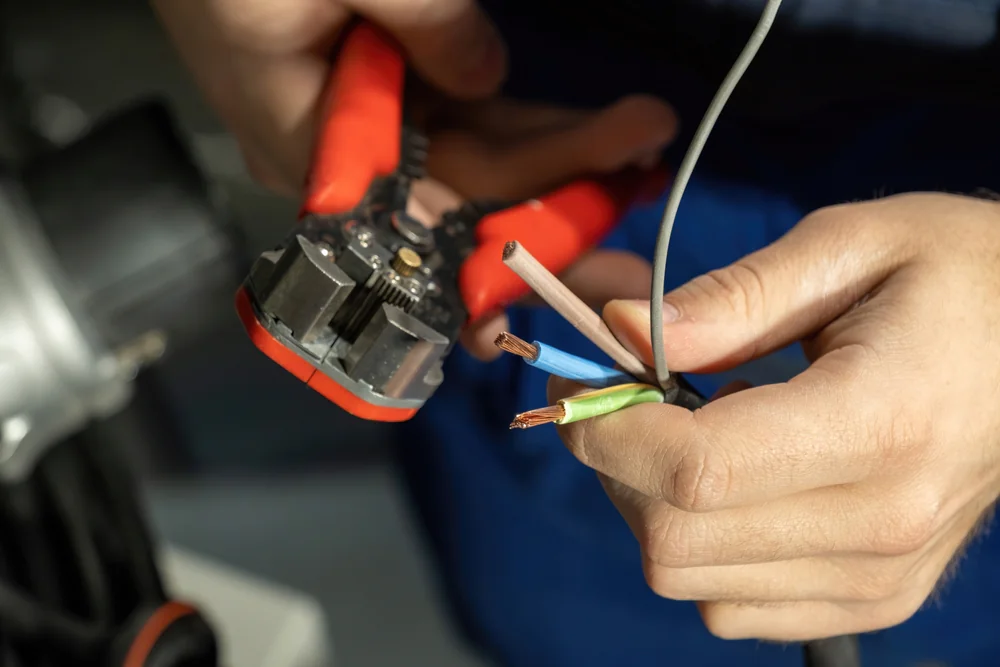
We’ll give you a time estimate after we assess your setup. The actual charging station install is quick—it’s the electrical work behind it that takes time. Running conduit, pulling wire, installing breakers, and testing everything has to be done carefully. Rushing that part is how you end up with tripped breakers or worse.
If your panel needs an upgrade to handle the load, that’s a separate job and usually requires a utility company visit to upgrade your service. We’ll walk you through that if it applies to your situation, but most homes built in the last 20 years have enough capacity for a Level 2 charger without major work.
Do I need to upgrade my electrical panel to install an EV charger?
It depends on your current panel and how much capacity you’re using. Most modern homes in Nelson have 200-amp service, which typically handles a Level 2 EV charger without issue. Older homes with 100-amp panels are more likely to need an upgrade, especially if you’re running central air, electric heat, or other high-draw appliances.
We’ll check your panel during the assessment. If you’ve got open slots and available amperage, we can add the dedicated circuit for your charger without any upgrades. If your panel is maxed out, you’ll need either a full panel upgrade or a subpanel installed to create additional capacity.
Panel upgrades aren’t cheap, but they’re sometimes necessary for safety and code compliance. The good news is that an upgraded panel adds value to your home and gives you capacity for future electrical needs, not just EV charging. We’ll give you the honest assessment and let you decide how you want to move forward. Some people choose to install a lower-amperage charger to avoid the upgrade, and that’s an option too if your driving habits allow for it.
Can you install a charger for any electric vehicle brand?
Yes. Level 2 chargers work with every electric vehicle sold in North America, including Tesla, Ford, Chevy, Rivian, Nissan, Hyundai, and everything else. The charging standard (called J1772) is universal, and even Tesla vehicles come with an adapter to use non-Tesla chargers.
If you’re driving a Tesla and want a Tesla Wall Connector specifically, we can install that too. It works the same way as other Level 2 chargers—it just has Tesla branding and integrates with the Tesla app. Some people prefer it for the look and app features. Others go with third-party chargers that cost less and do the same job.
What matters most is matching the charger’s output to your vehicle’s onboard charging capacity. If your EV can only accept 7.2 kW, installing an 11 kW charger won’t make it charge faster. We’ll help you figure out what your car can handle and recommend a charger that makes sense for both your current vehicle and any EV you might buy in the next few years. That way you’re not reinstalling everything when you upgrade your car.
How much does it cost to install an EV charger in Nelson?
Installation costs vary based on your specific setup, but most straightforward installs in Nelson run between $800 and $2,000 for labor and materials, not counting the charger itself. That assumes your panel has capacity, the charger location is within reasonable distance of the panel, and no major obstacles are in the way.
If you need a panel upgrade, add another $1,500 to $3,000 depending on the scope. If we’re running wire through finished spaces or across long distances, that adds cost too. We use flat-rate pricing, so you’ll know the number before we start. No hourly surprises.
The charger unit itself ranges from around $400 for basic models to $1,200+ for units with smart features, longer cables, or higher output. You can buy the charger yourself, or we can source it for you. Either way, we’ll make sure what you’re buying is compatible with your vehicle and your home’s electrical system.
Duke Energy’s Charger Prep Credit can offset up to $1,133 of the cost if you qualify, which helps. We’ll provide the documentation you need to apply for that rebate after the install is complete.
What's the difference between Level 1 and Level 2 charging?
Level 1 charging uses a standard 120-volt outlet—the same outlet you’d plug a lamp into. It’s slow. You’re looking at about 3 to 5 miles of range per hour of charging. If you drive 40 miles a day, you’ll need 8 to 12 hours plugged in just to break even. That’s fine if you barely drive and can leave it plugged in overnight, but most people find it frustrating.
Level 2 charging uses a 240-volt circuit, the same voltage as your electric dryer or oven. It’s significantly faster—anywhere from 12 to 60 miles of range per hour depending on your charger’s output and your vehicle’s capacity. That means you can fully charge most EVs in 4 to 8 hours, which fits a normal overnight schedule.
If you’re serious about driving an EV as your primary vehicle, Level 2 is the standard. It’s what nearly every EV owner with home charging uses, and it’s what we recommend unless your driving is extremely minimal. The upfront cost is higher because it requires a dedicated circuit and professional installation, but the convenience and charging speed make it worth it for most people. You’re not sitting around waiting for your car to charge, and you’re not scrambling to find public stations during the week.
Will installing an EV charger increase my home's value?
It can, especially as EV adoption keeps climbing in North Carolina. We’ve seen EV registrations in the state grow about 30% year-over-year, and nearly half of all EVs on the road here were purchased in the last two years. That means more homebuyers are looking for properties with charging infrastructure already in place.
A properly installed Level 2 charger signals that your home is ready for an electric vehicle without the buyer needing to deal with permits, electricians, and installation costs. That’s appealing, particularly in areas like Nelson where EV ownership is growing. It’s similar to having a garage door opener or a whole-home generator—it’s not a massive value-add, but it’s a convenience that buyers notice.
That said, don’t expect to recoup the full installation cost in resale value. Think of it more as a quality-of-life upgrade that makes your home more attractive to a specific segment of buyers. If you’re planning to stay in your home for a while and you drive an EV, the real value is in the daily convenience and cost savings from charging at home versus relying on public stations. The resale benefit is just a bonus.
Other Services we provide in Nelson
About Us

Electrical Service Providers (ESP) has been in business since 2002. ESP started out performing wiring services to new construction, remodeling projects and residential homes. Our company’s president identified a market for electrical services to be performed in homes and businesses independent of new construction. Read More about Electrical Service Providers>>
All Rights Reserved.Organic Marketing LLC
Business Listings


Product Brands Used
Allied, Broan, Cutler Hammer, General Electric, Ideal, Juno, Kohler, Leviton, Lutron, Siemens, Square D
Contact
- Office Address: 3254 S Anthony Ct.
Burlington, NC 27215 - Mailing Address: PO Box 25
Alamance, NC 27201 - Phone: 336-228-3300
- E-mail: [email protected], [email protected]
Service Areas
Chapel Hill, Burlington, Carrboro, Durham, Gibsonville, Hillsborough, Graham, Pittsboro, Morrisville, Cary
About Us
Electrical Service Providers (ESP) has been in business since 2002. ESP started out performing wiring services to new construction, remodeling projects and residential homes. Our company’s president identified a market for electrical services to be performed in homes and businesses independent of new construction. Read More about Electrical Service Providers>>
All Rights Reserved.Organic Marketing LLC