EV Charger Installation in Oak Ridge, NC
Charge at Home Without the Guesswork
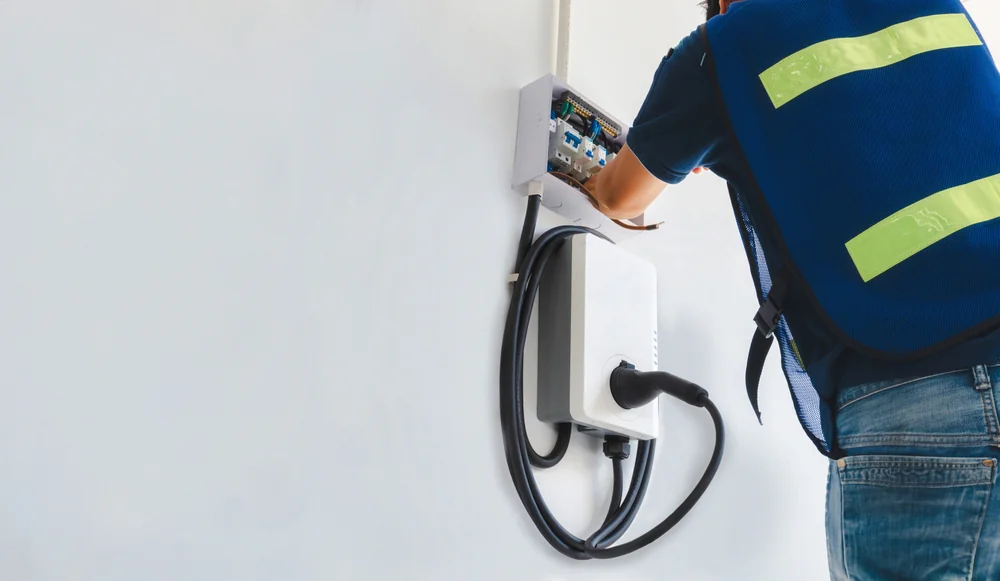
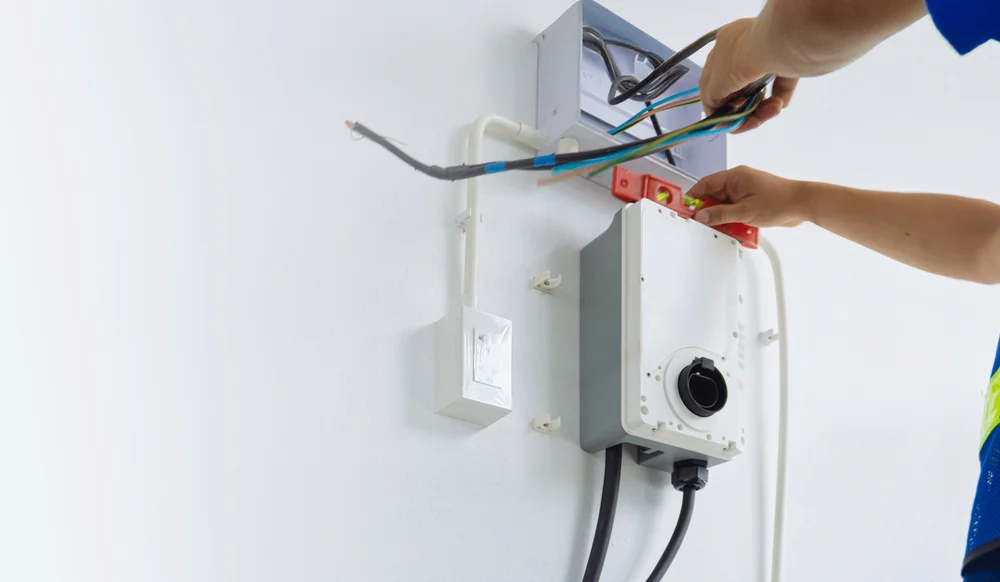
Electric Vehicle Charger Setup Oak Ridge
You’re done waiting at public charging stations. Done planning your week around battery percentage. Done paying premium rates for the convenience of someone else’s equipment.
A home charging station means you plug in when you get home and forget about it. By morning, your EV is ready. No apps to check. No stations to hunt down. No wondering if you’ll make it to your next stop.
The cost difference adds up fast. Home electricity runs cheaper than public charging rates, especially if you charge overnight during off-peak hours. You’re also adding value to your property—buyers actively look for homes with EV charging capability already installed.
This isn’t just about convenience. It’s about taking one more thing off your plate. Your car charges while you sleep, and you start every day with a full battery.
Licensed EV Charger Installer Oak Ridge
We’ve operated in Oak Ridge and the surrounding Greensboro area since 2002. Andy Helton, Master Electrician and owner, brings over 35 years of electrical experience to every installation.
You’re not getting a general contractor who dabbles in EV chargers. You’re getting a licensed electrician who understands load calculations, panel upgrades, and code requirements specific to North Carolina. We show up in uniform, in stocked trucks, and clean up before we leave.
Oak Ridge homeowners have enough to manage. We use flat-rate pricing, so you know the cost before work starts. No surprises. No change orders. Just clear communication and professional installation from start to finish.
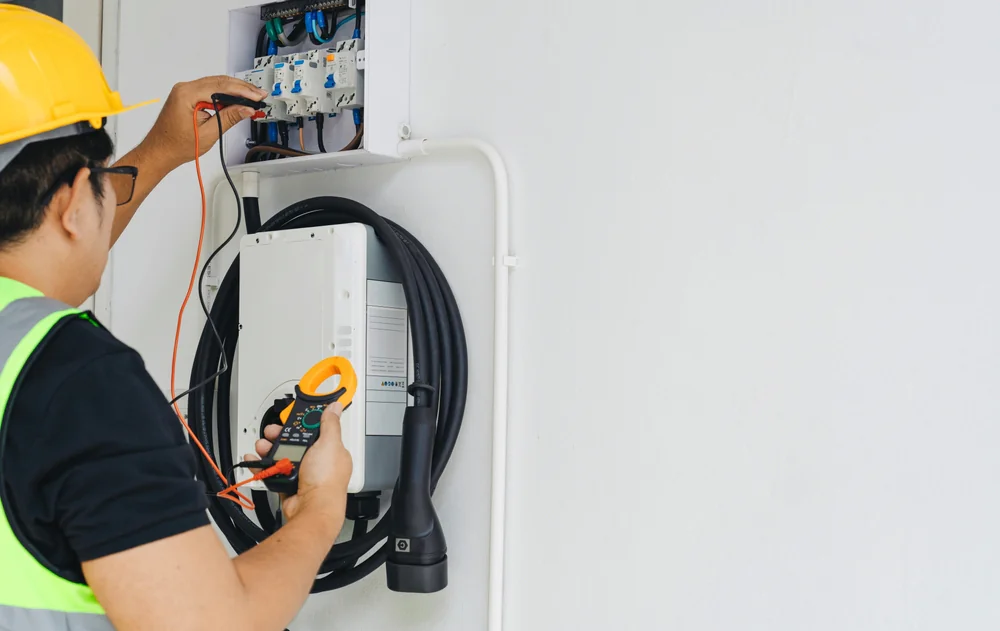
EV Charging Station Installation Process
First, we evaluate your electrical panel and current load. Most Level 2 chargers need a 240-volt, 40-amp circuit. If your panel can’t handle the additional load, you’ll know upfront what upgrades are necessary.
Next, we handle the permit application and coordinate with local Oak Ridge authorities for inspection. You don’t chase paperwork or wait on hold with the city. We manage that process while keeping you updated.
Installation day involves running the circuit from your panel to the charger location—usually your garage or driveway. We mount the charging station, connect the wiring, and test the system. After the local inspector approves the work, you’re cleared to start charging.
The entire process typically takes a few days from evaluation to final inspection, depending on permit processing time. You’ll receive clear timelines upfront, and we stick to them.
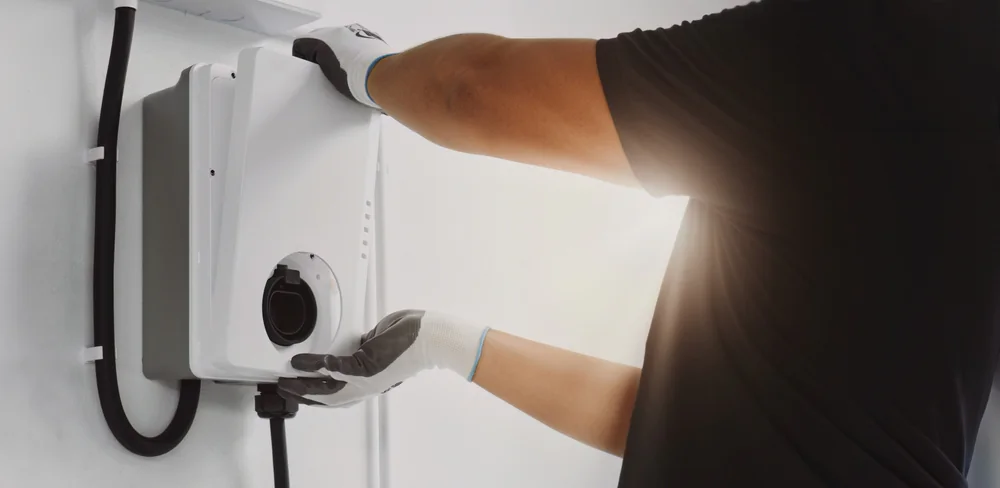
Level 2 EV Charger Installation Oak Ridge
Every installation starts with a full electrical system assessment. We check your panel capacity, evaluate your current load, and determine if upgrades are needed before adding a charging circuit.
You’ll get permit coordination as part of the service. Oak Ridge requires permits for EV charger installations, and the work must be inspected before use. We handle the application, scheduling, and inspector coordination so you don’t have to navigate city requirements.
The installation covers all electrical work: running the dedicated circuit, mounting the charging station, connecting the equipment, and testing the system. If your panel needs an upgrade to support the charger, that’s addressed before the installation begins.
North Carolina residents can access rebates for Level 2 charger installations. Duke Energy Carolinas customers qualify for up to $1,133 in credits. We can walk you through eligibility requirements and help you apply for available incentives.
You’ll also get guidance on charger selection. Different EVs charge at different rates, and not every charging station fits every situation. We help you choose equipment that matches your vehicle, budget, and charging needs.
How much does it cost to install an EV charger in Oak Ridge?
Installation costs vary based on your electrical system and charger location. If your panel has capacity and the charger mounts near the panel, expect lower costs. If you need a panel upgrade or a long wire run to your garage, costs increase.
Panel upgrades typically add to the project cost because you’re increasing your home’s electrical capacity. That’s not optional if your current system can’t handle the additional 40-amp load most Level 2 chargers require.
We use flat-rate pricing, so you’ll get a firm number after the initial assessment. No hourly rates. No surprise charges. You’ll know exactly what you’re paying before any work begins, and that price includes permits, installation, and inspection coordination.
Do I need a permit to install an EV charger in my home?
Yes. Oak Ridge requires permits for EV charger installations, and the work must be completed by a licensed electrician. After installation, a local inspector needs to approve the work before you can legally use the charger.
The permit process protects you. It ensures the installation meets electrical code, won’t overload your system, and is safe for daily use. Skipping permits can create liability issues, insurance problems, and safety hazards.
We handle the permit application and schedule the inspection as part of the installation service. You don’t need to contact the city, fill out paperwork, or coordinate with inspectors. We manage that process and keep you informed of timing and requirements.
Can my electrical panel handle an EV charger installation?
That depends on your panel’s capacity and current electrical load. Most Level 2 chargers need a dedicated 240-volt, 40-amp circuit. If your panel is already near capacity or outdated, you’ll need an upgrade before adding a charger.
We can assess your panel during the initial evaluation. We’ll check the amperage rating, count existing circuits, and calculate whether you have room for the additional load. This assessment happens before any work begins, so you’ll know upfront if upgrades are necessary.
Panel upgrades aren’t uncommon for EV charger installations, especially in older Oak Ridge homes. The upgrade increases your home’s overall electrical capacity, which benefits more than just your EV charger. You’re also improving your home’s ability to handle modern electrical demands safely.
How long does EV charger installation take from start to finish?
Most installations take a few days to a week, depending on permit processing time and whether you need panel upgrades. The actual installation work typically takes one day, but you need to factor in permit approval and inspection scheduling.
If your panel needs upgrading, that adds time to the project. Panel upgrades require their own permit and inspection before the charger installation can proceed. We coordinate both processes to minimize delays and keep the project moving.
You’ll get a clear timeline after the initial assessment. We’ll explain what needs to happen, how long each step typically takes, and when you can expect to start charging your vehicle. Timelines account for permit processing and inspection availability, so you’re not left guessing when the project will finish.
What's the difference between Level 1 and Level 2 charging?
Level 1 charging uses a standard 120-volt household outlet and adds about 3-5 miles of range per hour. That’s fine for occasional use or plug-in hybrids with small batteries, but it’s too slow for daily EV charging.
Level 2 charging uses a 240-volt circuit—the same voltage as your dryer or oven—and adds 20-30 miles of range per hour. You can fully charge most EVs overnight, which makes Level 2 the practical choice for daily use.
Most EV owners install Level 2 chargers because they need reliable, fast charging at home. If you’re driving your EV regularly, Level 1 charging won’t keep up with your needs. Level 2 charging ensures your vehicle is ready every morning without requiring you to plan charging sessions around your schedule.
Are there rebates available for EV charger installation in North Carolina?
Yes. Duke Energy Carolinas customers can apply for up to $1,133 in credits toward Level 2 EV charger installation. Other North Carolina utilities offer rebates ranging from $100 to over $1,000, depending on your location and provider.
Rebate programs have specific requirements. You typically need to use a licensed electrician, install approved equipment, and submit documentation after the work is completed. We can help you understand eligibility requirements and guide you through the application process.
These rebates offset installation costs significantly. Combined with long-term savings from home charging versus public stations, the financial case for home EV charging gets stronger. You’re not just adding convenience—you’re making a cost-effective investment in your daily transportation.
Other Services we provide in Oak Ridge
About Us

Electrical Service Providers (ESP) has been in business since 2002. ESP started out performing wiring services to new construction, remodeling projects and residential homes. Our company’s president identified a market for electrical services to be performed in homes and businesses independent of new construction. Read More about Electrical Service Providers>>
All Rights Reserved.Organic Marketing LLC
Business Listings


Product Brands Used
Allied, Broan, Cutler Hammer, General Electric, Ideal, Juno, Kohler, Leviton, Lutron, Siemens, Square D
Contact
- Office Address: 3254 S Anthony Ct.
Burlington, NC 27215 - Mailing Address: PO Box 25
Alamance, NC 27201 - Phone: 336-228-3300
- E-mail: [email protected], [email protected]
Service Areas
Chapel Hill, Burlington, Carrboro, Durham, Gibsonville, Hillsborough, Graham, Pittsboro, Morrisville, Cary
About Us
Electrical Service Providers (ESP) has been in business since 2002. ESP started out performing wiring services to new construction, remodeling projects and residential homes. Our company’s president identified a market for electrical services to be performed in homes and businesses independent of new construction. Read More about Electrical Service Providers>>
All Rights Reserved.Organic Marketing LLC