EV Charger Installation in Orange Factory, NC
Charge at Home Every Night, Skip the Station Lines
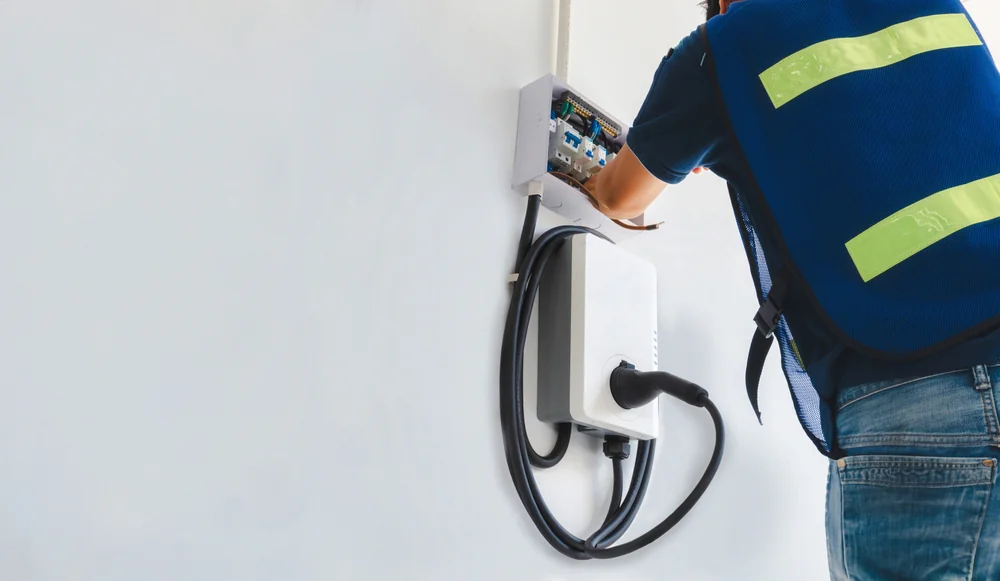
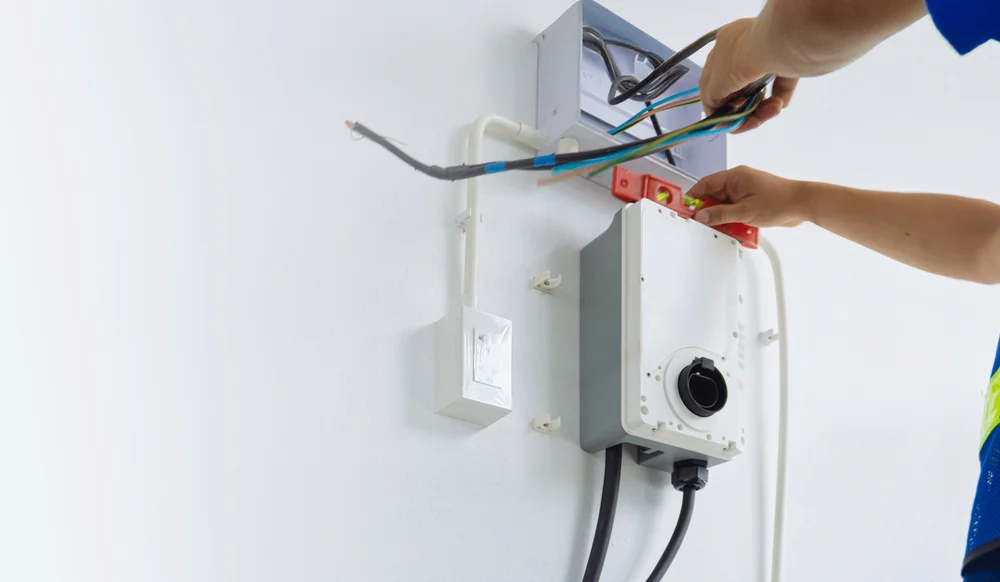
Electric Vehicle Charger Setup Near You
You stop planning your week around public charging stations. No more sitting in parking lots for 45 minutes hoping the charger actually works. No more range anxiety before a trip to Raleigh or Durham.
Instead, you plug in when you get home. By morning, your battery’s full. You leave when you want, not when your charge level allows it.
And you’re saving real money. Home charging costs about half what you’d pay at a public station. Over a year, that’s over $1,000 back in your pocket. Your electric bill goes up slightly, but nowhere near what you were spending on gas or public charging fees.
Orange County has one of the highest EV adoption rates in North Carolina. More neighbors are making the switch every month. The ones who install home chargers first are the ones who actually enjoy owning an EV instead of constantly managing it.
Licensed Electricians Serving Orange Factory
ESP is a locally owned electrical company run by Andy Helton, a Master Electrician with over 35 years of experience. We’ve been serving Orange Factory and the surrounding Triangle area for more than two decades.
We’re not a national franchise. We know the local codes, the permit process in Orange County, and what older homes in this area typically need before a charger can go in. Our trucks are fully stocked, so we’re not making multiple trips or waiting on parts.
You’ll know the cost before we start. We use flat-rate pricing, and our work isn’t done until you’re satisfied. If you want to talk to Andy directly, you can. That’s how we’ve always operated.
How EV Charging Station Installation Works
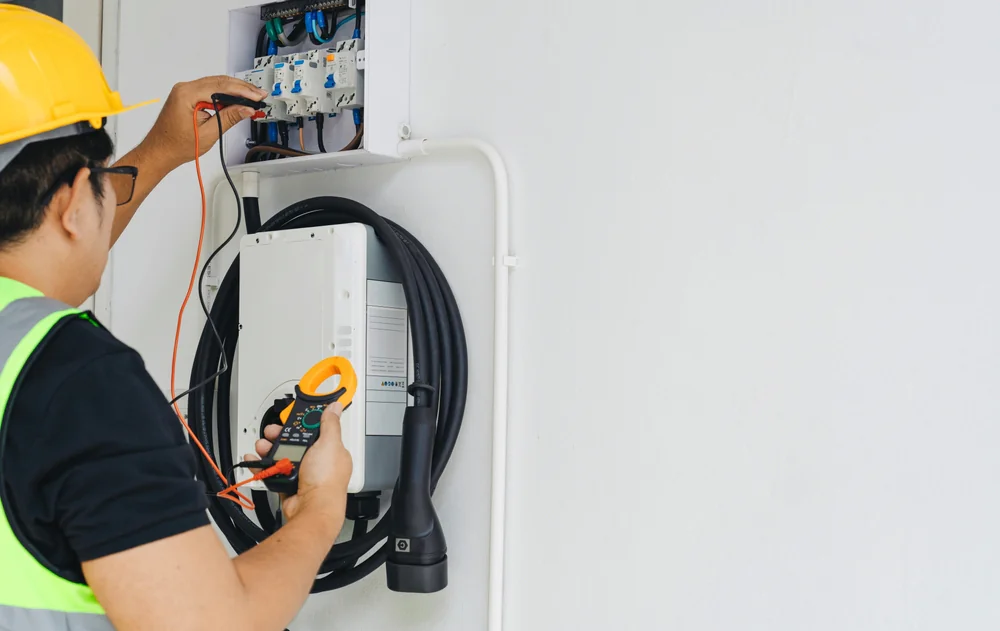
First, we look at your electrical panel. Most EV chargers need a 240-volt circuit, the same kind that runs your dryer or oven. If your panel has space and capacity, installation is straightforward. If it doesn’t, we’ll tell you what needs upgrading and why.
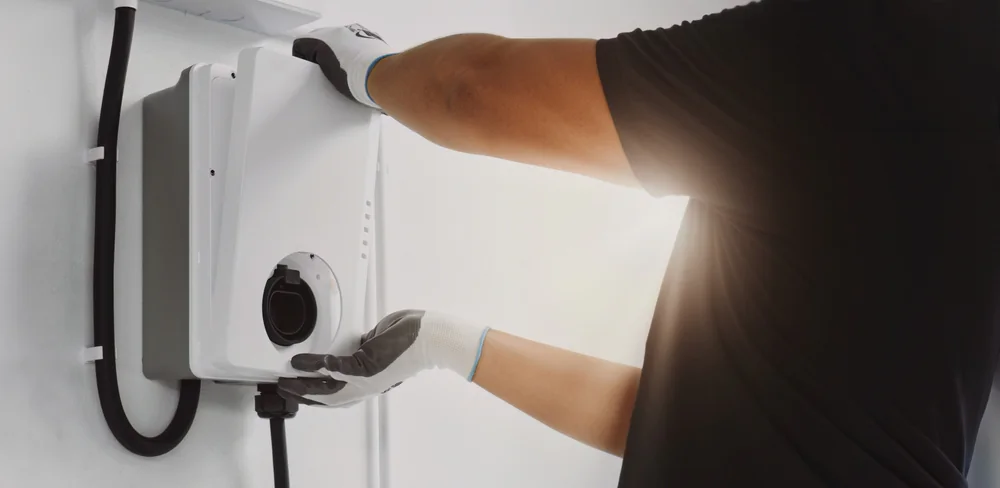
Next, we figure out where the charger goes. Most people want it in the garage near where they park. We’ll run the wiring, mount the charging unit, and make sure everything meets code. The whole job usually takes a few hours to a full day, depending on the setup.
Before we leave, we test the charger with your vehicle to make sure it’s working correctly. We walk you through how to use it, answer any questions, and clean up completely. You’ll also get documentation for your records and any rebate applications.
If you’re eligible for Duke Energy’s Charger Prep Credit, we can help with that paperwork too. The program offers up to $1,133 back, which covers a good chunk of the installation cost.
What's Included in Your Installation
Every installation includes a full electrical assessment. We check your panel’s capacity, verify your home’s wiring can handle the load, and identify any safety issues before we start. You’re not paying for surprises halfway through the job.
We pull all necessary permits and handle inspections. Orange County has specific requirements for EV charger installations, and we know exactly what they’re looking for. This keeps you compliant and protects your home’s value.
You also get options. We work with all major charger brands and can install the unit you’ve already purchased or recommend one based on your vehicle and budget. Level 2 chargers are the standard for home use—they’re faster than a regular outlet and work with every EV on the market, including Tesla, Rivian, Ford, and Chevy models.
If your panel needs an upgrade, we handle that too. Older homes in Orange Factory sometimes need a service panel replacement before adding a high-draw appliance like an EV charger. We’ll give you a clear cost upfront and explain what you’re getting for it.
How much does it cost to install an EV charger at my home?
Most installations in Orange Factory run between $800 and $2,000, depending on your electrical panel and how far the charger is from your breaker box. That’s for labor and materials—the charger unit itself is separate and typically costs $400 to $700.
If your panel is older or already maxed out, you might need an upgrade before we can add the circuit. A panel upgrade adds to the cost but also increases your home’s capacity for other appliances and future needs. We’ll assess that during the initial visit and give you a flat-rate price before any work starts.
Duke Energy’s Charger Prep Credit can offset some of this. The program reimburses up to $1,133 for qualifying installations, which makes a real dent in the upfront expense. We can help you navigate that application so you’re not leaving money on the table.
Can I install an EV charger myself, or do I need an electrician?
You need a licensed electrician. EV chargers require a dedicated 240-volt circuit, and installing one involves working inside your electrical panel—something that’s both dangerous and illegal to do without a license in North Carolina.
Even if you’re comfortable with basic electrical work, the permit and inspection process requires a licensed contractor’s signature. Orange County won’t approve a DIY EV charger installation, and your insurance might not cover damage if something goes wrong with unpermitted work.
Hiring a licensed electrician also protects your investment. If the charger stops working or causes an issue down the line, you’ll have documentation and someone to call. We’ve seen plenty of DIY jobs that had to be redone from scratch because they weren’t up to code.
How long does EV charger installation take?
Most installations take between three and six hours. If your panel has space and the charger is going in your garage near the breaker box, we’re usually done in a half day.
Longer jobs happen when we need to run wiring a longer distance, upgrade your electrical panel, or work around tricky layouts. A full panel upgrade adds time—usually a full day—but it’s not something we drag out unnecessarily.
We schedule installations in single visits whenever possible. Our trucks carry the materials we need for standard jobs, so we’re not making return trips for parts. Once we’re done, the charger is ready to use immediately. You don’t have to wait for a follow-up appointment or additional work.
Will an EV charger work with any electric vehicle?
Yes. Level 2 home chargers use a standard J1772 plug that works with every electric vehicle sold in the U.S., including Chevy Bolt, Ford F-150 Lightning, Rivian, Nissan Leaf, and Hyundai Ioniq models.
Teslas use a different plug, but they come with an adapter that connects to standard J1772 chargers. You can also buy a Tesla-specific wall connector if you prefer, though it’s not required. Either option works fine.
The charger doesn’t care what car you drive. It delivers power at a rate your vehicle can accept, which is controlled by the car’s onboard system. If you switch vehicles later, your charger will still work. That’s one reason home charging adds value to your property—it’s future-proof.
Do I need to upgrade my electrical panel for an EV charger?
It depends on your current panel’s capacity and how much space is left. EV chargers typically need a 40- or 50-amp circuit. If your panel is already running close to its limit, or if it’s an older 100-amp service, you’ll likely need an upgrade.
We check this during the initial assessment. We’ll look at your panel’s total capacity, what’s already running, and whether there’s room for the additional load. Many homes in Orange Factory were built before EVs existed, so it’s common to need a panel upgrade.
Upgrading your panel isn’t just about the charger. It also gives you capacity for other high-draw appliances and makes your electrical system safer overall. We’ll explain what’s required and give you a clear price before moving forward. You’ll know exactly what you’re paying for and why it matters.
How much does it cost to charge an electric vehicle at home?
Charging at home costs about $0.13 per kilowatt-hour with Duke Energy’s residential rates. For most EVs, a full charge uses around 50 to 75 kWh, which comes out to $6.50 to $10 per full charge.
If you drive 12,000 miles a year and your EV gets 3 miles per kWh, you’re looking at roughly $520 annually in electricity costs. Compare that to over $1,500 a year in gas for a similar-sized car, and the savings add up fast.
Duke Energy also offers time-of-use rates that make overnight charging even cheaper. If you charge during off-peak hours, your cost per kWh drops significantly. Most people set their car to charge automatically after midnight and wake up to a full battery without thinking about it.
Other Services we provide in Orange Factory
About Us

Electrical Service Providers (ESP) has been in business since 2002. ESP started out performing wiring services to new construction, remodeling projects and residential homes. Our company’s president identified a market for electrical services to be performed in homes and businesses independent of new construction. Read More about Electrical Service Providers>>
All Rights Reserved.Organic Marketing LLC
Business Listings


Product Brands Used
Allied, Broan, Cutler Hammer, General Electric, Ideal, Juno, Kohler, Leviton, Lutron, Siemens, Square D
Contact
- Office Address: 3254 S Anthony Ct.
Burlington, NC 27215 - Mailing Address: PO Box 25
Alamance, NC 27201 - Phone: 336-228-3300
- E-mail: [email protected], [email protected]
Service Areas
Chapel Hill, Burlington, Carrboro, Durham, Gibsonville, Hillsborough, Graham, Pittsboro, Morrisville, Cary
About Us
Electrical Service Providers (ESP) has been in business since 2002. ESP started out performing wiring services to new construction, remodeling projects and residential homes. Our company’s president identified a market for electrical services to be performed in homes and businesses independent of new construction. Read More about Electrical Service Providers>>
All Rights Reserved.Organic Marketing LLC