EV Charger Installation in Pittsboro, NC
Charge at Home Without the Guesswork or Delays
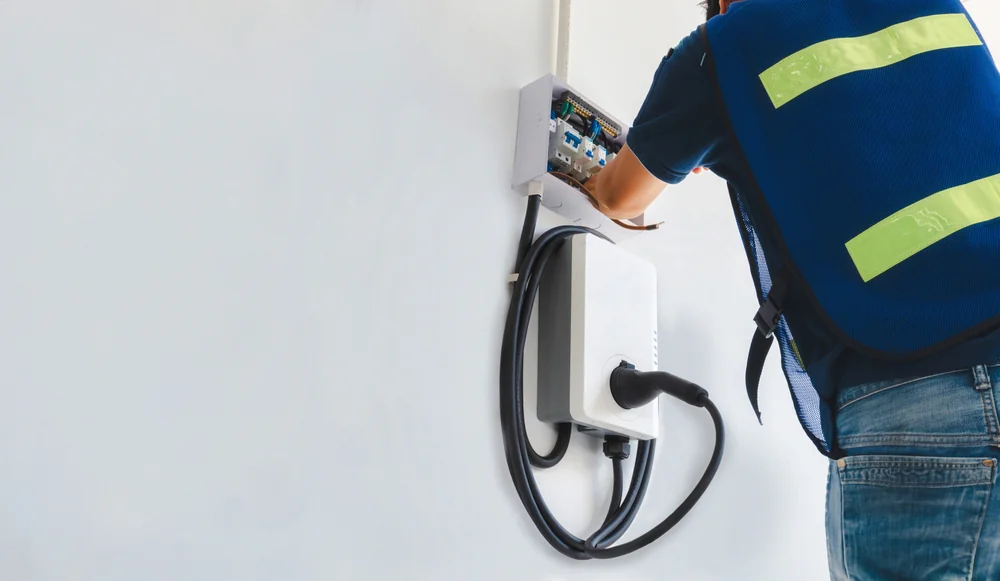
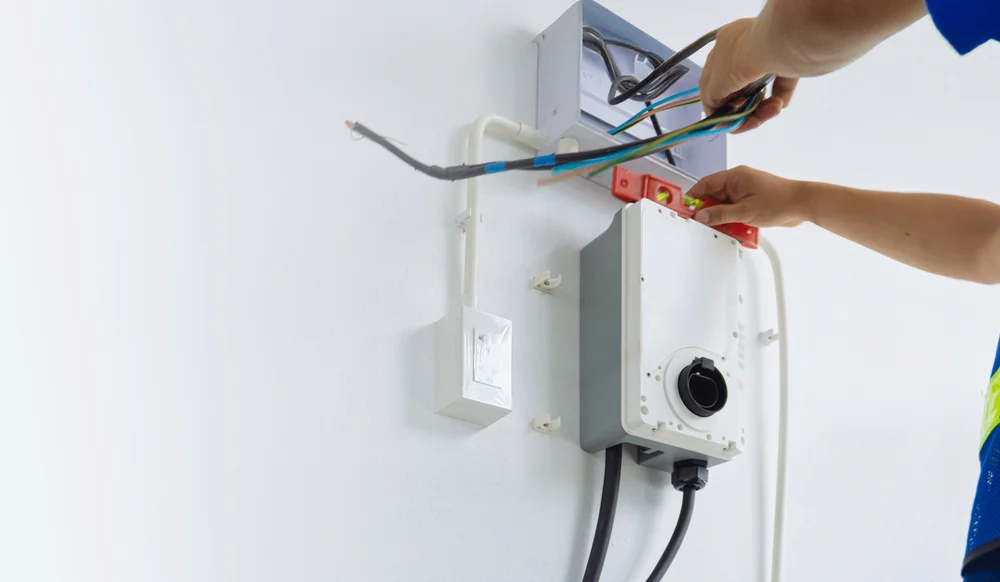
Electric Vehicle Charging Solutions for Pittsboro
You bought an electric vehicle to simplify your life, not complicate it. Charging at home means no more planning trips around charging stations or waiting in line at public chargers. You plug in when you get home, and your car is ready the next morning.
Most EV owners charge at home because it’s faster and cheaper than any other option. A Level 2 charger on a dedicated 240V circuit charges your vehicle in hours, not days. That’s the difference between convenience and frustration.
Duke Energy offers up to $1,117 in credits for residential EV charger installation, which covers a significant portion of the electrical work. You’re already making the switch to electric—you might as well get paid to do it right. We handle the paperwork and make sure you get every dollar you’re entitled to.
Licensed Electricians Serving Pittsboro Homeowners
ESP Electrical Service Providers has been serving Chatham County since 2002. Master Electrician Andy Helton has 35 years of experience, and our senior technicians have been licensed since 1989. We’re not a new company figuring out EV chargers as we go.
Pittsboro is seeing more electric vehicles every month, and the infrastructure is still catching up. North Carolina added nearly 240,000 EVs between 2020 and 2024, with almost 20% purchased last year alone. That means your neighbors are dealing with the same questions you are about home charging.
We’re local, we’re licensed, and we’ve been doing electrical work in your area longer than most EV models have existed. When you call, you talk to someone who knows the local permit process, the inspection requirements, and how to get your installation done without delays.
How EV Charger Setup Works in Pittsboro
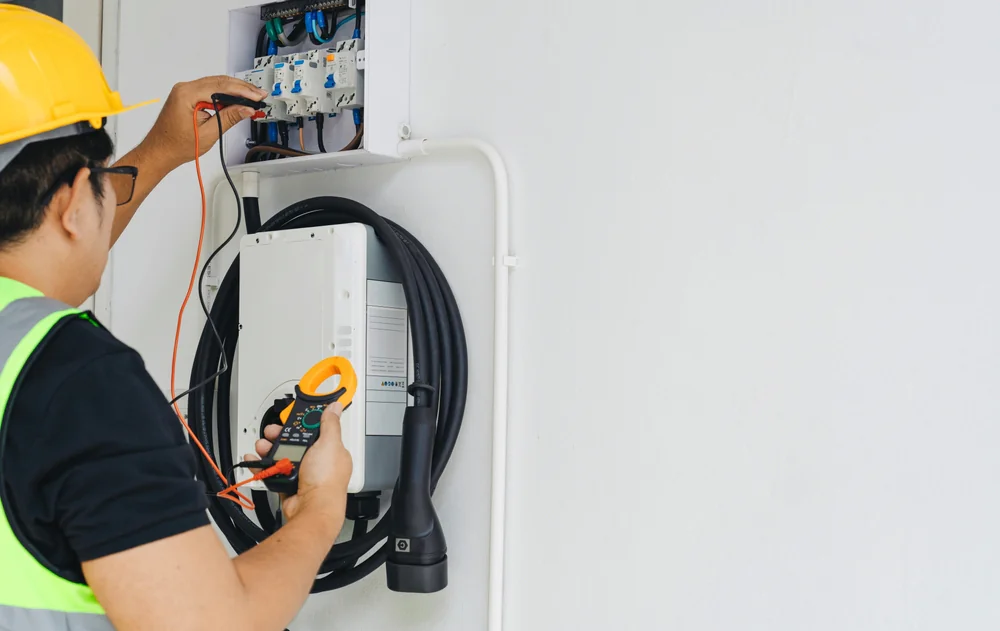
First, we assess your electrical panel to see if it can handle the additional load. Most Level 2 chargers need a dedicated 240V circuit, which requires an open breaker slot and sufficient capacity. If your panel is maxed out, we’ll discuss upgrade options before moving forward.
Next, we determine the best location for your charger based on where you park and how far the wiring needs to run. Shorter distances mean lower costs. We also factor in whether you want a hardwired unit or a plug-in model, and whether you want smart features like Wi-Fi connectivity or scheduled charging.
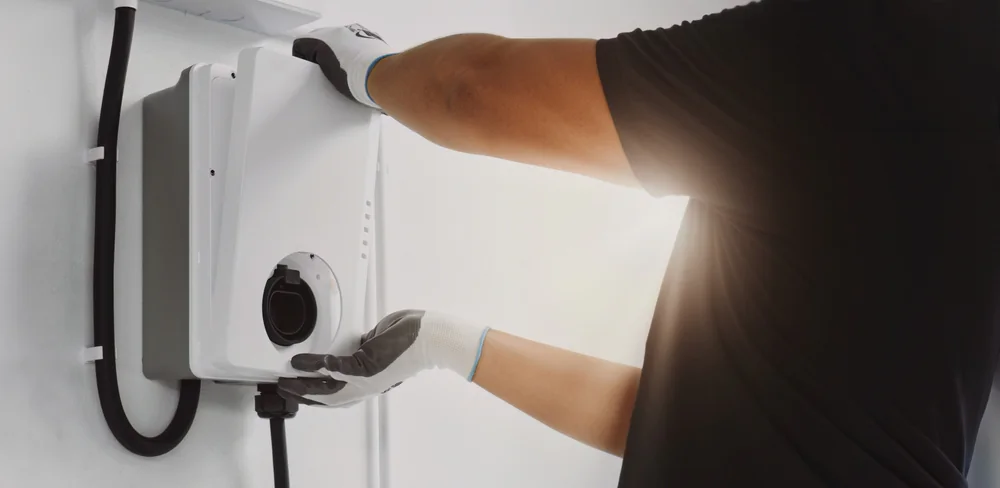
Then we pull the necessary permits with Chatham County and schedule the installation. We run the wiring, install the circuit breaker, mount the charger, and handle the final inspection. You don’t coordinate anything—we manage the entire process. Once it passes inspection, you’re charging at home that same day.
What's Included in Your EV Charger Installation
Your installation includes a complete electrical assessment to confirm your panel can support a Level 2 charging station. We check your existing load, available breaker space, and wire gauge requirements. If an upgrade is needed, we give you a flat-rate price before starting any work.
We handle all permits and inspections required by Chatham County. Pittsboro has specific codes for EV charger installations, and we make sure your setup meets every requirement. Inspections are scheduled as part of the job—you don’t chase down approvals or wait weeks for callbacks.
We also help you navigate Duke Energy’s rebate program, which can put over a thousand dollars back in your pocket. The application process is straightforward, but it requires documentation from a licensed electrician. We provide everything you need to claim your credit without hassle.
North Carolina is pushing toward 1.25 million EVs on the road by 2030, and Pittsboro is part of that growth. Installing your charger now means you’re ahead of the rush, and your home is already set up if you add a second EV down the road.
Do I need to upgrade my electrical panel to install an EV charger?
It depends on your current panel capacity and how much load you’re already using. Most homes in Pittsboro have 200-amp panels, which can usually handle a Level 2 charger without upgrades. But if your panel is older, already near capacity, or doesn’t have an open breaker slot, you’ll need an upgrade.
We assess your panel during the initial visit and give you a clear answer. If an upgrade is necessary, we provide a flat-rate price that includes the new panel, the charger circuit, and all labor. No surprises, no upselling—just honest feedback based on what your home actually needs.
Some homeowners worry about the cost of a panel upgrade, but it’s often less than expected and adds value to your home. Plus, Duke Energy’s rebate program can offset a significant portion of the installation cost, even if an upgrade is involved.
How long does it take to install an EV charging station at my home?
Most installations take four to six hours if your panel has capacity and the charger location is close to your electrical panel. That includes running the wiring, installing the breaker, mounting the charger, and testing the system. If we need to upgrade your panel first, add another few hours to the timeline.
Permit approval and inspection scheduling can add a few days to the overall process, depending on Chatham County’s current workload. We handle all of that coordination, so you’re not waiting on callbacks or chasing down inspectors. Once the permit is approved, we schedule the work at a time that fits your schedule.
If your installation is straightforward—existing panel capacity, short wire run, no obstacles—you could be charging your car the same day we start. More complex jobs might take a couple of days, but we give you an accurate timeline upfront so you know what to expect.
What's the difference between a Level 1 and Level 2 EV charger?
A Level 1 charger plugs into a standard 120V outlet and adds about four miles of range per hour. That’s fine if you drive less than 40 miles a day and can leave your car plugged in overnight. But for most people, it’s too slow to be practical.
A Level 2 charger uses a 240V circuit—the same type that powers your dryer or oven—and adds 20 to 30 miles of range per hour. That means a full charge in three to five hours instead of 24. It’s the difference between waking up to a full battery and waking up to a car that’s still charging.
Most EV owners install a Level 2 charger because it matches how they actually use their vehicle. You’re not planning your life around charging times, and you’re not worried about whether you’ll have enough range for tomorrow’s errands. You plug in, and it’s done.
Can I claim the Duke Energy rebate for my EV charger installation?
Yes, if you’re a Duke Energy customer in Pittsboro, you’re eligible for up to $1,117 in credits through their EV Charger Installation Support Program. The rebate covers a portion of the electrical work, including the circuit installation and any necessary panel upgrades.
To claim the rebate, you need documentation from a licensed electrician showing the work was completed to code. We provide all the paperwork you need as part of the installation, so you’re not scrambling to gather invoices or inspection reports after the fact.
The application process is straightforward, but it does require specific details about the charger model, circuit specifications, and installation date. We walk you through exactly what Duke Energy needs, and we make sure everything is submitted correctly the first time. Most customers receive their credit within a few weeks of submitting the application.
Will installing an EV charger increase my electric bill significantly?
Your bill will go up, but charging at home is still cheaper than buying gas. The average cost to fully charge an EV in North Carolina is around $10 to $15, depending on your vehicle’s battery size and Duke Energy’s current rates. Compare that to $40 or $50 to fill a gas tank, and the savings add up quickly.
Duke Energy offers time-of-use rates that let you charge during off-peak hours for even lower costs. If you plug in after 9 PM, you’re paying significantly less per kilowatt-hour than during the day. Many Level 2 chargers have scheduling features that automatically delay charging until rates drop, so you’re saving money without thinking about it.
The other factor is how much you drive. If you’re commuting 50 miles a day, you’ll use more electricity than someone driving 20 miles a day. But even with higher usage, most EV owners report spending 60% less on energy costs compared to what they used to spend on gas. The math works in your favor.
Do I need a permit to install an EV charger in Pittsboro?
Yes, Chatham County requires a permit for any electrical work that involves adding a new circuit, which includes EV charger installations. The permit ensures the work meets the National Electric Code and local safety standards. Skipping the permit can create problems if you ever sell your home or file an insurance claim.
We handle the entire permit process as part of your installation. That includes submitting the application, coordinating the inspection, and making sure everything passes on the first visit. You don’t need to contact the county or wait in line at the permit office—we take care of it.
Some homeowners worry that permits will delay the project, but in most cases, approval happens within a few days. Inspections are scheduled based on the county’s availability, and we work around your schedule to make sure someone is home when the inspector arrives. Once it passes, you’re fully legal and fully charging.
Other Services we provide in Pittsboro
About Us

Electrical Service Providers (ESP) has been in business since 2002. ESP started out performing wiring services to new construction, remodeling projects and residential homes. Our company’s president identified a market for electrical services to be performed in homes and businesses independent of new construction. Read More about Electrical Service Providers>>
All Rights Reserved.Organic Marketing LLC
Business Listings


Product Brands Used
Allied, Broan, Cutler Hammer, General Electric, Ideal, Juno, Kohler, Leviton, Lutron, Siemens, Square D
Contact
- Office Address: 3254 S Anthony Ct.
Burlington, NC 27215 - Mailing Address: PO Box 25
Alamance, NC 27201 - Phone: 336-228-3300
- E-mail: [email protected], [email protected]
Service Areas
Chapel Hill, Burlington, Carrboro, Durham, Gibsonville, Hillsborough, Graham, Pittsboro, Morrisville, Cary
About Us
Electrical Service Providers (ESP) has been in business since 2002. ESP started out performing wiring services to new construction, remodeling projects and residential homes. Our company’s president identified a market for electrical services to be performed in homes and businesses independent of new construction. Read More about Electrical Service Providers>>
All Rights Reserved.Organic Marketing LLC