EV Charger Installation in Snow Camp, NC
Charge at Home Without the Guesswork or Risk
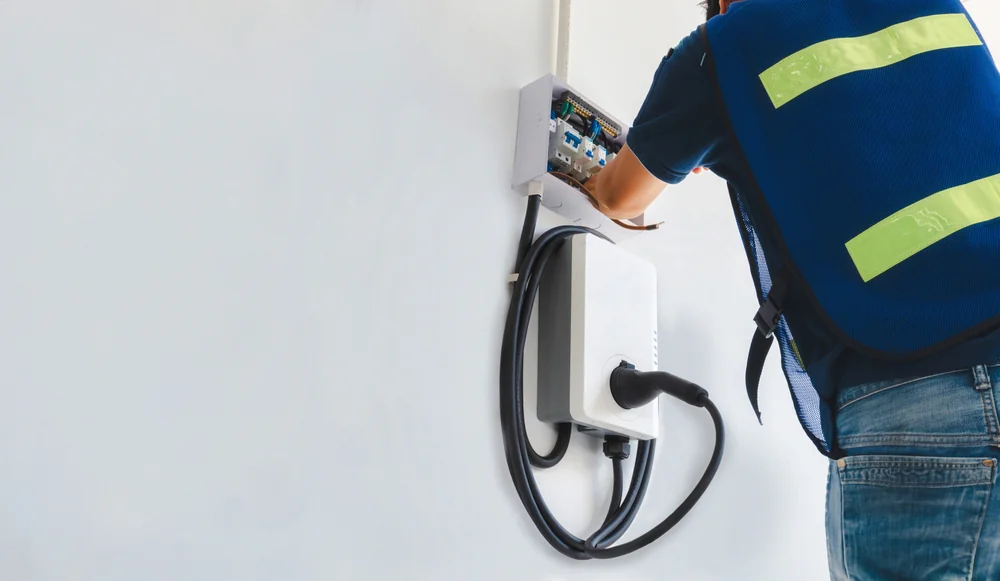
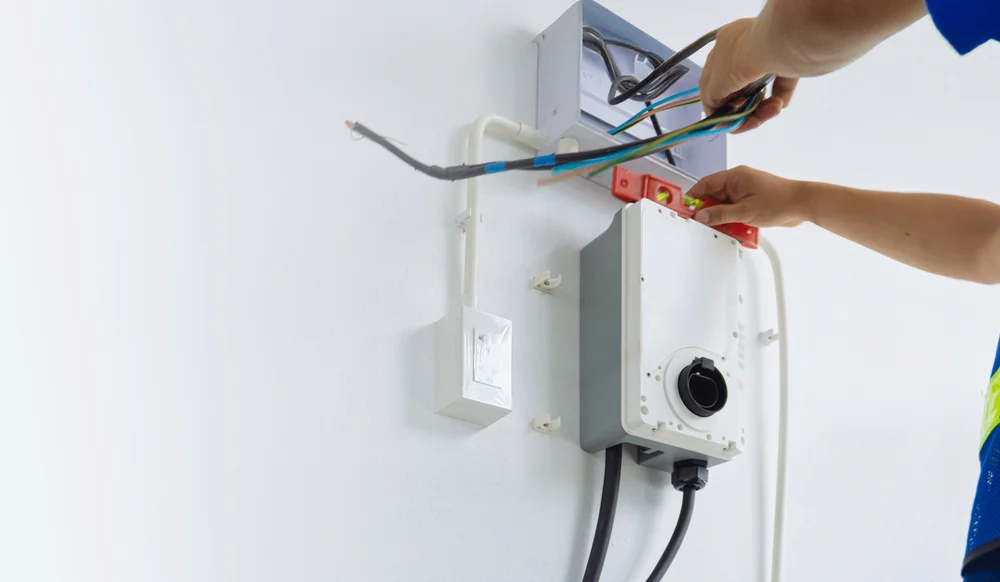
Electric Vehicle Charger Setup Snow Camp
You’re not hunting for public charging stations anymore. No more sitting in parking lots waiting for a spot to open up, no more paying $10 to $15 per 100 miles at DC fast chargers when you could be spending $3 to $5 at home.
Your EV charges overnight while you sleep. You unplug in the morning and drive wherever you need to go. It’s the same routine as plugging in your phone, except this one saves you real money every month and adds value to your property.
Level 2 charging gives you 12 to 60 miles of range per hour depending on your vehicle and charger. That means a full charge overnight for most daily driving. And when EV adoption hits 40% of new vehicle sales by 2030, you’ll already have the infrastructure in place while your neighbors are scrambling to catch up.
Licensed Electricians Serving Snow Camp Residents
ESP Electrical Service Providers is locally owned and operated by Andy Helton, a Master Electrician with over 35 years of experience. We’ve been serving Alamance County, including Snow Camp, since 2002.
You’re not getting a national franchise or a contractor who subcontracts the work. You’re getting licensed electricians who know local electrical codes, understand the Duke Energy rebate process, and have installed charging stations in homes just like yours across Snow Camp and Burlington.
Our service area covers the rural communities where EV adoption is growing faster than the infrastructure. We’ve seen the shift firsthand. More Tesla owners, more Rivian trucks, more Hyundai and Ford EVs showing up in driveways across Alamance County. And most of those owners realize pretty quickly that public charging isn’t a long-term solution out here.
How EV Charging Station Installation Works
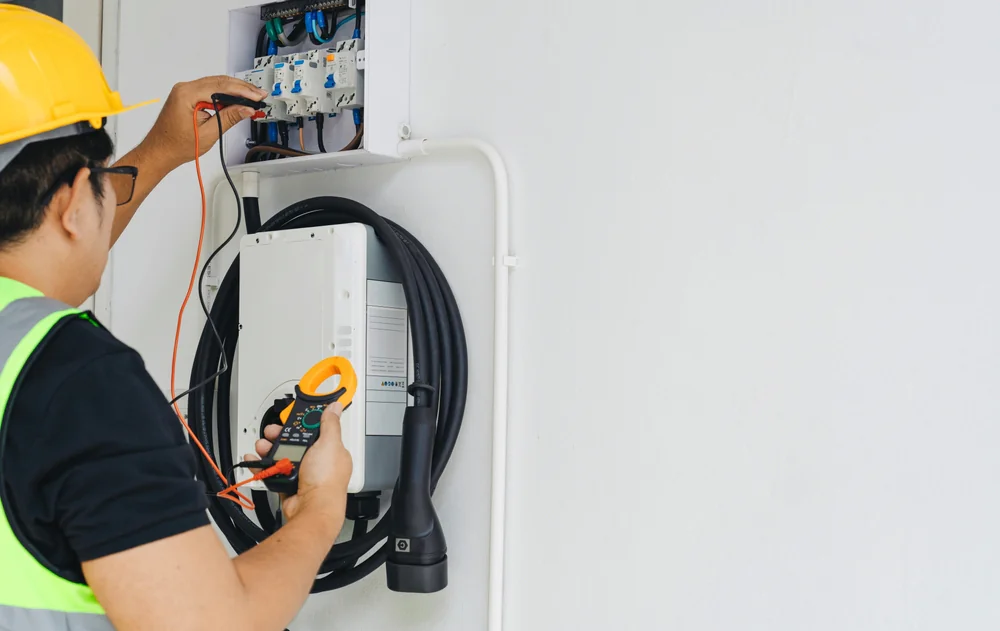
First, we assess your electrical panel to see if it can handle the load. Most Level 2 chargers need a 240-volt circuit, similar to what runs your dryer or water heater. If your panel has capacity, we move forward. If it doesn’t, we’ll talk through what an upgrade looks like and give you a flat-rate price before any work starts.
Next, we help you apply for the Duke Energy rebate. You could get up to $1,133 back to cover most or all of the installation cost. We’ll walk you through the paperwork so you’re not figuring it out on your own.
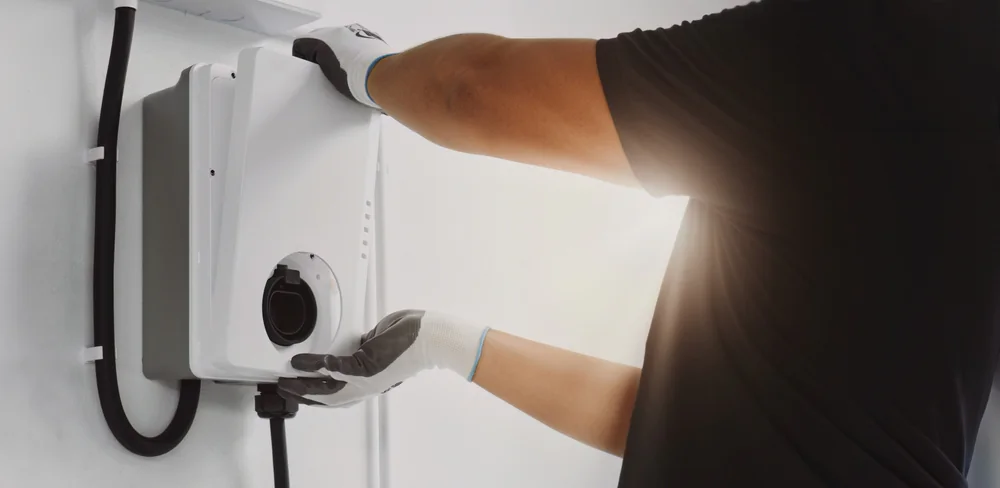
Then we install the charger where you want it—garage wall, exterior mount, wherever makes sense for your property and your vehicle. We run the wiring, mount the unit, test everything, and make sure it’s communicating with your car correctly. You’ll know exactly how to use it before we leave.
The whole process usually takes a few hours once we’re on-site. You’ll have a fully functional Level 2 charging station that works with your current EV and any future electric vehicle you buy.
What's Included in EV Charger Installation
Every installation includes a full electrical panel assessment. We’re checking capacity, breaker availability, and whether your system can safely handle the additional load. If you need a panel upgrade, we’ll tell you upfront with a flat-rate price.
You also get help navigating the Duke Energy rebate program. North Carolina exceeded 100,000 EV registrations in 2024, and Duke Energy is actively incentivizing home charging infrastructure. That rebate won’t be around forever, and we make sure you don’t leave money on the table.
We install ENERGY STAR certified Level 2 chargers that use 40% less energy in standby mode. These aren’t the basic Level 1 chargers that come with your car and take 24 hours to fully charge. Level 2 stations charge 3 to 7 times faster and work with every EV on the market today.
Snow Camp and the surrounding Alamance County area are seeing more EV adoption than most people realize. The infrastructure just hasn’t caught up yet. Public charging stations are few and far between out here, and the ones that exist are often crowded or unreliable. Home charging isn’t just convenient—it’s necessary if you want to actually use your EV without planning your life around charging stops.
How much does it cost to install an EV charger at my home?
Installation costs vary depending on your electrical panel’s current capacity and how far the charger is from the panel. Most Level 2 installations run around $4,000 total when you factor in the charger itself and labor.
But here’s where it gets better. Duke Energy offers a one-time rebate of up to $1,133 per household specifically for EV charger installation. That rebate is designed to cover a large portion or all of the prep work needed to get your home ready for an EV charger. We help you apply so you’re not navigating that process alone.
We use flat-rate pricing, which means you know the cost before we start any work. No surprises, no hourly rates that spiral, no “we’ll see what we find” pricing. You’ll get a clear number based on your specific setup, and that’s what you’ll pay.
Will my electrical panel support a Level 2 EV charger?
That depends on your panel’s current load and available capacity. Level 2 chargers typically require a 240-volt, 40- to 50-amp dedicated circuit. If your panel is older or already running close to capacity, you might need an upgrade.
We assess your panel before quoting any work. If it can handle the load, great—we move forward with installation. If it can’t, we’ll explain what an upgrade involves and give you a flat-rate price for that too. Panel upgrades aren’t always necessary, but when they are, it’s better to know upfront than halfway through the job.
Many homes in Snow Camp and Alamance County were built before EVs were on anyone’s radar. Electrical systems weren’t designed with this kind of load in mind. But upgrading your panel isn’t just about the charger—it future-proofs your home for other high-draw appliances and increases your property’s overall electrical capacity.
How long does EV charger installation take?
Once we’re on-site, most installations take a few hours. That includes mounting the charger, running the wiring, connecting it to your panel, and testing everything to make sure it’s working correctly with your vehicle.
The timeline can be longer if you need a panel upgrade or if the charger is being mounted far from your electrical panel. We’ll give you a realistic timeframe during the estimate so you know what to expect.
The bigger time factor is usually scheduling. We serve Snow Camp, Burlington, Chapel Hill, and the surrounding areas, and our schedule fills up depending on the season. The sooner you reach out, the sooner we can get you on the calendar. EV adoption is growing fast in North Carolina, and so is demand for qualified electricians who know how to install these systems safely.
Can I install an EV charger myself to save money?
Technically, yes. Practically, no. Level 2 chargers require a 240-volt circuit, which is a completely different animal than the 120-volt outlets you’re used to working with. Using the wrong gauge wire or incorrectly sizing the breaker can cause electrical fires.
You also won’t qualify for the Duke Energy rebate without a licensed electrician doing the work. That rebate alone can cover most of your installation cost, so trying to DIY it usually ends up costing you more in the long run.
And if something goes wrong—if the charger doesn’t work, if it trips your breaker, if it damages your vehicle’s charging port—you’re on your own for repairs. When a licensed electrician does the work, it’s done to code, it’s insured, and it’s backed by a guarantee. You’re not gambling with your home’s electrical system or your $50,000 vehicle.
What's the difference between Level 1 and Level 2 charging?
Level 1 charging uses a standard 120-volt outlet—the same outlet you’d plug a lamp into. It’s slow. You’re looking at 3 to 5 miles of range per hour of charging. For most EVs, that means 24 to 48 hours for a full charge from empty.
Level 2 charging uses a 240-volt circuit and delivers 12 to 60 miles of range per hour depending on your charger and vehicle. That’s a full charge overnight for most daily driving. It’s faster, more efficient, and it’s what most EV owners end up installing once they realize Level 1 isn’t practical for anything beyond emergency top-offs.
If you’re serious about driving an EV as your primary vehicle, Level 2 is the standard. It’s what you’ll find at public charging stations, and it’s what makes home charging actually viable. Level 1 might work if you’re only driving 20 miles a week, but for everyone else, it’s not a real solution.
Do EV chargers work with all electric vehicles?
Yes. Level 2 chargers use the J1772 connector, which is the standard plug for every EV sold in North America except for older Tesla models. And even Teslas come with an adapter that lets them use J1772 chargers.
That means the charger you install today will work with your next EV, even if you switch brands. You’re not locked into one manufacturer or one vehicle. It’s future-proof.
This matters more than people realize. EV technology is moving fast, and you don’t want to install a charging system that’s obsolete in three years. Level 2 stations are the industry standard, and they’re not going anywhere. Whether you’re driving a Ford F-150 Lightning today and a Rivian tomorrow, the same charger works for both.
Other Services we provide in Snow Camp
About Us

Electrical Service Providers (ESP) has been in business since 2002. ESP started out performing wiring services to new construction, remodeling projects and residential homes. Our company’s president identified a market for electrical services to be performed in homes and businesses independent of new construction. Read More about Electrical Service Providers>>
All Rights Reserved.Organic Marketing LLC
Business Listings


Product Brands Used
Allied, Broan, Cutler Hammer, General Electric, Ideal, Juno, Kohler, Leviton, Lutron, Siemens, Square D
Contact
- Office Address: 3254 S Anthony Ct.
Burlington, NC 27215 - Mailing Address: PO Box 25
Alamance, NC 27201 - Phone: 336-228-3300
- E-mail: [email protected], [email protected]
Service Areas
Chapel Hill, Burlington, Carrboro, Durham, Gibsonville, Hillsborough, Graham, Pittsboro, Morrisville, Cary
About Us
Electrical Service Providers (ESP) has been in business since 2002. ESP started out performing wiring services to new construction, remodeling projects and residential homes. Our company’s president identified a market for electrical services to be performed in homes and businesses independent of new construction. Read More about Electrical Service Providers>>
All Rights Reserved.Organic Marketing LLC