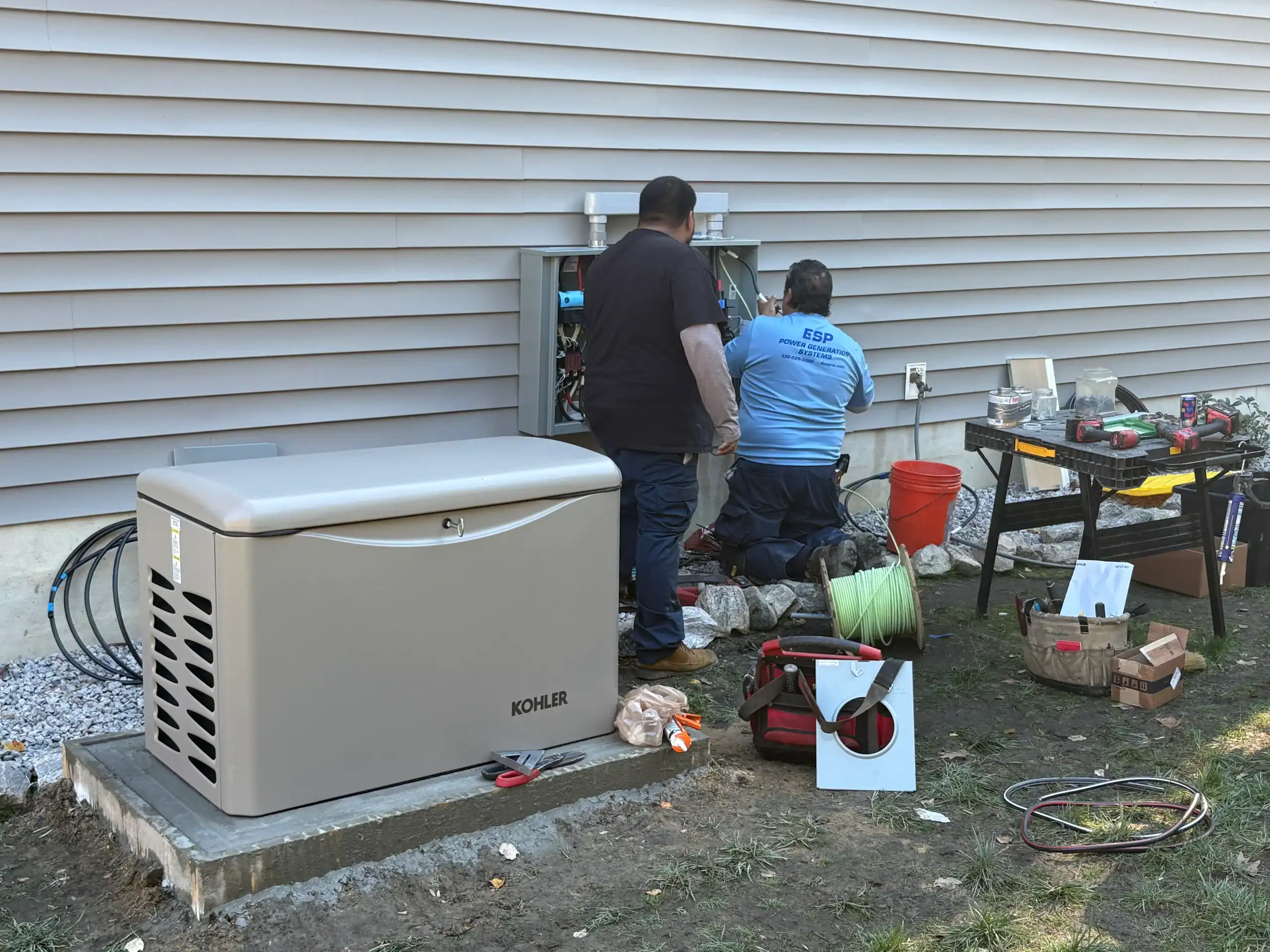
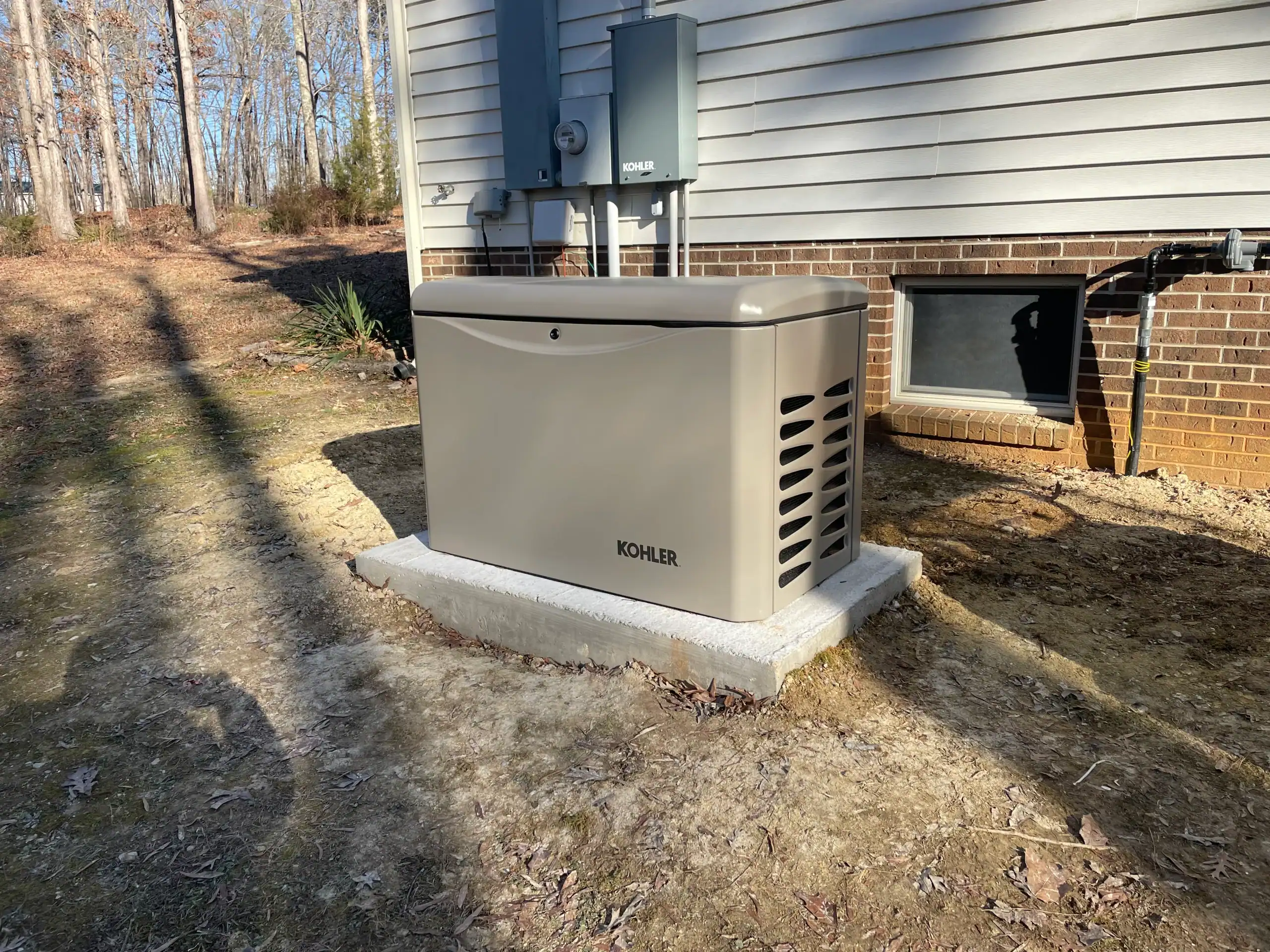
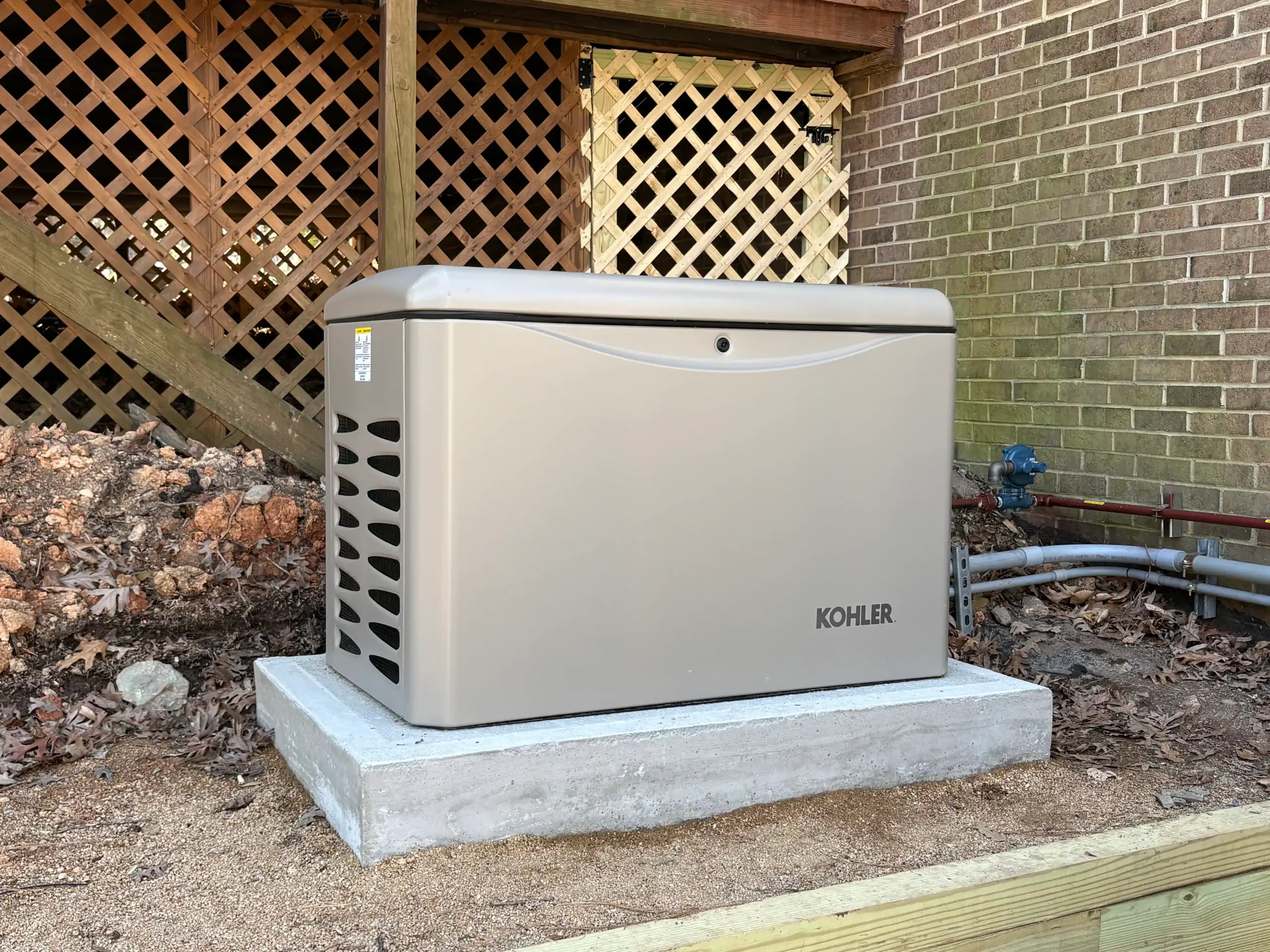
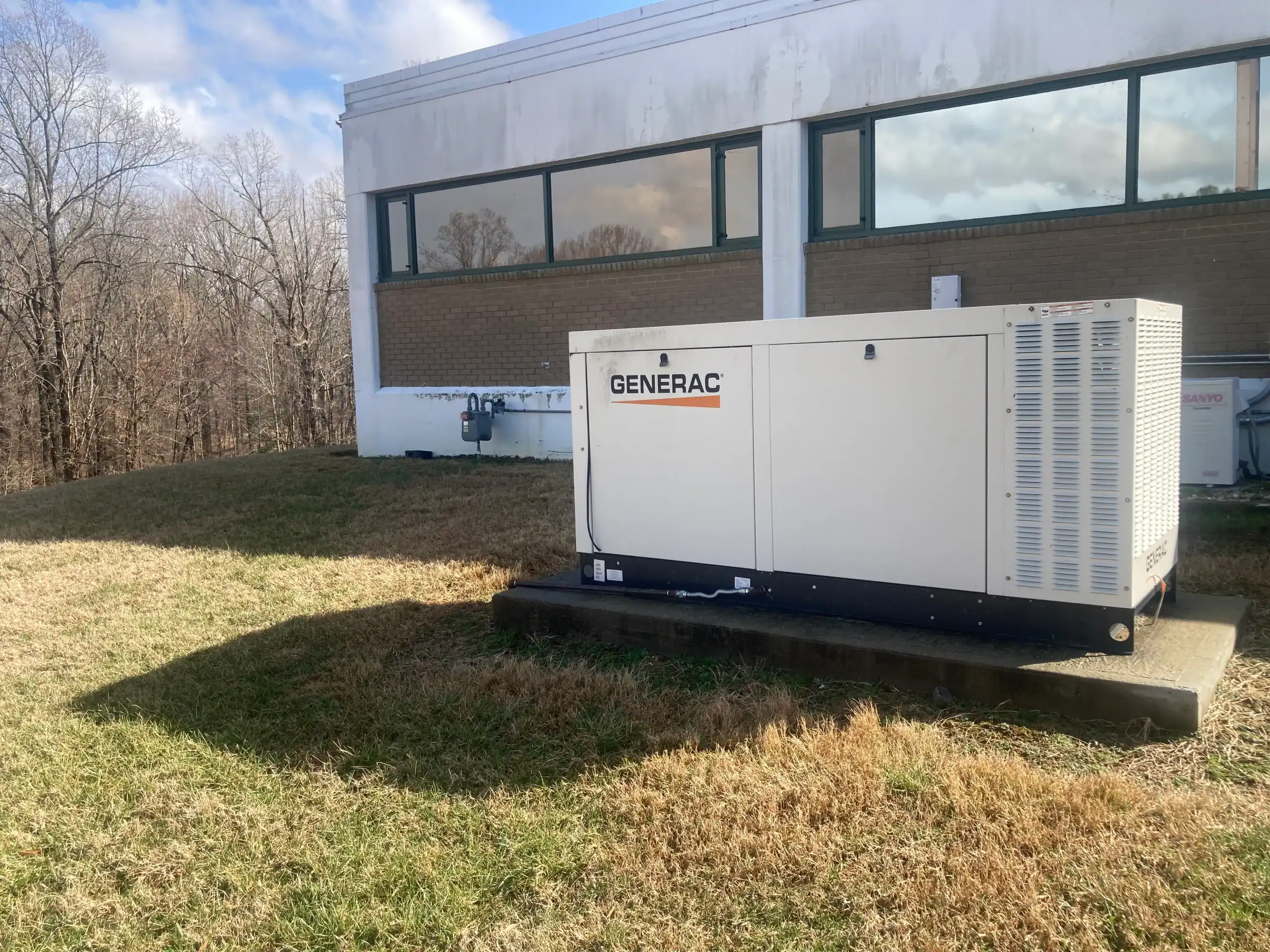
Guides Natural Gas vs Diesel Generator: Which Fuel Type Works for Your Alamance County Home August 27, 2026
Comparisons Electrical Safety Inspection: What Older Homes in Alamance County Really Need August 25, 2026
Guides 5 Red Flags That Tell You a Commercial Electrical Contractor Is Wrong for Your Alamance County Project August 25, 2026
Guides Emergency Electrical Service in Alamance County, NC: When to Call and What to Expect August 25, 2026
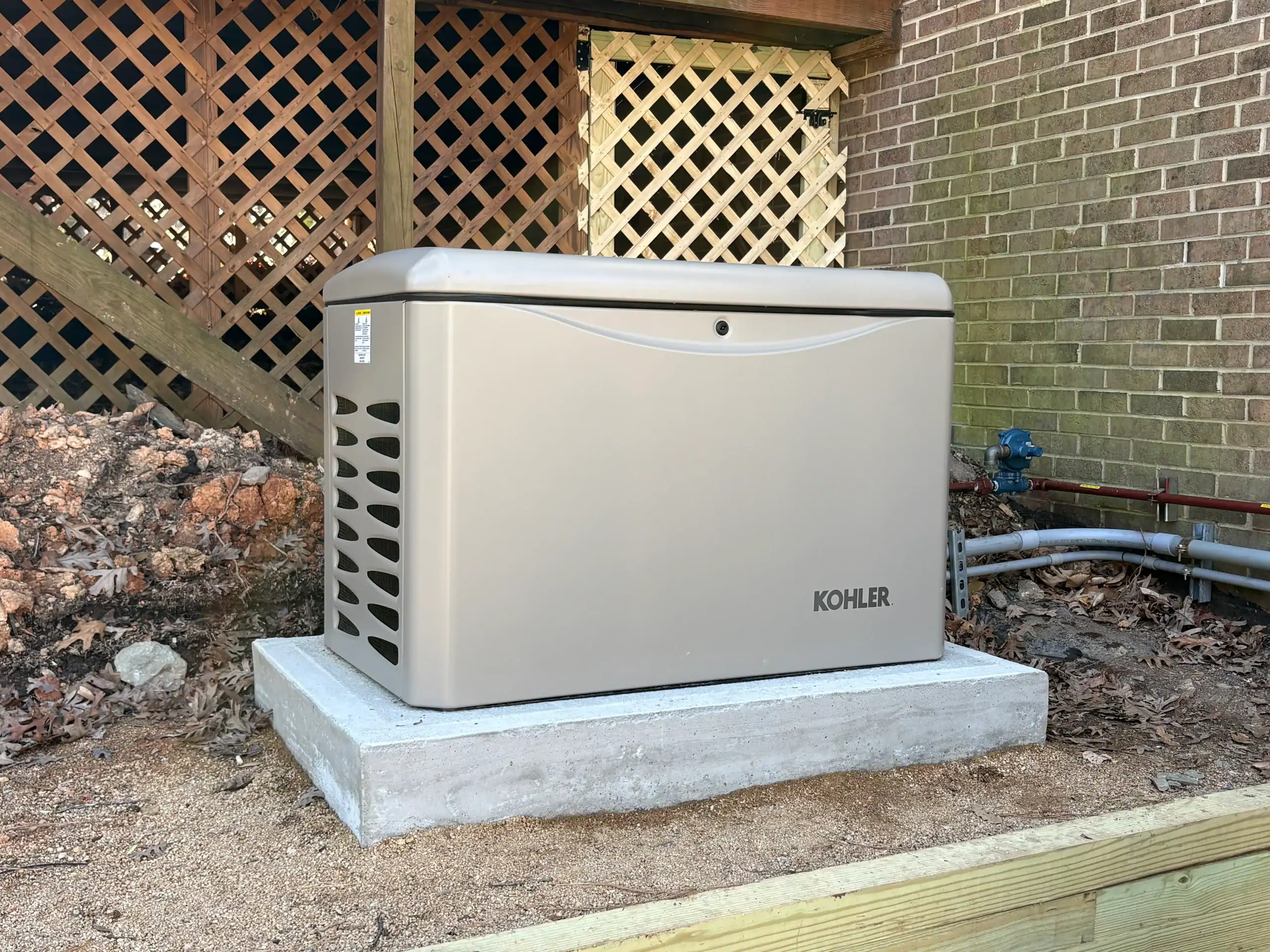
Guides Standby Generator vs. Portable Generator: An Honest Comparison for Alamance County Homes August 18, 2026
FAQs Home Improvement Contractors in Burlington and Alamance County: What You Need to Know Before Hiring August 11, 2026
Guides Outdoor Outlet Installation: What Holiday Lighting Loads Require in Alamance County August 4, 2026
Guides Electricity Meter vs. Duke Energy Surge Plan: What Alamance County Homeowners Should Know July 14, 2026
Guides The 2026 Homeowner’s Guide: Why Your Electrical Contractor Should Be Your Smart Home Partner June 23, 2026
Guides Top 5 Reasons to Hire a Licensed Electrical Contractor for Your 2026 Home Renovation June 18, 2026
Guides Why Your Business Needs a Licensed Electrical Contractor for Energy Efficiency Upgrades June 16, 2026
Guides Portable vs. Whole-Home: Which Emergency Power Solution Is Right for Your Family? May 28, 2026
Guides Don’t Get Left in the Dark: Why Your Home Needs a Standby Generator Before Storm Season May 14, 2026