
Surge Protection in Central NC

Stop Worrying About the Next Storm

Power surges don’t wait for permission. One lightning strike miles away or one grid hiccup when your power flips back on can fry thousands of dollars in electronics and appliances. Whole house surge protection blocks damaging voltage spikes before they reach your equipment.
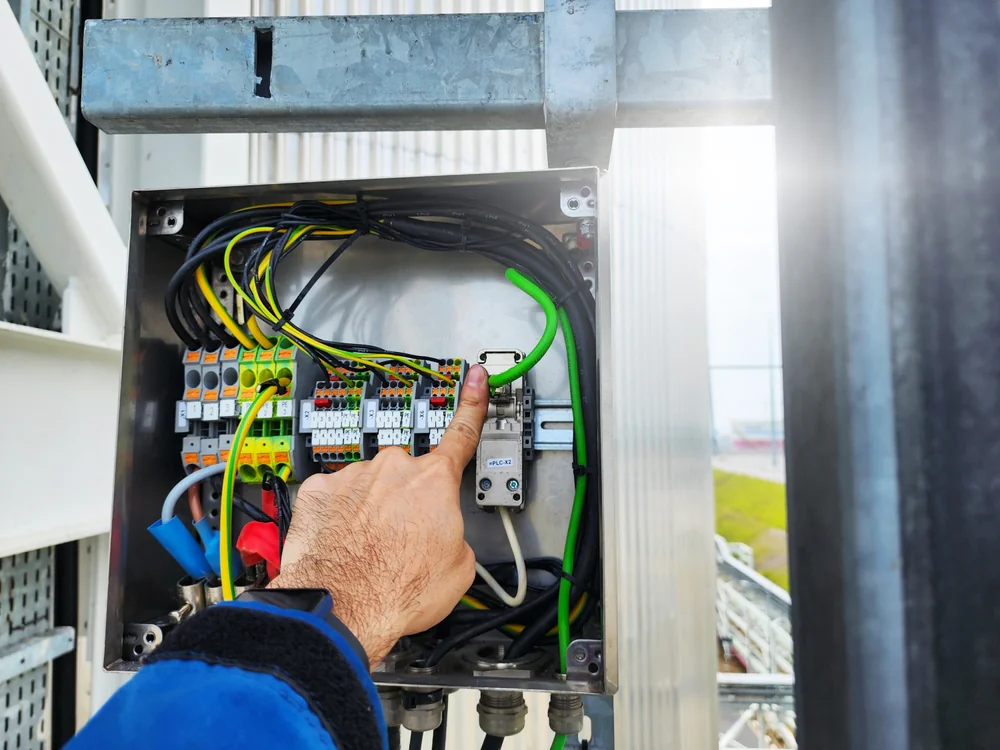
A person’s hand is adjusting or inspecting electrical components inside an open outdoor control panel box with various colored wires and connectors.

Master Electrician With 35 Years

Our owner Andy Helton brings over three decades of hands-on electrical expertise to every installation, ensuring your surge protection meets code and actually works.

Flat Rate Pricing Always

You know exactly what you'll pay before any work starts. No hourly rates, no surprises, just honest pricing for professional surge protection.

Serving Central NC Since 2002

Over 20 years protecting homes and businesses across Alamance, Durham, Chatham, and Orange County with reliable electrical solutions that last.

Fully Licensed and Insured

Every technician carries proper credentials and insurance, giving you protection and peace of mind that your installation meets all safety standards.

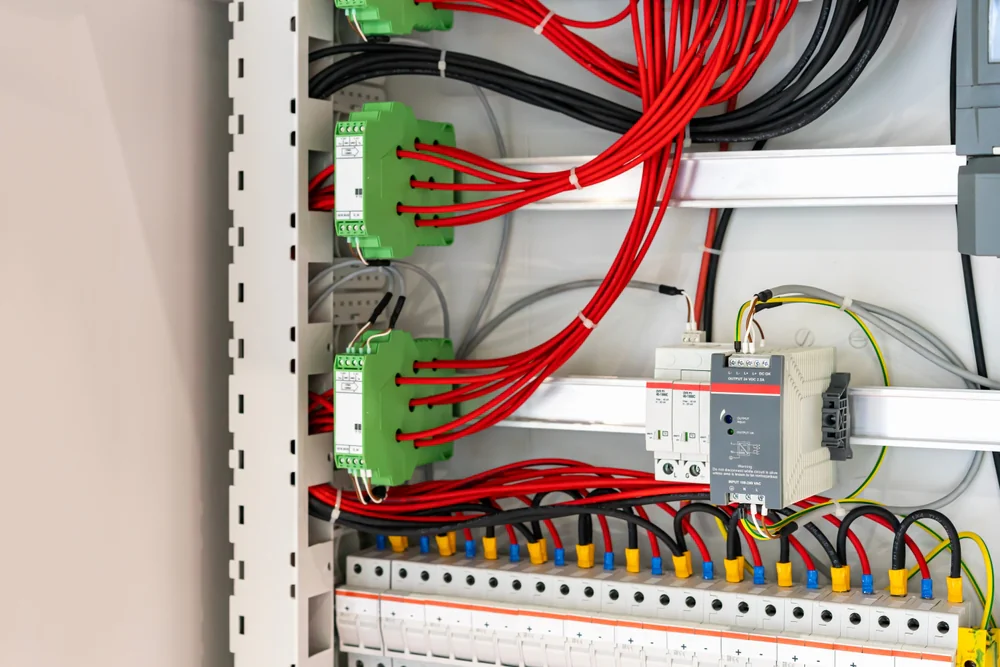
Close-up of an electrical control panel with neatly organized red, black, and yellow wires connected to green terminals, circuit breakers, and various electrical components.

Professional Surge Protection Installation NC

Real Protection for Everything You've Invested In

Your home probably has around $15,000 worth of electronics. TVs, computers, gaming systems, smart home devices. Then there’s your HVAC system, refrigerator, washer, dryer, and every other appliance with a circuit board inside. A single power surge can damage or destroy any of it. Whole house surge protection installs directly at your electrical panel and monitors every bit of power flowing into your home. When it detects a voltage spike from lightning, utility switching, or even your own appliances cycling on and off, it diverts that excess energy safely to ground before it reaches your equipment. It’s the difference between replacing a surge protector and replacing your air conditioner. This isn’t about power strips. Those help, but they can’t protect the stuff that’s hard-wired into your system, and they’re not built to handle the kind of surges that come from outside your home.

Whole House Surge Protection Benefits

What You Actually Get From This

Surge protection isn’t just about blocking one big lightning strike. It’s about stopping the constant, invisible damage happening to your equipment every single day.

You stop replacing expensive electronics every few years because small surges have been quietly degrading them all along.

Your HVAC system, refrigerator, and other major appliances last longer because they're not taking hits from internal power fluctuations.

You don't have to run around unplugging everything when a storm rolls through or worry about what's still connected.

Your smart home devices, security systems, and connected appliances stay protected even though you can't plug them into power strips.

You might qualify for a homeowners insurance discount since you've taken steps to protect your property from electrical damage.

You get peace of mind knowing one installation protects your entire home, not just the outlets with power strips attached.

Ready to get started?

A bold orange number 1 is centered inside a solid dark blue circle on a light gray background.

Share project details

Call us or get a free online quote to help us identify your project needs.

A large orange number 2 is centered inside a solid dark blue circle on a light gray background.

We'll follow up

If you requested an online quote, you can expect a callback within 24-48 hours of your request.

A large orange number 3 is centered inside a solid dark blue circle on a light gray background.

The floor is yours

Connect with an expert and share all project specifics.

A bold orange number 4 centered inside a solid dark blue circle on a light gray background.

Plan your project

Like what you hear? We'll provide next steps and expert guidance.
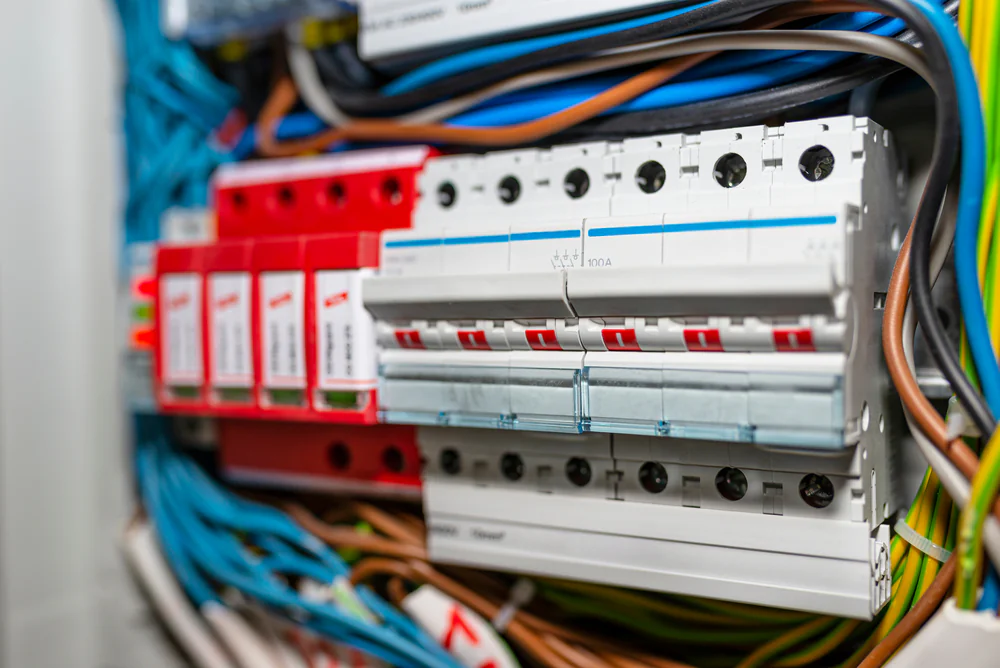
Close-up of an electrical panel with circuit breakers, various colored wires, and labeled switches, showing the organized wiring and connections for distributing electricity.

How Surge Protection Devices Work

Why Your Home Needs More Than Power Strips

Most people think surge protection means buying a power strip from the hardware store. Those strips help with small surges, but they’re not designed for the big ones. They can’t protect your HVAC system, your hardwired appliances, or anything that doesn’t plug into an outlet. And when a real surge hits from lightning or the power grid, many of those strips just let it through. A whole house surge protector installs at your main electrical panel where all power enters your home. It uses components called Metal Oxide Varistors that detect when voltage spikes above safe levels and immediately redirect that excess energy to your grounding system. The surge never makes it past your panel. Everything in your home stays protected. North Carolina gets hit with thunderstorms regularly, especially spring through fall. Lightning doesn’t even have to strike your house. A hit anywhere within a mile can send a surge through power lines straight into your home. Then there’s the damage that happens when power comes back after an outage. That restoration surge has taken out more equipment than most people realize. Your refrigerator, your AC unit, your computers, all vulnerable every time the lights flicker. The average home experiences up to 100 surges per month. Most are small, caused by your own appliances turning on and off. But those small hits add up over time, slowly degrading circuit boards and shortening the life of everything plugged in. That’s why your electronics don’t last as long as they should.

Residential and Commercial Surge Protection

What's Included in Professional Installation

When we install surge protection, you’re getting a Type 1 or Type 2 surge protective device rated to handle the kind of surges that actually happen in this area. These aren’t the cheap units you find online. They’re built to absorb surge currents ranging from 20,000 to 40,000 amps or more, which is what you need when lightning strikes nearby or the utility grid sends a spike your way. Installation happens at your main electrical panel. The device connects directly to your service lines and your grounding system. It monitors power constantly, and when a surge occurs, it reacts in microseconds to divert that energy before it reaches your circuits. You’ll get indicator lights that show the system is working, and some units include alarms to let you know if the device has taken a hit and needs replacement. For commercial properties, the stakes are even higher. Downtime costs money. A surge that takes out your computers, your POS system, or your HVAC in the middle of summer doesn’t just mean repair bills. It means lost business, angry customers, and scrambling to get back online. Commercial surge protection is sized for higher loads and designed to protect sensitive equipment that keeps your operation running. We assess your specific setup and install protection that matches your actual needs, not just what’s cheapest.
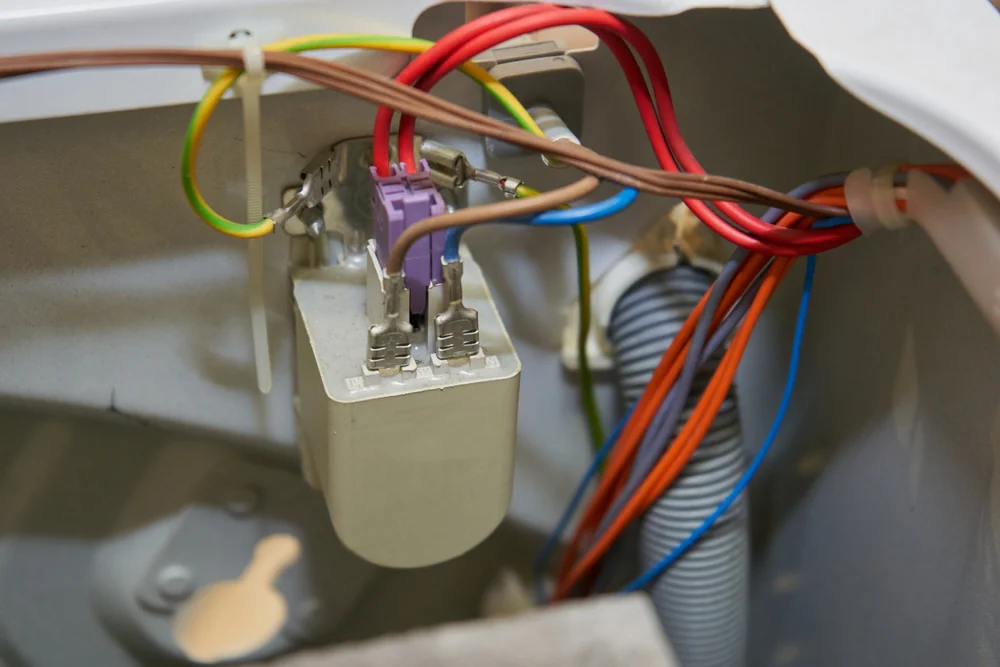
Close-up of electrical wires connected to terminals on a component inside an appliance, possibly a washing machine, with various colored wires and a gray hose visible.
A black circle with white number one.

System Assessment and Planning

We evaluate your electrical panel, grounding system, and specific protection needs to determine the right surge protective device for your home or business.

A bold white number 2 centered inside a solid black circle on a light gray background.

Professional Device Installation

A licensed electrician installs the surge protector at your main panel, connecting it properly to your service lines and grounding system for maximum protection.

A bold white number 3 is centered inside a solid black circle on a plain light gray background.

Testing and Walkthrough

We test the installation to confirm it's working correctly and show you the indicator lights so you know your system is actively protecting your property.