Electrical Company in Gibsonville, NC
Electrical Work Done Right the First Time
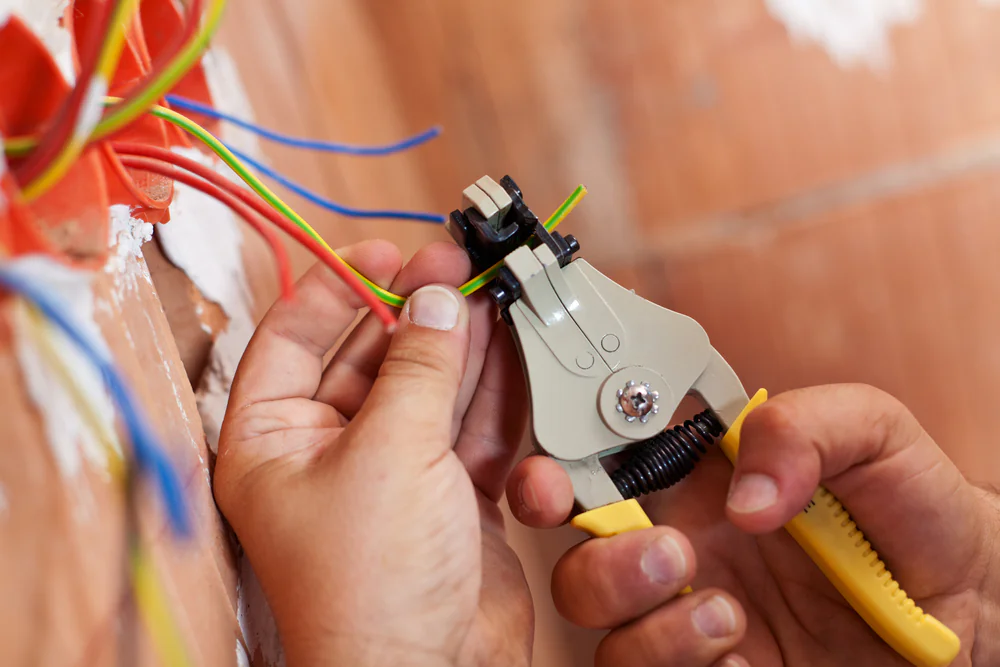

Licensed Electrical Contractor Gibsonville NC
You flip a switch and the lights come on. Your panel handles everything you plug in without tripping. Your generator kicks on the second the power goes out during another ice storm.
That’s what reliable electrical work looks like. No callbacks because something wasn’t done right. No surprises on the bill because you knew the cost before work started. No waiting around wondering if the electrician will actually show up.
Gibsonville homes built in the 70s and 80s weren’t designed for today’s electrical demands. Add an EV charger, a few smart devices, and modern appliances, and you’re pushing a system that’s already 40+ years old. Panels fail. Circuits overload. Outlets stop working.
You need an electrical contractor who understands how older homes are wired and what it takes to bring them up to code without ripping apart your walls. Someone who shows up on time, explains what needs to happen, and finishes the job so you don’t think about your electrical system again until you actually need to.
Local Electrical Company Gibsonville NC
ESP Electrical Service Providers is locally owned and operated by Andy Helton, a master electrician with over 35 years of experience. We’ve been serving residential and commercial customers across Alamance, Durham, Orange, and Chatham counties for more than 20 years.
We’re not a franchise. You’re not talking to a call center. When you contact us, you’re speaking directly with someone who knows your home, your neighborhood, and the electrical issues common in this area.
Gibsonville’s housing stock averages from the mid-70s. We’ve worked on hundreds of homes here, and we know what to expect when we open a panel or trace a circuit. Dead outlets, outdated wiring, undersized panels—we’ve seen it, fixed it, and warranted our work for up to 25 years.

Electrician Services Gibsonville NC
You call or contact us directly. No answering machine. You’ll speak with someone who can actually answer your questions and schedule a time that works for you.
We show up on time in a fully stocked truck. Most jobs don’t require a return trip for parts because we carry what’s needed for residential and commercial electrical work. Before we start, you get flat-rate pricing—you know exactly what it costs before we touch anything.
Our electricians are certified, experienced, and show up in uniform. We assess the issue, explain what’s happening, walk through your options, and complete the work. If it’s a panel upgrade, we pull permits and make sure everything meets current code. If it’s an emergency repair, we prioritize getting your power back safely.
When we’re done, we clean up and test everything. You’re not left with a mess or a half-finished job. And if something ever goes wrong with our work, we cover it—our labor warranty lasts up to 25 years.
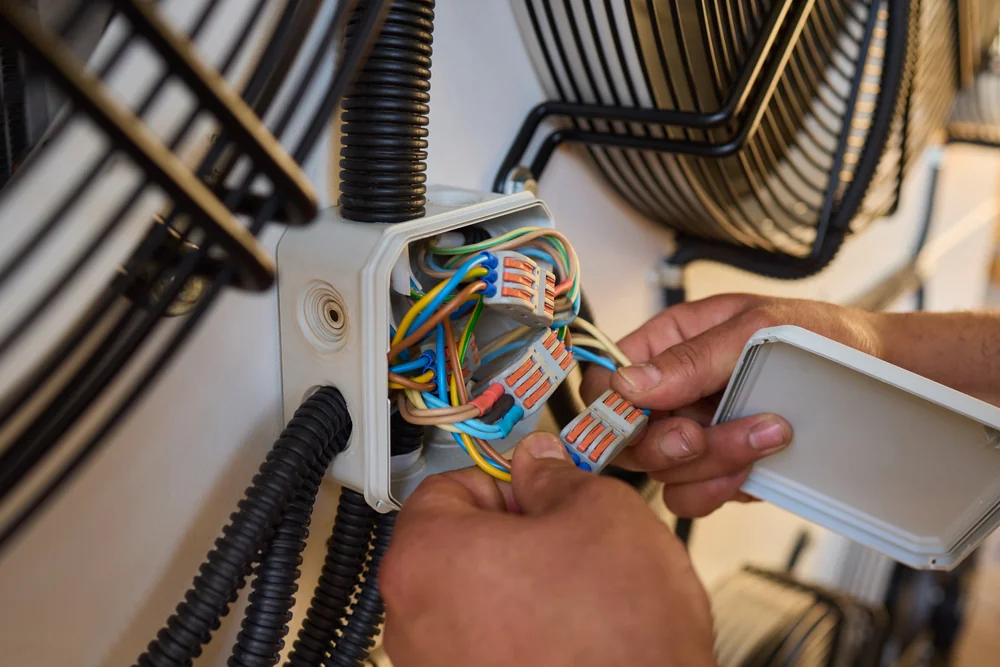
Residential Electrical Company Gibsonville NC
We handle residential and commercial electrical work across Gibsonville and Alamance County. That includes panel upgrades, circuit installations, outlet and switch replacements, lighting installations, electrical repairs, and full rewiring jobs.
Generator installations are a big part of what we do here. North Carolina’s ice storms knock out power for days, and Duke Energy reported over 42,000 outages in the last major storm. A whole-house generator means your heat stays on, your fridge keeps running, and you’re not scrambling for hotel rooms or throwing out food. We size the system correctly, pull permits, and make sure it’s wired to handle your home’s load.
EV charger installations are becoming more common as North Carolina pushes toward 1.25 million EVs on the road by 2030. Most Level 2 chargers need a 240-volt, 40-amp circuit. If your panel doesn’t have the capacity, we upgrade it. Costs typically run $1,500 to $3,500 depending on your current setup, and we walk you through what’s required before you commit.
We also handle commercial electrical services—office build-outs, lighting retrofits, code compliance work, and emergency repairs. If your business is in Gibsonville or the surrounding area, we’re equipped to keep your operations running.
How much does an electrical panel upgrade cost in Gibsonville?
Panel upgrades in Gibsonville typically range from $1,500 to $3,500, depending on your current panel size, the amperage you need, and whether we’re adding circuits for specific equipment like an EV charger or generator.
Most homes built before 1990 have 100-amp or 150-amp panels. If you’re adding modern electrical loads—EV chargers, HVAC upgrades, or a backup generator—you’ll likely need a 200-amp panel. The upgrade includes removing the old panel, installing the new one, updating the main breaker, and making sure everything meets current electrical code.
We provide flat-rate pricing before we start, so there’s no guessing. The price includes permits, inspection fees, and our labor warranty. If your home’s wiring is outdated or unsafe, we’ll let you know upfront what else needs attention.
Do I need a permit for electrical work in Gibsonville, NC?
Yes. Any electrical work that involves adding circuits, upgrading panels, or installing new equipment like generators or EV chargers requires a permit in Gibsonville and Alamance County.
Permits aren’t red tape—they ensure the work meets safety standards and passes inspection. If you ever sell your home, unpermitted electrical work can hold up the sale or force you to redo it. Insurance companies also deny claims if they find unpermitted work caused a fire or other damage.
We pull permits for every job that requires one, schedule inspections, and make sure everything passes. It’s built into our process, so you don’t have to worry about it. If a contractor tells you a permit isn’t necessary when it clearly is, that’s a red flag.
How long does it take to install a whole-house generator?
Most whole-house generator installations take one to two days, depending on the size of the generator, your home’s electrical setup, and whether we need to upgrade your panel first.
Day one usually involves site prep, setting the generator pad, running the gas or propane line, and making the electrical connections. Day two covers final wiring, testing the transfer switch, and running the generator through a full cycle to make sure it kicks on when the power drops.
If your panel needs an upgrade to handle the generator’s load, that adds time—usually another day. We coordinate permits and inspections as part of the process. Once it’s installed, we walk you through how it works, what maintenance it needs, and how to monitor it. Ice storms in North Carolina can knock out power for days, so having a generator that actually works when you need it matters.
Can my electrical panel handle an EV charger installation?
It depends on your panel’s current capacity and what else is running in your home. Most Level 2 EV chargers require a dedicated 240-volt, 40-amp circuit, which pulls a significant load.
If you have a 100-amp or 150-amp panel and it’s already near capacity, you’ll need an upgrade to a 200-amp panel. Homes in Gibsonville built before 1990 often fall into this category. We assess your panel during the estimate, check your current load, and let you know if an upgrade is necessary before installing the charger.
Skipping the upgrade and overloading your panel creates a fire risk and trips breakers constantly. We size everything correctly, pull permits, and make sure your system can handle the charger plus everything else in your home. The upfront cost might be higher, but it’s the right way to do it.
What should I do if my power goes out during a storm?
First, check if your neighbors have power. If they do, the issue is likely in your home—tripped breakers, a blown main, or damage to your service line. If the whole street is dark, it’s a utility issue, and you’ll need to wait for Duke Energy to restore service.
If the problem is inside your home, don’t try to reset breakers repeatedly or open your electrical panel if you’re not sure what you’re doing. Water and electricity don’t mix, and storm damage can create dangerous conditions. Call an electrician who offers emergency service.
We’re available 24/7 for electrical emergencies in Gibsonville and Alamance County. If your panel is damaged, your main breaker won’t reset, or you’re seeing sparks or burning smells, shut off power at the main if it’s safe to do so and call us. We’ll get your power back on safely, assess any damage, and make the necessary repairs. Ice storms are common here, and we’ve handled hundreds of storm-related electrical issues.
How do I know if my home's electrical wiring is outdated?
If your home was built before 1990, there’s a good chance your wiring needs attention. Common signs include outlets that don’t work, breakers that trip frequently, flickering lights, burning smells near outlets or switches, and two-prong outlets instead of three-prong grounded ones.
Older homes in Gibsonville often have aluminum wiring, cloth-insulated wiring, or undersized circuits that can’t handle modern electrical loads. These aren’t just inconveniences—they’re fire hazards. The National Fire Protection Association links outdated wiring to thousands of home fires every year.
We perform electrical safety inspections that check your wiring, panel, grounding, and circuit capacity. If something’s unsafe, we’ll explain what needs to be updated and why. You don’t have to rewire your entire home in most cases—targeted upgrades to problem areas usually solve the issue. We’ve worked on hundreds of older homes in this area, and we know what to look for.
About Us

Electrical Service Providers (ESP) has been in business since 2002. ESP started out performing wiring services to new construction, remodeling projects and residential homes. Our company’s president identified a market for electrical services to be performed in homes and businesses independent of new construction. Read More about Electrical Service Providers>>
All Rights Reserved.Organic Marketing LLC
Business Listings


Product Brands Used
Allied, Broan, Cutler Hammer, General Electric, Ideal, Juno, Kohler, Leviton, Lutron, Siemens, Square D
Contact
- Office Address: 3254 S Anthony Ct.
Burlington, NC 27215 - Mailing Address: PO Box 25
Alamance, NC 27201 - Phone: 336-228-3300
- E-mail: [email protected], [email protected]
Service Areas
Chapel Hill, Burlington, Carrboro, Durham, Gibsonville, Hillsborough, Graham, Pittsboro, Morrisville, Cary
About Us
Electrical Service Providers (ESP) has been in business since 2002. ESP started out performing wiring services to new construction, remodeling projects and residential homes. Our company’s president identified a market for electrical services to be performed in homes and businesses independent of new construction. Read More about Electrical Service Providers>>
All Rights Reserved.Organic Marketing LLC