Electrical Company in Mebane, NC
Your Electrical System Works, or We Fix It
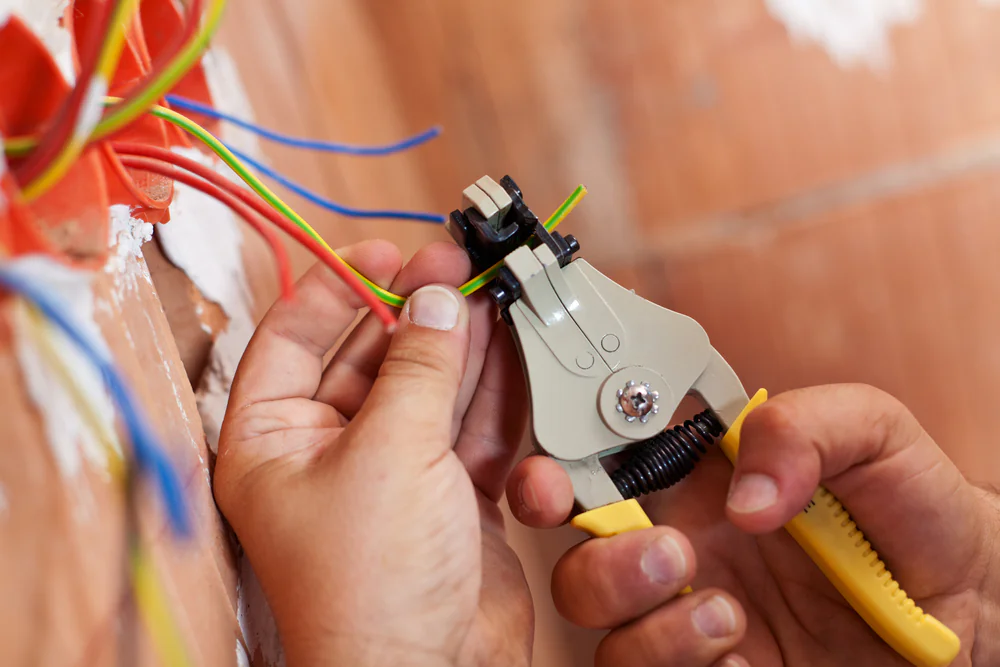

Licensed Electrical Contractor Mebane
You flip a switch and the lights come on. Your breaker doesn’t trip when you run the microwave and the dishwasher at the same time. Your outlets stay cool to the touch, and there’s no burning smell when you plug something in.
That’s what normal looks like. But if your home was built before 2000, there’s a good chance your electrical system wasn’t designed for how you live now. Smart thermostats, EV chargers, home offices with multiple monitors, high-efficiency HVAC systems—they all pull more power than the average 60-amp or 100-amp panel was built to handle.
When your system can’t keep up, you’ll notice it. Flickering lights when the AC kicks on. Breakers that trip for no clear reason. Outlets that feel warm after use. These aren’t quirks you live with—they’re signs your electrical system is working too hard. And when that happens, the risk isn’t just inconvenience. It’s safety.
You need someone who can evaluate what’s actually going on, explain it in plain terms, and give you a clear cost before any work starts. That’s what a local electrical company should do.
Local Electrical Company Mebane NC
ESP Electrical Service Providers has been serving Mebane and the surrounding areas for over 20 years. We’re locally owned and operated by Andy Helton, a Master Electrician with more than three decades of hands-on experience.
We’re not a call center. When you call, you talk to someone who actually works here. When we schedule a time, we show up. Our trucks are fully stocked, so we’re not making multiple trips or waiting on parts for basic jobs.
Mebane’s grown a lot since 2002. More homes, more businesses, more demand on aging electrical infrastructure. We’ve worked in subdivisions off Mebane Oaks Road, older homes near downtown, and commercial properties along NC-119. We know what the typical electrical setup looks like here, and we know what it takes to bring it up to code or expand capacity for modern use.

Electrician Services Mebane NC
First, you call or submit a request. You’ll speak with someone directly—no answering machine, no automated system. We’ll ask a few questions to understand what’s going on and schedule a time that works for you.
When we arrive, our technician will assess the situation. That might mean checking your panel, testing outlets, inspecting wiring, or tracing a circuit. Once we know what the problem is, we’ll explain it to you in plain language and give you a flat-rate price before we start any work.
If you approve, we get to work. Most of our trucks carry the parts and materials needed for common jobs, so there’s no delay waiting on a supply run. We’ll complete the work, test everything to make sure it’s functioning properly, and clean up before we leave.
You’ll know the cost upfront. You’ll know what we’re doing and why. And when we’re done, your electrical system will work the way it’s supposed to.
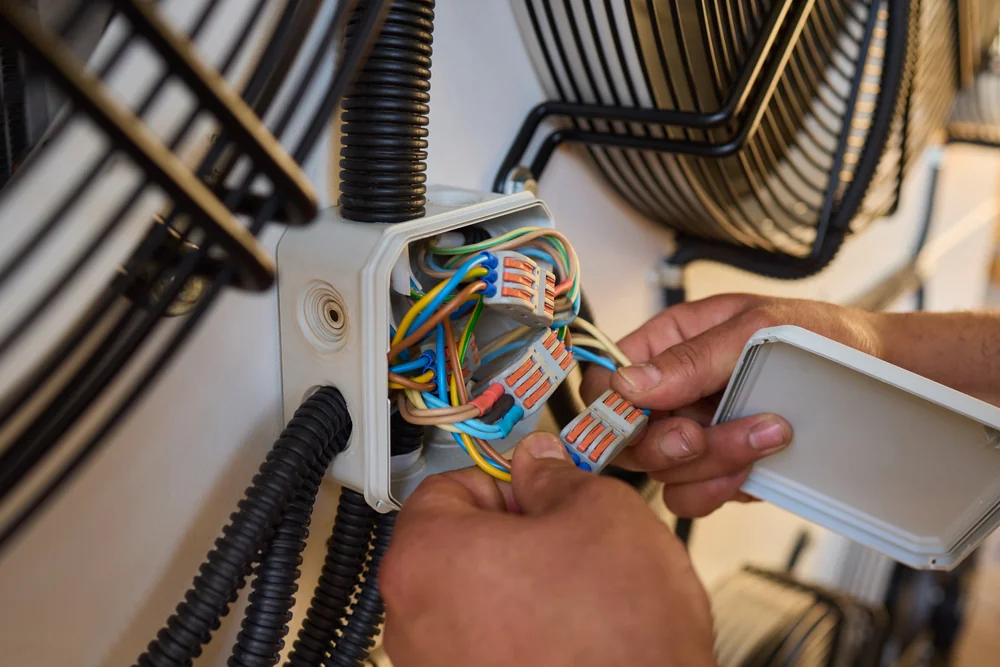
Residential Electrical Company Mebane NC
Electrical work covers a wide range, but most calls we get in Mebane fall into a few categories. Panel upgrades are common, especially in older homes that need more capacity for modern appliances or EV chargers. We also handle electrical repairs—outlets that don’t work, breakers that trip repeatedly, wiring that’s outdated or damaged.
If you’re adding something new to your home, like a generator, a hot tub, or dedicated circuits for a home office, that’s new installation work. It requires pulling permits, running new wire, and making sure everything is up to current code. We handle that process from start to finish.
For commercial properties in Mebane, the work is similar but scaled differently. Lighting retrofits, panel upgrades, troubleshooting electrical issues in multi-tenant buildings—it all requires the same attention to safety and code compliance, just with different load requirements and equipment.
North Carolina electrical code is specific, and it changes. A licensed electrical contractor stays current on those updates. That’s not just about passing inspection—it’s about making sure the work is safe and won’t cause problems down the road.
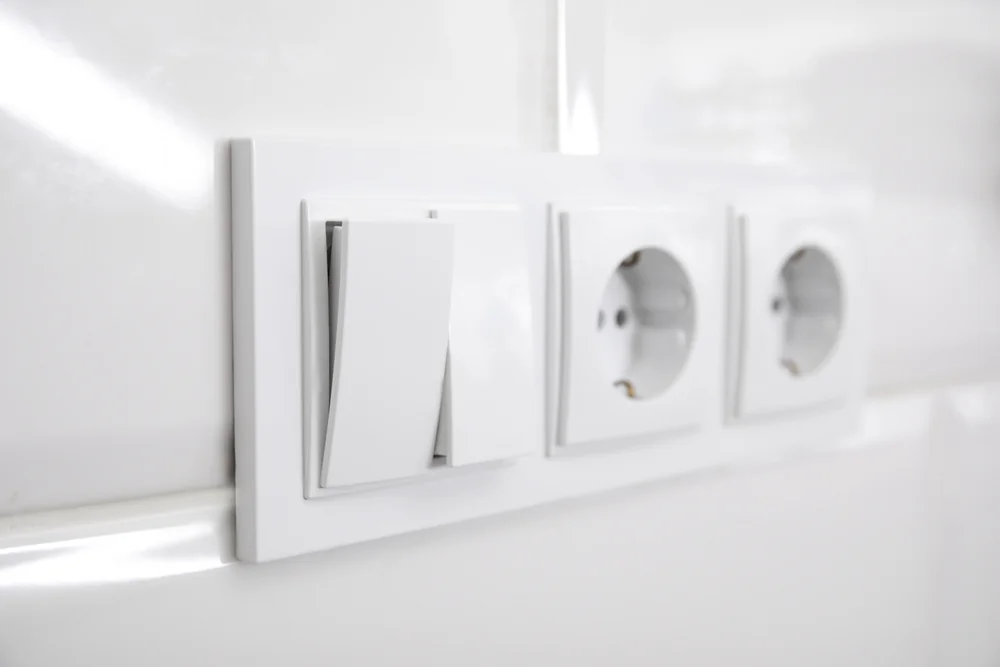
How do I know if my electrical panel needs to be upgraded?
If your breakers trip often, especially when you’re running multiple appliances, that’s a sign your panel is overloaded. Same goes for lights that dim when the AC or another large appliance kicks on. These are symptoms of a system that’s being asked to do more than it was designed for.
Most homes built before the 1990s have 100-amp or even 60-amp panels. That was fine when the biggest electrical draws were a refrigerator, a TV, and some lights. But today’s homes run computers, smart devices, high-efficiency HVAC systems, and sometimes EV chargers. All of that adds up fast.
Another reason to upgrade is if you’re adding something that requires a dedicated circuit—like a Level 2 EV charger, which typically needs a 40 to 60-amp circuit. If your panel doesn’t have the capacity or the physical space for additional breakers, an upgrade isn’t optional. It’s required to do the job safely and legally.
What's the difference between an electrician and a licensed electrical contractor?
In North Carolina, a licensed electrical contractor has passed the state licensing exam administered by the NC State Board of Examiners of Electrical Contractors. That license means they’re legally allowed to pull permits, design electrical systems, and oversee installations. It’s not just about knowing how to do the work—it’s about knowing the code and being accountable for it.
An electrician might work under a licensed contractor, and they might be highly skilled. But they can’t pull permits or sign off on work in their own name unless they hold the contractor license themselves. That distinction matters when something goes wrong or when you need to verify that the work was done to code.
When you hire a licensed electrical contractor, you’re hiring someone who’s accountable to the state board. If there’s an issue, there’s a clear line of responsibility. That’s not always the case with unlicensed or under-the-table work, which is why it’s worth asking for proof of licensing before you hire anyone.
Can I add an EV charger to my existing electrical system?
It depends on your panel’s capacity and how much power you’re already using. A Level 2 EV charger, which is what most people install at home, typically requires a 240-volt circuit with a 40 to 60-amp breaker. That’s a significant draw—comparable to running an electric dryer or a large air conditioning unit.
If your panel is already near capacity, adding that kind of load isn’t safe or legal. We’d need to upgrade your panel first, or at minimum, evaluate whether your current service can handle the additional demand. That means looking at your total amperage, what’s already on the system, and whether your main service line from the utility can support the increase.
Some homes can accommodate an EV charger with minor adjustments. Others need a full panel upgrade or even a service upgrade from the utility. The only way to know for sure is to have someone evaluate your specific setup and calculate the load. That’s not a guess—it’s math, and it’s required by code.
Why do my lights flicker when the AC turns on?
Flickering lights when a large appliance kicks on usually means your electrical system is struggling to handle the load. When your AC compressor starts, it draws a surge of power. If your panel or your wiring can’t deliver that power smoothly, the voltage dips for a moment—and your lights flicker.
This can happen for a few reasons. Your panel might be undersized for your home’s current electrical demand. Your wiring might be old or inadequate for the load. Or you might have a loose connection somewhere in the system that’s causing resistance. Any of those issues can create the same symptom.
It’s not something you should ignore. Flickering lights are a sign that your system is working harder than it should, and that can lead to bigger problems—overheating, damaged equipment, or even electrical fires. The fix might be as simple as tightening a connection, or it might require a panel upgrade. Either way, it’s worth having someone take a look.
How much does it cost to upgrade an electrical panel in Mebane?
Panel upgrades typically range from $1,500 to $4,000, depending on the scope of work. If you’re going from a 100-amp panel to a 200-amp panel and the main service line from the utility can handle it, you’re on the lower end. If you need a full service upgrade—including new wiring from the meter to the panel, coordination with the utility company, and a new meter base—you’re looking at the higher end.
Every home is different. The age of your wiring, the location of your panel, whether you need to bring anything up to current code—all of that affects the final cost. That’s why we give you a flat-rate price after we assess the job. You’ll know what it costs before we start, and that price won’t change unless you ask us to do additional work.
We don’t charge by the hour, so you’re not watching the clock while we work. You’re paying for the job, and we’re not done until it’s complete and you’re satisfied. That’s how pricing should work.
Do I need a permit for electrical work in Mebane?
Yes, most electrical work in Mebane requires a permit. That includes panel upgrades, new circuits, service upgrades, and any work that involves opening walls or adding new wiring. The permit process exists to make sure the work is inspected and meets current electrical code.
When you hire a licensed electrical contractor, pulling the permit is part of the job. We submit the application, schedule the inspection, and make sure everything passes. You don’t have to deal with the county or chase down inspectors—that’s on us.
Some homeowners try to skip the permit to save money or avoid the hassle. That’s a mistake. If you ever sell your home, unpermitted work can kill a deal or force you to pay for expensive corrections. And if something goes wrong—a fire, an injury, an insurance claim—unpermitted work can void your coverage. It’s not worth the risk. Do it right the first time.
Other Services we provide in Mebane
About Us

Electrical Service Providers (ESP) has been in business since 2002. ESP started out performing wiring services to new construction, remodeling projects and residential homes. Our company’s president identified a market for electrical services to be performed in homes and businesses independent of new construction. Read More about Electrical Service Providers>>
All Rights Reserved.Organic Marketing LLC
Business Listings


Product Brands Used
Allied, Broan, Cutler Hammer, General Electric, Ideal, Juno, Kohler, Leviton, Lutron, Siemens, Square D
Contact
- Office Address: 3254 S Anthony Ct.
Burlington, NC 27215 - Mailing Address: PO Box 25
Alamance, NC 27201 - Phone: 336-228-3300
- E-mail: [email protected], [email protected]
Service Areas
Chapel Hill, Burlington, Carrboro, Durham, Gibsonville, Hillsborough, Graham, Pittsboro, Morrisville, Cary
About Us
Electrical Service Providers (ESP) has been in business since 2002. ESP started out performing wiring services to new construction, remodeling projects and residential homes. Our company’s president identified a market for electrical services to be performed in homes and businesses independent of new construction. Read More about Electrical Service Providers>>
All Rights Reserved.Organic Marketing LLC