Electrical Contractor in Apex, NC
Your Power Stays On When It Matters Most
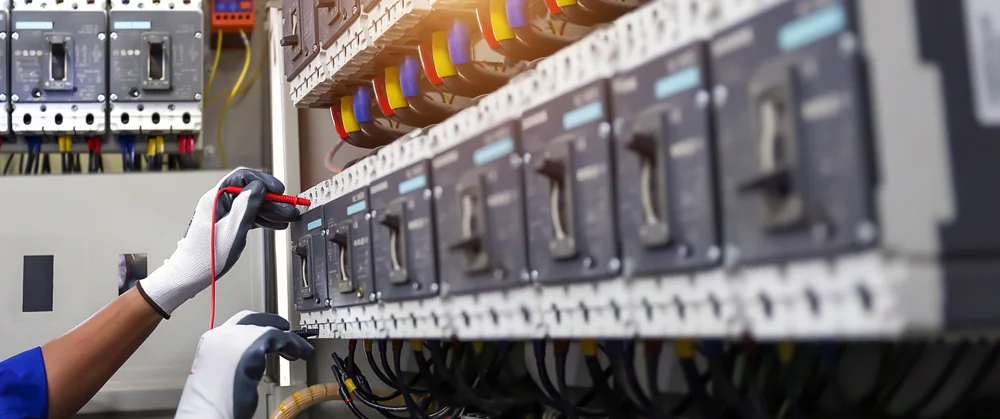
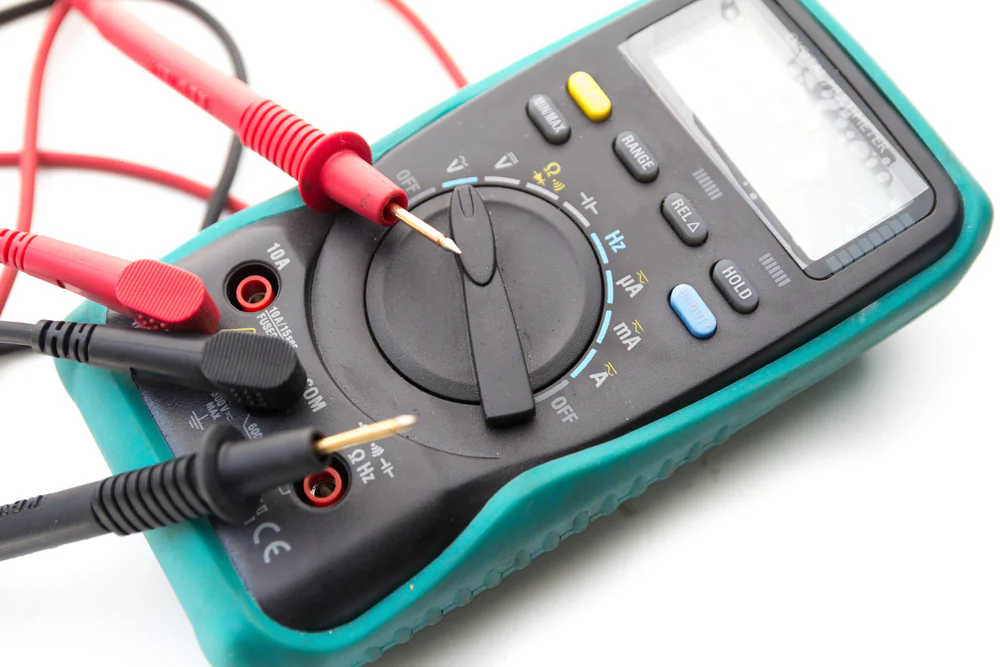
Licensed Electrician Services in Apex
Your home uses more power today than it did even five years ago. EV chargers, smart home devices, home offices, multiple HVAC zones—the demand keeps climbing. Most homes built before 2010 weren’t wired for this load, and you’ll feel it when breakers trip during normal use or when you can’t add the equipment you actually need.
Modern electrical infrastructure isn’t about luxury. It’s about capacity, safety, and avoiding the kind of failures that happen at the worst possible time. You need a system that handles your actual electrical demand without pushing outdated panels past their limits.
That’s what proper electrical work delivers. Enough capacity for what you’re running today and what you’ll add tomorrow. Backup power that kicks in automatically when storms knock out the grid. Wiring that supports the smart home integration everyone’s moving toward. The confidence that your electrical system won’t be the thing that fails when you need it most.
Local Electrical Company Since 2002
ESP Electrical Service Providers started in 2002, back when Apex was a fraction of its current size. We began with new construction wiring and expanded into full residential and commercial electrical services as the town grew around us. Our owner, Andy Helton, is a Master Electrician with over 35 years of experience, and you can speak with him directly—no phone trees, no runaround.
We know Apex electrical systems because we’ve been installing, repairing, and upgrading them for over two decades. We’ve seen how storms hit this area, which neighborhoods have older infrastructure, and what electrical issues come up most often in homes built during different decades. That local knowledge matters when you’re troubleshooting problems or planning upgrades.
Our trucks are fully stocked, our pricing is flat-rate so you know costs upfront, and we’ve been serving the same community long enough that our reputation depends on doing the work right.
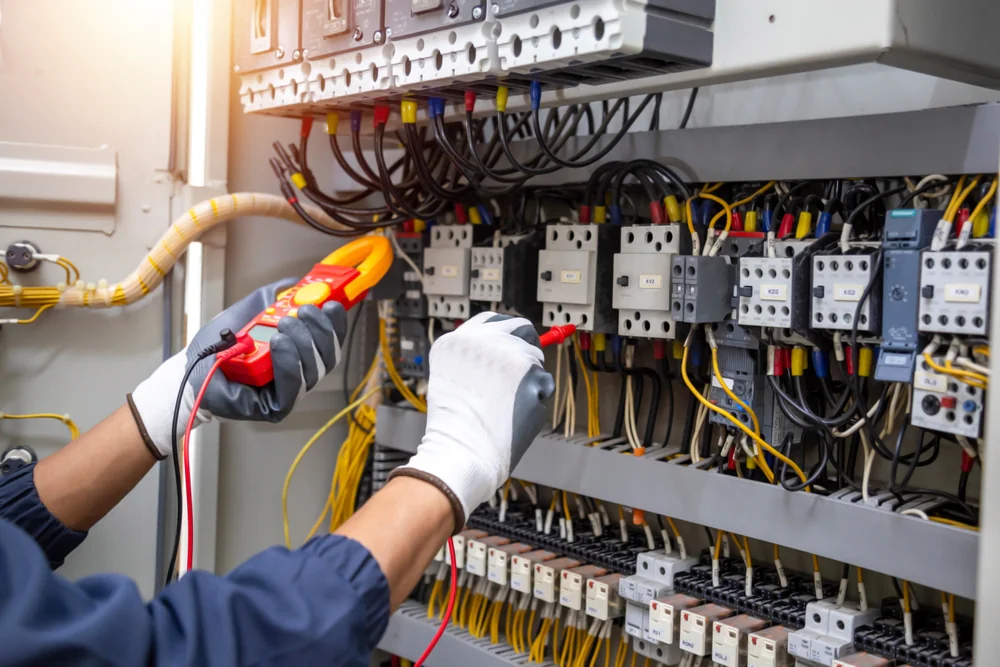
Electrical Repair Process in Apex
You reach out by phone, email, or text—whatever works for you. Our office manager has been with us since 2002, so you’re talking to someone who knows our team, our capabilities, and how to match the right technician to your specific issue. No answering machines.
We schedule a time that fits your availability and dispatch a fully stocked truck. Our technicians show up in uniform, assess the situation, and give you flat-rate pricing before any work starts. You’ll know exactly what it costs, what we’re doing, and why it’s necessary. No surprises, no hourly billing that drags on.
Once you approve, we complete the work. For straightforward jobs, that’s often the same visit. For larger projects like panel upgrades or generator installations, we map out a timeline and keep you updated as we go. When we’re done, we test everything, clean up completely, and make sure you understand what was done. You don’t pay until you’re satisfied.
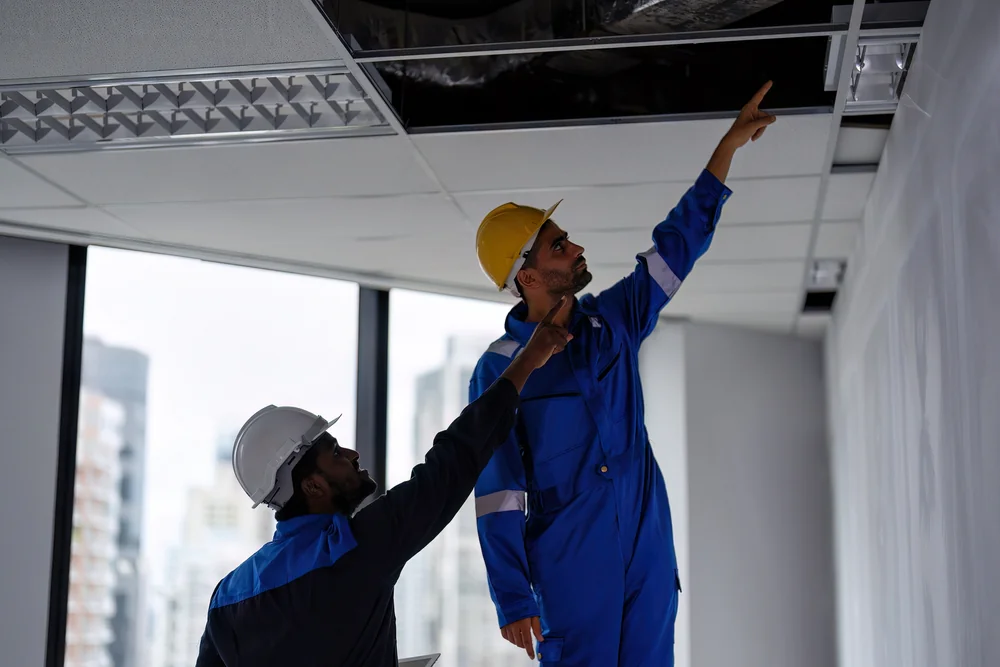
Commercial Electrical Services in Apex
Electrical contractor services cover the full range of what keeps power flowing reliably in your home or business. Panel upgrades give you the capacity to handle modern electrical loads—critical if you’re adding EV charging, solar storage, or whole-home automation systems. Emergency electrical repair handles the urgent stuff: outages, sparking outlets, tripped breakers that won’t reset, or any situation where safety is at risk.
Generator installation is one of our most requested services in Apex, and for good reason. Storms here knock out power regularly, and even underground lines go down when aboveground distribution fails or flooding blocks access. An automatic standby generator keeps your refrigeration, HVAC, medical equipment, and home office running without you lifting a finger.
We also handle EV charger installation, landscape lighting, smart home wiring, code compliance upgrades, and commercial electrical work for facilities that can’t afford downtime. Apex is growing fast—over 30% of new vehicle purchases are electric, and smart home adoption is expected to hit nearly 90% of U.S. households by next year. Your electrical system needs to keep pace with that, and most older systems simply weren’t designed for it.

How do I know if my electrical panel needs an upgrade?
If your breakers trip during normal use—running the dryer while the AC is on, plugging in a space heater, charging an EV—that’s a clear sign your panel is overloaded. Most homes built before 2010 have 100-amp or 150-amp panels designed for much lower electrical demand. Today’s homes need 200 amps or more to handle modern appliances, HVAC systems, smart devices, and EV chargers without constantly tripping breakers.
Other warning signs include dimming lights when large appliances kick on, a panel that feels warm to the touch, or visible rust and corrosion on the panel box itself. If you’re planning any major electrical additions—like a generator, EV charger, or solar battery storage—your existing panel likely won’t support the load, and an upgrade becomes necessary before that equipment can be installed.
We can assess your current panel capacity, measure your actual load, and tell you exactly whether an upgrade is needed or if your system can handle what you’re planning. It’s a straightforward evaluation, and it prevents bigger problems down the road.
What should I do if I hear buzzing from an outlet or panel?
Stop using that outlet or circuit immediately and call us. Buzzing sounds indicate electrical arcing, which means current is jumping across a gap it shouldn’t be. That creates heat, damages wiring, and can start fires. It’s not something that gets better on its own, and it’s not safe to ignore.
Arcing usually happens because of loose connections, damaged wiring, or faulty breakers. Over time, connections can loosen from thermal expansion and contraction, especially in older homes. If the buzzing is coming from your electrical panel, that’s even more urgent—it could mean a main breaker or bus bar connection is failing, which affects your entire electrical system.
We’ll identify the source of the arcing, determine whether it’s a localized issue or part of a larger problem, and make the necessary repairs. This isn’t a DIY situation. Electrical arcing is a fire hazard, and it requires someone who knows how to work safely with live electrical systems.
How long does a whole-house generator installation take in Apex?
Most whole-house generator installations take two to three days from start to finish, depending on your home’s existing electrical setup and whether we need to run a new gas line or upgrade your panel first. The process includes site evaluation, equipment delivery, concrete pad installation, electrical connections, gas line hookup, and final testing with your utility provider.
We start by assessing your home’s electrical load to size the generator correctly—you want enough capacity to run essential systems like HVAC, refrigeration, well pumps, and home offices without overloading the unit. Then we coordinate with your gas provider if you’re using natural gas, or arrange propane tank installation if that’s your fuel source. The generator sits on a concrete pad outside your home, connected to your electrical panel through an automatic transfer switch that detects outages and starts the generator within seconds.
After installation, we test the system to make sure it starts reliably, runs at the correct voltage, and switches back to utility power once the grid is restored. Apex gets hit with storm-related outages regularly, and a properly installed generator means you won’t be without power for days waiting for crews to restore service across hundreds of downed lines.
Can you install an EV charger if my home has an older electrical panel?
It depends on your current panel capacity and what else is running on your system. Level 2 EV chargers—the kind most people install at home—draw 30 to 50 amps continuously while charging. If your panel is already near capacity, adding that load will trip breakers or create unsafe conditions. Most homes with 100-amp or older 150-amp panels don’t have the headroom for a dedicated EV charging circuit without an upgrade.
We’ll assess your total electrical load, measure what your panel can actually handle, and tell you whether an upgrade is necessary before installing the charger. In many cases, upgrading to a 200-amp panel solves the problem and gives you capacity for future additions like battery storage or additional EV chargers if you end up with multiple electric vehicles.
If your panel does have available capacity, installation is straightforward—we run a dedicated circuit from the panel to your garage or carport, install the charging station, and make sure everything is properly grounded and code-compliant. Either way, you’ll know upfront what’s required, what it costs, and how long it takes. EV charger installation is one of our most common requests now, and we’ve handled enough of them to streamline the process.
What's the difference between an emergency electrician and a regular service call?
Emergency electrical service is for situations that pose immediate safety risks or leave you without power entirely—things like sparking outlets, burning smells from your panel, complete power loss, or exposed wiring. These issues can’t wait until normal business hours because they create fire hazards or leave your home uninhabitable. Emergency response means we prioritize your call and get someone to you as quickly as possible, often the same day.
Regular service calls cover everything else: installing new outlets, upgrading lighting, troubleshooting circuits that aren’t working correctly, or planned projects like panel upgrades and generator installations. These are scheduled during normal hours at standard rates, and while they’re important, they don’t carry the same urgency as a safety hazard.
If you’re not sure whether your situation qualifies as an emergency, call and describe what’s happening. We’ll tell you whether it needs immediate attention or if it can be scheduled as a standard service call. We’d rather have you call and ask than ignore something that turns into a bigger problem. Electrical issues don’t improve with time—they get worse.
How much does it cost to hire an electrical contractor in Apex, NC?
Electrical work is priced based on what you need done, not by the hour. We use flat-rate pricing, which means you know the cost before we start. A simple outlet repair might run a couple hundred dollars. A full panel upgrade typically ranges from $2,000 to $4,000 depending on your home’s size and complexity. Whole-house generator installations usually fall between $8,000 and $15,000, depending on the generator size and whether gas line work is required.
The advantage of flat-rate pricing is transparency—you’re not watching the clock wondering how much this is going to cost. We assess the job, tell you the price, and you decide whether to move forward. No surprises, no hourly billing that stretches out longer than expected.
What affects cost most is the scope of work and the condition of your existing electrical system. Older homes often need additional work to bring things up to code, which adds to the total. But you’ll know all of that upfront. We’re not the cheapest option in Apex, and that’s intentional—you’re paying for licensed electricians with decades of experience, fully stocked trucks that complete jobs in one trip, and work that’s done right the first time.
Other Services we provide in Apex
About Us

Electrical Service Providers (ESP) has been in business since 2002. ESP started out performing wiring services to new construction, remodeling projects and residential homes. Our company’s president identified a market for electrical services to be performed in homes and businesses independent of new construction. Read More about Electrical Service Providers>>
All Rights Reserved.Organic Marketing LLC
Business Listings


Product Brands Used
Allied, Broan, Cutler Hammer, General Electric, Ideal, Juno, Kohler, Leviton, Lutron, Siemens, Square D
Contact
- Office Address: 3254 S Anthony Ct.
Burlington, NC 27215 - Mailing Address: PO Box 25
Alamance, NC 27201 - Phone: 336-228-3300
- E-mail: [email protected], [email protected]
Service Areas
Chapel Hill, Burlington, Carrboro, Durham, Gibsonville, Hillsborough, Graham, Pittsboro, Morrisville, Cary
About Us
Electrical Service Providers (ESP) has been in business since 2002. ESP started out performing wiring services to new construction, remodeling projects and residential homes. Our company’s president identified a market for electrical services to be performed in homes and businesses independent of new construction. Read More about Electrical Service Providers>>
All Rights Reserved.Organic Marketing LLC