Electrical Contractor in Cedar Grove, NC
Electrical Work Done Right the First Time
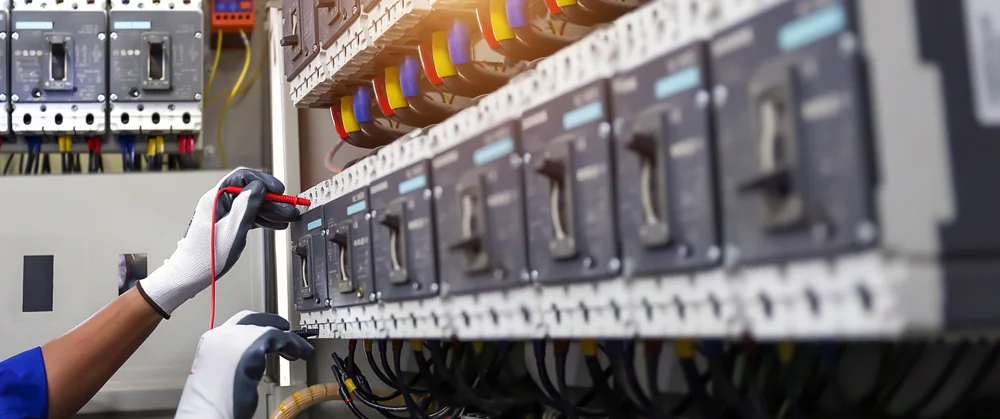
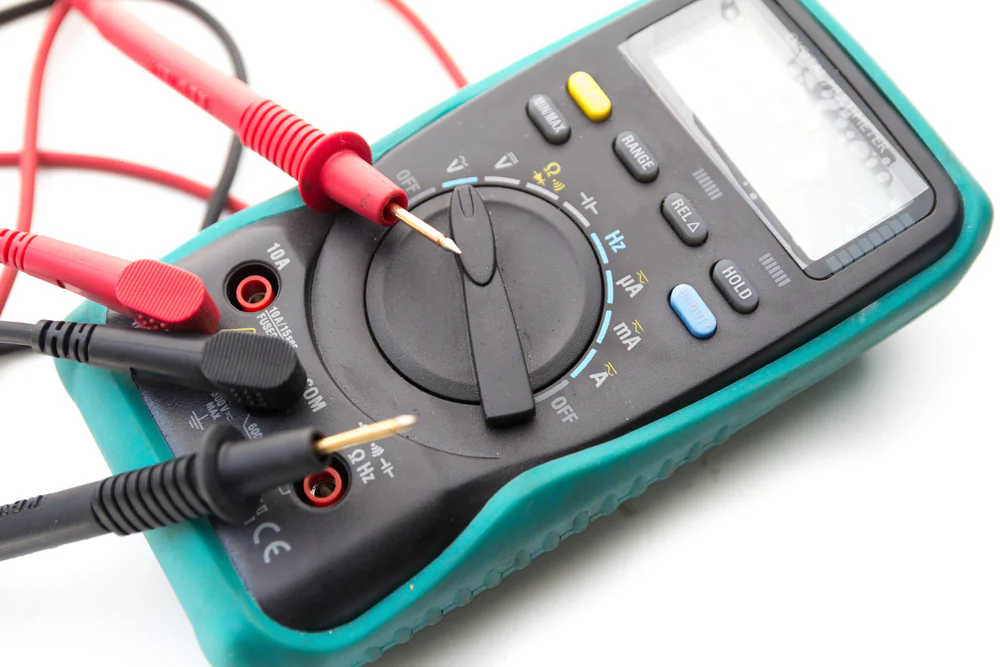
Licensed Electrician Services in Cedar Grove
You’re not looking for an electrician because everything’s going great. Something’s wrong, unsafe, or about to fail. Maybe your panel’s overloaded and tripping breakers every time you run the dryer. Maybe you lost power during the last storm and realized you have no backup plan. Or maybe you’re staring at flickering lights and wondering if your house is about to catch fire.
Here’s what changes when you work with us. Your breakers stop tripping because your panel can handle your home’s actual load. Your generator kicks on automatically when the power goes out, so your fridge stays cold and your sump pump keeps running. Your outlets work without sparking, your lights stay steady, and you’re not lying awake wondering if your wiring is a fire hazard.
You get flat-rate pricing before any work starts, so there’s no surprise bill at the end. You get a fully stocked truck that shows up ready to finish the job, not make another trip for parts. And you get a lifetime warranty on labor, because electrical work should last decades, not months.
Local Electrical Company Since 2002
We’ve been serving Cedar Grove, Durham, Orange, and Alamance counties since 2002. We started doing new construction wiring, but we kept getting calls from people who needed help now, not when it fit a builder’s schedule. So we became a service contractor focused entirely on responding when you actually need us.
Andy Helton, our master electrician, has been doing this for over 35 years. He’s seen every kind of electrical problem North Carolina weather can create. Ice storms that snap power lines. Lightning strikes that fry panels. Winter surges that overload aging wiring. We know what fails first in older homes around here, and we know how to fix it so it doesn’t fail again.
You’ll talk to a real person when you call, not a voicemail system. Our trucks are fully stocked so we’re not running to the supply house mid-job. And we clean up before we leave, because you shouldn’t have to sweep up after paying for electrical work.
How Electrical Repairs Work in Cedar Grove
You call and talk to a real person who listens to what’s going on. We ask questions to understand whether this is an emergency that needs same-day service or something we can schedule in the next few days. If your panel’s smoking or you smell burning plastic, we’re coming now. If you’re planning a panel upgrade or generator installation, we’ll set up a time that works for you.
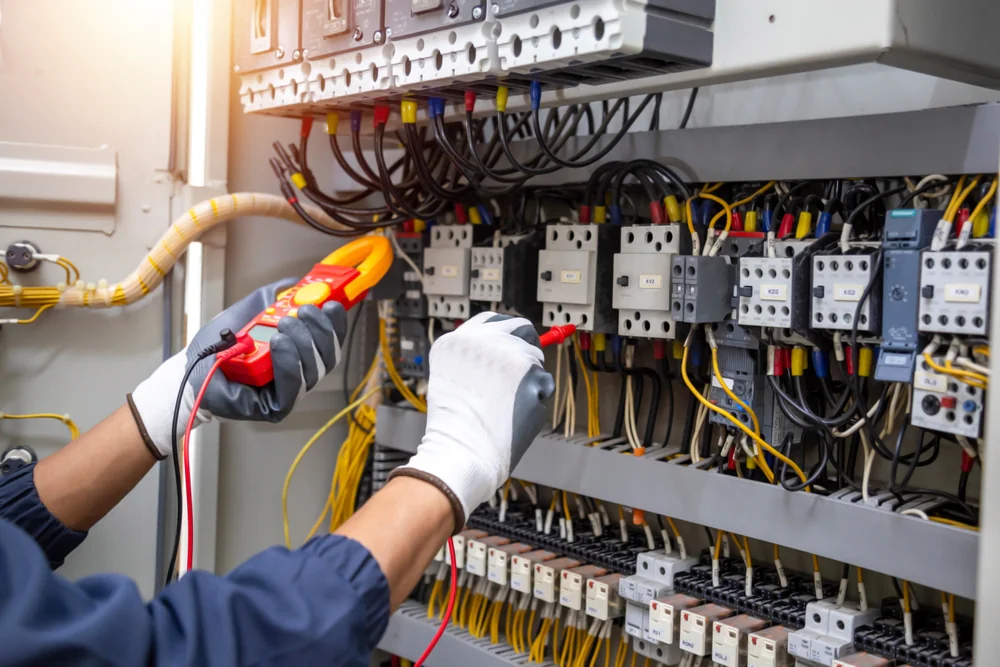
When we arrive, we diagnose the actual problem, not just the symptom. A tripping breaker might mean you need a bigger breaker, or it might mean your panel’s undersized for your home’s load, or it might mean you have a short somewhere in the circuit. We figure out which one it is before we start work. Then we give you a flat-rate price for the repair. You know what it costs before we touch anything.
Once you approve the work, we do it right there. Our trucks carry the parts and materials for most common repairs and installations, so we’re not leaving to grab supplies. We test everything when we’re done to make sure it works and it’s safe. Then we clean up, walk you through what we did, and leave you with a warranty that covers our labor for up to 25 years. If something goes wrong with the work we did, we come back and fix it.
Commercial and Residential Electrical Services
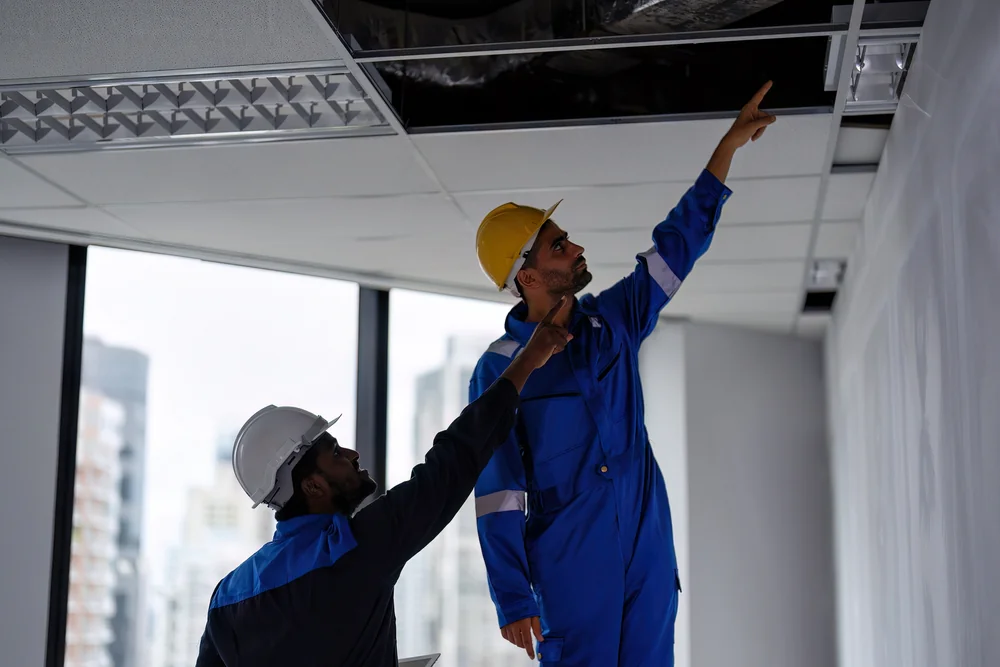
Emergency electrical repairs cover everything that can’t wait until tomorrow. Panel failures, complete power loss, burning smells, sparking outlets, and anything else that’s actively dangerous. We’re available after hours because electrical emergencies don’t happen on a schedule. If you’re dealing with something that could start a fire or leave you without power overnight, that’s what emergency service is for.
Panel upgrades handle homes that have outgrown their electrical systems. Most older homes in Cedar Grove and Durham County were built with 100-amp panels that can’t support modern loads. Add a heat pump, an electric vehicle charger, or a few more appliances, and you’re constantly resetting breakers. Upgrading to a 200-amp panel gives you the capacity you actually need. It also reduces fire risk, because overloaded panels are one of the top causes of electrical fires in North Carolina.
Generator installations give you backup power when storms knock out the grid. North Carolina saw major outages in 2024 from hurricanes and ice storms, and those outages lasted days in some areas. A standby generator kicks on automatically when you lose power, so your heat stays on, your food doesn’t spoil, and your sump pump keeps your basement dry. We size the generator based on what you actually need to run, install it to code, and make sure it’s ready before the next storm hits.
Circuit breaker replacements, outlet installations, and whole-house rewiring round out the residential electrical services most homes eventually need. If your house was built before 1990, there’s a good chance your wiring doesn’t meet current safety standards. We can assess what needs updating and what’s still safe, so you’re not replacing things that don’t need replacing.

How much does it cost to upgrade an electrical panel in Cedar Grove?
Panel upgrades in Cedar Grove typically run between $2,000 and $5,000, depending on the size of the panel, the complexity of your existing wiring, and whether we need to relocate the panel to meet current code. A straightforward upgrade from a 100-amp panel to a 200-amp panel in an accessible location costs less than a panel that’s buried in a finished basement or requires a service line upgrade from the utility.
We give you a flat-rate price before we start, so you know exactly what you’re paying. That price includes the new panel, all the materials, the labor, and the permit and inspection fees. There are no hourly charges or surprise add-ons at the end.
Most panel upgrades take one full day. We shut off your power at the meter, install the new panel, reconnect all your circuits, and get everything inspected and approved before we leave. You’ll have power back on the same day unless we run into something unusual, like knob-and-tube wiring that needs to be replaced before we can safely connect it to a new panel.
Do I really need a licensed electrical contractor, or can a handyman do this?
North Carolina requires a licensed electrical contractor for any electrical work beyond changing a light bulb or outlet cover. That’s not just a legal requirement—it’s a safety requirement. Electrical work that’s done wrong can kill someone or burn your house down. It happens every year.
A licensed contractor has passed state exams, carries insurance, and pulls permits for work that requires inspection. If something goes wrong, you’re covered. If a handyman does unpermitted electrical work and your house catches fire, your insurance company can deny your claim. That’s not a theoretical risk. Insurance companies actively look for unpermitted work when they investigate fire claims.
We also know current code requirements, which change regularly. Older homes in Cedar Grove often have wiring that was legal when it was installed but doesn’t meet today’s safety standards. We know what needs updating and what’s grandfathered in. A handyman might not know the difference, and that puts you at risk.
How long does a standby generator installation take?
Most standby generator installations take two to three days from start to finish. Day one is site prep and concrete pad installation. The generator sits on a concrete pad that’s level and stable, and that concrete needs 24 hours to cure before we can set the generator on it.
Day two is setting the generator, running the gas line or propane connection, and running the electrical connection from the generator to your transfer switch. The transfer switch is what automatically disconnects your home from the grid and switches over to generator power when you lose electricity. We install that inside your panel, so your generator can power your whole house or just the circuits you’ve prioritized.
Day three is startup, testing, and final inspection. We fire up the generator, make sure it’s producing clean power at the right voltage, and test the automatic transfer to make sure everything switches over smoothly when the power goes out. Then we walk you through how to monitor it and what maintenance it needs. Most generators need an oil change and filter replacement once a year, similar to a car.
What causes circuit breakers to keep tripping?
Circuit breakers trip when they’re overloaded, when there’s a short circuit, or when the breaker itself is worn out. Overloading happens when you’re pulling more amps through a circuit than it’s rated for. If you’re running a space heater, a hair dryer, and a vacuum cleaner on the same 15-amp circuit, that breaker’s going to trip. The solution is either redistributing your load across different circuits or upgrading your panel so you have more circuits to work with.
Short circuits happen when a hot wire touches a neutral wire or ground wire, creating a sudden surge of current that trips the breaker instantly. That’s usually caused by damaged wiring, a failing appliance, or a loose connection inside an outlet or switch. You’ll need us to trace the short and fix whatever’s causing it.
Worn-out breakers trip even when there’s no overload or short. Breakers have a limited lifespan, and after 20 or 30 years of use, the internal mechanism can weaken. If your breaker trips and won’t reset, or if it feels loose and wobbly when you flip it, the breaker itself is probably shot. Replacing a breaker is straightforward, but it requires working inside a live panel, so it’s not a DIY job.
How do I know if my home's wiring is unsafe?
Flickering lights, warm or discolored outlets, burning smells, and frequently tripping breakers are all signs your wiring might be unsafe. Flickering lights can mean loose connections, undersized wiring, or a failing circuit. Outlets that feel warm to the touch or have black scorch marks around the plug openings are overheating, which means they’re pulling more current than they’re designed to handle.
Burning smells, especially near your panel or outlets, mean something’s overheating right now. That’s an emergency. Shut off power to that circuit and call us immediately. Electrical fires start small and spread fast, and most of them start inside walls where you can’t see them until it’s too late.
Homes built before 1970 often have wiring that doesn’t meet current safety standards. Aluminum wiring, knob-and-tube wiring, and ungrounded outlets are all common in older homes around Cedar Grove and Durham County. None of those are automatically dangerous, but they do require specific upgrades and maintenance to stay safe. We can inspect your wiring and tell you what needs attention now versus what can wait.
What should I do if I lose power during a storm?
Check whether your neighbors lost power too. If the whole street is dark, it’s a grid issue and you need to report the outage to your utility company. If you’re the only house without power, the problem’s on your side of the meter. Check your main breaker first—sometimes a surge will trip it. If the main breaker’s on and you still don’t have power, call us.
If you have a standby generator, it should kick on automatically within 10 to 15 seconds of losing grid power. If it doesn’t, check the generator’s control panel for error codes. Most generator failures are fuel-related—either the gas valve didn’t open or the propane tank’s empty. If you don’t see an obvious issue, call us for service.
If you don’t have a generator and you’re facing an extended outage, your biggest risks are frozen pipes in winter and spoiled food in summer. Turn off your main breaker to protect your appliances from power surges when the grid comes back on. Unplug sensitive electronics like computers and TVs. And if the outage lasts more than a day, consider whether a generator installation makes sense for next time. Extended outages are becoming more common in North Carolina, and a generator pays for itself the first time it keeps your heat running through a winter storm.
Other Services we provide in Cedar Grove
About Us

Electrical Service Providers (ESP) has been in business since 2002. ESP started out performing wiring services to new construction, remodeling projects and residential homes. Our company’s president identified a market for electrical services to be performed in homes and businesses independent of new construction. Read More about Electrical Service Providers>>
All Rights Reserved.Organic Marketing LLC
Business Listings


Product Brands Used
Allied, Broan, Cutler Hammer, General Electric, Ideal, Juno, Kohler, Leviton, Lutron, Siemens, Square D
Contact
- Office Address: 3254 S Anthony Ct.
Burlington, NC 27215 - Mailing Address: PO Box 25
Alamance, NC 27201 - Phone: 336-228-3300
- E-mail: [email protected], [email protected]
Service Areas
Chapel Hill, Burlington, Carrboro, Durham, Gibsonville, Hillsborough, Graham, Pittsboro, Morrisville, Cary
About Us
Electrical Service Providers (ESP) has been in business since 2002. ESP started out performing wiring services to new construction, remodeling projects and residential homes. Our company’s president identified a market for electrical services to be performed in homes and businesses independent of new construction. Read More about Electrical Service Providers>>
All Rights Reserved.Organic Marketing LLC