
Hear from Our Customers

You’ve invested thousands in your home’s electronics and appliances. Your smart TV, HVAC system, refrigerator, computer setup—all of it contains delicate circuitry that’s vulnerable to voltage spikes.
Most people think surge protection means those power strips from the hardware store. Those only protect what’s plugged into them, and they can’t handle the big surges that really matter.
A whole home surge protector works differently. It catches surges at your electrical panel before they reach any outlet in your house. Every appliance gets protected—even the ones that can’t plug into a power strip.
We’ve been serving Cedar Grove and the surrounding areas for over 20 years. We understand how North Carolina’s frequent thunderstorms and power fluctuations put your home at risk.
Our licensed and insured electricians use flat-rate pricing, so you know exactly what you’re paying before we start. We show up in uniform, in fully stocked trucks, and we clean up when we’re done.
We back our work with a lifetime warranty on labor because we believe in doing the job right the first time.
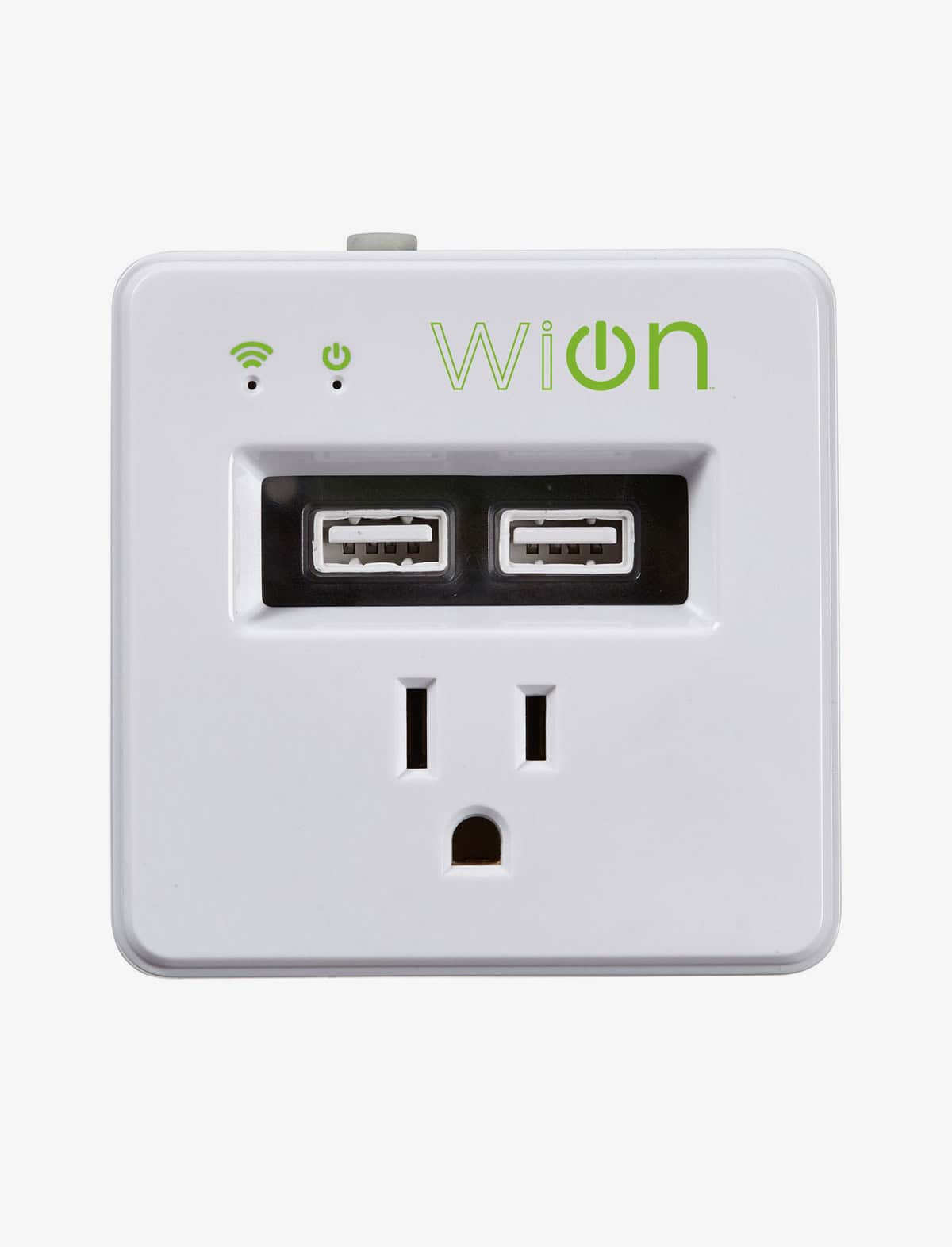
Installing a whole home surge protector is straightforward when you work with professionals who know what they’re doing.
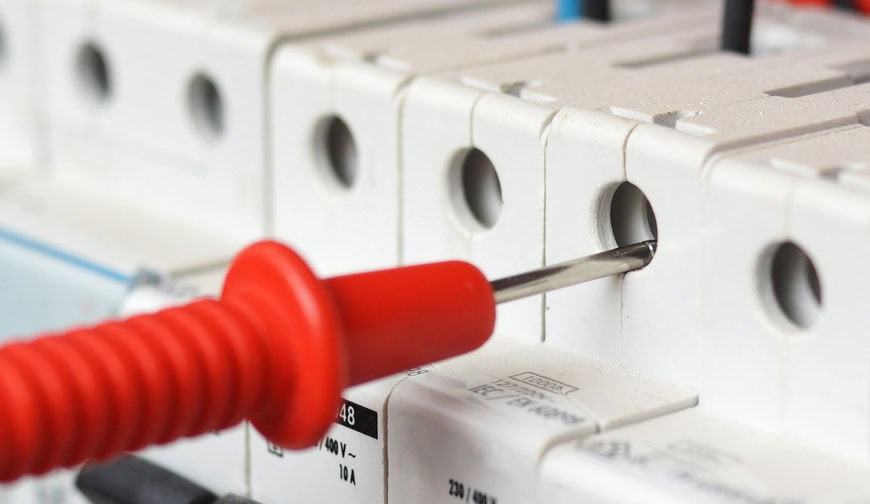
First, we inspect your electrical panel to make sure it’s compatible and properly grounded. Most installations take about an hour, but we’ll assess your specific setup during our initial visit.
The surge protector gets wired directly into your panel, where it monitors incoming electricity 24/7. When it detects a voltage spike—whether from lightning, utility switching, or your air conditioner cycling on—it instantly diverts that excess power safely into the ground.
You won’t notice anything different in your daily routine. Your lights work the same, your appliances run normally. The difference is that everything’s protected from the electrical damage that adds up over time.
Ready to get started?
Cedar Grove homeowners face unique electrical challenges. Our area experiences regular storms, and Duke Energy’s grid switching can create power fluctuations that damage sensitive electronics over time.
A professional surge protection system gives you comprehensive coverage that plug-in strips simply can’t match. We install Type 2 surge protectors that offer 50kA to 80kA protection—enough to handle most residential surge events.
Your investment includes the surge protector device, professional installation, and warranties that protect both our work and your connected equipment. Many manufacturers offer up to $75,000 in connected equipment coverage, and some insurance companies provide discounts for homes with whole-house surge protection.
Most Cedar Grove homeowners pay between $500 and $700 for professional surge protector installation, depending on their electrical panel setup. This includes the surge protection device, professional installation, and warranties.
The cost varies based on your panel type, the surge protector’s capacity, and any additional electrical work needed. Some homes have multiple panels that require separate protection devices.
While the upfront cost might seem significant, compare it to replacing a $5,000 HVAC system or $3,000 worth of kitchen appliances after a major surge. The protection pays for itself the first time it prevents serious damage.
Power surges happen more frequently than most people realize. In Cedar Grove, the most common causes are thunderstorms, utility grid switching, and large appliances cycling on and off within your own home.
Even small surges from your air conditioner or refrigerator starting up can gradually wear down sensitive electronics. These mini-surges happen dozens of times per day and slowly degrade your appliances’ internal components.
External surges from storms or utility issues are less frequent but more dramatic. When Duke Energy switches circuits or when lightning affects the power grid, the voltage spikes can instantly damage unprotected equipment throughout your home.
Yes, a properly installed whole house surge protector shields every outlet and hardwired appliance in your home. This includes your HVAC system, water heater, refrigerator, washer, dryer, and any other equipment connected to your electrical system.
Unlike power strips that only protect what’s plugged into them, whole house protection works at your electrical panel. It catches surges before they can reach any circuit in your home.
However, we still recommend using quality plug-in surge protectors for your most sensitive electronics like computers and entertainment systems. This creates a two-layer protection system that handles both large external surges and smaller internal fluctuations.
Most whole house surge protector installations take 1-2 hours from start to finish. We’ll need to turn off your main breaker during installation, so you’ll be without power for about 30-45 minutes while we make the connections.
Before we start, we’ll inspect your electrical panel to ensure it’s compatible and properly grounded. If your panel needs updates or repairs, we’ll discuss those requirements upfront so there are no surprises.
We schedule installations at times that work for your family’s routine. Most customers find the brief power interruption much easier to handle than dealing with surge-damaged appliances later.
Quality whole house surge protectors typically last 5-10 years, depending on how many surges they absorb. Most units have indicator lights that show when they’re working properly and alert you if they need replacement.
After a major surge event—like a nearby lightning strike—it’s worth having your surge protector inspected. Large surges can damage the protective components even when they successfully protect your home.
We recommend annual electrical inspections that include checking your surge protector’s status. This preventive approach helps ensure your protection stays effective and gives you advance notice if replacement is needed.
The 2020 National Electrical Code requires surge protection devices in all new residential construction. While existing homes aren’t required to retrofit surge protection, it’s becoming the standard for electrical safety.
Many electricians now recommend surge protection as essential equipment, similar to GFCI outlets or smoke detectors. The technology has proven so effective that it’s considered basic electrical protection rather than an optional upgrade.
Insurance companies increasingly recognize the value of surge protection, and some offer discounts for homes with whole-house systems. The combination of code requirements and insurance benefits shows how mainstream this protection has become.