Electrician in Lockville, NC
Electrical Problems Fixed Right, Priced Upfront


Licensed Electrical Contractor Lockville NC
You flip a switch and nothing happens. Or worse—the breaker trips again for the third time this week. Maybe you’re hearing a buzzing sound from an outlet, or the lights dim every time the AC kicks on. You’re not sure if it’s a quick fix or something dangerous hiding behind your walls.
Here’s what matters: getting straight answers from someone who actually knows what they’re looking at. We troubleshoot the real problem, not just reset your breaker and hope for the best. You get a clear explanation of what’s wrong, what it costs to fix it, and how long the repair takes. No technical jargon meant to confuse you. No pressure to buy services you don’t need.
When the work’s done, your electrical system functions the way it should. Outlets hold plugs firmly. Breakers stay in the on position when you’re running normal appliances. Lights maintain consistent brightness. Most importantly—you can stop worrying about whether your wiring is creating a fire hazard while you sleep.
Local Electrical Company Lockville NC
ESP Electrical Service Providers has handled electrical work in Lockville and throughout North Carolina since 2002. Our senior technician earned his electrical contractor license in 1989—that’s over 35 years of hands-on experience, not just managing crews from an office.
We’re a local, family-owned electrical company based in Burlington. When you call, you speak with a real person who schedules your service call, not a voicemail system or offshore call center. Our technicians arrive in uniform, driving fully stocked trucks that carry the parts needed for most common repairs. That means same-day fixes instead of waiting days for parts to arrive.
Lockville homeowners face the same electrical challenges found throughout North Carolina. Older homes with 60-amp or 100-amp panels that can’t support modern electrical loads. Wiring installed decades ago that wasn’t designed for central air, multiple computers, and kitchen appliances all running simultaneously. Circuit breakers that trip under normal use because the system is maxed out. We work on residential and commercial properties throughout the area, handling everything from troubleshooting a single dead outlet to complete electrical panel upgrades that bring your home’s capacity up to current standards.
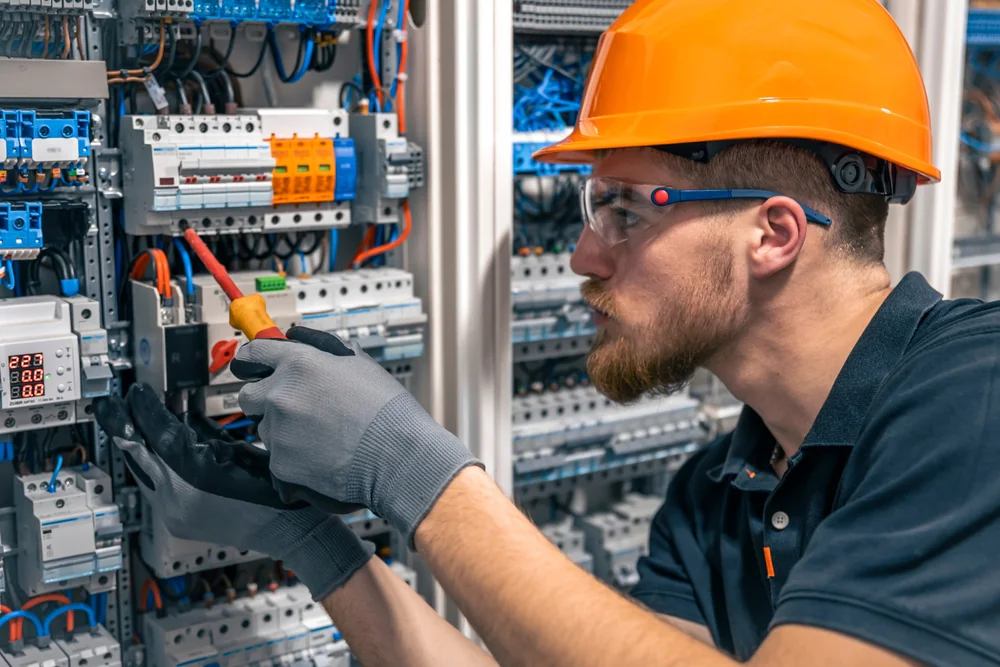
Electrician Services Lockville NC
You call and speak with someone who answers questions, not an automated system that makes you press numbers for ten minutes. Explain what’s happening—outlets not working, lights flickering, breakers tripping, burning smell from the panel, whatever the issue is. We ask enough questions to understand the situation and schedule a service call at a time that fits your schedule.
Our electrician shows up when promised. We assess what’s actually wrong, not just the obvious symptom. A flickering light might be a loose bulb, or it could be a failing connection in your electrical panel. Dead outlets might have a tripped GFCI somewhere, or the wiring could be damaged. The diagnosis determines the solution.
Before any work begins, you receive a flat-rate price. That’s the total cost—not an estimate that balloons once we start working, not an hourly rate that keeps running. You know exactly what you’re paying before a single wire gets touched. If the price works for you, the repair moves forward. If not, you haven’t wasted money on a service call that didn’t solve anything.
We complete the work using parts already in the truck for most common jobs. We test everything to confirm it’s functioning properly—not just assume it’s fixed. We clean up the work area, because you shouldn’t have to sweep up wire scraps and packaging after paying for electrical service. Before leaving, we explain what was done and answer your questions in plain language. You’re not left wondering if the problem is actually solved or if it’ll be back next week.
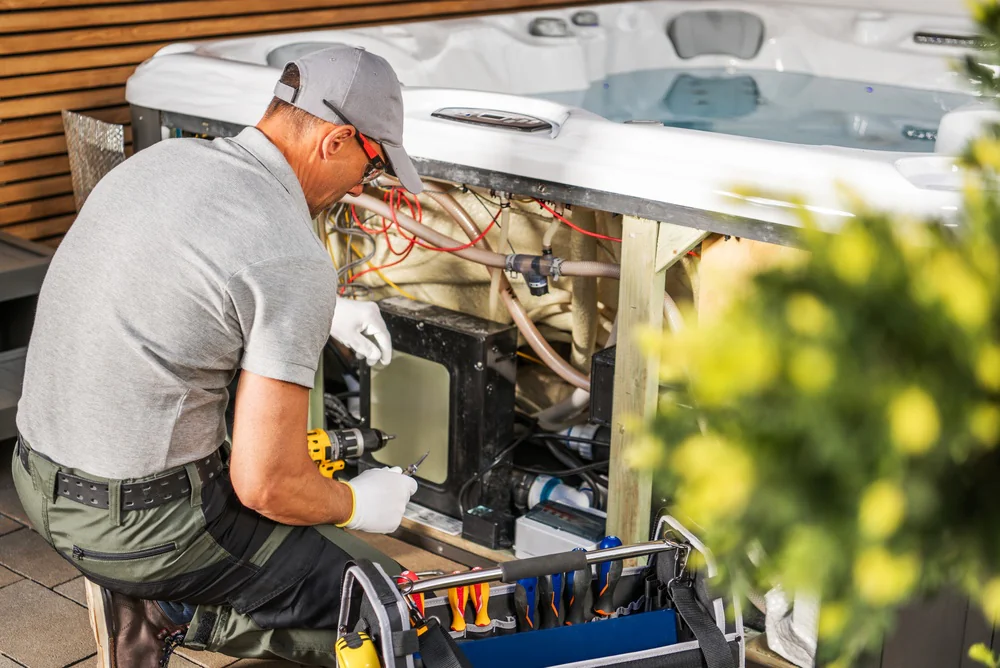
Residential Electrical Services Lockville NC
We handle the full spectrum of electrical services. Troubleshooting and repairs when systems fail. Electrical panel upgrades when your home needs more capacity. New installations for ceiling fans, outlets, lighting fixtures, dedicated circuits for major appliances. Generator installations that keep power running during outages. GFCI outlet installations in kitchens, bathrooms, and outdoor locations where current code requires ground-fault protection.
Lockville homeowners often deal with electrical systems that haven’t kept pace with how we actually live today. A home built in the 1970s or 1980s might have been wired adequately for that era—a few lights, a TV, maybe a window AC unit. That same home today is running central air conditioning, multiple computers and tablets, smart home devices, kitchen appliances that draw serious power, and possibly an electric vehicle charger. The electrical panel wasn’t designed for that load. Breakers trip constantly. Lights dim when appliances start. You’re forced to carefully manage what you run simultaneously, like it’s still 1975.
North Carolina requires licensed electrical contractors for legitimate safety reasons. Electrical work performed incorrectly creates house fires. According to the National Fire Protection Association, electrical malfunctions cause over 46,000 home fires annually. Most of those are preventable with proper installation and maintenance. Our technicians hold proper state licenses issued by the NC State Board of Examiners of Electrical Contractors. All work meets current National Electrical Code standards and local requirements. That matters when you’re dealing with something as potentially dangerous as your home’s electrical system.
You’re not hiring someone’s cousin who “knows about electrical stuff” or a handyman who watched installation videos online. You’re hiring licensed professionals who’ve been performing this work in North Carolina communities for decades. We pull proper permits when required. We install components that will pass inspection. We use methods that won’t create hazards five years down the road. That’s the difference between electrical work done right and electrical work that seems fine until your house catches fire.
How do I know if my electrical panel needs to be upgraded?
Your electrical panel likely needs an upgrade if breakers trip frequently during normal use—not because you’re running three space heaters and a welding machine, but because you turned on the microwave while the TV was on. That indicates your circuits are overloaded from everyday electrical demands your panel wasn’t designed to handle.
Other clear signs include having a 60-amp or 100-amp panel in a home where you’ve added central air conditioning, multiple computers, modern kitchen appliances, or you’re planning to install an EV charging station. Those panels were adequate decades ago when electrical demands were much lighter. Today’s homes typically need 200-amp service to safely handle everything we plug in. If your panel still uses fuses instead of circuit breakers, that’s another indicator you’re working with outdated equipment.
Physical warning signs require immediate attention—scorch marks on the panel, burning smells, or rust and corrosion on components. Those indicate serious problems that create fire hazards. Don’t wait to address them. A licensed electrical contractor can assess your current panel, calculate your actual electrical load based on what you’re running, and determine whether you need an upgrade or if the issue can be resolved by rebalancing circuits or fixing specific problems. The assessment gives you facts instead of guessing whether your electrical system is safe.
What's the difference between a licensed electrician and a handyman who does electrical work?
North Carolina law requires electrical contracting work to be performed by someone holding a license from the NC State Board of Examiners of Electrical Contractors. Earning that license requires passing technical examinations, documenting years of verified experience, and maintaining proper insurance and bonding. Licensed electricians study current electrical codes, proper installation methods, load calculations, and safety requirements. They’re legally qualified to perform the work.
A handyman doing electrical work on the side doesn’t have those qualifications. They might charge less because they’re not carrying proper insurance, don’t pull permits, and aren’t following code requirements. You’re saving money upfront while taking on serious risks. Incorrectly installed wiring causes house fires. Improperly sized circuits damage expensive appliances and create shock hazards. Work that doesn’t meet code fails inspections, creates liability when you sell your home, and may void your homeowner’s insurance if something goes wrong.
When you hire a licensed electrical contractor, you get someone legally authorized to perform the work, carrying insurance that protects you if problems occur, and installing components that will pass inspection. We know which circuits need GFCI protection, how to properly ground electrical systems, what wire gauge handles specific loads, and how to install panels that won’t become fire hazards. The money you might save hiring an unlicensed person isn’t worth the risk of your house burning down or your family being injured from faulty electrical work.
Why do my circuit breakers keep tripping?
Circuit breakers trip to protect your home from electrical overload, short circuits, or ground faults. When a breaker trips once after a lightning strike or major power surge, that’s normal protective function. When you’re resetting the same breaker multiple times per week, something’s wrong and needs to be diagnosed.
The most common cause is overloaded circuits—too many devices drawing power from the same circuit simultaneously. This happens frequently in older Lockville homes where a single 15-amp circuit serves an entire bedroom or living area. You’re running a TV, computer, phone chargers, a lamp, and maybe a space heater or window AC unit all on that one circuit. The combined load exceeds what the circuit can safely handle, so the breaker trips to prevent the wiring from overheating and starting a fire. The solution might be redistributing your electrical load, adding circuits, or upgrading your panel capacity.
Other causes include short circuits from damaged or deteriorating wiring, ground faults from moisture in outlets or fixtures (common in bathrooms, kitchens, and outdoor areas), or the breaker itself wearing out from age or repeated tripping. Some electrical problems are simple fixes. Others indicate serious wiring issues that need professional attention. A licensed electrician can test your circuits, identify what’s causing the trips, and recommend the appropriate solution—whether that’s a simple repair, circuit additions, or a panel upgrade. Don’t just keep resetting the breaker and hoping it stops. That’s ignoring a warning signal that could lead to damaged appliances, electrical fires, or worse.
How much does electrical work cost in Lockville?
Electrical service costs vary based on what needs to be done. Replacing a single outlet costs significantly less than rewiring a room or upgrading your main electrical panel from 100 to 200 amps. The complexity of the work, materials required, and time involved all factor into pricing.
Reputable electrical contractors provide upfront pricing or free estimates before starting work. We use flat-rate pricing—you receive a set price for the job before any work begins, not an hourly rate that keeps climbing while you watch. That gives you a clear number to approve or decline. You’re not left guessing what the final bill will be or worrying that we’re working slowly to rack up hours.
Be skeptical when one electrician’s price is dramatically lower than others. Electrical work requires specific skills, quality materials, proper tools, and insurance coverage. When someone’s charging significantly less, ask yourself why. Are they licensed and insured? Are they using code-compliant materials? Are they pulling required permits? Cutting corners on electrical work creates safety hazards that end up costing far more when you need to hire someone else to fix dangerous installations. You’re better off paying fair market rates for quality work from a licensed contractor than dealing with the consequences of cheap electrical work that wasn’t done correctly.
Do you provide emergency electrical services in Lockville?
Yes. Electrical emergencies don’t respect business hours or weekends. When you’re experiencing sparking outlets, burning smells from your electrical panel, complete power loss, or exposed wiring, those situations need immediate professional attention—not next Tuesday when the schedule opens up.
We respond to urgent electrical problems as quickly as possible. Our technicians drive fully stocked trucks carrying common parts and materials, which enables us to handle many emergency repairs on the spot rather than diagnosing the problem, leaving to order parts, and returning days later. That matters when you’re dealing with a situation that’s creating immediate safety hazards.
Not every electrical issue qualifies as a true emergency. A single outlet that stopped working can typically wait until normal business hours. But visible sparks, burning plastic smells, smoking outlets, or exposed wiring require immediate response. Those conditions create fire hazards and electrocution risks that shouldn’t wait. Call immediately, explain what’s happening, and a licensed electrician can assess the danger, shut down affected circuits if necessary, and perform the repairs needed to restore safe operation. Don’t try to fix emergency electrical problems yourself—that’s how homeowners get seriously injured or make dangerous situations worse.
Can you handle electrical work for home renovations or room additions?
Absolutely. Home renovations and additions almost always involve electrical work—new outlets and switches, lighting circuits, dedicated circuits for appliances, extending service to new spaces, or upgrading panels to handle additional load. We handle electrical installations for remodeling projects, room additions, kitchen renovations, bathroom upgrades, and new construction.
Renovation electrical work requires different expertise than new construction. Working in existing homes means fishing wires through finished walls without destroying your drywall, tying new circuits into current electrical systems properly, and often upgrading panels or service capacity to handle the additional load you’re adding. It requires knowing how to work around existing structure, coordinate with other trades like plumbers and HVAC contractors, and maintain your home’s livability during the project.
For Lockville homeowners investing in renovations, the electrical work must meet current National Electrical Code requirements, regardless of how old your existing wiring is. That means GFCI protection in required locations, proper grounding, adequate circuit capacity, and installations that will pass inspection. A licensed electrical contractor ensures your renovation electrical work is documented properly with permits, scheduled for required inspections, and completed to code. Whether you’re finishing a basement, adding a master suite, completely renovating your kitchen, or building an addition, the electrical work needs to be handled by professionals who know current requirements and proper installation methods. That protects your investment and keeps your family safe.
Other Services we provide in Lockville
About Us

Electrical Service Providers (ESP) has been in business since 2002. ESP started out performing wiring services to new construction, remodeling projects and residential homes. Our company’s president identified a market for electrical services to be performed in homes and businesses independent of new construction. Read More about Electrical Service Providers>>
All Rights Reserved.Organic Marketing LLC
Business Listings


Product Brands Used
Allied, Broan, Cutler Hammer, General Electric, Ideal, Juno, Kohler, Leviton, Lutron, Siemens, Square D
Contact
- Office Address: 3254 S Anthony Ct.
Burlington, NC 27215 - Mailing Address: PO Box 25
Alamance, NC 27201 - Phone: 336-228-3300
- E-mail: [email protected], [email protected]
Service Areas
Chapel Hill, Burlington, Carrboro, Durham, Gibsonville, Hillsborough, Graham, Pittsboro, Morrisville, Cary
About Us
Electrical Service Providers (ESP) has been in business since 2002. ESP started out performing wiring services to new construction, remodeling projects and residential homes. Our company’s president identified a market for electrical services to be performed in homes and businesses independent of new construction. Read More about Electrical Service Providers>>
All Rights Reserved.Organic Marketing LLC