EV Charger Installation in Altamahaw, NC
Charge at Home, Skip the Public Station Lines
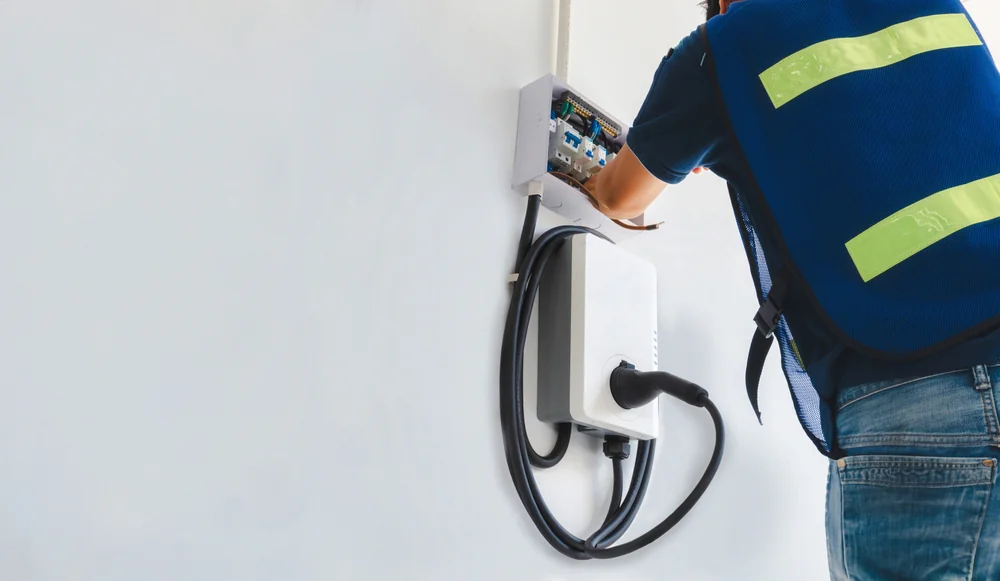
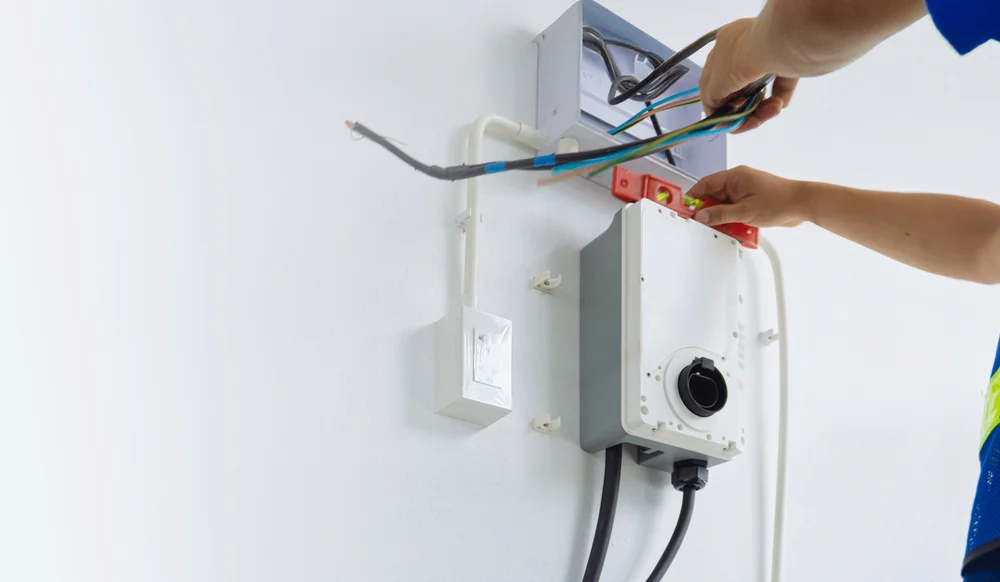
Electric Vehicle Charger Setup Near Altamahaw
Your EV loses about 40 miles of range during an average day of driving. Plug it into a standard outlet overnight and you’ll add back maybe 15 miles. That math doesn’t work.
A Level 2 charging station adds 25 to 40 miles of range per hour. Most EVs fully charge in 3 to 8 hours, which means you plug in after dinner and wake up ready to go. No more planning your week around charging stops or hoping the station near work isn’t full.
Home charging also costs less than public stations. You’re paying residential electricity rates instead of commercial pricing, and if you charge overnight, you’re often using off-peak rates. Over time, that adds up to real savings compared to both gas and public charging networks.
Altamahaw Electricians for EV Charging Stations
We’ve been serving Altamahaw and Alamance County for over 20 years. Our master electrician, Andy Helton, has been licensed since 1989 and knows the local electrical codes, permit requirements, and utility rebate programs that apply to your installation.
We’re not a national franchise following a script. We’re locally owned, and we’ve done electrical work in homes and businesses throughout Burlington, Graham, Mebane, and the surrounding areas. When you call, you’re talking to someone who knows the area and understands what your home’s electrical system can handle.
North Carolina is pushing hard toward EV adoption, with a goal of 1.25 million electric vehicles on the road by 2030. Duke Energy is offering rebates up to $1,133 per household for charger installations. We’ll help you access those incentives and make sure your setup is done right the first time.
How EV Charger Installation Works in Altamahaw
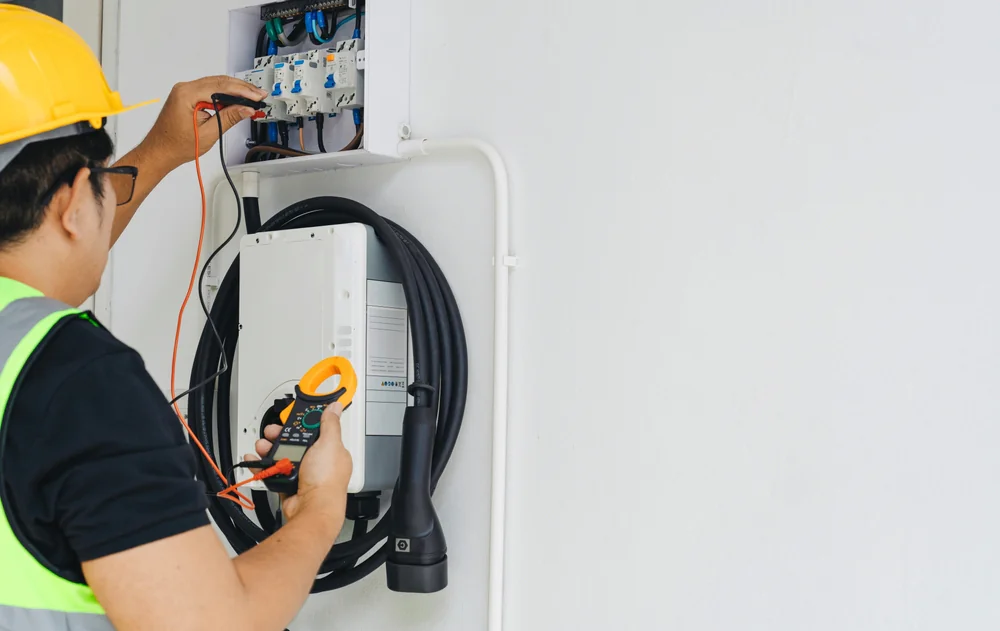
First, we assess your electrical panel and current load. Most homes in Altamahaw were built before EVs existed, so we need to confirm your panel can handle the additional 240-volt circuit that a Level 2 charger requires. Some homes need a panel upgrade, others just need a new dedicated circuit.
Next, we determine the best location for your charging station. That’s usually in your garage or carport, close to where you park. We’ll run the wiring, install the charger, and make sure everything is properly grounded and protected.
We handle all the permits and inspections required by Alamance County. You don’t have to deal with the paperwork or schedule the inspector. Once the installation passes inspection, we’ll walk you through how to use your new charger and answer any questions about settings, scheduling, or maintenance.
If you’re eligible for Duke Energy rebates or other incentives, we’ll provide the documentation you need to submit your claim. The whole process typically takes a few hours for the installation itself, plus permit and inspection time.
EV Charging Station Options for Altamahaw Homes
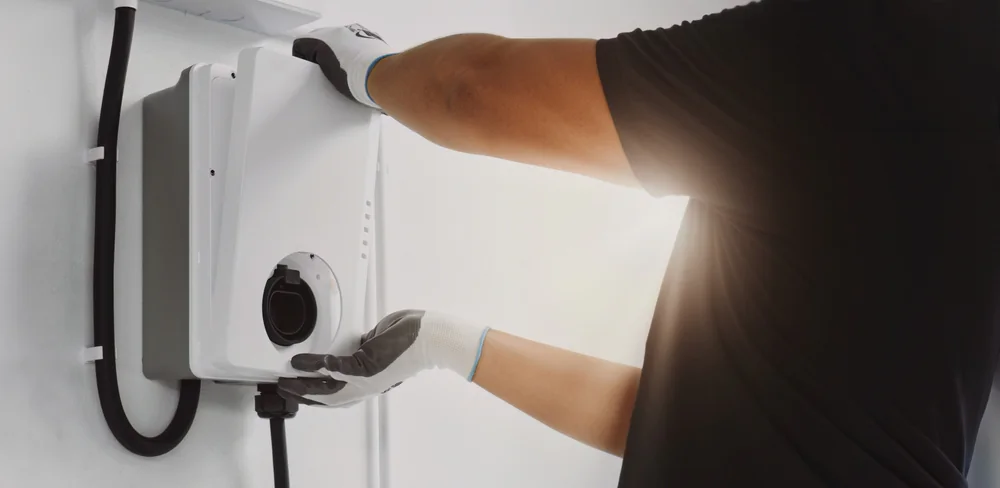
You’re getting a complete electrical installation, not just a charger mounted on the wall. That includes a dedicated 240-volt circuit, proper wire gauge for the amperage your charger requires, and all necessary breakers and safety disconnects.
We install all major EV charger brands, including Tesla Wall Connectors, ChargePoint Home Flex, JuiceBox, and Grizzl-E. If you already purchased a charger, we’ll install it. If you haven’t decided yet, we’ll recommend options based on your vehicle, budget, and charging needs.
Most residential installations in Altamahaw use 40 to 50-amp circuits, which is enough to fully charge any current EV overnight. If your electrical panel is already at capacity, we’ll discuss whether a panel upgrade makes sense or if a load-sharing device is a better option. Load-sharing systems let you install an EV charger without a full panel replacement by intelligently managing power distribution.
We also handle commercial EV charging station installations for businesses in the area. Those projects are larger in scope and often involve multiple charging ports, higher amperage circuits, and coordination with utility companies for demand charges. The process is similar, but the electrical requirements and permitting are more complex.
How much does it cost to install an EV charger in Altamahaw?
Most Level 2 EV charger installations in Altamahaw cost between $1,100 and $2,500, depending on your electrical panel’s current capacity and how far we need to run the wiring. If your panel has space and capacity for a new 240-volt circuit, you’re on the lower end. If you need a panel upgrade or a long wire run from the panel to your garage, costs go up.
The charger itself ranges from $400 to $1,200 depending on brand and features. Installation labor, materials, permits, and inspection fees make up the rest. Duke Energy offers rebates up to $1,133 for qualifying installations, which can offset a significant portion of your cost.
We’ll give you a flat-rate quote after assessing your home’s electrical system. No surprises, no hourly billing that drags on. You’ll know the total cost before we start work.
Can my electrical panel handle an EV charger installation?
It depends on your panel’s current load and available capacity. Most EV chargers require a 40 to 60-amp dedicated circuit. If your panel is already near capacity with your HVAC system, water heater, dryer, and other appliances, you might need an upgrade.
We’ll perform a load calculation during the initial assessment. That tells us exactly how much capacity your panel has and whether adding an EV charger will overload it. Many homes in Altamahaw have 200-amp panels, which usually have enough capacity for an EV charger without upgrades.
If your panel is maxed out, you have options. A full panel upgrade gives you more capacity for future needs. A load-sharing device manages power between your EV charger and other high-draw appliances, avoiding the need for a panel replacement. We’ll explain both options and recommend what makes sense for your situation and budget.
How long does EV charger installation take in Altamahaw?
The actual installation work takes 3 to 6 hours for most residential setups. That includes running the wiring, mounting the charger, connecting everything to your electrical panel, and testing the system. If you need a panel upgrade, add another few hours for that work.
Permits and inspections add time to the overall timeline. Alamance County requires electrical permits for EV charger installations, and an inspector needs to sign off before you can legally use the charger. We handle all the permit paperwork and schedule the inspection, but you should expect the full process to take 1 to 2 weeks from start to finish.
If you’re in a hurry, let us know. We can often expedite permits and inspections, especially if there’s a clear need. But rushing the process doesn’t help anyone if the installation isn’t done right, so we balance speed with quality and code compliance.
Do I need a permit to install an EV charger in Altamahaw?
Yes. Any 240-volt electrical work in Altamahaw and Alamance County requires a permit and inspection. That includes EV charger installations. The permit ensures the work meets National Electrical Code standards and local requirements, which protects you from electrical fires, code violations, and insurance issues.
Some homeowners try to skip the permit to save money or time. That’s a bad idea. If you sell your home later, an unpermitted EV charger can kill the deal or force you to rip it out and reinstall it properly. Insurance companies can also deny claims if they discover unpermitted electrical work caused a fire or damage.
We pull the permit, schedule the inspection, and make sure everything passes on the first try. You don’t have to deal with the county or worry about whether the work meets code. It’s included in our installation service, and it’s one less thing you have to think about.
What's the difference between Level 1 and Level 2 EV charging?
Level 1 charging uses a standard 120-volt outlet, the same kind you plug a lamp into. It’s slow, adding about 3 to 5 miles of range per hour. If you drive 40 miles a day, you’d need 8 to 12 hours of charging just to break even. That works for some people, but it’s not practical for most EV owners.
Level 2 charging uses a 240-volt circuit, the same kind that powers your dryer or oven. It adds 25 to 40 miles of range per hour, depending on your charger and vehicle. That means a full charge overnight for almost any EV on the market. It’s faster, more convenient, and the standard for home charging.
There’s also DC fast charging, which you see at public stations along highways. Those add 100 to 200 miles of range in 20 to 30 minutes, but they’re expensive to install and not practical for home use. Level 2 is the sweet spot for residential charging: fast enough to keep up with daily driving, affordable to install, and easy on your vehicle’s battery compared to constant fast charging.
Can you install a Tesla charger or does it have to be universal?
We install Tesla Wall Connectors and any other brand you prefer. Tesla chargers work great if you own a Tesla, and they’re well-built and reliable. If you own a different EV or think you might switch brands in the future, a universal charger with a J1772 plug works with almost every electric vehicle except older Teslas (and Tesla includes an adapter for those).
Tesla recently opened up their charging standard, so newer universal chargers are starting to include Tesla-compatible plugs. That gives you flexibility if your household has multiple EVs or you plan to change vehicles down the road.
The electrical installation is the same regardless of charger brand. We run a 240-volt circuit to the location, mount the charger, and connect everything according to the manufacturer’s specs and local code. The charger you choose affects features like app connectivity, scheduling, and power sharing, but the underlying electrical work is identical.
Other Services we provide in Altamahaw
About Us

Electrical Service Providers (ESP) has been in business since 2002. ESP started out performing wiring services to new construction, remodeling projects and residential homes. Our company’s president identified a market for electrical services to be performed in homes and businesses independent of new construction. Read More about Electrical Service Providers>>
All Rights Reserved.Organic Marketing LLC
Business Listings


Product Brands Used
Allied, Broan, Cutler Hammer, General Electric, Ideal, Juno, Kohler, Leviton, Lutron, Siemens, Square D
Contact
- Office Address: 3254 S Anthony Ct.
Burlington, NC 27215 - Mailing Address: PO Box 25
Alamance, NC 27201 - Phone: 336-228-3300
- E-mail: [email protected], [email protected]
Service Areas
Chapel Hill, Burlington, Carrboro, Durham, Gibsonville, Hillsborough, Graham, Pittsboro, Morrisville, Cary
About Us
Electrical Service Providers (ESP) has been in business since 2002. ESP started out performing wiring services to new construction, remodeling projects and residential homes. Our company’s president identified a market for electrical services to be performed in homes and businesses independent of new construction. Read More about Electrical Service Providers>>
All Rights Reserved.Organic Marketing LLC