EV Charger Installation in Blackwood, NC
Charge at Home Without the Guesswork or Risk
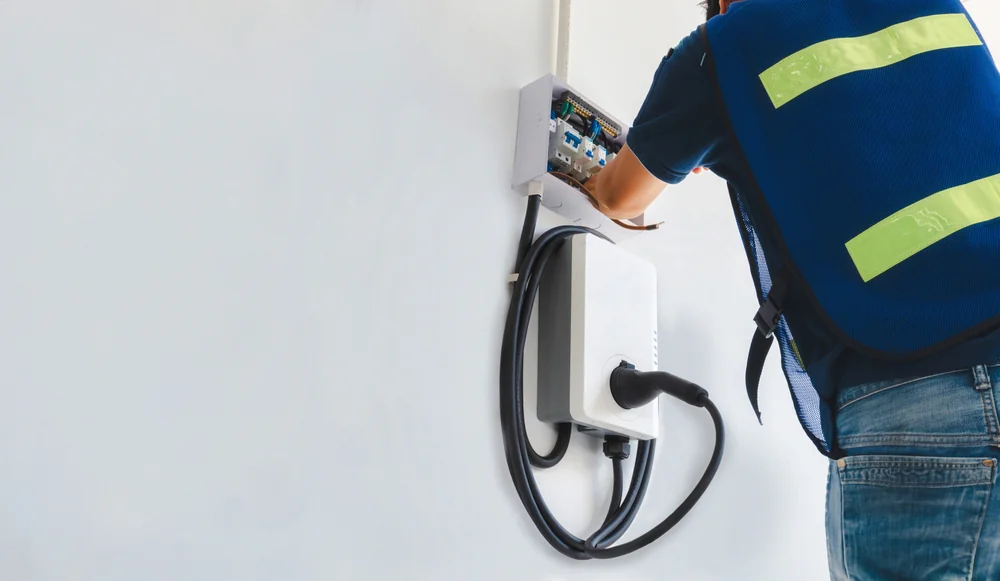
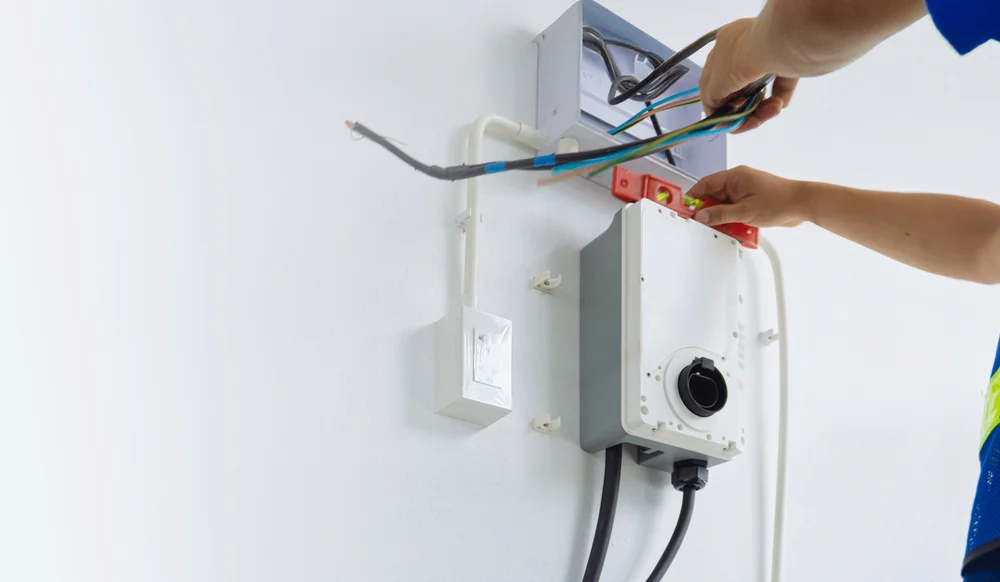
Electric Vehicle Charger Setup Near Blackwood
You’re done fighting for spots at crowded public charging stations. No more planning your week around where you can plug in or paying $0.34 per kWh when you could be charging at home for less than half that.
When your EV charger installation is done right, you pull into your garage, plug in, and forget about it. By morning, you’re ready to go. Your car charges while you sleep, using your home’s electricity at around $0.15 per kWh—a cost that drops even further if you’re on a time-of-use rate plan.
And it’s not just about convenience. Homes with EV charging infrastructure are increasingly attractive to buyers. You’re not just solving today’s problem—you’re adding value that lasts. That’s what happens when the electrical work is handled by someone who knows what they’re doing and doesn’t cut corners.
Licensed EV Charger Installer in Blackwood
We’ve been handling electrical work in Blackwood and throughout Alamance County since 2002. We started with residential wiring and service calls, and we’ve stayed focused on what matters: showing up, doing the work right, and making sure you’re taken care of.
Our lead technician has been a licensed electrical contractor since 1989. That’s over three decades of troubleshooting, code compliance, and real-world problem solving. When you call us, you’re working with people who’ve seen it all and know how to handle the unexpected without drama.
We’re local. We know the permit requirements, the inspection process, and how to maximize your Duke Energy rebates. You won’t get transferred to a call center or handed off to a subcontractor. You get us.
Our EV Charging Station Installation Process
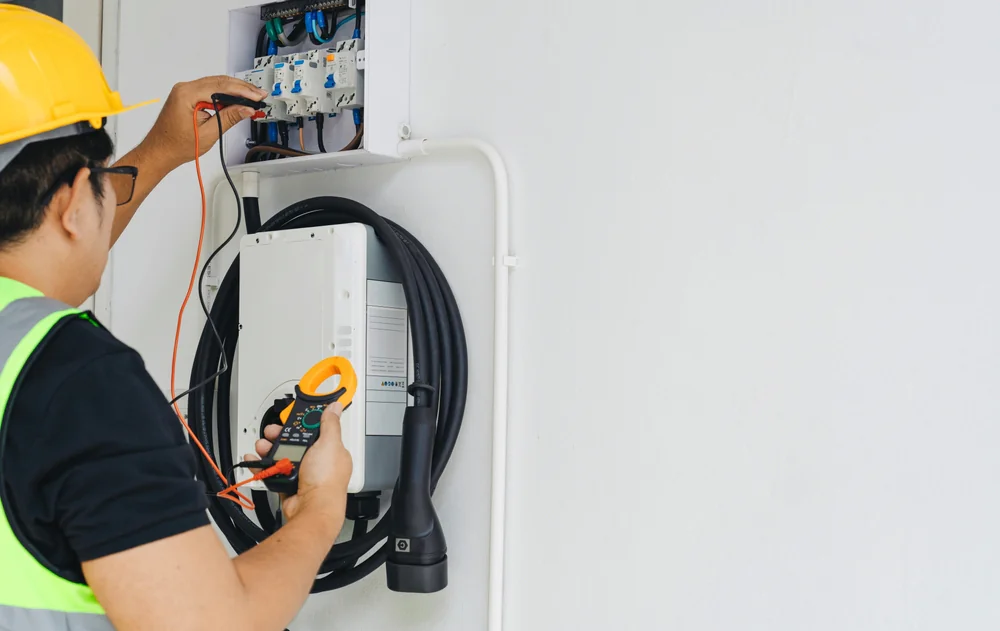
First, we come out and assess your electrical panel. Most Level 2 home chargers need a 240-volt, 40-amp circuit. If your panel doesn’t have the capacity, we’ll tell you what’s required to upgrade it—no surprises, no upselling. You’ll know the full scope before we start.
Next, we handle the permits and coordinate with local inspectors. This isn’t optional—it’s required for safety and insurance purposes. We make sure everything is filed correctly so you don’t deal with delays or rejections.
Then we install your charger exactly where you want it, run the wiring to code, and test everything to make sure it works with your specific vehicle. We walk you through how to use it, answer your questions, and make sure you’re comfortable before we leave. If you’re claiming the Duke Energy rebate or the federal tax credit, we provide all the documentation you need. That’s it—start to finish, handled.
What's Included in EV Charger Installation
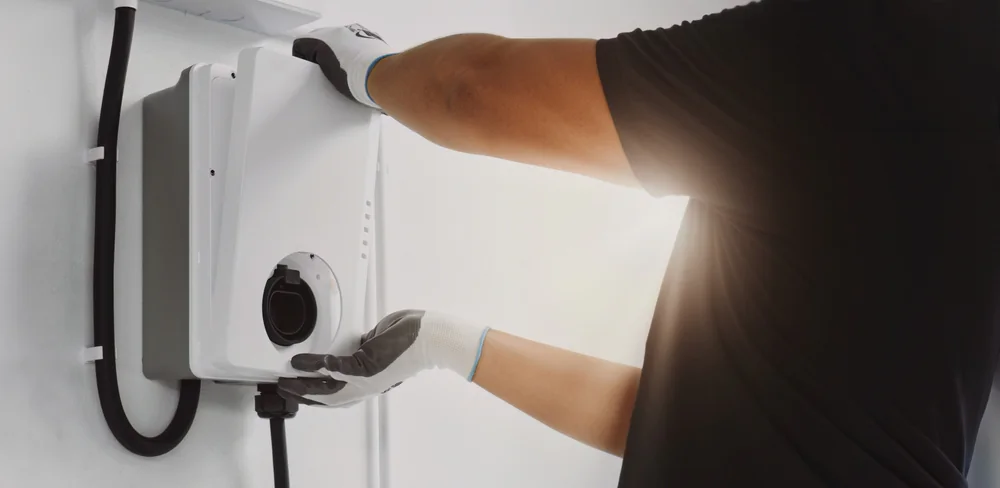
Your EV charger installation includes a complete electrical assessment, permit filing, installation of a dedicated 240-volt circuit, mounting and wiring of your charging unit, inspection coordination, and final testing. We also provide guidance on rebate applications and documentation for both Duke Energy’s program and federal tax credits.
Here’s what matters for Blackwood homeowners specifically: Duke Energy offers rebates up to $1,133 per household for EV charger installation costs. That’s real money back in your pocket, but only if the work is done by a qualified electrician and documented properly. We’ve processed these rebates before—we know what Duke Energy requires and how to make sure you get every dollar you’re entitled to.
You also qualify for the federal Alternative Fuel Vehicle Refueling Property Credit, which covers 30% of installation costs up to $1,000 through June 2026. Between the two programs, you’re looking at significant savings. But the clock is ticking on federal credits, and rebate programs can change. If you’ve been thinking about installing a home charger, now is the time to move.
How much does it cost to install an EV charger at home in Blackwood?
Installation costs typically range from $1,200 to $2,500 depending on your home’s existing electrical setup. If your panel has available capacity and the charger location is close to the panel, you’re on the lower end. If we need to upgrade your electrical panel or run a long wire run, costs go up.
Here’s the thing: most homes built before 2010 weren’t designed with EV charging in mind. Your panel might be maxed out, or you might not have the right breaker space. We won’t know until we look, and anyone who gives you a firm price over the phone without seeing your setup is guessing.
The good news is that Duke Energy rebates cover up to $1,133 of your installation cost, and the federal tax credit covers another 30% (up to $1,000). Between the two, you’re looking at substantial savings. We help you navigate both programs so you’re not leaving money on the table.
Do I need to upgrade my electrical panel for an EV charger?
It depends on your current panel’s capacity and how much power you’re already using. Most Level 2 EV chargers require a 240-volt, 40-amp circuit. If your panel is older, already running close to capacity, or doesn’t have space for an additional breaker, you’ll need an upgrade.
Panel upgrades typically cost between $1,500 and $3,500. That sounds like a lot, but it’s not just about the EV charger—you’re also increasing your home’s electrical capacity for future needs and improving safety. Older panels can be fire hazards, especially if they’re Federal Pacific or Zinsco brands.
We’ll assess your panel during the initial visit and give you a straight answer. If you need an upgrade, we’ll explain why and what’s involved. If you don’t, we’ll tell you that too. No one benefits from unnecessary work, and we’re not in the business of selling you things you don’t need.
How long does EV charger installation take from start to finish?
From the day you call to the day you’re charging, expect about one to two weeks. That includes scheduling the site visit, pulling permits, doing the installation, and passing inspection. If you need a panel upgrade, add another few days.
The actual installation work usually takes four to eight hours depending on complexity. Running new wiring, mounting the charger, connecting everything, and testing doesn’t happen in an afternoon—not if it’s done right. Rushing electrical work is how mistakes happen.
Permitting and inspection timelines vary by jurisdiction, but we stay on top of it so you don’t have to. We’ll give you a realistic timeline upfront and keep you updated if anything changes. Most delays come from permit offices or inspection scheduling, not the actual work.
Can I install any EV charger, or does it need to be specific to my car?
Most Level 2 home chargers work with any electric vehicle sold in North America because they use the standard J1772 connector. That covers everything from Chevy Bolts to Ford Mustang Mach-Es to Nissan Leafs. Tesla vehicles need an adapter, but Tesla includes one with every car.
What matters more than brand compatibility is charging speed and features. Some chargers deliver 30 amps, others deliver 40 or 48. Higher amperage means faster charging, but your car has a maximum charge rate it can accept. There’s no point paying for a 48-amp charger if your vehicle maxes out at 32 amps.
We help you match the charger to your vehicle and your needs. If you want smart features like app control, scheduling, or energy monitoring, we’ll point you toward units that offer those. If you just want something simple and reliable, we can recommend that too. The goal is to get you what works, not what’s most expensive.
What rebates and incentives are available for EV charger installation in North Carolina?
Duke Energy offers a rebate of up to $1,133 per household for residential EV charger installation. This covers a portion of both the equipment and installation costs, but you need to apply through their program and use a qualified electrician. We handle Duke Energy rebate paperwork regularly and can guide you through the process.
The federal government also offers the Alternative Fuel Vehicle Refueling Property Credit, which covers 30% of installation costs up to $1,000 for home charging equipment installed through June 30, 2026. You claim this on your tax return using IRS Form 8911. We provide all the documentation you need to support your claim.
Between the two programs, you’re looking at over $2,000 in potential savings. But the federal credit has an expiration date, and utility rebate programs can change or run out of funding. If you’re planning to install a charger, doing it sooner rather than later makes financial sense.
Is it safe to charge my EV at home during storms or bad weather?
Yes, when your charger is installed correctly. EV charging equipment is designed to operate safely in all weather conditions, including rain, snow, and storms. The connectors are weatherproof, and the system includes ground fault protection that shuts off power if it detects any electrical issues.
That said, safety depends entirely on proper installation. If your charger isn’t grounded correctly, if the wiring isn’t rated for outdoor use, or if the circuit breaker isn’t sized properly, you’re creating risk. This is why permits and inspections exist—and why you want a licensed electrician doing the work.
We install chargers to meet or exceed National Electrical Code requirements. That means proper grounding, correct wire sizing, weatherproof enclosures where needed, and GFCI protection. You shouldn’t have to think twice about plugging in during a thunderstorm. When the work is done right, you don’t.
Other Services we provide in Blackwood
About Us

Electrical Service Providers (ESP) has been in business since 2002. ESP started out performing wiring services to new construction, remodeling projects and residential homes. Our company’s president identified a market for electrical services to be performed in homes and businesses independent of new construction. Read More about Electrical Service Providers>>
All Rights Reserved.Organic Marketing LLC
Business Listings


Product Brands Used
Allied, Broan, Cutler Hammer, General Electric, Ideal, Juno, Kohler, Leviton, Lutron, Siemens, Square D
Contact
- Office Address: 3254 S Anthony Ct.
Burlington, NC 27215 - Mailing Address: PO Box 25
Alamance, NC 27201 - Phone: 336-228-3300
- E-mail: [email protected], [email protected]
Service Areas
Chapel Hill, Burlington, Carrboro, Durham, Gibsonville, Hillsborough, Graham, Pittsboro, Morrisville, Cary
About Us
Electrical Service Providers (ESP) has been in business since 2002. ESP started out performing wiring services to new construction, remodeling projects and residential homes. Our company’s president identified a market for electrical services to be performed in homes and businesses independent of new construction. Read More about Electrical Service Providers>>
All Rights Reserved.Organic Marketing LLC