EV Charger Installation in Hawfields, NC
Charge at Home Without the Guesswork
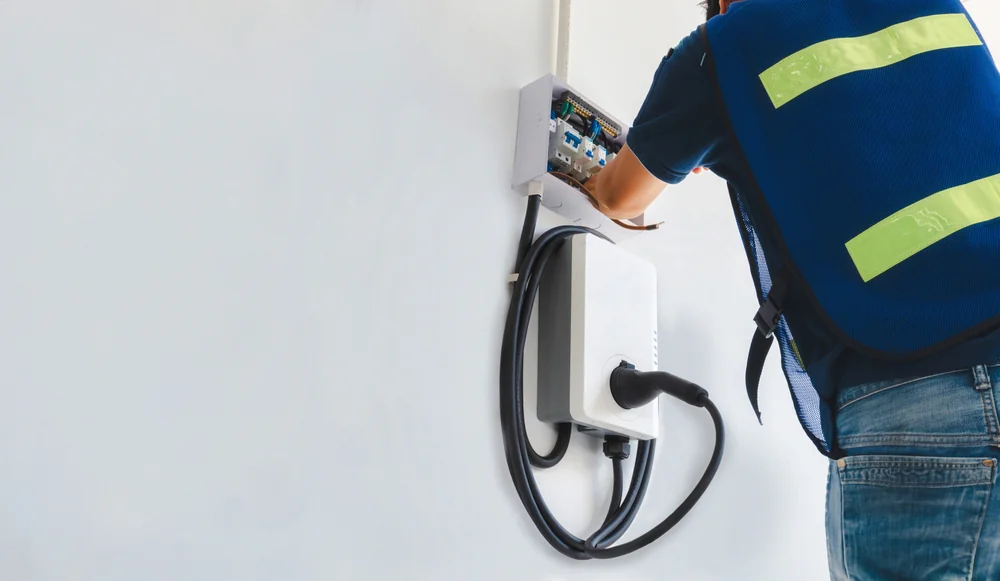
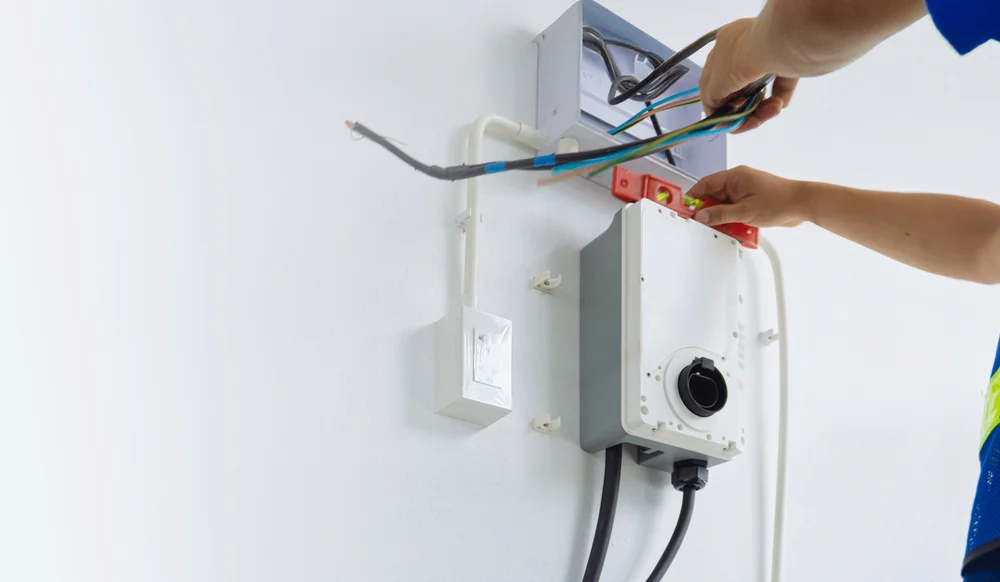
Home EV Charging Station Setup
You bought an EV to save money and skip gas stations. Home charging makes that happen, but only if your electrical system can handle it.
Most homes in Hawfields weren’t built expecting a 40-amp draw in the garage. Your panel might need an upgrade. Your circuit breaker might be maxed out. You might need a dedicated 240-volt line run from the other side of the house.
A Level 2 charger adds 12 to 60 miles of range per hour compared to the 3 to 5 miles you get from a standard outlet. That’s the difference between charging overnight and waiting two days. You’ll spend around $105 per month charging at home versus $150 using public stations. That’s real money back in your account every month, and you’re not sitting in parking lots waiting for a charge.
Licensed Electricians Serving Hawfields
We’ve been handling electrical installations across Hawfields, Burlington, Mebane, and the surrounding Alamance County area for over 20 years. Andy Helton, our master electrician and owner, has been licensed since 1989.
We’re not new to EV charger installations. We’ve seen what happens when homeowners try to plug a Level 2 charger into an outdated panel. We’ve fixed installations done by unlicensed contractors who skipped the permit process.
North Carolina hit 100,000 EV registrations in 2024, and Hawfields is part of that growth. More EVs mean more homes need proper charging infrastructure. We handle the electrical assessment, the permit paperwork, and the actual installation so you don’t have to figure it out yourself.
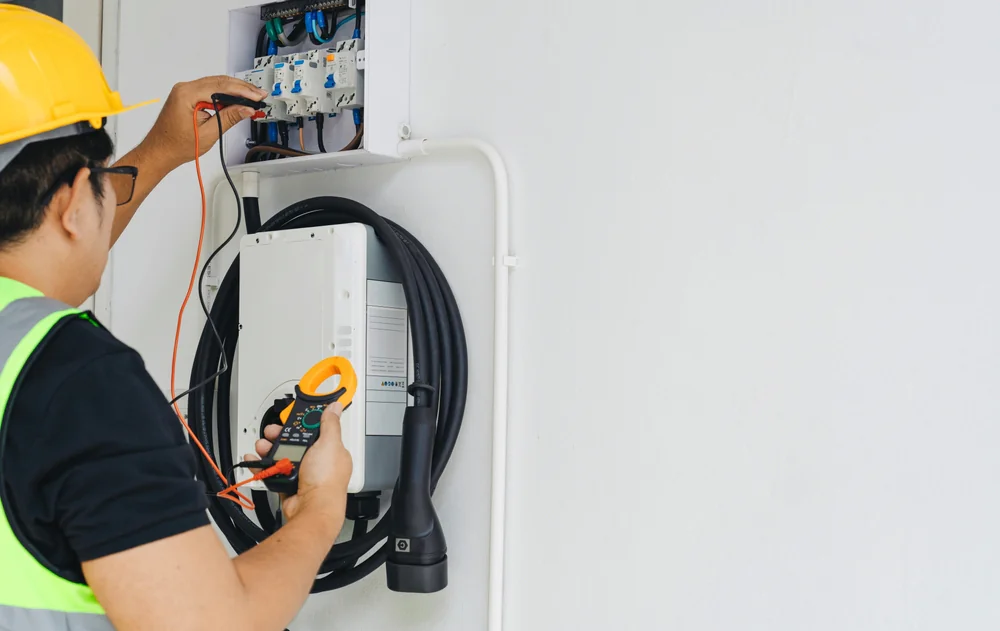
Our EV Charger Installation Process
First, we assess your electrical panel. We check your current amperage, available circuits, and whether your breaker box can support the additional load. If you’ve got a 100-amp panel and you’re running central air, a dryer, and an electric water heater, we’ll need to upgrade your service.
Next, we map out the installation. Where’s your EV parking? How far is that from your panel? Do we need to run conduit through the garage, outside the house, or through a crawl space? We give you a flat-rate price before any work starts.
Then we handle the permits. Local building codes require permits for EV charger installations, and inspections verify everything meets safety standards. We file the paperwork and coordinate the inspection.
Finally, we install the charger and test the system. We mount the charging unit, wire it to your panel, verify voltage and amperage, and make sure your EV charges correctly. We also help you apply for Duke Energy’s rebate program, which covers up to $1,133 in electrical upgrades for EV charging infrastructure.
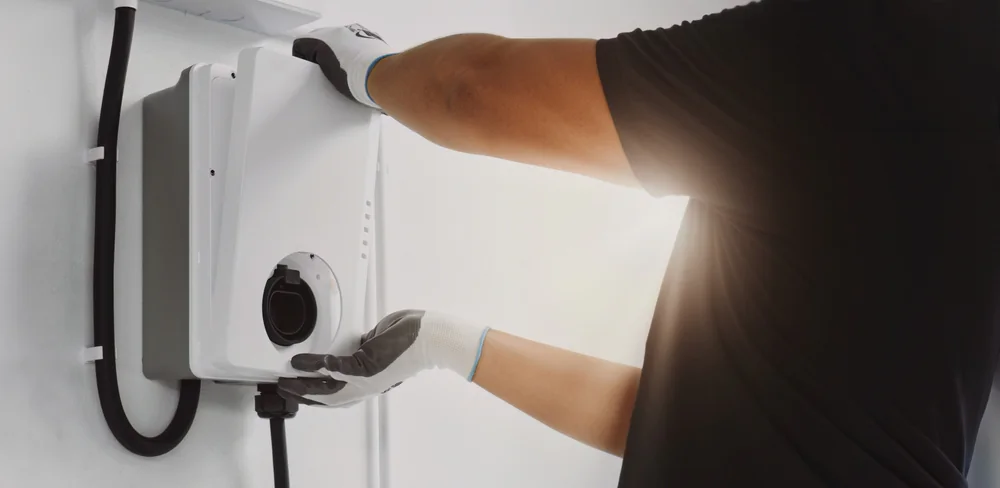
What's Included in Your Installation
Your installation includes a full electrical assessment, permit filing, installation of a dedicated 240-volt circuit, mounting and wiring of your Level 2 charger, and a final inspection to verify code compliance.
Duke Energy offers rebates for Hawfields residents installing EV charging equipment. The Charger Prep Credit provides up to $1,133 per household to cover electrical upgrades needed for charging infrastructure. We help you navigate that application process and document the work for rebate approval.
North Carolina is pushing hard toward EV adoption. Governor Cooper’s Executive Order 246 targets 1.25 million EVs on the road by 2030. That means charging infrastructure needs to keep pace, and homes built before 2020 weren’t designed for this kind of electrical demand.
We work with all major EV charger brands and models. Whether you’ve already purchased a unit or need recommendations, we’ll install it correctly. Most installations take one day, though panel upgrades or service increases can add time depending on your home’s current setup.
How much does it cost to install an EV charger in Hawfields?
Most homeowners in Hawfields pay between $600 and $2,000 for a complete EV charger installation. That range depends on how far your charger location is from your electrical panel, whether you need a panel upgrade, and if your service needs to be increased from 100 amps to 200 amps.
If your panel is in the garage and your charger mounts on the same wall, you’re looking at the lower end. If we’re running 50 feet of conduit around the house and upgrading your main service, costs go up.
Duke Energy’s rebate program covers up to $1,133 in electrical upgrades, which can offset a significant portion of your installation cost. We provide itemized flat-rate pricing before starting work so you know exactly what you’re paying.
Do I need to upgrade my electrical panel for an EV charger?
It depends on your current panel capacity and what else is running in your home. A Level 2 EV charger typically requires a 40 to 50-amp dedicated circuit. If you’ve got a 100-amp panel that’s already supporting central air, electric heat, a dryer, and a water heater, there’s not enough capacity left.
We see this frequently in older homes around Hawfields and Alamance County. Homes built before 2000 often have 100-amp or 125-amp service, which struggles with modern electrical demands. Adding an EV charger pushes that system past its limit.
A panel upgrade to 200 amps gives you the capacity you need now and room for future electrical additions. We assess your current system during the initial consultation and let you know if an upgrade is necessary before you commit to anything.
How long does an EV charger installation take?
Most installations take four to eight hours if your panel has available capacity and the charger location is close to your electrical panel. We complete the work in one day, including testing and cleanup.
If you need a panel upgrade or service increase, that adds time. A panel upgrade typically adds another half day. A full service upgrade from 100 amps to 200 amps can take a full day or more depending on your utility connection and whether we need to coordinate with Duke Energy.
Permit approval and inspection scheduling can add a few days to the overall timeline, but the actual installation work happens quickly once permits are in hand. We handle all permit filing and coordinate inspections so you don’t have to manage that process.
What's the difference between Level 1 and Level 2 charging?
Level 1 charging uses a standard 120-volt outlet and adds about 3 to 5 miles of range per hour. That’s fine if you drive 20 miles a day and can leave your car plugged in overnight, but it’s painfully slow for most people.
Level 2 charging uses a 240-volt circuit and adds 12 to 60 miles of range per hour depending on your charger’s amperage and your vehicle’s onboard charger capacity. You can fully charge most EVs overnight, even if you drive 60 or 70 miles a day.
Level 2 is what most EV owners install at home because it’s fast enough to be practical. You’re not waiting two days for a full charge, and you’re not scrambling to find public charging stations during the week. It’s the difference between EV ownership being convenient and being a hassle.
Can I install an EV charger myself to save money?
Technically, North Carolina allows homeowners to do electrical work on their own primary residence, but you still need permits and inspections. You’re also working with 240-volt circuits, which can cause serious injury or fire if wired incorrectly.
Most homeowners don’t have the tools or experience to safely install a dedicated 240-volt circuit, run conduit, and wire a charging unit to code. You’ll need a permit, and the inspector will fail the installation if it doesn’t meet code requirements. Then you’re paying an electrician to fix it anyway.
Insurance companies also scrutinize electrical work done by homeowners. If your house catches fire and the investigation traces it back to a DIY electrical installation, your claim could be denied. Licensed electricians carry insurance and warranties that protect you if something goes wrong.
Will installing an EV charger increase my home's value?
Yes, especially as EV adoption continues growing across North Carolina. Homes with EV charging infrastructure appeal to buyers who already own EVs or plan to buy one soon. You’re eliminating a barrier that would otherwise require the new owner to handle the installation themselves.
North Carolina added 50,000 EVs in just 23 months between 2022 and 2024. That’s a massive increase in a short time, and it’s not slowing down. Buyers shopping for homes in Hawfields and surrounding areas increasingly expect charging capability, especially in newer or recently updated homes.
The installation cost is relatively small compared to other home improvements, but it signals that your home is ready for current technology. You’re not just adding a charger—you’re future-proofing your electrical system for a market that’s moving toward electric vehicles whether individual buyers are ready or not.
Other Services we provide in Hawfields
About Us

Electrical Service Providers (ESP) has been in business since 2002. ESP started out performing wiring services to new construction, remodeling projects and residential homes. Our company’s president identified a market for electrical services to be performed in homes and businesses independent of new construction. Read More about Electrical Service Providers>>
All Rights Reserved.Organic Marketing LLC
Business Listings


Product Brands Used
Allied, Broan, Cutler Hammer, General Electric, Ideal, Juno, Kohler, Leviton, Lutron, Siemens, Square D
Contact
- Office Address: 3254 S Anthony Ct.
Burlington, NC 27215 - Mailing Address: PO Box 25
Alamance, NC 27201 - Phone: 336-228-3300
- E-mail: [email protected], [email protected]
Service Areas
Chapel Hill, Burlington, Carrboro, Durham, Gibsonville, Hillsborough, Graham, Pittsboro, Morrisville, Cary
About Us
Electrical Service Providers (ESP) has been in business since 2002. ESP started out performing wiring services to new construction, remodeling projects and residential homes. Our company’s president identified a market for electrical services to be performed in homes and businesses independent of new construction. Read More about Electrical Service Providers>>
All Rights Reserved.Organic Marketing LLC