EV Charger Installation in Pleasant Garden, NC
Charge at Home Without the Guesswork or Risk
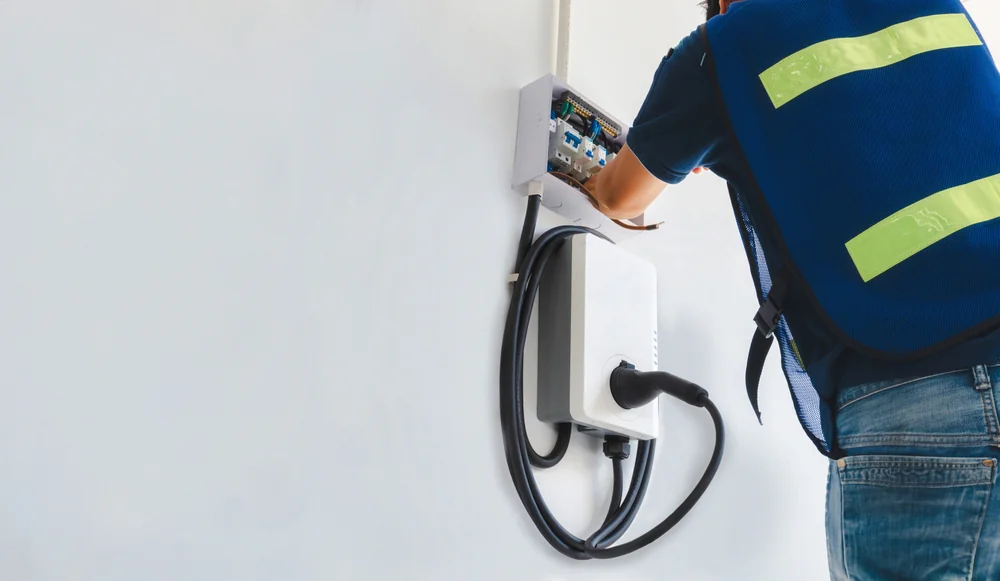
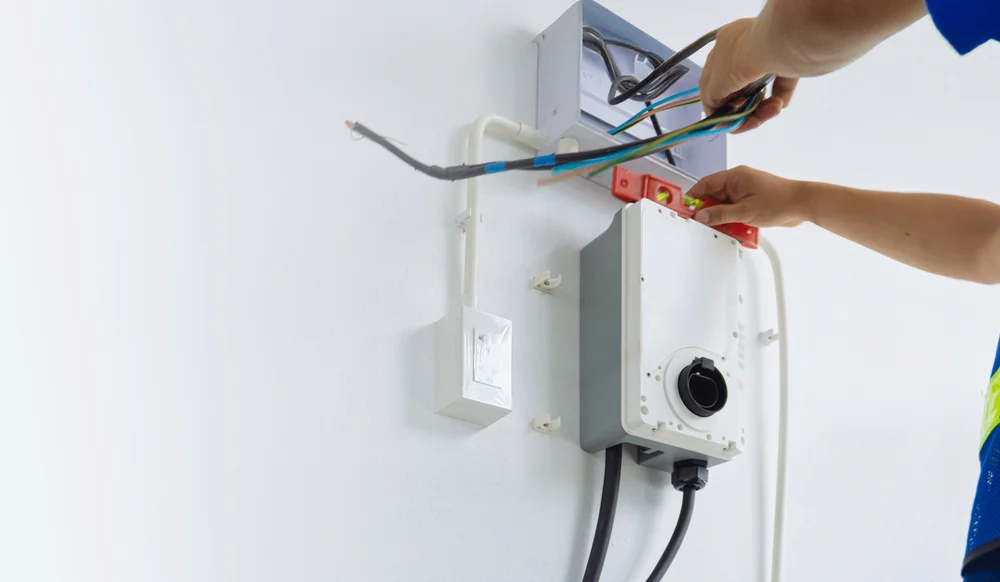
Electric Vehicle Charging Station Setup Near You
You bought an EV to simplify your life and cut costs. But without a reliable home charging station, you’re stuck planning trips around public chargers, waiting in line, and paying premium rates for the convenience you thought you’d already have.
A proper Level 2 EV charger installation changes that. You plug in when you get home. Your car charges overnight. You leave the next morning with a full battery, every single time.
No more range anxiety. No more detours to charging stations during your day. Just the freedom to drive when and where you need to, with your vehicle ready on your schedule. That’s what a home electric vehicle charger actually gives you—and it’s why homeowners across Pleasant Garden, NC are making the switch.
Your home’s value goes up too. Buyers are actively looking for properties with EV charging capabilities, and as North Carolina races toward 1.25 million EVs on the road by 2030, that advantage only grows.
Licensed EV Charger Installers in Pleasant Garden
We’ve been serving Pleasant Garden and Guilford County since 2002. We’re not a national franchise or a contractor who dabbles in EV charging when it’s convenient. We’re a locally owned electrical company led by Andy Helton, a Master Electrician with over 35 years of hands-on experience.
Our Operations Manager has been a licensed electrical contractor since 1989. That’s more than two decades of pulling permits, running load calculations, and making sure homes can safely handle the electrical demands of modern life—including electric vehicle chargers.
We’ve watched Pleasant Garden grow. We’ve seen the VinFast plant announcement in nearby Chatham County and Toyota’s battery manufacturing setup near Greensboro. We know this area is becoming an EV hub, and we know what it takes to install charging infrastructure that lasts. You’re not getting a salesperson on the phone. You’re getting electricians who’ve done this work for decades and will do it right the first time.
Our EV Charger Installation Process Explained
First, we talk through your setup. What EV do you drive? Where do you park? What’s your home’s current electrical capacity? These aren’t small talk questions—they determine whether you need a panel upgrade, a dedicated circuit, or a NEMA 14-50 outlet installation.
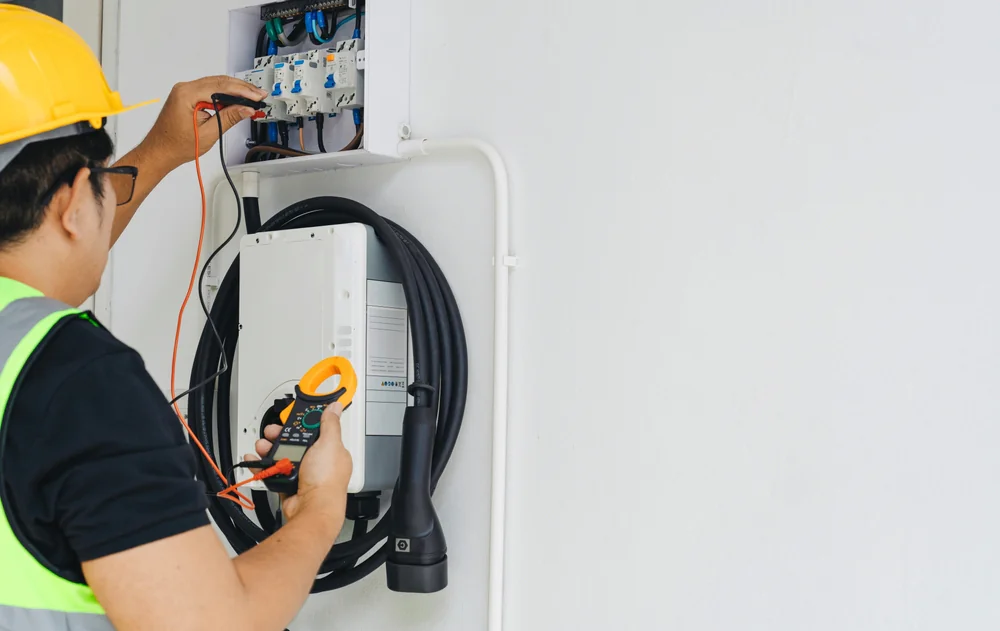
Next, we run a complete electrical load calculation. This step gets skipped by a lot of installers, and it’s where most problems start. Your home’s electrical system has limits. Adding a 240V EV charging station pulls serious amperage. If your panel can’t handle it, you’re looking at overheating, tripped breakers, or worse. We calculate the load before we touch a wire.
Then we handle permits and inspections. Yes, they’re required. No, they’re not optional. Permits confirm your installation meets code, protect you during insurance claims, and ensure the work is safe. We pull them, we schedule the inspections, and we make sure everything passes.
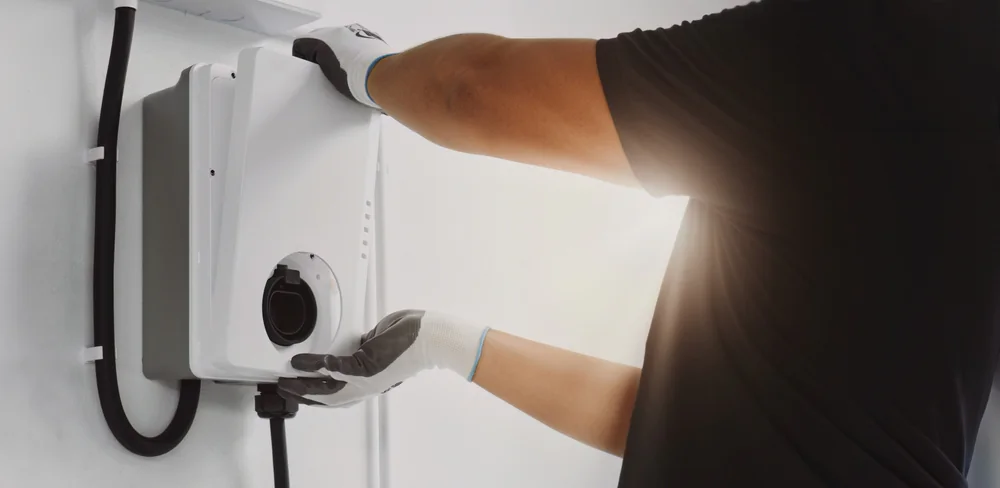
Finally, we install your charger. Our trucks are fully stocked, so we’re not making multiple trips or waiting on parts. We mount the unit, run the wiring, connect it to your panel, test the system, and clean up completely. You’ll know how to use it, what to expect, and who to call if anything ever comes up.
What's Included in EV Charger Setup
Every EV charger installation we do in Pleasant Garden includes a full electrical load calculation, permit filing, and final inspection coordination. You’re not paying extra for those—they’re part of the job because they’re required for safety and code compliance.
If your home needs an electrical panel upgrade or a new circuit to handle the charger, we’ll tell you upfront. Our pricing is flat rate, so you’ll know the cost before we start. No surprises, no upselling once we’re halfway through the work.
We also help you access the Duke Energy EV Charger Installation Support Program. If you’re in their service area, you could get up to $1,117 in credits covering outlet installation, wiring upgrades, and panel enhancements. That’s real money back, and we’ll walk you through the process so you actually get it.
Pleasant Garden homeowners are increasingly future-proofing their properties. With 79% of housing units owner-occupied and a median household income of $88,482, this community has the stability and resources to invest in home improvements that matter. An EV charging station isn’t just convenient—it’s a smart upgrade that pays off in daily use and long-term property value. We make sure it’s done right so it lasts as long as you own the home.
How much does it cost to install an EV charger at home in Pleasant Garden?
The honest answer is it depends on your home’s current electrical setup. If your panel has capacity and you just need a dedicated 240V circuit and charger installation, you’re looking at the lower end of the cost range. If you need a panel upgrade, additional circuits, or significant wiring work, the price goes up.
Most homes in Pleasant Garden were built before EVs became common. That means many electrical panels are already running close to capacity with HVAC, appliances, and everyday loads. Adding a Level 2 EV charger—which can pull 40 to 50 amps—often requires an upgrade.
We give you flat rate pricing after we assess your home. You’ll know exactly what it costs before we start, and that includes permits, inspections, and any electrical work needed to do the job safely. If you qualify for Duke Energy’s rebate program, that $1,117 credit offsets a significant portion of the installation cost. We’ll help you navigate that process so you’re not leaving money on the table.
Do I really need a permit to install an electric vehicle charger?
Yes. And skipping it is a risk you don’t want to take.
Permits aren’t bureaucratic red tape—they’re proof that your installation meets electrical code and was inspected by someone who knows what to look for. If you ever file an insurance claim related to electrical work and you don’t have permits on record, your claim can be denied. That’s not a scare tactic. That’s how insurance companies operate.
Beyond insurance, permits protect you from bad installations. An inspector verifies that your wiring is correct, your panel can handle the load, and everything is safe. If a previous owner or an unlicensed installer cut corners, you won’t know until something fails—and by then, you’re dealing with repairs, safety hazards, or worse.
We handle permits as part of every EV charger installation. We file them, we schedule the inspections, and we make sure everything passes. You don’t have to think about it, and you get the peace of mind that comes with knowing your setup is legal, safe, and properly documented.
Can my home's electrical panel handle an EV charging station?
Maybe. That’s why we start every job with a load calculation.
Your electrical panel has a maximum capacity, usually 100, 150, or 200 amps depending on when your home was built. Everything in your house—HVAC, water heater, appliances, outlets, lights—pulls from that capacity. A Level 2 EV charger adds another 40 to 50 amps to the load.
If your panel is already near its limit, adding an EV charger without upgrading the system can overload circuits, cause breakers to trip repeatedly, or create dangerous overheating conditions. This isn’t a “maybe it’ll be fine” situation. Overloaded panels are a fire hazard.
We calculate your home’s total electrical load before we install anything. If your panel can handle the charger, we move forward. If it can’t, we’ll recommend an upgrade and give you a clear price for what that involves. Most homeowners in Pleasant Garden who are adding EV chargers benefit from a panel upgrade anyway—it future-proofs the home for other electrical needs and increases overall safety and capacity.
How long does EV charger installation take from start to finish?
If your electrical system is ready and permits are in hand, the physical installation usually takes four to eight hours. That’s mounting the charger, running the wiring, connecting it to your panel, and testing everything to make sure it works.
But the full timeline includes permit approval and inspection scheduling, which can add a few days to a couple of weeks depending on local building department availability. We handle that process for you, so you’re not chasing down paperwork or waiting on hold with the county.
If your home needs a panel upgrade or additional electrical work, that adds time to the project. We’ll give you a realistic timeline upfront based on what your specific installation requires. Our trucks are fully stocked, so we’re not making multiple trips or waiting on parts to arrive. Once we start, we finish. And we clean up completely when we’re done, so you’re not left with a mess or half-finished work sitting in your garage.
What's the difference between a Level 1 and Level 2 EV charger?
Level 1 chargers plug into a standard 120V household outlet. They’re slow—adding about three to five miles of range per hour of charging. If you drive 40 miles a day, you’re looking at 10 to 12 hours to fully recharge. That’s fine if you barely use your car, but it’s not practical for most people.
Level 2 chargers run on 240V power, the same voltage as your dryer or oven. They charge much faster—adding 25 to 30 miles of range per hour depending on your vehicle and charger model. Most EVs can fully charge overnight, even if you’ve driven 50 or 60 miles that day.
If you’re serious about using your EV as a daily driver, Level 2 is the only real option. It’s what most homeowners install, and it’s what we recommend for anyone in Pleasant Garden who wants reliable, convenient home charging. Level 2 chargers also come with smart features—WiFi connectivity, smartphone apps, charging schedules, and energy monitoring—that make managing your vehicle easier and more efficient.
Will installing an EV charger increase my home's value in Pleasant Garden?
It positions your home better in the market, especially as EV adoption accelerates across North Carolina. Buyers are actively looking for properties with EV charging infrastructure already in place. It’s one less thing they have to deal with, and it signals that your home is updated and ready for modern needs.
Pleasant Garden has a high rate of homeownership—79% of housing units are owner-occupied—and a median household income of $88,482. That’s a market where buyers have the resources to choose homes with the features they want, not just the basics. An installed EV charging station is a tangible upgrade that appeals to a growing segment of buyers.
North Carolina is on track to have 1.25 million EVs on the road by 2030. The VinFast plant in Chatham County and Toyota’s battery manufacturing near Greensboro are bringing EV production directly to this region. As more people drive electric vehicles, homes with charging capability will have a clear advantage. You’re not just installing a charger—you’re future-proofing your property for a market that’s already shifting.
Other Services we provide in Pleasant Garden
About Us

Electrical Service Providers (ESP) has been in business since 2002. ESP started out performing wiring services to new construction, remodeling projects and residential homes. Our company’s president identified a market for electrical services to be performed in homes and businesses independent of new construction. Read More about Electrical Service Providers>>
All Rights Reserved.Organic Marketing LLC
Business Listings


Product Brands Used
Allied, Broan, Cutler Hammer, General Electric, Ideal, Juno, Kohler, Leviton, Lutron, Siemens, Square D
Contact
- Office Address: 3254 S Anthony Ct.
Burlington, NC 27215 - Mailing Address: PO Box 25
Alamance, NC 27201 - Phone: 336-228-3300
- E-mail: [email protected], [email protected]
Service Areas
Chapel Hill, Burlington, Carrboro, Durham, Gibsonville, Hillsborough, Graham, Pittsboro, Morrisville, Cary
About Us
Electrical Service Providers (ESP) has been in business since 2002. ESP started out performing wiring services to new construction, remodeling projects and residential homes. Our company’s president identified a market for electrical services to be performed in homes and businesses independent of new construction. Read More about Electrical Service Providers>>
All Rights Reserved.Organic Marketing LLC