EV Charger Installation in Rougemont, NC
Charge at Home Without the Guesswork or Hassle
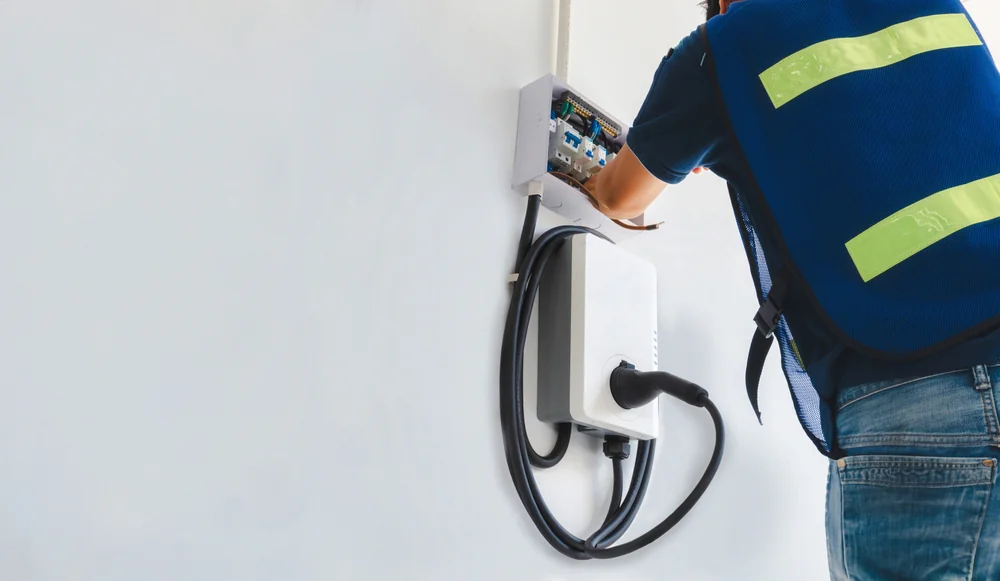
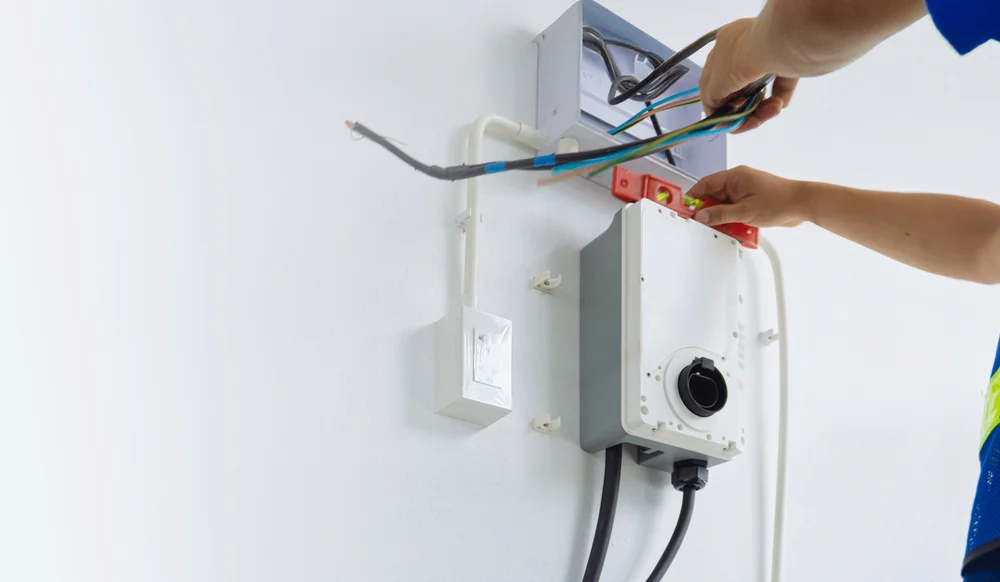
Electric Vehicle Charging Station Setup
You bought an electric vehicle to simplify your life, not complicate it. Home charging means you’re done circling parking lots looking for an open station or waiting 45 minutes at a public charger when you’ve got somewhere to be.
A Level 2 charger installed in your garage gives you a full charge overnight. You leave for work with a full battery, every single day. No apps to download for five different charging networks. No wondering if the station will actually work when you get there.
And if you’re worried about what this costs, Duke Energy’s EV Charger Installation Support Program covers up to $1,117 per household for the installation itself. That includes the outlet, the wiring, and even panel upgrades if your electrical system needs it. You’re already driving electric—might as well charge at home and let the utility company help pay for it.
Licensed Electricians Serving Orange County
ESP Electrical Service Providers has been handling residential and commercial electrical work in Rougemont, Orange County, Alamance County, and Chatham County for over 20 years. Andy Helton, our Master Electrician, brings 35+ years of hands-on experience to every job.
We’re not a national franchise with a rotating crew. You’re working with the same local team that’s been keeping the lights on in this area since before EV chargers were even a thing. We know the local permitting process, we know Duke Energy’s rebate requirements, and we know what older homes in this area need when it comes to panel capacity.
When you call, you talk to someone who actually answers. When we schedule your install, we show up. And when the job’s done, your charger works and your paperwork is ready for Duke Energy.
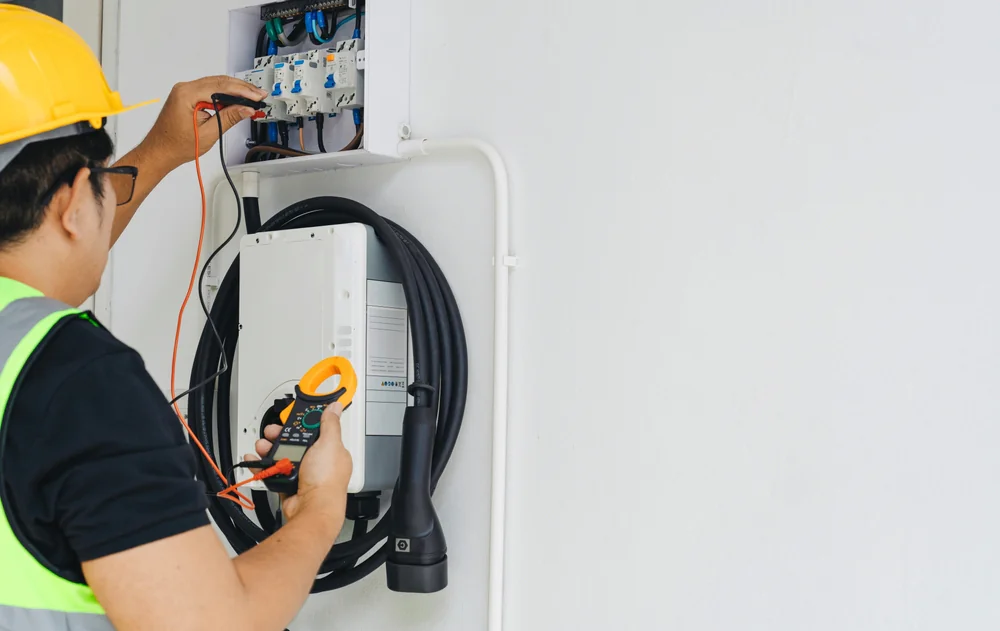
How EV Charger Installation Works
First, we come out and look at your electrical panel. Most homes in Rougemont were built before anyone thought about adding a 240-volt charging circuit, so we need to see if your panel has the capacity or if you’ll need an upgrade. This isn’t a sales pitch—it’s a safety check. If your panel can handle it, great. If not, we’ll tell you what’s required and why.
Next, we map out the route from your panel to where you want the charger. If your garage is detached or your panel is on the opposite side of the house, that affects the scope of work. We’ll give you a flat-rate price that covers everything: wiring, conduit, the outlet or hardwired connection, permits, and labor.
Once you approve, we pull the permit, do the install, and schedule the inspection. After it passes, we provide all the documentation you need to file for Duke Energy’s rebate. Then you plug in your car and you’re done. The whole process usually takes a few days from start to finish, depending on permitting and your schedule.
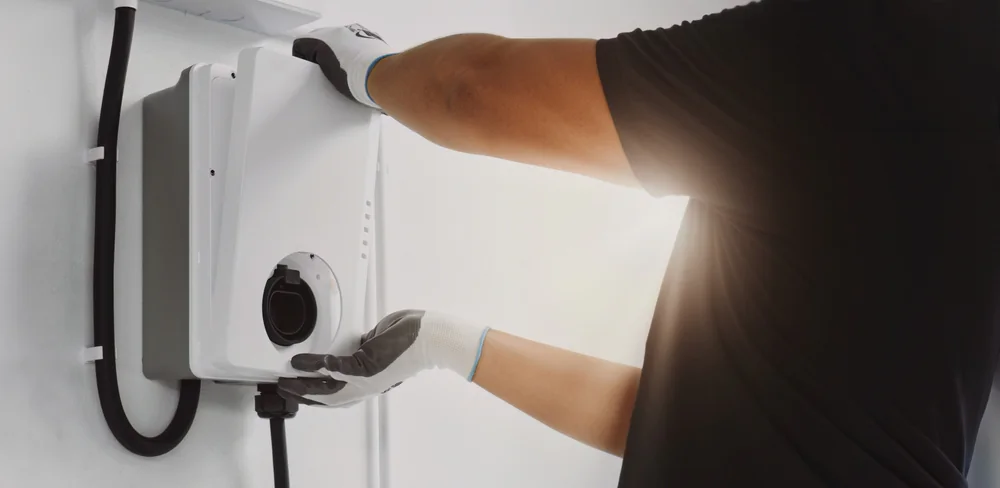
What's Included in Your EV Charger Setup
Your EV charger installation includes a full electrical assessment of your home’s current capacity. We check your panel, calculate your load, and determine whether you need a dedicated circuit or a full panel upgrade. If your home has 100-amp service and you’re adding an EV charger, a dryer, and central AC all running at once, something’s got to give. We make sure your system can handle it safely.
We install the 240-volt circuit, run the wiring to your garage or carport, and mount either a NEMA 14-50 outlet or hardwire your charger depending on what your vehicle and charger require. All work is up to code, and we handle the permit and inspection. You’ll also get documentation for Duke Energy’s rebate program, which covers a significant portion of the installation cost.
North Carolina added 50,000 EVs in just 23 months, and Orange County is one of the top counties for EV adoption in the state. That means more people are dealing with the same questions you are—how to charge at home without overpaying or creating a fire hazard. A proper install handles both.
How much does it cost to install an EV charger in Rougemont?
Installation costs typically range from $600 to $2,000 depending on your home’s electrical setup and how far the charger is from your panel. If your panel has available capacity and your garage is attached, you’re looking at the lower end. If you need a panel upgrade or your garage is detached and requires a long conduit run, costs go up.
Duke Energy’s rebate program covers up to $1,117 of the installation cost, which can cut your out-of-pocket expense significantly. On top of that, there’s a federal tax credit of up to $1,000 for residential EV charger installations. Between the two, you’re often paying a fraction of the total cost.
We give you a flat-rate price after the assessment, so there are no surprise charges. You’ll know exactly what it costs before we start the work.
Do I need to upgrade my electrical panel to install an EV charger?
It depends on your current panel and what else is running in your home. A Level 2 EV charger typically pulls 30 to 50 amps. If you have a 200-amp panel with room for another breaker and your total load stays under capacity, you’re fine. If you have a 100-amp or 150-amp panel that’s already close to maxed out, you’ll likely need an upgrade.
Older homes in Orange County often have smaller panels because they were built before modern electrical demands. Adding an EV charger to a system that’s already running HVAC, a water heater, a dryer, and kitchen appliances can overload the panel. We assess your system during the initial visit and let you know if an upgrade is necessary.
Panel upgrades add to the cost, but they’re also covered under Duke Energy’s rebate program. And honestly, if your panel is undersized, upgrading it now prevents problems down the road whether you’re charging a car or not.
How long does EV charger installation take?
The actual installation work usually takes four to eight hours depending on the complexity. If we’re running a new circuit from an existing panel with capacity to an attached garage, it’s a same-day job. If we’re upgrading a panel or running conduit across your property to a detached garage, it takes longer.
Permitting and inspection add a few days to the timeline. We pull the permit, schedule the work, complete the install, and then the county inspector comes out to sign off. In Orange County, inspections are usually scheduled within a few days. Once it passes, you’re cleared to use the charger.
From your first call to plugging in your car, the whole process typically takes one to two weeks. We keep you updated at every step so you know what’s happening and when.
Can I install an EV charger myself or do I need a licensed electrician?
Starting in 2026, electrical code requires professional installation for all permanently installed EV charging equipment. Even before that, installing a 240-volt circuit isn’t a DIY project unless you’re a licensed electrician. The risk of improper wiring causing a fire or electrical shock is real, and your homeowner’s insurance won’t cover damage from unpermitted electrical work.
You also won’t qualify for Duke Energy’s rebate without a licensed electrician doing the install and providing the required documentation. The rebate covers up to $1,117, which is more than enough reason to have it done right the first time.
If you’re handy and want to save money, we get it. But this isn’t the place to cut corners. A proper install protects your home, your vehicle, and your family. And it actually saves you money when you factor in the rebate you’d lose by doing it yourself.
What's the difference between a Level 1 and Level 2 EV charger?
A Level 1 charger plugs into a standard 120-volt outlet and adds about 3 to 5 miles of range per hour of charging. That’s fine if you drive 20 miles a day and can leave your car plugged in overnight. For most people, it’s too slow.
A Level 2 charger runs on 240 volts and adds 20 to 60 miles of range per hour depending on your vehicle and charger. If you drive 40 miles a day, you’re fully charged in two to three hours. That’s the difference between waking up to a full battery and waking up to a half-charged car because you forgot to plug in early enough.
Level 2 is what most EV owners install at home, and it’s what Duke Energy’s rebate program is designed to support. It requires a dedicated 240-volt circuit, which is why you need an electrician. But once it’s in, you’ve got fast, reliable home charging that actually keeps up with your driving.
Will installing an EV charger increase my home's value?
It can, especially as EV adoption grows in North Carolina. Orange County is one of the top counties in the state for EV registrations, and buyers shopping for homes here are increasingly looking for properties with charging infrastructure already in place.
A professionally installed Level 2 charger signals that the home is updated and ready for modern vehicles. It’s similar to having a whole-house generator or a smart thermostat—it’s a feature that appeals to a specific buyer, and for that buyer, it’s a big selling point.
Even if it doesn’t directly increase your appraised value, it makes your home more marketable. And if you’re planning to stay in the home, the convenience and cost savings of charging at home pay for themselves over time. You’re not installing it for resale—you’re installing it because it makes owning an EV actually work.
Other Services we provide in Rougemont
About Us

Electrical Service Providers (ESP) has been in business since 2002. ESP started out performing wiring services to new construction, remodeling projects and residential homes. Our company’s president identified a market for electrical services to be performed in homes and businesses independent of new construction. Read More about Electrical Service Providers>>
All Rights Reserved.Organic Marketing LLC
Business Listings


Product Brands Used
Allied, Broan, Cutler Hammer, General Electric, Ideal, Juno, Kohler, Leviton, Lutron, Siemens, Square D
Contact
- Office Address: 3254 S Anthony Ct.
Burlington, NC 27215 - Mailing Address: PO Box 25
Alamance, NC 27201 - Phone: 336-228-3300
- E-mail: [email protected], [email protected]
Service Areas
Chapel Hill, Burlington, Carrboro, Durham, Gibsonville, Hillsborough, Graham, Pittsboro, Morrisville, Cary
About Us
Electrical Service Providers (ESP) has been in business since 2002. ESP started out performing wiring services to new construction, remodeling projects and residential homes. Our company’s president identified a market for electrical services to be performed in homes and businesses independent of new construction. Read More about Electrical Service Providers>>
All Rights Reserved.Organic Marketing LLC