EV Charger Installation in Union Ridge, NC
Charge at Home Without the Guesswork or Delays
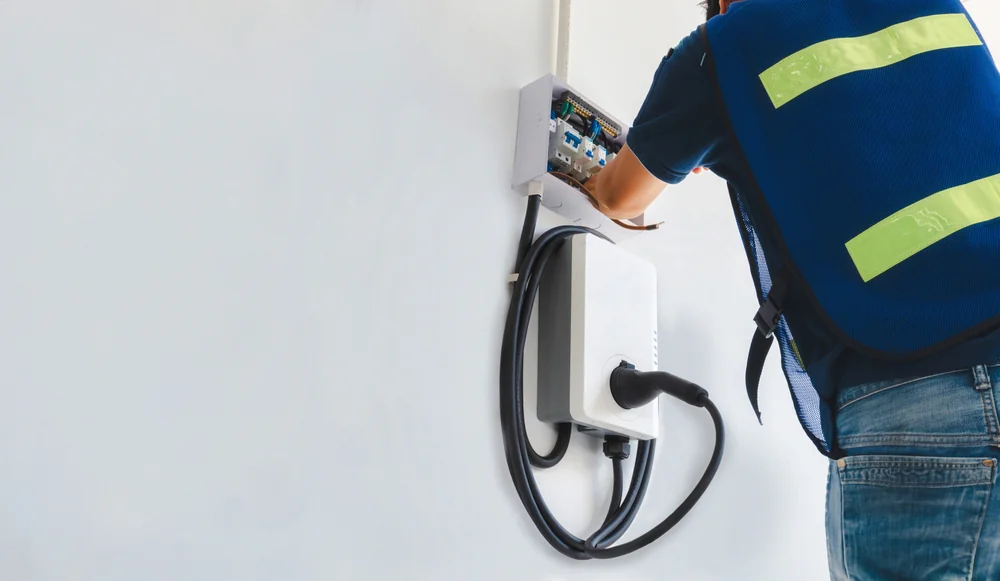
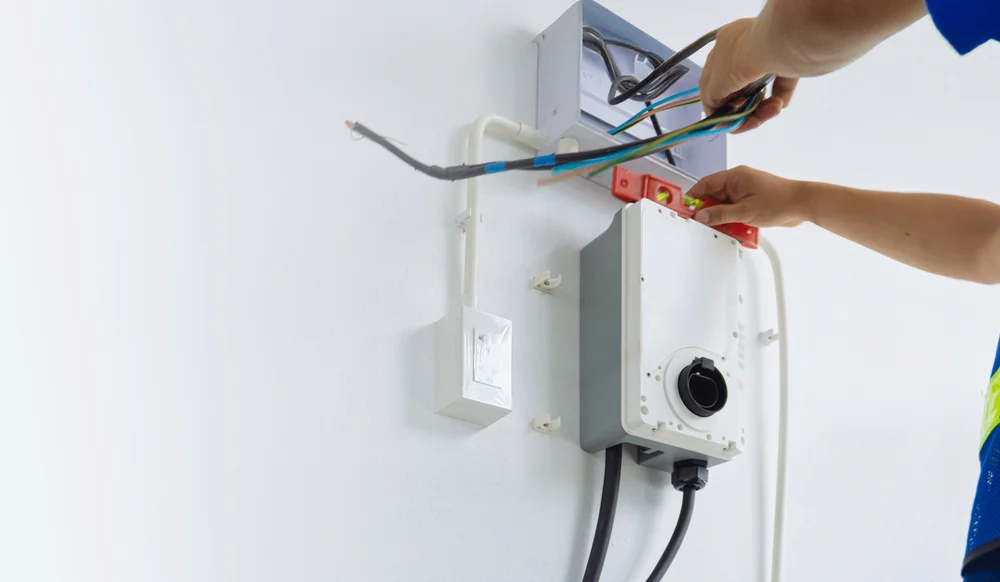
Home EV Charging Station Setup
You bought an electric vehicle to make life simpler. Hunting for public charging stations at inconvenient times wasn’t part of the plan.
A proper home EV charger installation means you plug in when you get home and start each day with a full battery. No more planning trips around charging stops or waiting in line at crowded stations. Your car charges while you sleep, and you’re ready to go when you are.
The right setup also protects your home’s electrical system. Level 2 chargers pull significant power, and if your panel or wiring isn’t up to the task, you’re looking at tripped breakers, slow charging, or worse. A licensed electrician evaluates your system first, upgrades what’s needed, and installs equipment that works safely with your home’s capacity. You get reliable charging without the risk of electrical issues down the road.
Licensed Electricians Serving Union Ridge, NC
ESP Electrical Service Providers has been handling electrical projects in Union Ridge and throughout Alamance County since 2002. Andy Helton, a Master Electrician with over 35 years of experience, runs the company with a focus on getting installations done right without the runaround.
You’re not calling a national franchise that subcontracts the work. You’re working with local electricians who know North Carolina’s building codes, understand Duke Energy’s rebate programs, and have the licensing to pull permits in your area. Our trucks are fully stocked, our pricing is flat-rate before we start, and we don’t leave until the job meets code and works the way it should.
Union Ridge homeowners are adding EVs faster than ever, and the electrical infrastructure in many homes wasn’t built for this kind of load. We’ve upgraded panels, run new circuits, and installed charging stations in homes across the area. If your home needs work before a charger can go in safely, we’ll tell you upfront what’s required and why.
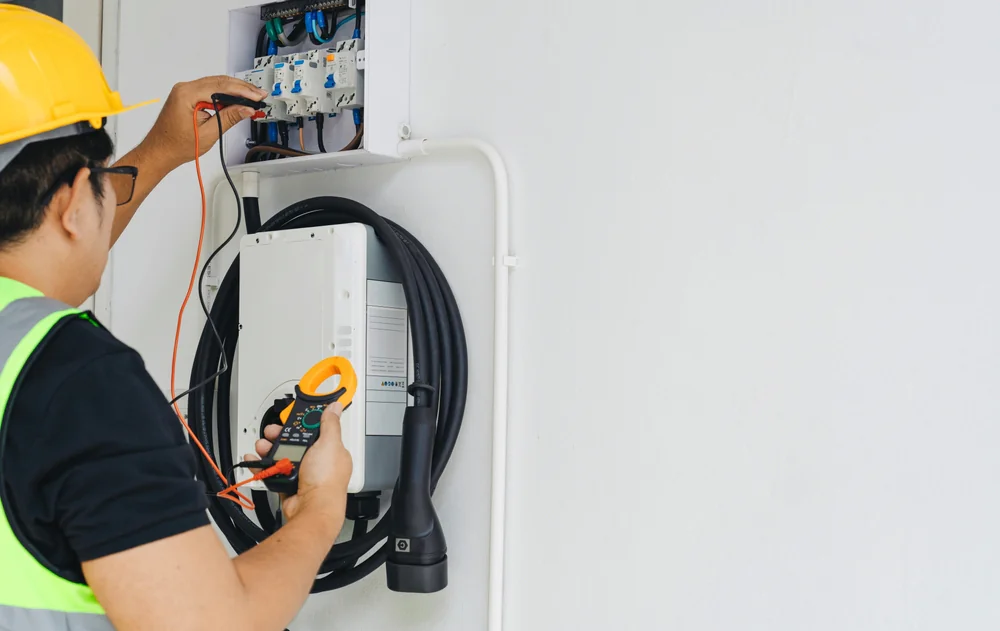
Our EV Charger Installation Process
First, we assess your home’s electrical capacity. That means checking your panel, evaluating your current load, and determining whether your system can handle a Level 2 charger. If you need an upgrade—like a new panel or dedicated circuit—we’ll explain what’s involved and give you a flat-rate price before any work starts.
Next, we handle the permits. EV charger installations require local permits and inspections in Union Ridge, and we take care of that process. You don’t need to deal with the county or track down paperwork. We pull the permits, schedule inspections, and make sure everything is code-compliant.
Then we install the charger. Our electricians mount the unit, run the wiring, connect it to your panel, and test the system to confirm it’s charging correctly. If you’re using a smart charger with app controls, we’ll walk you through the setup so you know how to monitor and schedule charging sessions.
Finally, we help you access Duke Energy’s rebate program. If you qualify for their EV Charger Installation Support Program, you could get up to $1,117 back for electrical upgrades. We provide the documentation you need to submit your claim and make the process as straightforward as possible.
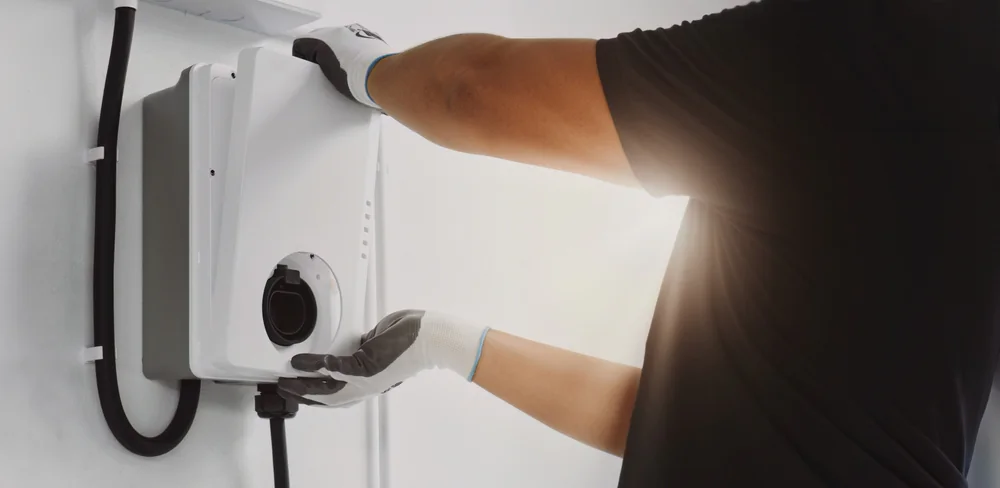
What's Included in EV Charger Setup
Your EV charger installation includes a full electrical system evaluation. We measure your panel’s available capacity, check the condition of your wiring, and identify any upgrades needed before installation. If your home requires a panel upgrade or a new 240-volt circuit, that’s part of the scope we’ll outline upfront.
We install Level 2 chargers, which are the standard for home use and charge your EV significantly faster than a regular outlet. Most Level 2 units add 25-30 miles of range per hour of charging, meaning an overnight charge fully replenishes your battery. We work with all major charger brands and can install the unit you’ve purchased or recommend options based on your vehicle and budget.
North Carolina’s EV adoption is growing fast—over 100,000 registered EVs statewide in 2024, well ahead of the state’s original projections. Union Ridge is part of that trend, and Duke Energy is actively supporting home charging infrastructure with rebates that cover a significant portion of installation costs. If your home qualifies, we’ll help you navigate that program and provide the necessary documentation for reimbursement.
We also handle any required trenching or conduit work if your charger is being installed in a detached garage or outside location. All wiring is run to code, protected properly, and inspected to meet local requirements.
How much does it cost to install an EV charger at my home in Union Ridge?
Installation costs vary based on your home’s current electrical setup. If your panel has available capacity and you’re installing the charger close to your electrical panel, you’re looking at a simpler job. If you need a panel upgrade, new circuit, or significant wiring work, costs increase accordingly.
Most installations in Union Ridge range from $800 to $2,500, depending on complexity. That includes labor, materials, permits, and inspection fees. Homes with older electrical systems or detached garages typically fall on the higher end because they require more extensive work.
Duke Energy’s rebate program can offset a significant portion of these costs. If you qualify, you can receive up to $1,117 toward electrical upgrades needed for your EV charger installation. We provide flat-rate pricing after evaluating your home, so you’ll know the total cost before we start any work.
Do I need to upgrade my electrical panel to install an EV charger?
It depends on your current panel’s capacity and how much power your home is already using. Level 2 EV chargers typically require a dedicated 240-volt circuit with a 40- or 50-amp breaker. If your panel doesn’t have space for a new breaker or is already running close to its maximum load, an upgrade is necessary.
Many homes in Union Ridge were built before EVs became common, and their panels weren’t designed to handle this additional load. We evaluate your system during the initial assessment and let you know whether an upgrade is required. If it is, we’ll explain what’s involved and provide a clear cost estimate.
Panel upgrades aren’t just about adding a charger—they also improve your home’s overall electrical safety and capacity. If you’re planning other upgrades or additions down the road, a larger panel gives you room to grow without needing another replacement later.
How long does EV charger installation take from start to finish?
If your home’s electrical system is ready and doesn’t need upgrades, installation typically takes four to six hours. That includes mounting the charger, running the wiring, connecting it to your panel, and testing the system. We schedule the work at a time that’s convenient for you and complete it in a single visit when possible.
If your home requires a panel upgrade or additional electrical work, the timeline extends. Panel upgrades usually add one to two days, depending on the scope. We also need to coordinate permit approvals and inspections, which can add a few days to the overall schedule depending on the county’s availability.
We’ll give you a realistic timeline upfront based on your specific situation. Once we start, we work efficiently and keep your property clean throughout the process. Our trucks are fully stocked, so we’re not making multiple trips for parts or materials.
Can I install an EV charger myself or use a general handyman?
EV charger installation requires a licensed electrician in North Carolina. This isn’t a DIY project or something a general handyman can legally handle. The work involves high-voltage wiring, panel modifications, and compliance with state and local electrical codes. If it’s not done correctly, you risk electrical fires, equipment damage, or voided warranties on your charger and vehicle.
Licensed electricians carry the proper insurance and are trained to handle the specific requirements of EV charger installations. We also pull the necessary permits and ensure the work passes inspection, which protects you if you ever sell your home or file an insurance claim.
Some homeowners try to cut costs by skipping permits or hiring unlicensed contractors. That can come back to haunt you during a home sale or if an electrical issue arises. Buyers and inspectors look for permitted work, and insurance companies may deny claims if unpermitted electrical work caused damage. It’s worth doing it right the first time.
What's the difference between Level 1 and Level 2 EV chargers?
Level 1 chargers plug into a standard 120-volt outlet—the same outlet you’d use for any household appliance. They’re slow, adding only 3-5 miles of range per hour of charging. If you drive 40 miles a day, you’re looking at 8-12 hours to recharge, which works for some people but isn’t practical if you drive more or need faster turnaround times.
Level 2 chargers use a 240-volt circuit, the same type that powers your dryer or oven. They charge much faster—typically 25-30 miles of range per hour. That means a full charge overnight, even if you’ve drained the battery. Most EV owners install Level 2 chargers because they’re more convenient and better suited to daily driving needs.
Level 2 installation requires professional electrical work because you’re adding a dedicated high-voltage circuit to your home. The charger itself costs more upfront, and installation adds to that, but the time savings and convenience make it the standard choice for home charging. If you’re serious about using your EV as your primary vehicle, Level 2 is the way to go.
Will installing an EV charger increase my home's value in Union Ridge?
It can, especially as EV adoption continues to grow in North Carolina. Homebuyers who already own an EV or are planning to buy one see a home charging station as a significant convenience. It’s one less thing they need to install after moving in, and it signals that the home’s electrical system has been updated to handle modern demands.
The value increase depends on your local market and buyer pool. In areas where EVs are common, a charging station is becoming an expected feature, similar to having a garage door opener or updated appliances. In Union Ridge and surrounding areas, EV registrations are climbing steadily, so the appeal is growing.
Even if it doesn’t directly increase your sale price, it can make your home more attractive and help it sell faster. Buyers are looking for move-in-ready homes with modern features, and an installed EV charger checks that box. It’s also a signal that the electrical system has been professionally upgraded, which adds to the overall perception of home quality and maintenance.
Other Services we provide in Union Ridge
About Us

Electrical Service Providers (ESP) has been in business since 2002. ESP started out performing wiring services to new construction, remodeling projects and residential homes. Our company’s president identified a market for electrical services to be performed in homes and businesses independent of new construction. Read More about Electrical Service Providers>>
All Rights Reserved.Organic Marketing LLC
Business Listings


Product Brands Used
Allied, Broan, Cutler Hammer, General Electric, Ideal, Juno, Kohler, Leviton, Lutron, Siemens, Square D
Contact
- Office Address: 3254 S Anthony Ct.
Burlington, NC 27215 - Mailing Address: PO Box 25
Alamance, NC 27201 - Phone: 336-228-3300
- E-mail: [email protected], [email protected]
Service Areas
Chapel Hill, Burlington, Carrboro, Durham, Gibsonville, Hillsborough, Graham, Pittsboro, Morrisville, Cary
About Us
Electrical Service Providers (ESP) has been in business since 2002. ESP started out performing wiring services to new construction, remodeling projects and residential homes. Our company’s president identified a market for electrical services to be performed in homes and businesses independent of new construction. Read More about Electrical Service Providers>>
All Rights Reserved.Organic Marketing LLC