EV Charger Installation in White Cross, NC
Charge at Home Without the Guesswork or Risk
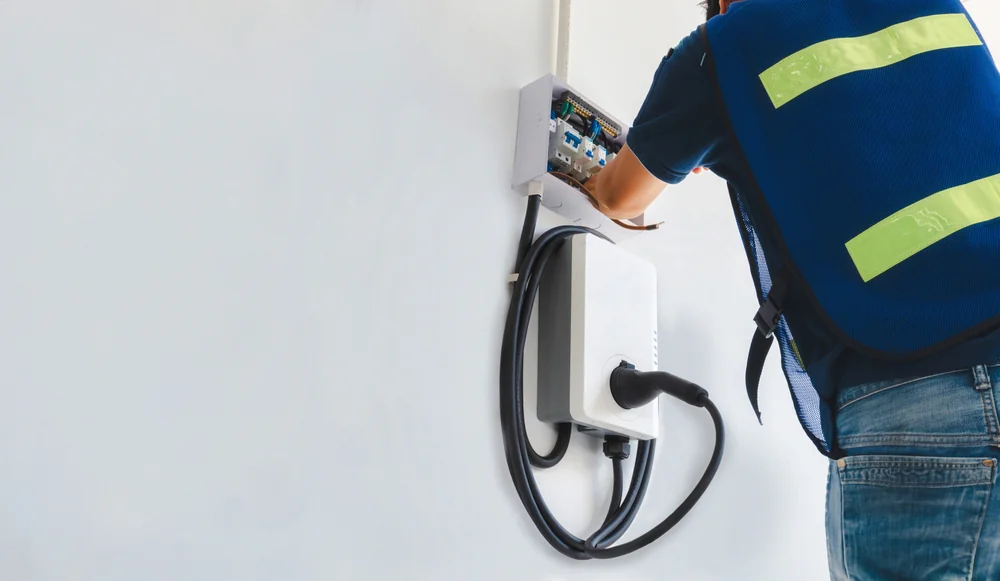
Electric Vehicle Charging for White Cross Homes
You pull into your driveway, plug in, and you’re done. No trips to charging stations. No wondering if your electrical panel can handle it. No range anxiety before your morning commute to Chapel Hill or Durham.
That’s what happens when your EV charger installation is handled by someone who knows what they’re doing. We evaluate your home’s electrical system first—not after something goes wrong. If your panel needs an upgrade or load management to safely support a Level 2 charger, you’ll know upfront what it takes and what it costs.
You get a charging station that works with your vehicle, your electrical capacity, and your daily routine. And because 80 percent of EV charging happens at home, getting this setup right matters more than most people realize until they’re dealing with a tripped breaker or a charger that won’t communicate with their car.
Licensed Electricians Serving White Cross Since 2002
We’ve been serving White Cross, Chapel Hill, and Orange County since 2002. We’re locally owned and operated by Andy Helton, a Master Electrician who’s been licensed since 1989.
We’re not new to electrical work, and we’re not learning EV charger installation on your driveway. We show up in uniform, in a fully stocked truck, with flat-rate pricing you’ll see before we start. You’ll know what it costs, what it includes, and how long it takes.
White Cross sits in one of the fastest-growing EV markets in North Carolina. The state added 50,000 electric vehicles in just 23 months, and nearly half of all EVs on the road here were registered in the last two years. That means more driveways need charging infrastructure that actually works—and more homeowners need electricians who understand the difference between running a 240V circuit and installing a smart charging system that won’t overload your panel.
How EV Charger Setup Works in White Cross
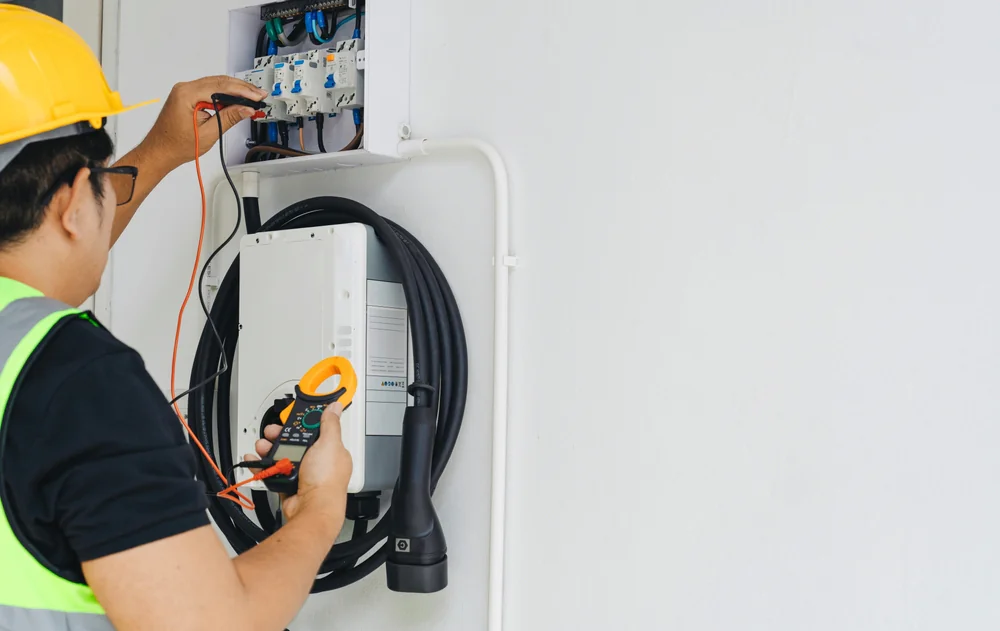
First, we assess your electrical panel. Most homes in White Cross have enough capacity for a Level 2 charger, but some don’t—especially older homes with 100-amp service or panels that are already maxed out. If yours needs an upgrade or load management, we’ll tell you what that looks like and what it costs before moving forward.
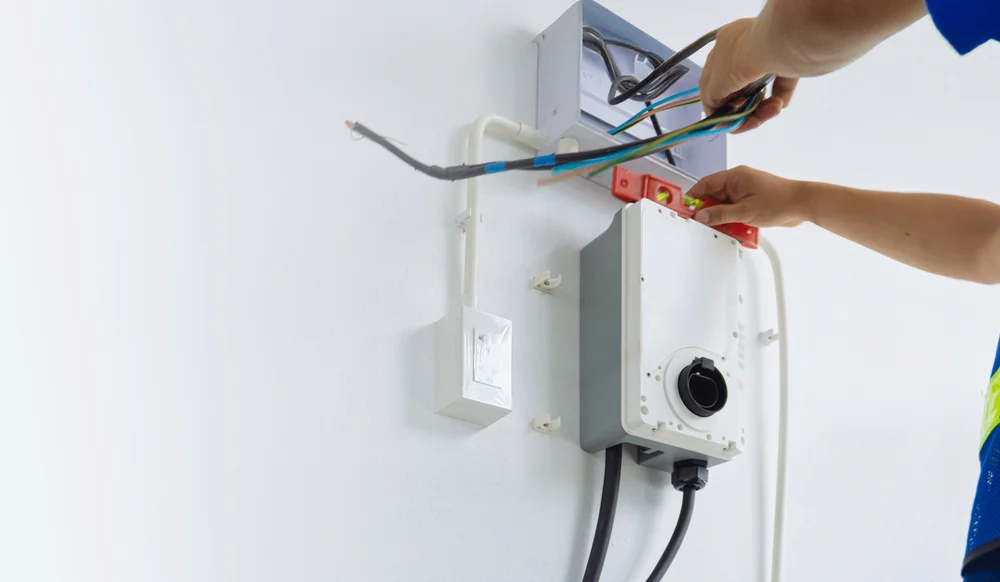
Next, we handle the permit. The city requires one for EV charger installation, and we take care of the paperwork so you don’t have to figure out what forms to file or what codes apply. Once that’s approved, we run the dedicated 240V circuit from your panel to wherever your charger’s going—garage wall, exterior mount, wherever makes sense for your parking setup.
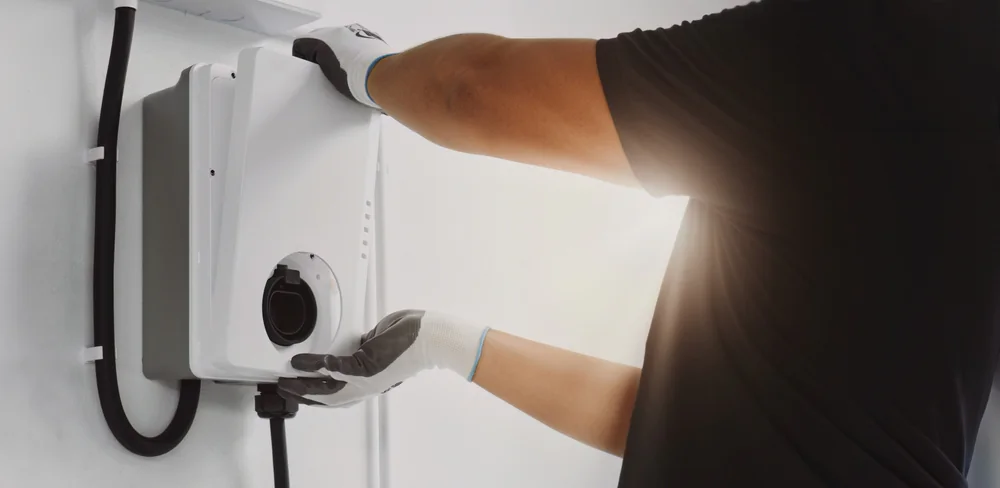
Then we install the charging station, test it with your vehicle, and make sure everything communicates properly. If you’re eligible for Duke Energy’s rebate program, we’ll help you navigate that too. Residential customers can get up to $1,133 back for electrical upgrades that support Level 2 charging. We clean up, walk you through how it works, and you’re charging that night.
What's Included in Your EV Charger Installation
You’re getting a full electrical assessment before anything gets installed. That means checking your panel’s capacity, inspecting your existing circuits, and determining whether you need a service upgrade or load management system to safely support an electric vehicle charger.
You’re getting proper wire sizing and circuit protection. A Level 2 charger pulls serious amperage—usually 30 to 50 amps depending on your vehicle and charging speed. If the wire gauge is wrong or the breaker isn’t rated correctly, you’re looking at overheating, tripped breakers, or worse. We’ve seen junction box failures cause fires within weeks of improper installation, and that’s not something you fix with a YouTube video.
You’re also getting permit handling, code compliance, and rebate assistance. North Carolina’s EV market is growing faster than almost anywhere else in the country, and Duke Energy is actively incentivizing home charging infrastructure. We make sure you’re not leaving money on the table, and we make sure your installation passes inspection the first time. If your home is in Chapel Hill or anywhere in Orange County, you’re in one of the most EV-dense areas in the state—which means inspectors know what to look for.
How do I know if my electrical panel can handle an EV charger?
Most modern panels can handle a Level 2 EV charger, but it depends on your total electrical load and available capacity. If you’ve got a 200-amp service and your panel isn’t already maxed out with HVAC, water heater, dryer, and other high-draw appliances, you’re probably fine.
If your home has a 100-amp panel or your breakers are already filling every slot, you’ll likely need an upgrade or a load management system. Load management lets your charger share capacity with other circuits—basically, it reduces charging speed when your dryer or AC kicks on, so nothing trips.
We assess this before quoting the job. You’ll know upfront whether your panel needs work or if we can run a dedicated circuit as-is. A lot of homes in White Cross were built before EVs were common, so panel upgrades aren’t unusual—but they’re not always necessary either.
What's the difference between a Level 1 and Level 2 charger?
Level 1 charging uses a standard 120V outlet—the same one you’d plug a lamp into. It’s slow. You’re looking at about 4 to 5 miles of range per hour of charging. If you drive 40 miles a day, that’s an overnight charge just to break even.
Level 2 charging uses a 240V circuit, the same voltage as your dryer or oven. It delivers 25 to 30 miles of range per hour, depending on your vehicle and charger amperage. That means a full charge overnight, even if you’re coming home near empty.
Most EV owners install Level 2 chargers because Level 1 doesn’t keep up with real-world driving. If you’re commuting to Durham or Chapel Hill daily, you need a charging solution that actually refills your battery while you sleep—not one that barely keeps pace.
Do I need a permit to install an EV charger in White Cross?
Yes. Any electrical work that involves adding a new circuit or upgrading your panel requires a permit in North Carolina. That includes EV charger installation.
The permit process ensures your installation meets the National Electrical Code and local safety standards. It’s not just paperwork—it’s what keeps your home safe and your insurance valid if something ever goes wrong.
We handle the permit filing and inspection scheduling. You don’t need to visit the city office or figure out what documentation they need. We pull the permit, do the work, and coordinate the inspection. Once it passes, you’re good to go.
Can I use the Duke Energy rebate for my EV charger installation?
If you’re a Duke Energy residential customer, you can get up to $1,133 back for electrical upgrades that support Level 2 EV charging. That rebate covers things like panel upgrades, dedicated circuits, and load management systems—not the charger itself, but the electrical work required to install it safely.
The rebate program is designed to offset the cost of making your home EV-ready. If your panel needs an upgrade to support a 240V charger, that rebate can cover a significant chunk of the work.
We help you navigate the application process. Duke Energy has specific requirements for what qualifies, and we make sure your installation meets them. You’ll need documentation and proof of installation, and we provide that as part of the job.
How long does an EV charger installation take?
Most installations take 4 to 6 hours if your panel has capacity and we’re running a straightforward dedicated circuit. If your charger’s going in a garage that’s close to your electrical panel and there’s no drywall or exterior work involved, it’s a same-day job.
If you need a panel upgrade or we’re running conduit across your property to reach a detached garage or carport, it takes longer—usually a full day or two depending on the scope.
We give you a timeline upfront based on your specific setup. You’ll know before we start whether this is a half-day job or something that requires a follow-up visit for inspection and final connection.
What happens if my EV charger stops working after installation?
If your charger stops working, the issue is usually one of three things: the charger itself, the circuit, or communication between the charger and your vehicle. We troubleshoot all three.
If it’s the circuit—tripped breaker, loose connection, or wiring issue—that’s on us, and we’ll come back to fix it. If it’s the charger unit, that’s typically a warranty issue with the manufacturer, but we’ll help you determine what’s wrong and what needs to happen next.
Most charger failures come from improper installation—wrong wire gauge, inadequate breaker sizing, or poor connections that overheat over time. That’s why working with a licensed electrician who’s done this before matters. We size everything correctly, test it before we leave, and make sure your system is set up to last.
Other Services we provide in White Cross
About Us

Electrical Service Providers (ESP) has been in business since 2002. ESP started out performing wiring services to new construction, remodeling projects and residential homes. Our company’s president identified a market for electrical services to be performed in homes and businesses independent of new construction. Read More about Electrical Service Providers>>
All Rights Reserved.Organic Marketing LLC
Business Listings


Product Brands Used
Allied, Broan, Cutler Hammer, General Electric, Ideal, Juno, Kohler, Leviton, Lutron, Siemens, Square D
Contact
- Office Address: 3254 S Anthony Ct.
Burlington, NC 27215 - Mailing Address: PO Box 25
Alamance, NC 27201 - Phone: 336-228-3300
- E-mail: [email protected], [email protected]
Service Areas
Chapel Hill, Burlington, Carrboro, Durham, Gibsonville, Hillsborough, Graham, Pittsboro, Morrisville, Cary
About Us
Electrical Service Providers (ESP) has been in business since 2002. ESP started out performing wiring services to new construction, remodeling projects and residential homes. Our company’s president identified a market for electrical services to be performed in homes and businesses independent of new construction. Read More about Electrical Service Providers>>
All Rights Reserved.Organic Marketing LLC