Surge Protection in Bahama, NC
Stop Power Surges Before They Strike
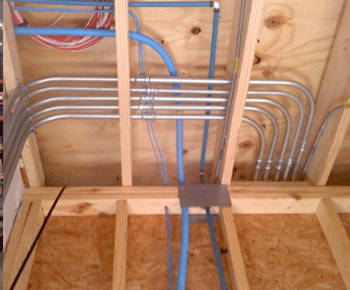
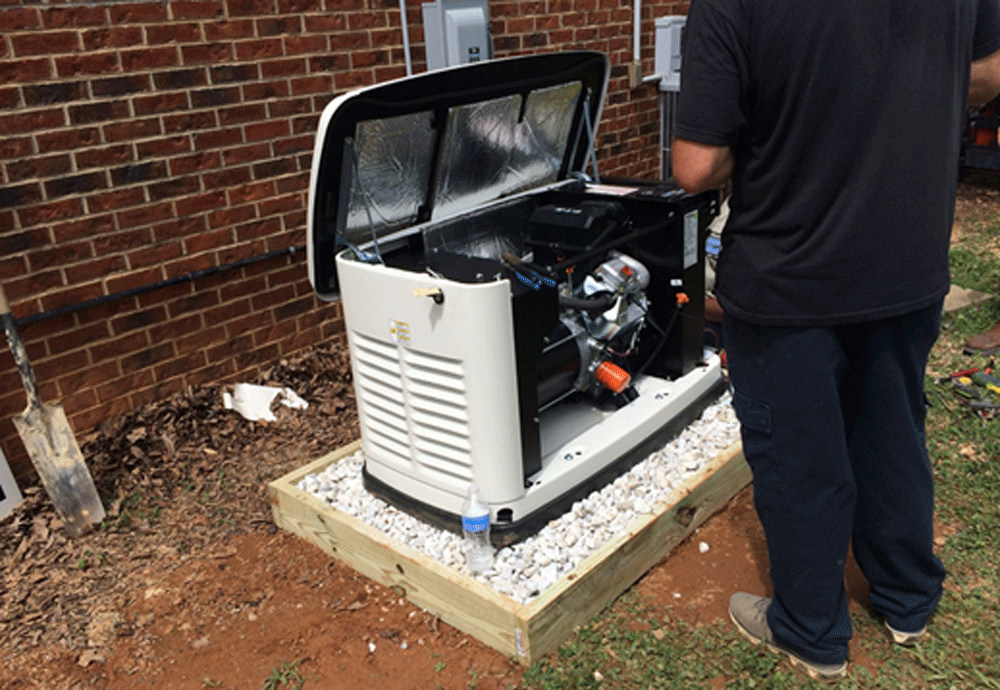
Whole Home Surge Protection Bahama
You flip the switch and everything works. Your HVAC system runs smoothly. Your smart TV, computer, and kitchen appliances operate without a hitch. That’s what happens when your home has proper surge protection.
Power surges don’t announce themselves. They hit during storms, when the power company switches grids, or even when your own appliances cycle on and off. Without protection, these surges slowly damage your electronics over time or destroy them instantly during major events.
With whole house surge protection, excess voltage gets diverted away from your home’s electrical system before it reaches your outlets. Your expensive appliances stay protected. Your electronics last longer. You avoid those surprise repair bills that can cost thousands.
Surge Protector Installation Bahama NC
We’ve been protecting homes in Bahama and throughout Durham County since 2002. Andy Helton, our Master Electrician and owner, brings over 35 years of electrical experience to every installation.
We know the unique challenges that North Carolina weather brings to your electrical system. From summer thunderstorms to winter ice storms, we’ve seen how power surges affect local homes. That’s why we only install professional-grade surge protection devices that can handle what Mother Nature throws at us.
Our licensed and insured technicians arrive in fully stocked trucks, ready to complete your installation correctly the first time. We use flat-rate pricing, so you know the cost upfront with no surprises.
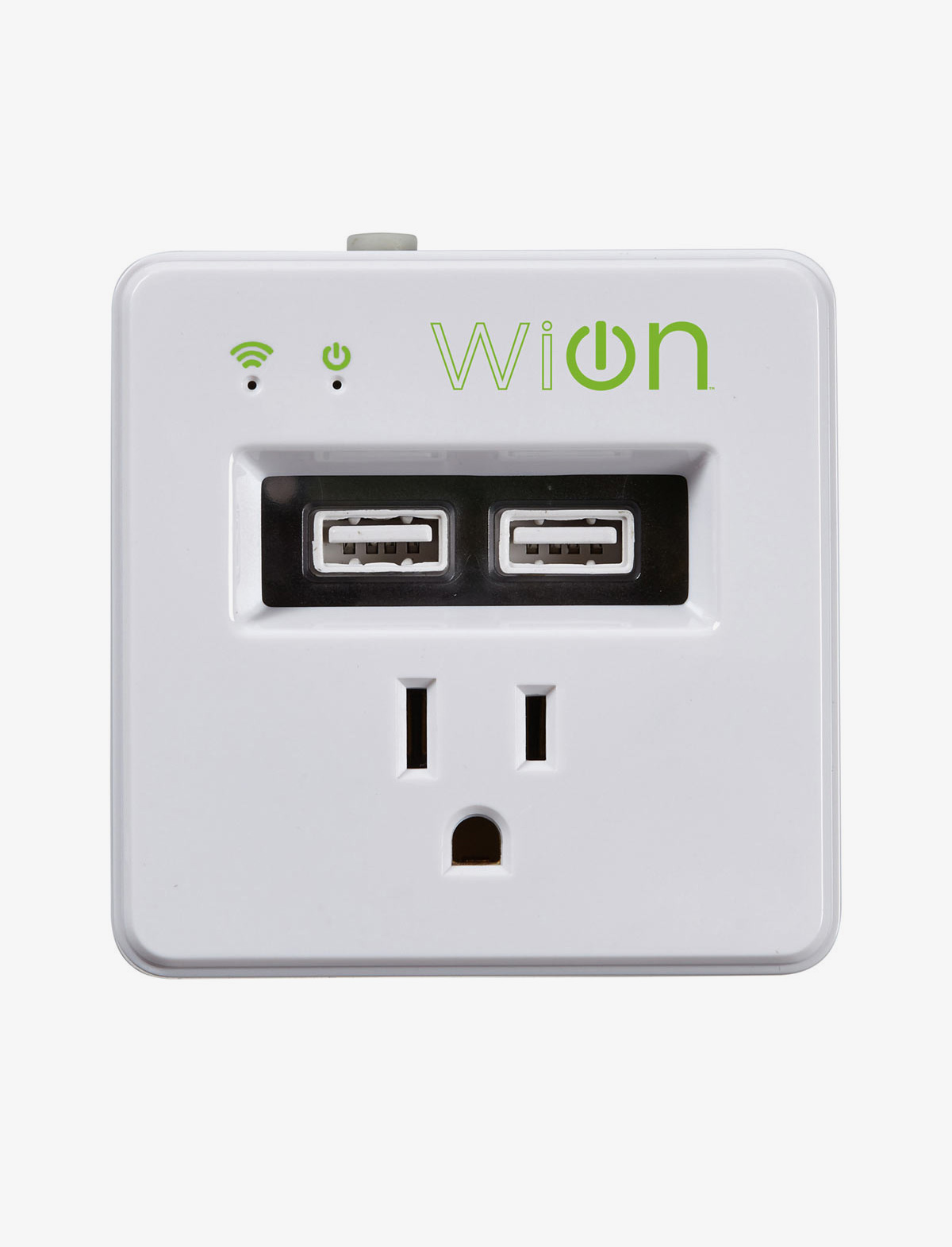
Residential Surge Protection Installation Process
First, we evaluate your electrical panel to determine the right surge protection device for your home. Not all surge protectors are created equal, and we match the protection level to your specific needs and electrical setup.
Next, we install the whole house surge protector directly at your main electrical panel. This positioning allows it to intercept surges before they reach any outlet in your home. The device continuously monitors your incoming power and instantly diverts excess voltage to ground when it detects a surge.
Finally, we test the system to ensure it’s working properly and explain how the status indicators work. You’ll know your protection is active and when it needs attention. The entire installation typically takes about two hours, and your home is protected immediately.
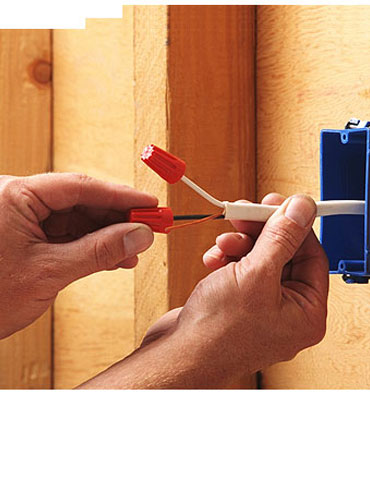
Power Surge Protection Bahama NC
Your whole house surge protection system guards every outlet, switch, and hardwired appliance in your home. This includes your HVAC system, water heater, garage door opener, and any other electrical equipment that can’t be unplugged during storms.
In Bahama and the greater Triangle area, we see power surges from multiple sources. Summer thunderstorms are obvious culprits, but utility company grid switching and even your neighbor’s large electrical loads can send surges into your home. Your own appliances create internal surges too when high-draw equipment like air conditioners and electric water heaters cycle on and off.
The surge protection devices we install are rated to handle these real-world conditions. They meet the 2020 National Electrical Code requirements and provide the level of protection that modern homes with smart devices, computers, and sensitive electronics actually need.
How much does whole house surge protection cost in Bahama, NC?
Professional whole house surge protection installation in Bahama typically costs between $400 and $800, including the device and labor. The exact cost depends on your electrical panel type and the surge protection rating you choose.
We use flat-rate pricing, so you’ll know the exact cost before we start work. Most homeowners find this investment pays for itself by preventing just one major appliance replacement. Consider that a new HVAC system can cost $5,000 or more, while surge protection costs a fraction of that amount.
Will a whole house surge protector protect my air conditioning system?
Yes, whole house surge protection protects your air conditioning system and all other hardwired appliances in your home. HVAC systems are particularly vulnerable to power surges because they contain sensitive control boards and motors that can be damaged by voltage spikes.
Your AC unit can also create internal surges when it cycles on and off, which can affect other electronics in your home. Whole house surge protection works both ways – it protects your AC from incoming surges and protects your other appliances from surges created by your AC system.
This is especially important in North Carolina where air conditioners run frequently during our hot summers, creating more opportunities for internal surge events.
Do I really need surge protection if I have power strips?
Power strips with surge protection only protect the devices plugged into them, leaving the rest of your home vulnerable. Your refrigerator, HVAC system, water heater, garage door opener, and hardwired appliances get no protection from plug-in surge strips.
Whole house surge protection works at your electrical panel to protect every outlet and appliance in your home. It’s also more robust than typical power strips, designed to handle the large surges that can come from lightning strikes or utility grid issues.
The best approach is layered protection – whole house surge protection for comprehensive coverage, plus quality point-of-use surge protectors for your most sensitive electronics like computers and entertainment systems.
How long does a whole house surge protector last?
Quality whole house surge protectors typically last 5 to 10 years, depending on how many surges they absorb and the severity of those surges. The devices we install have indicator lights that show when they’re working properly and alert you if they need replacement.
Each time your surge protector diverts a power surge, it absorbs some of that energy. Over time, this gradually reduces its capacity to handle future surges. A major surge event, like a nearby lightning strike, might require immediate replacement even if the unit is relatively new.
We recommend having your surge protection system inspected annually as part of regular electrical maintenance. This ensures it’s still providing full protection and catches any issues before they become problems.
Can I install a whole house surge protector myself?
No, whole house surge protectors must be installed by a licensed electrician. The installation involves working directly with your main electrical panel, which carries dangerous voltages that can cause serious injury or death if handled improperly.
Professional installation is also required for warranty coverage. Most surge protector manufacturers will only honor their equipment warranties and connected equipment coverage if the device was installed by a licensed electrician following proper procedures.
Additionally, improper installation can create fire hazards or leave your home without proper protection. Our licensed technicians ensure your surge protector is installed correctly and safely, giving you peace of mind along with electrical protection.
What causes power surges in Bahama and the Triangle area?
Power surges in our area come from both external and internal sources. External surges are caused by lightning strikes, utility company grid switching, transformer issues, and power restoration after outages. North Carolina’s frequent thunderstorms make lightning-related surges a real concern for homeowners.
Internal surges happen when high-powered appliances in your home turn on or off. Your air conditioning system, electric water heater, refrigerator, and other motor-driven appliances create brief voltage spikes when they cycle. These smaller surges happen daily and cause gradual damage to sensitive electronics over time.
The power grid itself is another source of surges as it works harder to meet increasing electrical demands. Grid switching operations and voltage regulation can send surges down the lines to your home, even on clear days when you wouldn’t expect electrical problems.
Other Services we provide in Bahama
About Us

Electrical Service Providers (ESP) has been in business since 2002. ESP started out performing wiring services to new construction, remodeling projects and residential homes. Our company’s president identified a market for electrical services to be performed in homes and businesses independent of new construction. Read More about Electrical Service Providers>>
All Rights Reserved.Organic Marketing LLC
Business Listings


Product Brands Used
Allied, Broan, Cutler Hammer, General Electric, Ideal, Juno, Kohler, Leviton, Lutron, Siemens, Square D
Contact
- Office Address: 3254 S Anthony Ct.
Burlington, NC 27215 - Mailing Address: PO Box 25
Alamance, NC 27201 - Phone: 336-228-3300
- E-mail: [email protected], [email protected]
Service Areas
Chapel Hill, Burlington, Carrboro, Durham, Gibsonville, Hillsborough, Graham, Pittsboro, Morrisville, Cary
About Us
Electrical Service Providers (ESP) has been in business since 2002. ESP started out performing wiring services to new construction, remodeling projects and residential homes. Our company’s president identified a market for electrical services to be performed in homes and businesses independent of new construction. Read More about Electrical Service Providers>>
All Rights Reserved.Organic Marketing LLC