Surge Protection in Farrington, NC
Your Electronics Protected From Every Power Surge
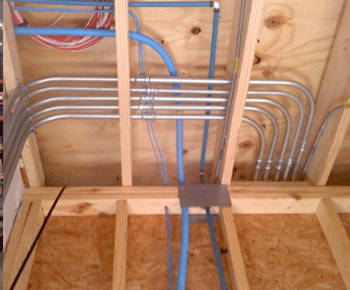
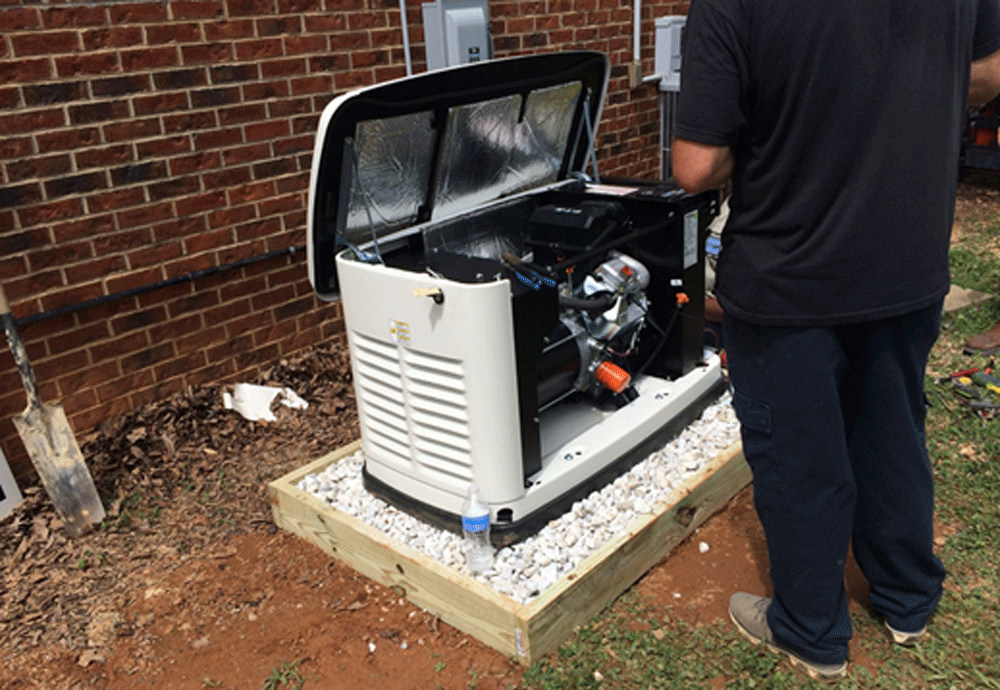
Whole Home Surge Protector Farrington
Picture never losing sleep over whether that lightning strike damaged your refrigerator, TV, or computer. With whole home surge protection, every outlet in your house gets defended against power surges—the ones from storms and the everyday ones from your own appliances cycling on and off.
Most people don’t realize that up to 80% of power surges actually come from inside your home. Your air conditioner kicks on, your washer starts a cycle, and those voltage spikes slowly wear down your electronics over time. You might not notice it happening, but your devices are aging faster than they should.
A whole home surge protector mounts right to your electrical panel and catches these surges before they reach any of your outlets. It’s like having a security guard for your entire electrical system, working 24/7 to divert dangerous voltage spikes safely into the ground.
Farrington Electrical Surge Protection Experts
We’ve been serving Farrington and the greater Burlington area since 2002. Owner Andy Helton brings over 35 years of electrical experience as a Master Electrician, and our senior technician has been licensed since 1989.
We’ve seen what power surges can do to North Carolina homes, especially during our intense spring and summer thunderstorm seasons. That’s why we focus on proper surge protection installation—because replacing a $300 surge protector beats replacing $10,000 worth of fried electronics.
You’ll always know your cost upfront with our flat-rate pricing. Our uniformed technicians arrive in fully stocked trucks, and we clean up before we leave. Your project isn’t complete until you’re completely satisfied.
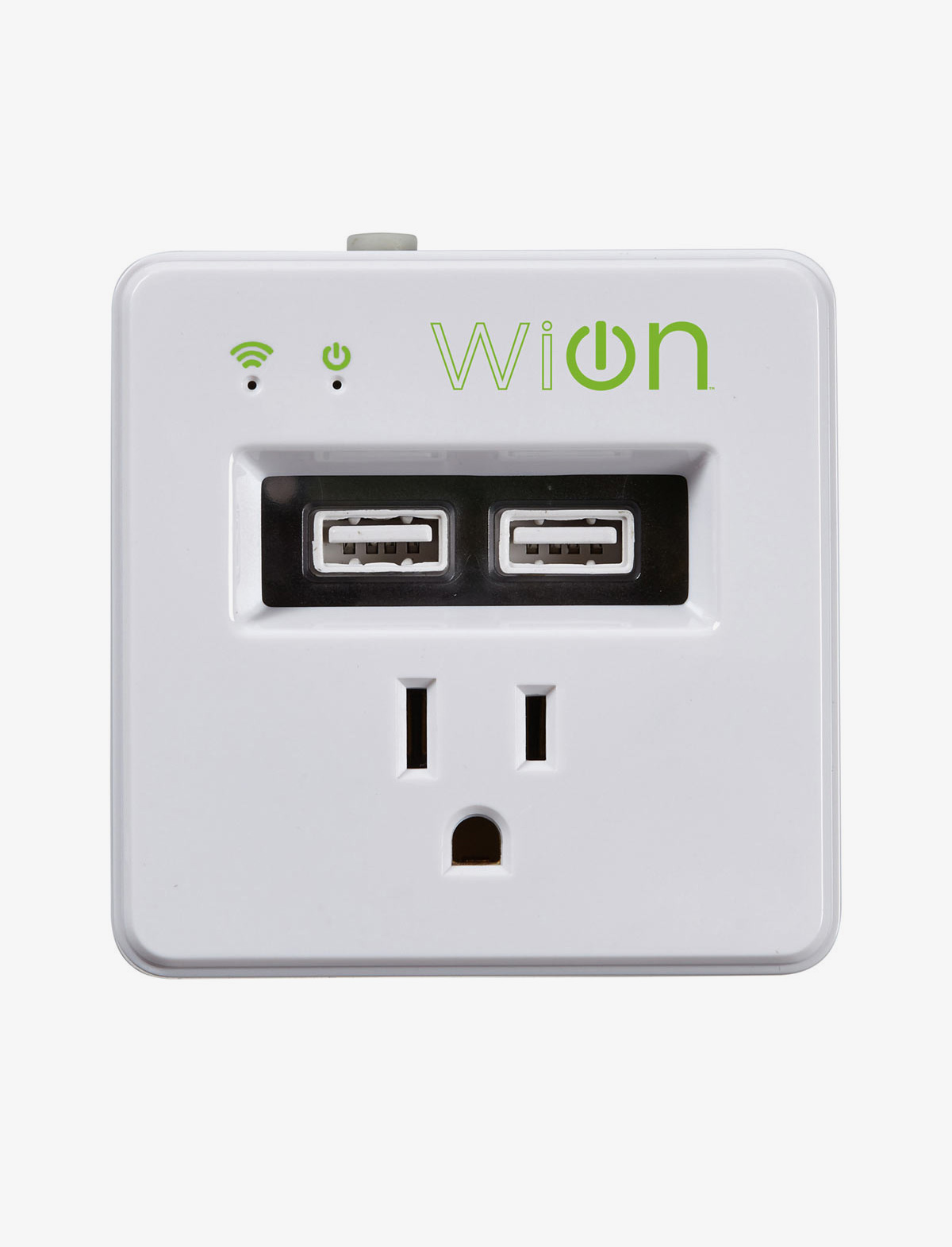
Surge Protection Installation Process Farrington
First, we inspect your electrical panel to make sure it can handle a surge protector and check if you have any subpanels that need protection too. Some homes need surge protection on multiple panels for complete coverage.
Next, we select the right surge protector for your home’s electrical setup. We consider factors like your panel’s amperage, your home’s voltage requirements, and the level of protection you need. Different surge protectors handle different amounts of electrical current, so getting the right match matters.
Installation typically takes about an hour. We mount the surge protector directly to your electrical panel and wire it into your system. The device monitors your electrical flow constantly, and when it detects a surge, it instantly diverts that excess voltage into the ground wire instead of letting it reach your outlets. We test everything to make sure it’s working properly before we leave.
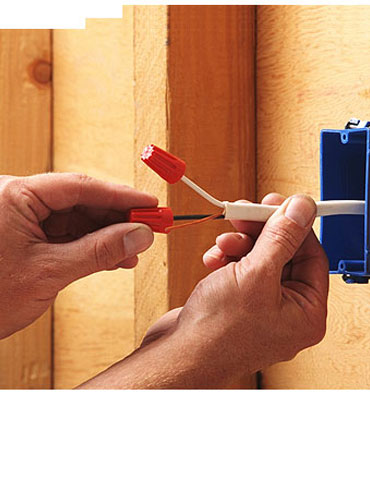
Residential Surge Protection Farrington NC
Your surge protection covers everything connected to your electrical system—refrigerators, HVAC systems, washers, dryers, ovens, computers, TVs, and smart home devices. Unlike plug-in surge strips that only protect whatever’s plugged into them, whole home protection defends every outlet in your house.
Here in North Carolina, we deal with frequent lightning during storm season, plus the everyday surges from utility company switching and our own appliances. The average surge hits 6,000 volts, which is more than enough to instantly damage sensitive electronics or slowly wear them down over time.
Since 2020, the National Electrical Code requires whole home surge protectors in all new construction. That tells you how important this protection has become. Many homeowners also qualify for insurance discounts after installation, which helps offset the cost. Most surge protectors last 5-10 years and come with indicator lights that tell you when they need replacement.
How much does whole home surge protection cost in Farrington?
Most whole home surge protector installations in the Farrington area run between $500-700, depending on your electrical setup and the type of protection you choose. The device itself typically costs $200-400, with the rest being professional installation by a licensed electrician.
Some homes have subpanels that need their own surge protectors, which can increase the total cost. But consider this: replacing a surge protector costs hundreds, while replacing surge-damaged electronics can cost thousands. Most of our customers tell us it’s the best insurance they’ve ever bought.
We provide flat-rate pricing, so you’ll know the exact cost before we start any work. No surprises, no hidden fees.
Will surge protection work during lightning strikes in North Carolina?
Whole home surge protectors are specifically designed to handle lightning-induced power surges, which are common during North Carolina’s intense spring and summer storm seasons. However, they’re not magic shields against direct lightning strikes to your house.
What they do protect against are the voltage spikes that travel through power lines when lightning strikes nearby. These surges can reach your home through the electrical grid and damage everything plugged in. Your surge protector detects these spikes and diverts them safely into the ground before they reach your outlets.
For the best protection, your home also needs proper grounding with a grounding rod and wire at your main electrical panel. We check this during installation to make sure everything works together properly.
Do I still need plug-in surge protectors with whole home protection?
Whole home surge protection handles the big surges that come through your electrical panel, but many electricians recommend a layered approach for maximum protection. Think of whole home protection as your first line of defense against major surges from lightning or utility issues.
Plug-in surge protectors can provide additional protection for your most sensitive or expensive electronics like computers, entertainment systems, or home office equipment. They catch smaller surges that might slip through or surges generated by other devices in your home.
This two-layer approach gives you the most comprehensive protection possible. The whole home system stops the dangerous surges, while point-of-use protectors handle the smaller ones that could still cause gradual damage over time.
How long do whole home surge protectors last?
Most quality whole home surge protectors last 5-10 years with normal use. However, their lifespan depends on how many surges they absorb and how severe those surges are. Each time your surge protector stops a surge, it takes a small hit.
Many modern surge protectors come with indicator lights or alarms that tell you when the device is no longer providing protection and needs replacement. Some will show a green light when working properly and turn red or go dark when they need to be replaced.
We recommend having your surge protector checked during routine electrical maintenance. If you experience a major surge event like a nearby lightning strike, it’s worth having us inspect the device to make sure it’s still functioning properly. Better safe than sorry when it comes to protecting thousands of dollars worth of electronics.
Can power surges happen even when there's no storm?
Absolutely. In fact, up to 80% of power surges come from inside your own home, not from external sources like lightning or utility problems. Every time a major appliance like your air conditioner, refrigerator, or washing machine turns on or off, it can create voltage spikes in your electrical system.
These internal surges are usually smaller than lightning-induced surges, but they happen much more frequently. Over time, they slowly wear down your electronics’ internal components, causing premature failure. You might not notice the damage happening, but your devices age faster than they should.
Utility companies can also cause surges when they switch power grids or during power restoration after outages. Even your neighbors’ electrical usage can sometimes affect your power quality. That’s why whole home surge protection makes sense regardless of the weather—it’s working around the clock to keep your electronics safe.
Why can't I just install a surge protector myself?
Whole home surge protectors connect directly to your main electrical panel, which involves working with high-voltage electricity that can be deadly if handled incorrectly. This isn’t like plugging in a power strip—it requires opening your electrical panel and making connections to live wires.
Most surge protector warranties are only valid if a licensed electrician performs the installation. If something goes wrong with a DIY installation and your electronics get damaged, you won’t have any warranty coverage. Insurance companies may also deny claims if they discover unlicensed electrical work.
Beyond safety and warranty issues, proper installation requires knowledge of electrical codes, proper grounding techniques, and how to select the right surge protector for your specific electrical setup. We make sure everything is installed correctly and up to code, so you get maximum protection and peace of mind.
About Us

Electrical Service Providers (ESP) has been in business since 2002. ESP started out performing wiring services to new construction, remodeling projects and residential homes. Our company’s president identified a market for electrical services to be performed in homes and businesses independent of new construction. Read More about Electrical Service Providers>>
All Rights Reserved.Organic Marketing LLC
Business Listings


Product Brands Used
Allied, Broan, Cutler Hammer, General Electric, Ideal, Juno, Kohler, Leviton, Lutron, Siemens, Square D
Contact
- Office Address: 3254 S Anthony Ct.
Burlington, NC 27215 - Mailing Address: PO Box 25
Alamance, NC 27201 - Phone: 336-228-3300
- E-mail: [email protected], [email protected]
Service Areas
Chapel Hill, Burlington, Carrboro, Durham, Gibsonville, Hillsborough, Graham, Pittsboro, Morrisville, Cary
About Us
Electrical Service Providers (ESP) has been in business since 2002. ESP started out performing wiring services to new construction, remodeling projects and residential homes. Our company’s president identified a market for electrical services to be performed in homes and businesses independent of new construction. Read More about Electrical Service Providers>>
All Rights Reserved.Organic Marketing LLC