Surge Protection in Haywood, NC
Your Electronics Are Under Attack Every Day
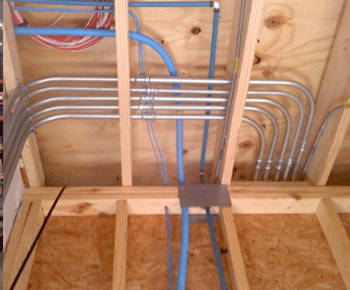
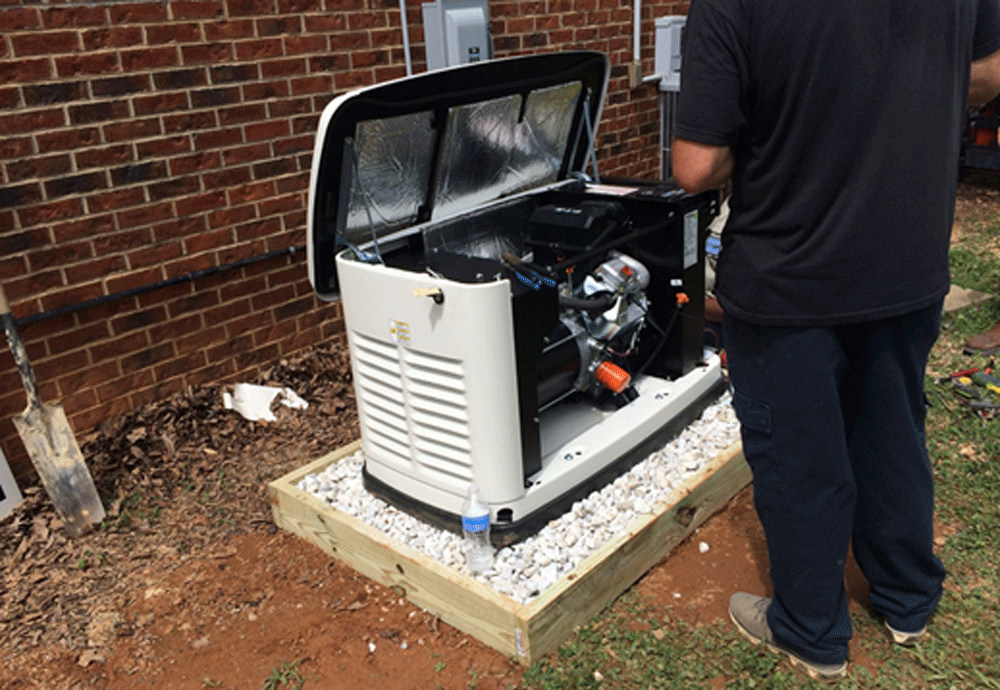
Whole Home Surge Protection Haywood
Every power surge that hits your home costs you money. Your smart TV gets a little slower. Your HVAC system works a little harder. Your computer crashes more often.
Most Haywood homeowners don’t realize they’re sitting on thousands of dollars in vulnerable electronics. Your refrigerator, washer, dryer, HVAC system, entertainment center, and smart home devices are all at risk every single day.
Whole home surge protection stops voltage spikes before they reach your devices. No more gradual damage eating away at your investments. No more wondering if the next storm will fry your expensive appliances.
Haywood NC Surge Protection Installation
We’ve been protecting homes across North Carolina since 2002. We’ve seen what power surges do to unprotected homes in Haywood and surrounding areas.
Our master electrician brings over 35 years of experience to every installation. We understand North Carolina’s unique challenges—frequent thunderstorms, utility grid switching, and the power demands of modern homes.
When you call us, you’re getting straight answers from people who’ve been doing this work since before smart homes existed. We’ve adapted our surge protection strategies as technology has evolved, but our commitment to protecting your investment hasn’t changed.
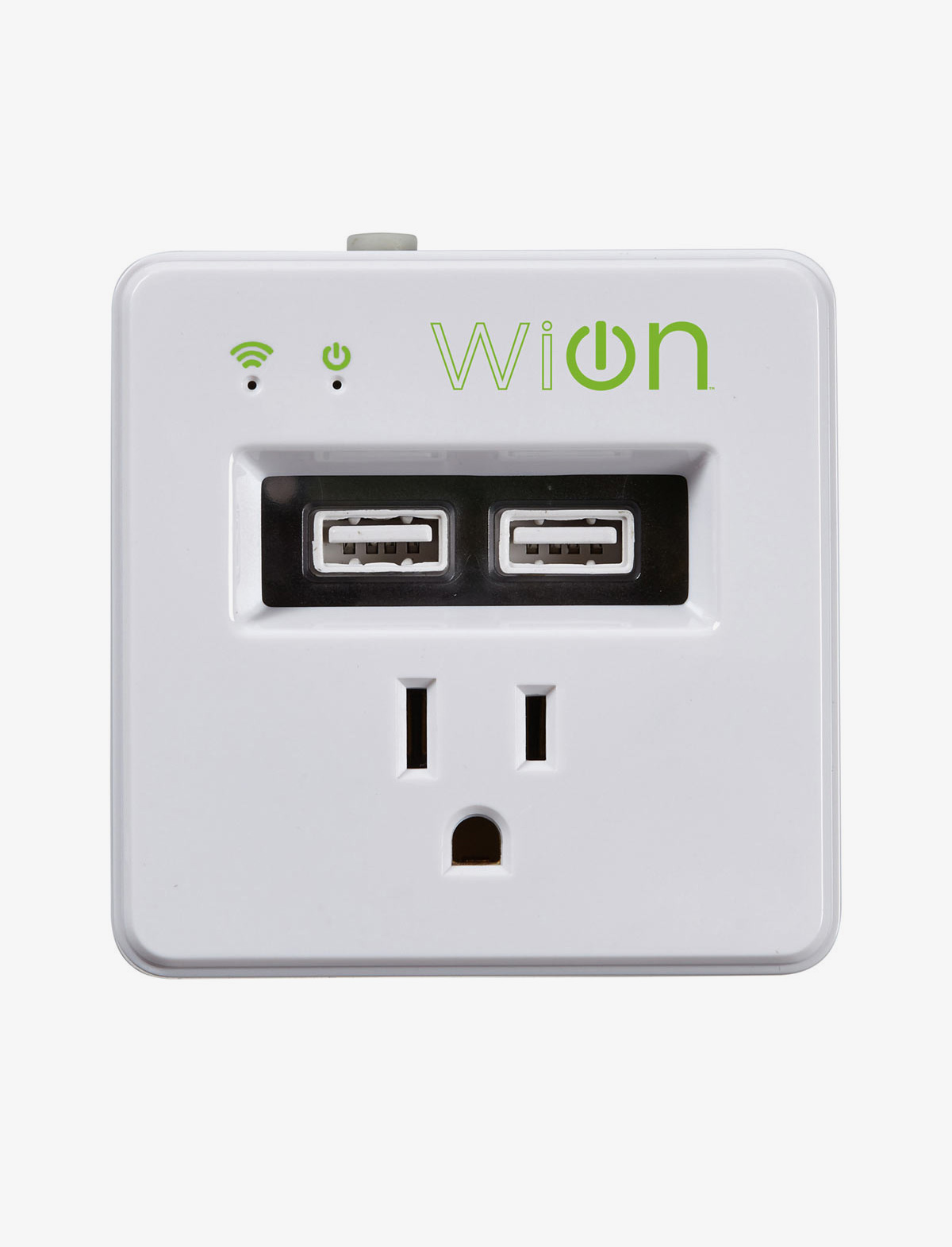
Surge Protection Device Installation Process
We start by evaluating your electrical panel and current setup. Every home is different, and your surge protection needs to match your specific electrical configuration and the equipment you’re protecting.
Next, we install a whole home surge protection device directly into your electrical panel. This intercepts power surges at the source—before they can travel through your wiring to damage your devices.
The installation typically takes about an hour for most homes. We test the system to ensure it’s working properly and explain how to monitor its status. You’ll have immediate protection for every outlet, appliance, and device in your home.
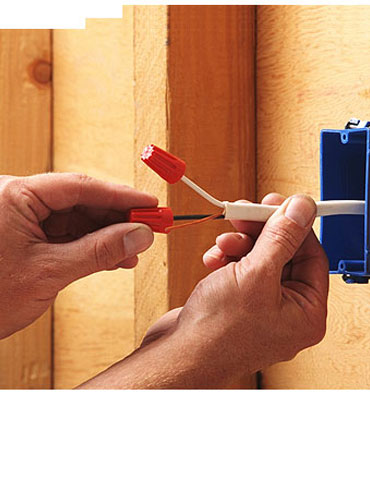
Residential Surge Protection Haywood NC
Your whole home surge protector installation includes a high-quality surge protection device rated for North Carolina’s storm activity. We use equipment that can handle the voltage spikes common in our area.
Haywood residents face unique challenges with power quality. Summer thunderstorms, utility grid switching, and the demands of modern electronics create a perfect storm for surge damage. Our installations account for these local conditions.
You’ll also get flat-rate pricing before we start work, so you know exactly what you’re paying. Our technicians arrive in uniform with fully stocked trucks, and we always clean up when we’re done. Most importantly, you get the peace of mind that comes with knowing your electronics are protected.
How much does whole home surge protection cost in Haywood, NC?
Most Haywood homeowners invest between $500 and $700 for professional whole home surge protection installation. The exact cost depends on your electrical panel setup and the type of surge protection device that best fits your home.
This investment typically pays for itself quickly. Consider that a single power surge can damage thousands of dollars in electronics and appliances. Your HVAC system alone could cost $5,000 to replace, and homeowner’s insurance often doesn’t cover surge damage.
We provide upfront pricing before starting any work, so you’ll know exactly what to expect. The installation usually takes about an hour, and you get immediate protection for every device in your home.
Will surge protection really protect my home from lightning strikes?
Whole home surge protection significantly reduces damage from lightning-related power surges, though no device can completely stop a direct lightning strike. Most surge damage actually comes from nearby strikes and utility grid fluctuations, which surge protectors handle very effectively.
In North Carolina, we experience frequent thunderstorm activity that creates voltage spikes throughout the electrical grid. Your surge protector intercepts these spikes before they reach your electronics, preventing both immediate damage and the gradual wear that shortens device lifespan.
The key is having professional-grade protection installed at your electrical panel, not just plug-in power strips. Panel-mounted surge protectors can handle much larger voltage spikes and protect your entire electrical system simultaneously.
How long do whole home surge protectors last before replacement?
Quality whole home surge protectors typically last 5-10 years, depending on how frequently they absorb surges and the severity of electrical events in your area. Most units include indicator lights that show when the device is still providing protection.
Each time your surge protector stops a voltage spike, it absorbs some of that energy. Over time, this gradually reduces its capacity to handle future surges. Think of it like a sponge that eventually gets saturated and needs replacement.
Regular electrical inspections can help determine when replacement is needed. We recommend checking your surge protector’s status annually, especially after severe storms. The replacement cost is minimal compared to the thousands of dollars in electronics and appliances you’re protecting.
Do I need surge protection if I already use power strips?
Power strips only protect the specific devices plugged into them, leaving most of your home vulnerable to surge damage. Your HVAC system, major appliances, hardwired electronics, and anything plugged directly into wall outlets remain unprotected.
Whole home surge protection works at your electrical panel, intercepting surges before they enter your home’s wiring. This protects everything connected to your electrical system, not just a few outlets. It’s comprehensive protection rather than piecemeal coverage.
Many homeowners are surprised to learn that 60-80% of power surges actually originate inside the home from large appliances cycling on and off. Whole home protection catches these internal surges along with external ones from storms and utility issues.
What causes power surges in North Carolina homes?
North Carolina homes face surge risks from multiple sources. Summer thunderstorms and lightning activity create external surges, while utility companies switching between power sources during outages can cause voltage spikes when service is restored.
Inside your home, large appliances like air conditioners, refrigerators, and HVAC systems create surges when their motors start up. These internal surges happen daily and cause gradual damage that homeowners often don’t notice until devices start failing prematurely.
Faulty wiring and aging electrical systems also contribute to surge activity. As homes age and electrical demands increase with modern technology, the risk of damaging voltage fluctuations grows. Professional surge protection addresses all these sources simultaneously.
Is surge protection installation required by electrical code in NC?
The 2020 National Electrical Code requires whole home surge protection devices in all new residential construction. While existing homes aren’t required to retrofit surge protection, it’s becoming the standard for electrical safety and equipment protection.
Many electricians now recommend surge protection as essential equipment, similar to GFCI outlets and smoke detectors. The relatively low cost of installation compared to potential surge damage makes it a smart investment for any home.
Insurance companies are also recognizing the value of surge protection, with some offering discounts for homes with professionally installed whole home systems. It’s becoming less of an optional upgrade and more of a necessary protection measure for modern homes.
About Us

Electrical Service Providers (ESP) has been in business since 2002. ESP started out performing wiring services to new construction, remodeling projects and residential homes. Our company’s president identified a market for electrical services to be performed in homes and businesses independent of new construction. Read More about Electrical Service Providers>>
All Rights Reserved.Organic Marketing LLC
Business Listings


Product Brands Used
Allied, Broan, Cutler Hammer, General Electric, Ideal, Juno, Kohler, Leviton, Lutron, Siemens, Square D
Contact
- Office Address: 3254 S Anthony Ct.
Burlington, NC 27215 - Mailing Address: PO Box 25
Alamance, NC 27201 - Phone: 336-228-3300
- E-mail: [email protected], [email protected]
Service Areas
Chapel Hill, Burlington, Carrboro, Durham, Gibsonville, Hillsborough, Graham, Pittsboro, Morrisville, Cary
About Us
Electrical Service Providers (ESP) has been in business since 2002. ESP started out performing wiring services to new construction, remodeling projects and residential homes. Our company’s president identified a market for electrical services to be performed in homes and businesses independent of new construction. Read More about Electrical Service Providers>>
All Rights Reserved.Organic Marketing LLC