Surge Protection in Lake Forest, NC
Your Electronics Are More Vulnerable Than You Think
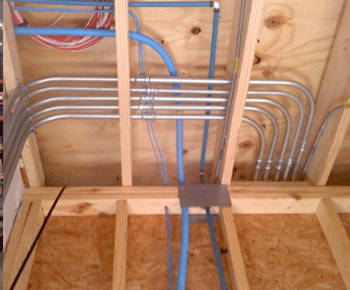
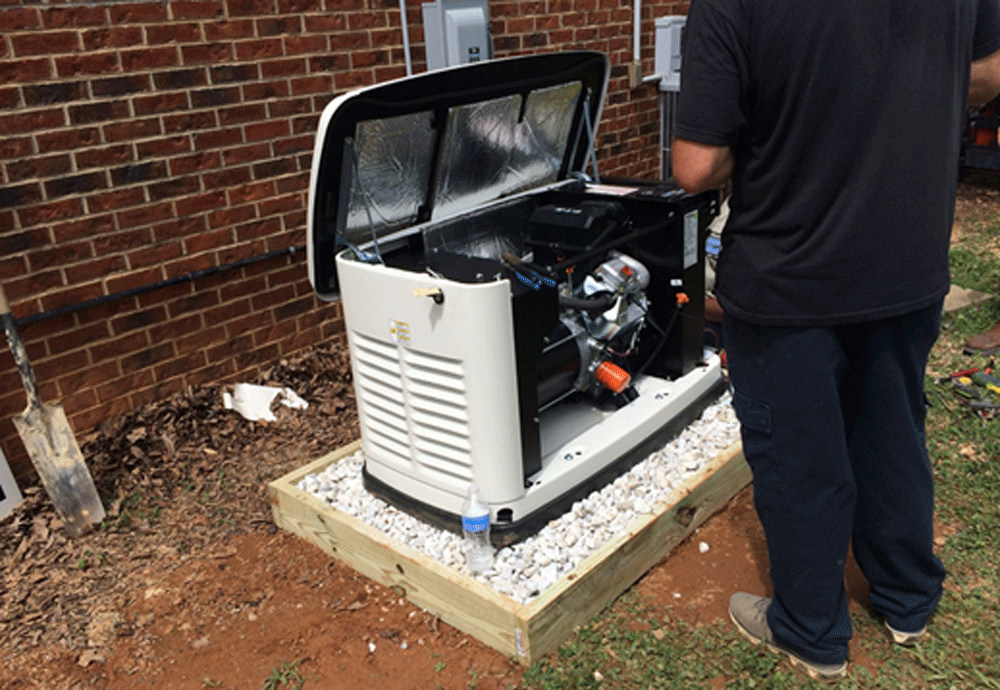
Whole Home Surge Protection Lake Forest
You stop worrying every time a storm rolls through Lake Forest. Your HVAC system, refrigerator, washer, dryer, smart home devices, and entertainment systems are shielded at the source—before a surge ever reaches them.
Here’s what changes: you’re not scrambling to unplug everything when the sky gets dark. You’re not replacing a $4,000 HVAC control board because of a power fluctuation you didn’t even notice. And you’re not dealing with that sinking feeling when half your appliances stop working right after the power comes back on.
A whole home surge protector installs directly at your electrical panel. It catches excess voltage before it enters your home’s wiring and diverts it safely to ground. That means every outlet, every hardwired appliance, every device in your house gets protected—not just the few things plugged into power strips.
Lake Forest NC Surge Protection Experts
We’ve been serving Lake Forest and the surrounding Triangle area for years. Our electricians understand how North Carolina’s storms, humidity, and grid fluctuations affect your home’s electrical system.
Lake Forest sits in an area that sees frequent thunderstorms, especially during spring and summer months. Add in utility grid switching and the everyday cycling of high-draw appliances, and your home faces dozens of power surges every year—most of them small enough that you won’t notice until something stops working.
We install surge protection that’s sized correctly for your home, wired to code, and grounded properly. No shortcuts. No guesswork. Just straightforward electrical work that keeps your home safer.
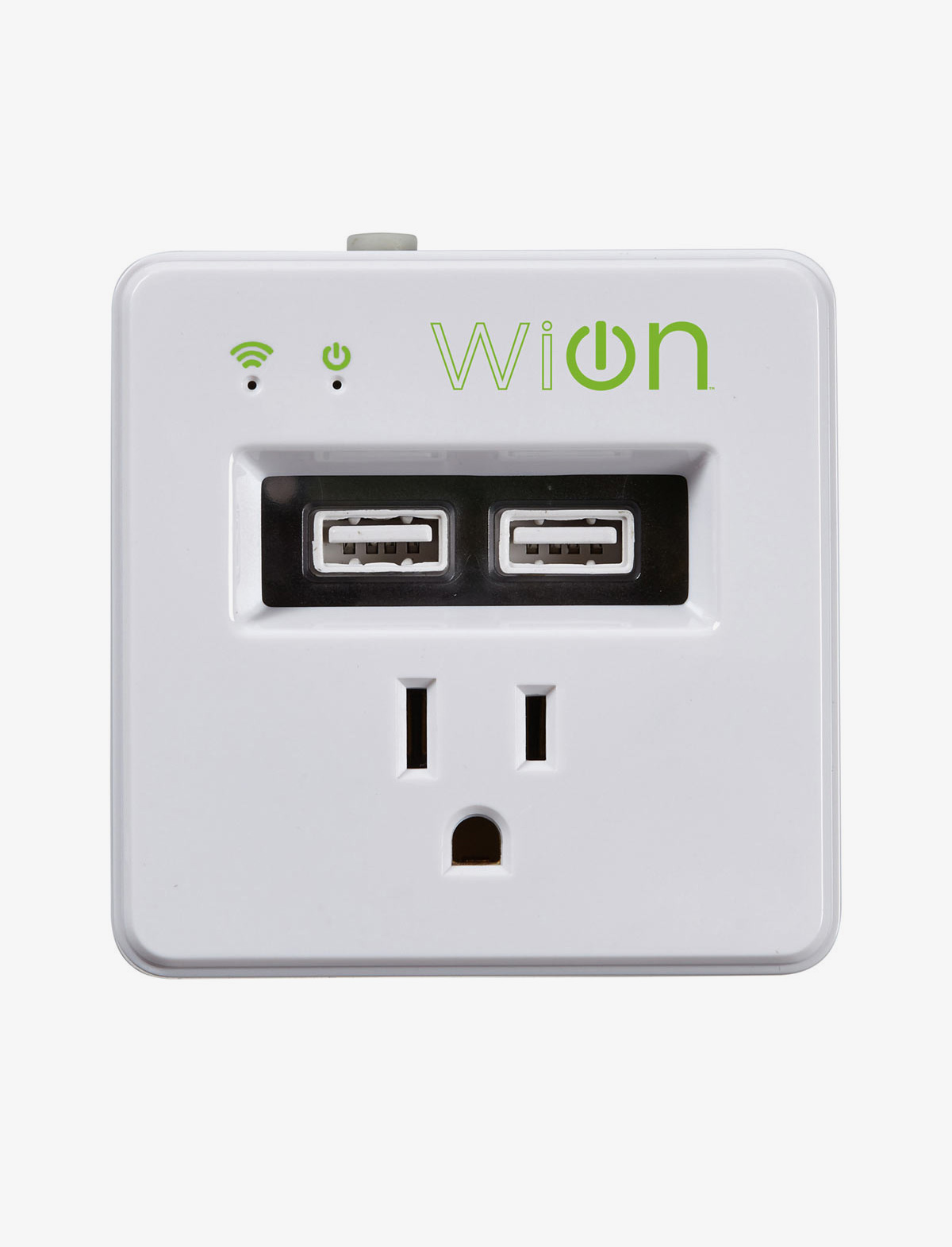
Surge Protection Device Installation Process
First, one of our electricians evaluates your electrical panel and your home’s grounding system. Surge protection only works if your grounding is solid, so that gets checked first. We also look at your panel’s capacity and what kind of protection makes sense based on your home’s electrical load.
Next, the surge protection device gets mounted at or near your main electrical panel. It connects directly to your home’s electrical system through a dedicated breaker. The wiring runs as short and direct as possible—length matters because longer wires reduce effectiveness.
Once it’s wired in, we test the installation to make sure the device is working and properly grounded. Most units have an indicator light that shows active protection. Green means you’re covered. If it ever turns red or goes dark, that’s your signal the device needs replacement. The whole process usually takes one to two hours, and your power is only off during the actual connection work.
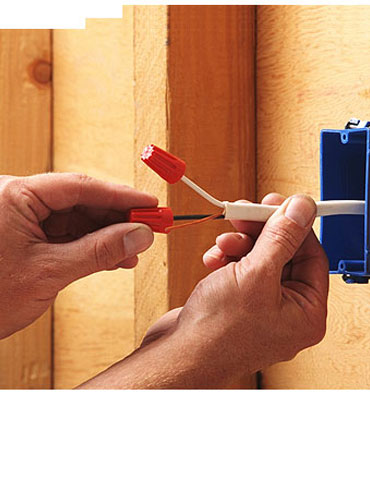
Residential Surge Protection Lake Forest
The installation includes a whole-home surge protection device rated for your home’s electrical service, professional installation by a licensed electrician, testing to verify proper operation, and confirmation that your grounding system can handle surge diversion.
In Lake Forest, this matters more than you might think. The area’s newer neighborhoods often have homes packed with smart thermostats, security systems, high-efficiency HVAC units with sensitive control boards, and kitchens full of appliances with digital displays. All of that equipment contains microprocessors that don’t handle voltage spikes well.
North Carolina also ranks high nationally for lightning strike frequency. When storms move through Wake County, they bring the kind of surges that can jump through power lines and hit multiple homes on the same transformer. A whole home surge protector acts as your first line of defense—it clamps down on that excess voltage in nanoseconds, before it can reach your devices.
You also get protection from the surges most people don’t think about: the ones caused by your own appliances. Every time your AC compressor kicks on or your dryer starts up, it creates a small voltage spike. Over months and years, those add up and degrade your electronics from the inside out. You might not connect the dots when your two-year-old refrigerator suddenly stops cooling, but cumulative surge damage is often the culprit.
How much does whole home surge protection cost in Lake Forest?
Professional installation of a whole-home surge protector typically runs between $300 and $800 in the Lake Forest area. That includes the device itself and the labor to install it correctly at your electrical panel.
The price varies based on a few factors: the surge protection rating you choose, whether your panel has space for the installation, and the condition of your home’s grounding system. If your grounding needs work before the surge protector can be installed, that adds to the cost. But compare that to replacing a $3,000 HVAC system, a $1,500 refrigerator, and a few thousand dollars in electronics after one bad surge. The math makes sense pretty quickly.
Most whole-home units last five to ten years depending on how many surges they absorb. Think of it as insurance you pay for once and forget about until the indicator light tells you it’s time for a replacement.
Will a whole home surge protector protect everything in my house?
A whole-home surge protector installed at your main panel protects everything connected to your electrical system—outlets, hardwired appliances, HVAC equipment, lighting, and anything else that draws power from your home’s wiring. That’s the advantage over power strips, which only protect whatever’s plugged directly into them.
But here’s the thing: for maximum protection on your most sensitive or expensive electronics—like computers, home theater systems, or network equipment—you should still use point-of-use surge protectors in addition to the whole-home unit. This creates layered protection. The whole-home device stops the big surges at the panel, and the point-of-use protectors handle any smaller surges that make it through or originate from nearby sources.
Also, whole-home surge protectors only cover surges coming through your electrical wiring. If you have surges entering through phone lines, coaxial cable, or ethernet connections, you need separate protection for those lines. Many point-of-use surge protectors include these extra connection types.
Do surge protectors work against lightning strikes in Lake Forest?
Whole-home surge protectors can handle most lightning-related surges, but they’re not foolproof against direct strikes. If lightning hits your house directly, the voltage can be so extreme that even the best surge protection might not stop all the damage. That said, direct strikes are rare. Most lightning damage comes from strikes hitting nearby power lines or transformers, and that’s exactly what whole-home surge protectors are designed to handle.
North Carolina sees a lot of thunderstorm activity, especially in the warmer months. When lightning strikes a power line a few blocks away, it sends a massive surge through the electrical grid. A properly installed whole-home surge protector will clamp that voltage spike and divert it to ground before it enters your home’s wiring. That protects your appliances and electronics from the surge.
For the best protection during severe storms, combine a whole-home surge protector with good practices: unplug sensitive electronics if you know a major storm is coming, and make sure your home has proper grounding and bonding throughout the electrical system. The surge protector gives you constant protection for the surges you don’t see coming.
How do I know if my surge protector is still working?
Most whole-home surge protectors have a status indicator light on the device itself. Green or a steady light usually means the unit is working and providing protection. If the light turns red, goes out completely, or shows a fault indicator, that means the surge protector has reached the end of its useful life and needs replacement.
Surge protectors don’t last forever. Every time they divert a surge, the internal components—usually metal oxide varistors—absorb some of that energy and degrade slightly. After enough surges, they wear out. A small surge from your AC cycling might barely affect the protector, but a big surge from a lightning strike nearby could use up a significant chunk of its capacity all at once.
You should check the indicator light every few months, especially after major storms. If you’re not sure where the light is or what it means, we can show you during the installation. Some newer models also have audible alarms that sound when the device fails. Either way, once the protector stops working, it’s not protecting your home anymore—so replacing it right away matters.
Can I install a whole home surge protector myself?
No, and here’s why: whole-home surge protectors connect directly to your electrical panel, which means working with live electrical service. That’s dangerous if you don’t know what you’re doing, and it’s also illegal in most areas without the proper licensing. In North Carolina, this type of work requires a licensed electrician.
Beyond the safety and legal issues, improper installation can make the surge protector ineffective or even create new hazards. The device needs to be wired with the correct gauge wire, the connections need to be short and direct to minimize resistance, and the grounding has to be done right. If any of that is off, the surge protector won’t work when you need it.
There’s also the issue of warranties. Most manufacturers require professional installation by a licensed electrician for the warranty to be valid. Some surge protectors come with connected equipment warranties that cover damage to your electronics if the device fails—but only if it was installed correctly. Doing it yourself voids that coverage.
What causes power surges in Lake Forest homes?
Power surges in Lake Forest come from both external and internal sources. Externally, lightning strikes are the most dramatic cause—when lightning hits power lines or transformers, it sends a massive voltage spike through the grid. Utility companies also cause surges when they switch power loads or restore service after an outage. That sudden jump from zero power back to normal can create a surge that damages unprotected electronics.
Internally, your own appliances cause surges every day. When high-draw equipment like your HVAC system, refrigerator, or dryer kicks on, it pulls a large amount of electricity very quickly. That creates a brief voltage spike in your home’s wiring. Most of these internal surges are small, but they happen frequently—sometimes dozens of times a day. Over time, they degrade sensitive electronics and shorten the lifespan of your appliances.
Faulty or outdated wiring can also cause surges, especially in older homes. Loose connections, damaged insulation, or improper grounding all create conditions where voltage can spike unexpectedly. That’s one reason why we check your grounding system before installing a whole-home surge protector—it needs a solid ground path to divert surges safely.
About Us

Electrical Service Providers (ESP) has been in business since 2002. ESP started out performing wiring services to new construction, remodeling projects and residential homes. Our company’s president identified a market for electrical services to be performed in homes and businesses independent of new construction. Read More about Electrical Service Providers>>
All Rights Reserved.Organic Marketing LLC
Business Listings


Product Brands Used
Allied, Broan, Cutler Hammer, General Electric, Ideal, Juno, Kohler, Leviton, Lutron, Siemens, Square D
Contact
- Office Address: 3254 S Anthony Ct.
Burlington, NC 27215 - Mailing Address: PO Box 25
Alamance, NC 27201 - Phone: 336-228-3300
- E-mail: [email protected], [email protected]
Service Areas
Chapel Hill, Burlington, Carrboro, Durham, Gibsonville, Hillsborough, Graham, Pittsboro, Morrisville, Cary
About Us
Electrical Service Providers (ESP) has been in business since 2002. ESP started out performing wiring services to new construction, remodeling projects and residential homes. Our company’s president identified a market for electrical services to be performed in homes and businesses independent of new construction. Read More about Electrical Service Providers>>
All Rights Reserved.Organic Marketing LLC