Surge Protection in Mebane, NC
Your Electronics Deserve Better Than Luck
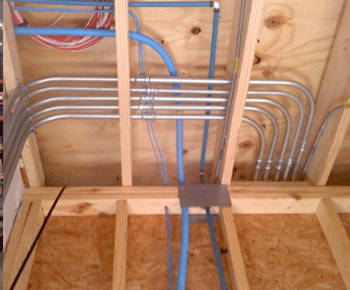
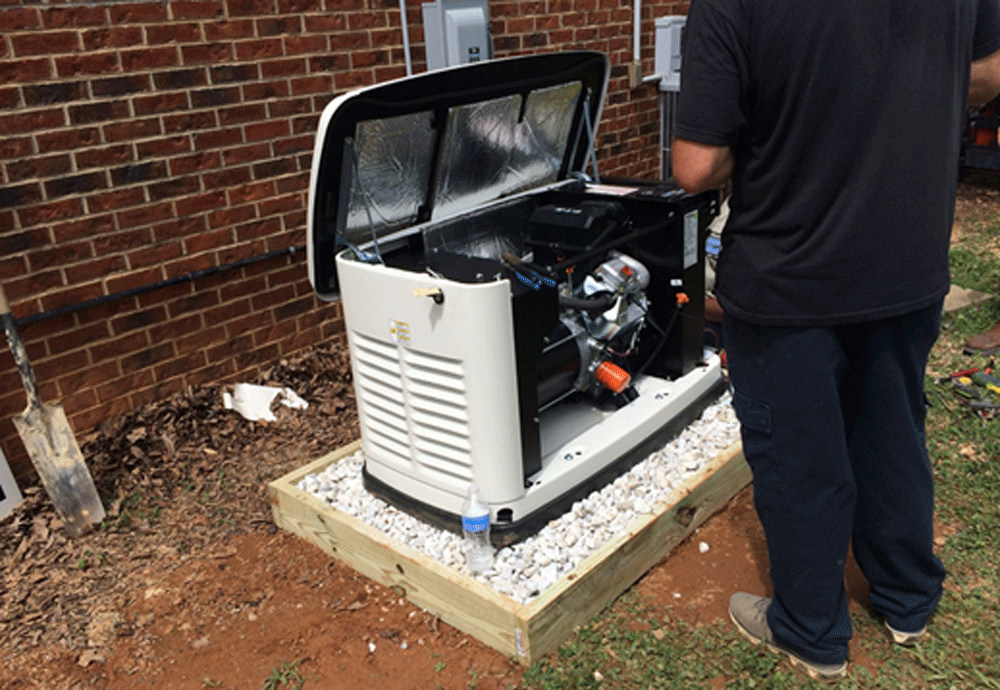
Whole Home Surge Protector Installation
You’re not imagining it—appliances don’t last as long as they used to. But it’s not always the manufacturer’s fault. Most homes in Mebane experience dozens of small power surges every year, and each one chips away at your electronics. Your refrigerator’s circuit board. Your HVAC system’s control panel. Your smart TV’s internal components. All of it takes hits you never see until something stops working.
A whole home surge protector sits at your electrical panel and diverts excess voltage before it reaches anything plugged in. It’s not about the one big lightning strike—though it handles that too. It’s about the constant, invisible wear from everyday electrical events. Your air conditioner cycling. The power company switching loads. A neighbor’s equipment causing a ripple down the line.
When you protect at the source, you’re covering everything. Not just what’s plugged into a power strip, but the hardwired systems that cost the most to replace. Your HVAC. Your water heater. Your garage door opener. The stuff that doesn’t have a plug but still has a price tag you’d rather not see again.
Mebane Electrical Surge Protection Services
We handle surge protection installation across Mebane and Alamance County. We’re licensed electricians who know the local codes, understand how to pull permits when needed, and have seen what happens when homes go unprotected in this area.
Mebane sits right along I-85 and I-40, which means growth, new construction, and an electrical grid that’s constantly adjusting. Add in North Carolina’s storm season and you’ve got a recipe for power fluctuations. We’ve installed surge protection devices in newer developments off Mebane Oaks Road and older homes near downtown. Different ages, different panels, same need for real protection.
You’re not getting a sales pitch from us. You’re getting a licensed electrician who’ll look at your panel, explain what you actually need, and install it right the first time. We handle the permit process with Alamance County if required, and we make sure your system is grounded properly—because without that, surge protection is just a box on the wall.
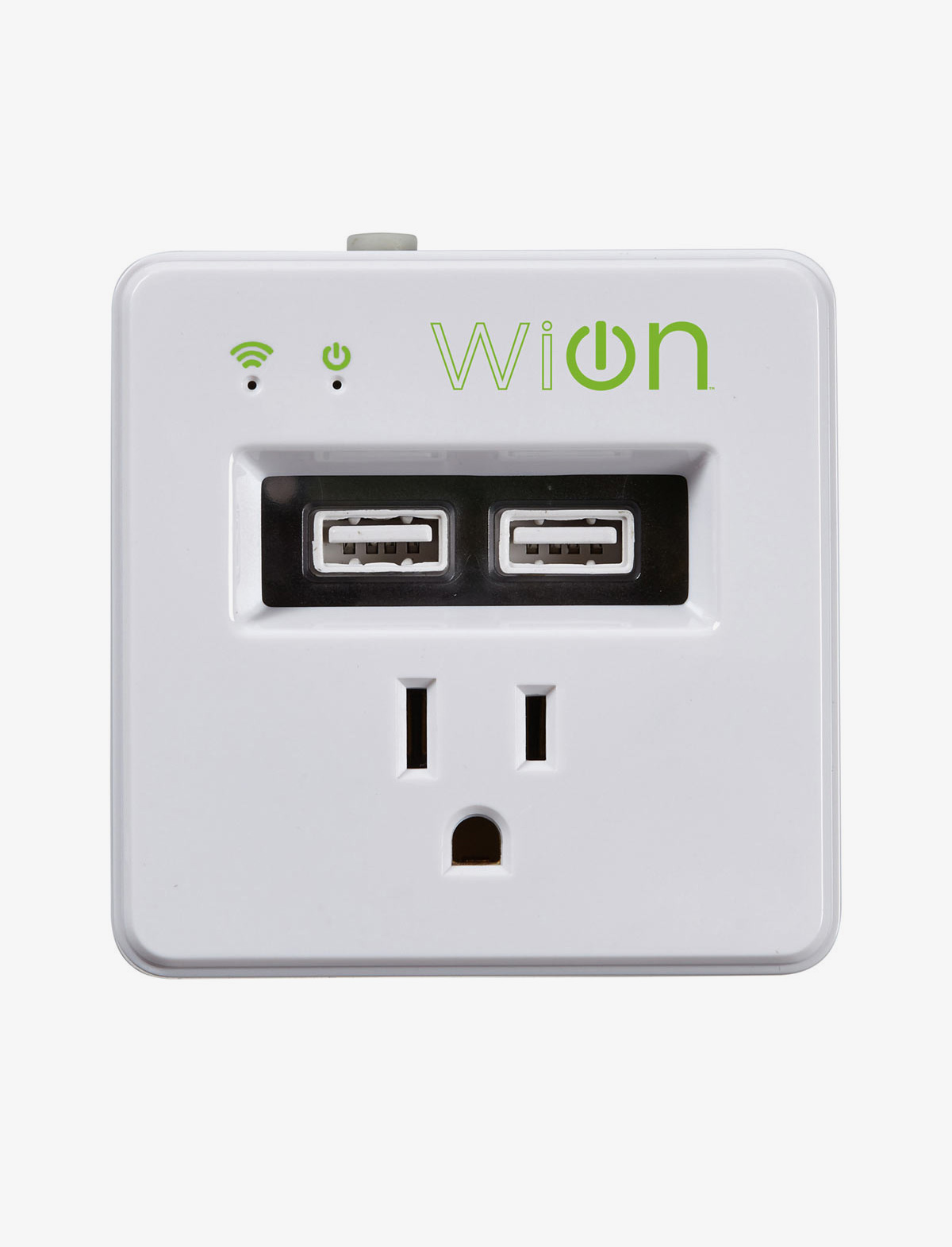
Surge Protection Device Installation Process
First, we inspect your electrical panel. Not every panel is the same, and we need to confirm yours has the capacity and space for a surge protection device. Most Type 2 surge protectors take up two breaker slots, and we’ll verify your grounding system is adequate. If your panel is outdated or your grounding needs work, we’ll tell you upfront.
Once we’ve confirmed compatibility, we install the surge protector directly at your main electrical panel. This is where power enters your home, so protecting it here means protecting everything downstream. The device mounts inside or next to the panel depending on the model and your setup. We wire it in, connect it to your grounding system, and test it to make sure it’s active.
Most installations take one to two hours. You’ll see an indicator light that shows the unit is working. That light matters—it’s how you’ll know the device is still protecting your home. Surge protectors don’t last forever. They absorb hits over time and eventually need replacement, typically every three to five years depending on how many surges they handle.
After installation, you’re covered. Every outlet, every hardwired appliance, every piece of equipment connected to your electrical system now has a layer of protection it didn’t have before. You won’t notice it working, but your appliances will last longer and fail less often.
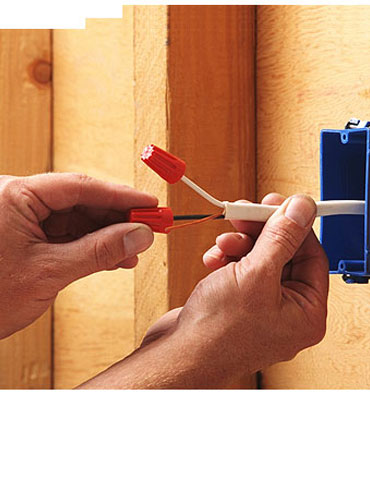
Residential Surge Protection in Mebane
A whole home surge protector isn’t just about your TV and computer. Those are easy to think about because they’re visible and expensive. But the real value comes from protecting the systems you don’t see every day—the ones that cost thousands to replace and keep your house functional.
Your HVAC system is the biggest target. Modern heating and cooling equipment uses sensitive control boards that don’t handle voltage spikes well. A surge can fry the controls without touching the compressor, and suddenly you’re looking at a repair bill that makes you wish you’d spent a few hundred dollars on prevention. In Mebane, where summer heat and winter cold both demand reliable climate control, losing your HVAC isn’t just uncomfortable—it’s a problem that needs immediate, expensive attention.
Your kitchen appliances matter too. Refrigerators, dishwashers, microwaves—they all have circuit boards now. A power surge doesn’t always kill them outright. Sometimes it just shortens their lifespan, and you end up replacing a five-year-old appliance that should have lasted ten. Same goes for your washer and dryer. These aren’t cheap items, and they’re hardwired or plugged into dedicated circuits that a power strip won’t protect.
Then there’s everything else. Garage door openers. Well pumps if you’re outside town limits. Security systems. Smart home devices. All of it connects to your electrical system, and all of it is vulnerable. Mebane’s growing fast, with new neighborhoods going up and older homes getting renovated. Whether you’re in a brand-new build off Trollingwood Road or an established home near South Fifth Street, the risk is the same. Power surges don’t care how old your house is.
How much does whole home surge protection cost in Mebane?
Installation typically runs between $300 and $800 total, depending on the surge protector model and your electrical panel setup. The device itself costs anywhere from $70 to $400, and labor adds another $100 to $300. If your panel needs upgrades or your grounding system requires work, that changes the scope and the price.
Type 2 surge protectors are the most common for residential installations in Mebane. They mount at or near your main electrical panel and protect your entire home. Higher-rated units with more protection capacity cost more, but they also handle larger surges and tend to last longer under repeated hits.
We’ll give you an upfront estimate after looking at your panel. No surprises, no upselling. You’ll know what the job costs before we start, and that price includes everything—the device, the installation, and any permit fees required by Alamance County.
Will a surge protector protect my home during a lightning strike?
It depends on the strike. A whole home surge protector is designed to handle surges that come through your power lines, including those caused by nearby lightning. If lightning hits a utility pole or transformer and sends a voltage spike down the line, your surge protector will divert that excess energy to ground before it reaches your appliances.
A direct lightning strike to your home is a different situation. No surge protector can fully defend against a direct hit—that’s an extreme event that carries millions of volts. But direct strikes are rare. Most lightning-related damage comes from indirect strikes that affect the power grid, and that’s exactly what a surge protector is built to stop.
The bigger benefit is protection from the constant smaller surges that happen year-round. Lightning is dramatic, but it’s not the daily threat. Your HVAC cycling, power company maintenance, and grid fluctuations cause far more cumulative damage over time. A surge protector handles all of it, which is why it’s worth installing even if you never see a lightning storm.
Do I still need surge protector power strips if I have whole home protection?
Yes, for your most sensitive electronics. Whole home surge protection is your primary defense—it stops the majority of surges right at the panel before they enter your home’s wiring. But some experts recommend a layered approach, where you add point-of-use surge protectors for high-value or particularly sensitive equipment like computers, home theater systems, and networking equipment.
Think of it as redundancy. The whole home device catches the big surges and most of the small ones. A quality power strip with surge protection adds another layer for the electronics that are most vulnerable or most expensive to replace. It’s not required, but it’s smart if you’ve got a home office with thousands of dollars in equipment or an entertainment system you’d rather not lose.
Just make sure any power strip you use actually has surge protection. Not all of them do—some are just extension cords with extra outlets. Look for a joule rating and a warranty that covers connected equipment. And replace them every few years, because surge protectors wear out over time as they absorb hits.
How long does a whole home surge protector last?
Most whole home surge protectors last between three and five years, depending on how many surges they absorb. Every time the device diverts excess voltage, it uses up a bit of its capacity. Eventually, it can’t handle surges anymore and needs replacement. It’s not a failure—it’s just how the technology works.
The good news is that most units have an indicator light that shows when they’re still active. If that light goes out or changes color, it’s time for a replacement. Some models also have audible alarms or automatic shutoff features that let you know when protection is no longer active. Regular inspection helps too—we can check your device during routine electrical service and let you know if it’s still doing its job.
If your home takes a major hit from a lightning-induced surge, you should have the surge protector inspected even if the light is still on. A large surge can damage internal components without triggering an obvious failure. Better to check and confirm than assume you’re still protected when you’re not.
Can I install a surge protector myself or do I need an electrician?
You need a licensed electrician. Whole home surge protectors install at your main electrical panel, which means working with live voltage and your home’s primary power source. It’s not a DIY project unless you’re a licensed electrician yourself. Improper installation can cause electrical shock, fires, or damage to your electrical system—and it won’t protect your home the way it should.
Beyond safety, there’s the code and warranty issue. North Carolina requires permits for electrical work in Alamance County, and most surge protector manufacturers only honor their warranties if a licensed electrician performs the installation. If you install it yourself and something goes wrong, you’re on your own for repairs and any damage that occurs.
Professional installation also ensures your surge protector is properly grounded. Without correct grounding, the device can’t divert excess voltage effectively, which means it’s not actually protecting anything. We’ll verify your grounding system, install the device according to manufacturer specs and local code, and make sure it’s working before we leave.
What causes power surges in Mebane homes?
Most surges come from inside your home, not from the power company or lightning. About 80% of all power surges originate internally, caused by large appliances cycling on and off. Your air conditioner, refrigerator, washer, dryer—any equipment with a motor or compressor pulls a significant amount of power when it starts. That sudden demand can create a brief spike in voltage that affects other circuits in your home.
External surges happen too. Utility companies switch loads on the grid, especially during peak demand times or maintenance work. Downed power lines, transformer issues, and equipment failures can all send voltage spikes through the lines. And yes, lightning—either a direct strike to power lines or a nearby strike that induces voltage in the grid—can cause major surges.
Mebane’s location along I-85 and I-40 means the area is growing fast, with new industrial and commercial development putting more demand on the local electrical grid. That growth can lead to more frequent fluctuations as the system adjusts. Older wiring in some homes can also contribute to internal surges, especially if circuits are overloaded or connections are loose. A whole home surge protector handles all of these causes, which is why it’s effective protection regardless of where the surge originates.
Other Services we provide in Mebane
About Us

Electrical Service Providers (ESP) has been in business since 2002. ESP started out performing wiring services to new construction, remodeling projects and residential homes. Our company’s president identified a market for electrical services to be performed in homes and businesses independent of new construction. Read More about Electrical Service Providers>>
All Rights Reserved.Organic Marketing LLC
Business Listings


Product Brands Used
Allied, Broan, Cutler Hammer, General Electric, Ideal, Juno, Kohler, Leviton, Lutron, Siemens, Square D
Contact
- Office Address: 3254 S Anthony Ct.
Burlington, NC 27215 - Mailing Address: PO Box 25
Alamance, NC 27201 - Phone: 336-228-3300
- E-mail: [email protected], [email protected]
Service Areas
Chapel Hill, Burlington, Carrboro, Durham, Gibsonville, Hillsborough, Graham, Pittsboro, Morrisville, Cary
About Us
Electrical Service Providers (ESP) has been in business since 2002. ESP started out performing wiring services to new construction, remodeling projects and residential homes. Our company’s president identified a market for electrical services to be performed in homes and businesses independent of new construction. Read More about Electrical Service Providers>>
All Rights Reserved.Organic Marketing LLC